
Shore Power
QuayPower™ is MJR Power & Automation's modular and scalable shore-to-ship power system, providing reliable in-port power and vessel charging for workboats, ferries, offshore support vessels and container ships. Its containerised architecture supports straightforward grid-connected installations through to more complex energy storage and microgrid applications.
System Overview
QuayPower™ Containerised Shore-to-Ship Power
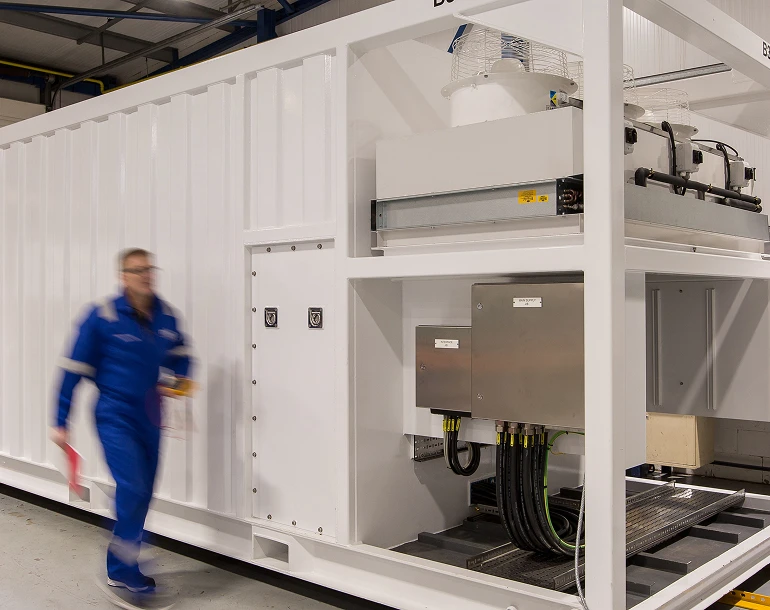
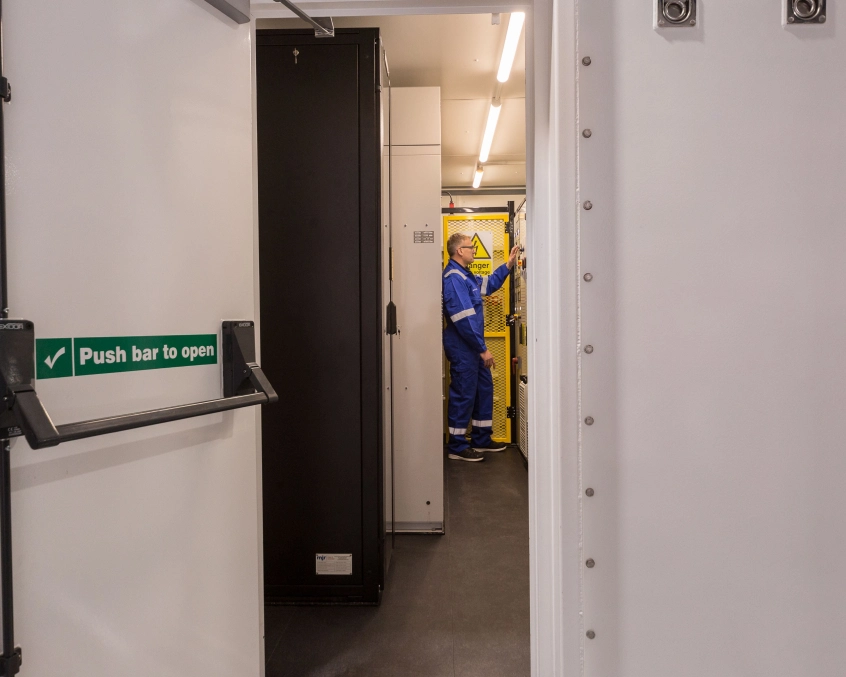
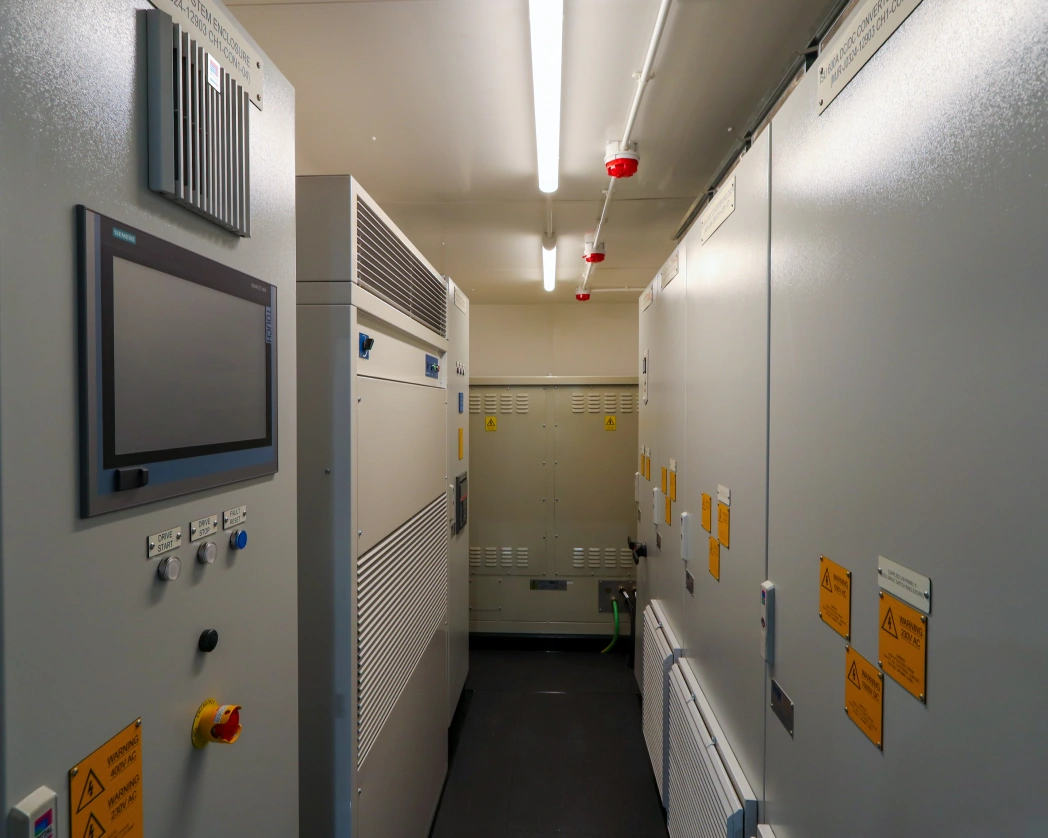
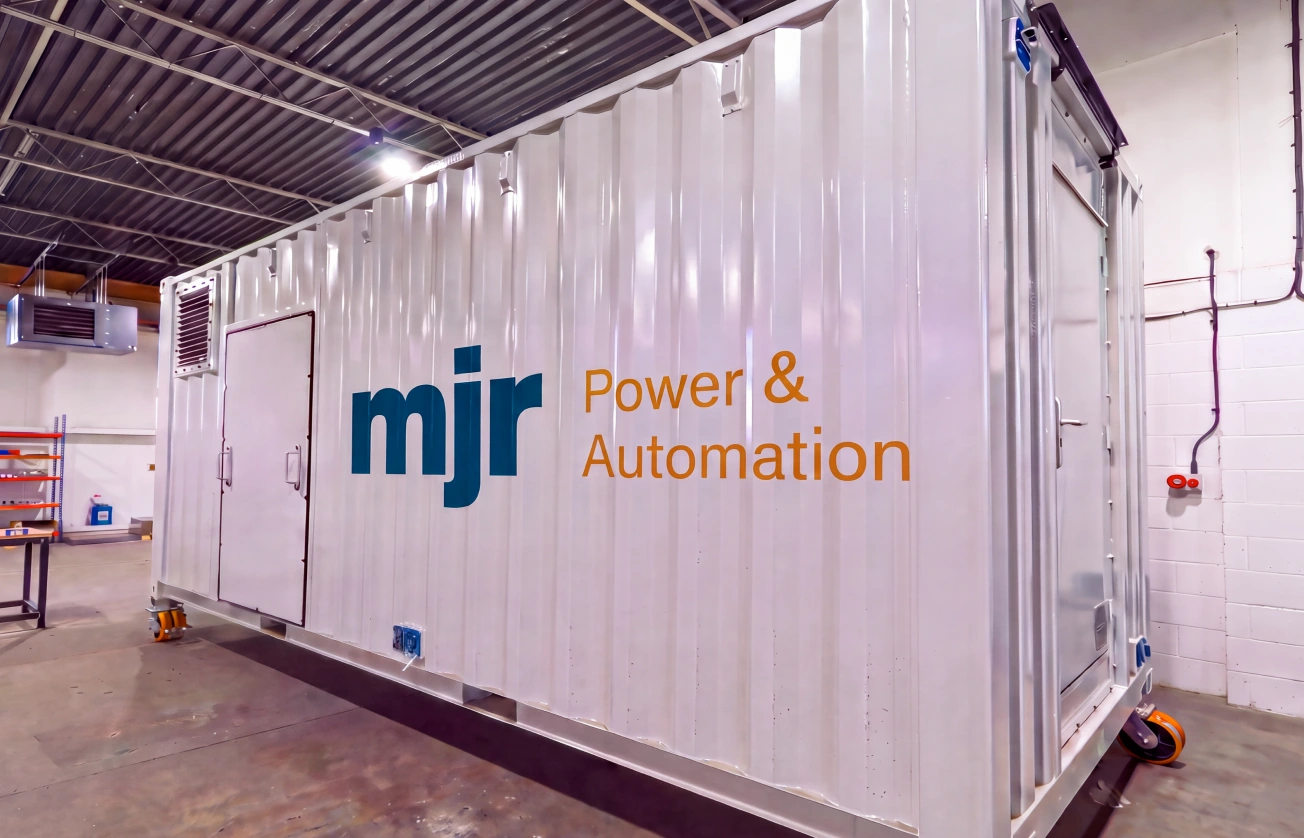
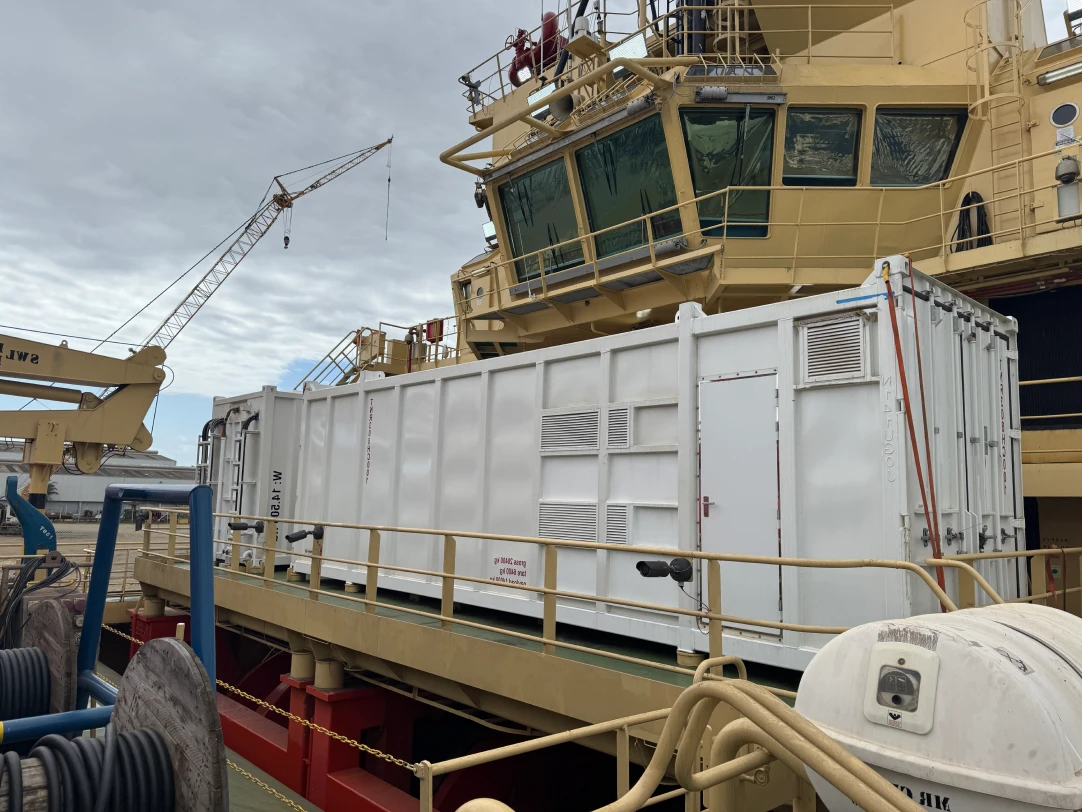
QuayPower™ is a flexible, modular and scalable containerised power conversion system designed to bring shore power to ports, harbours and existing quaysides. Its modular construction reduces the need for dedicated switch rooms and provides greater flexibility where equipment may need to be expanded or relocated as port requirements change.
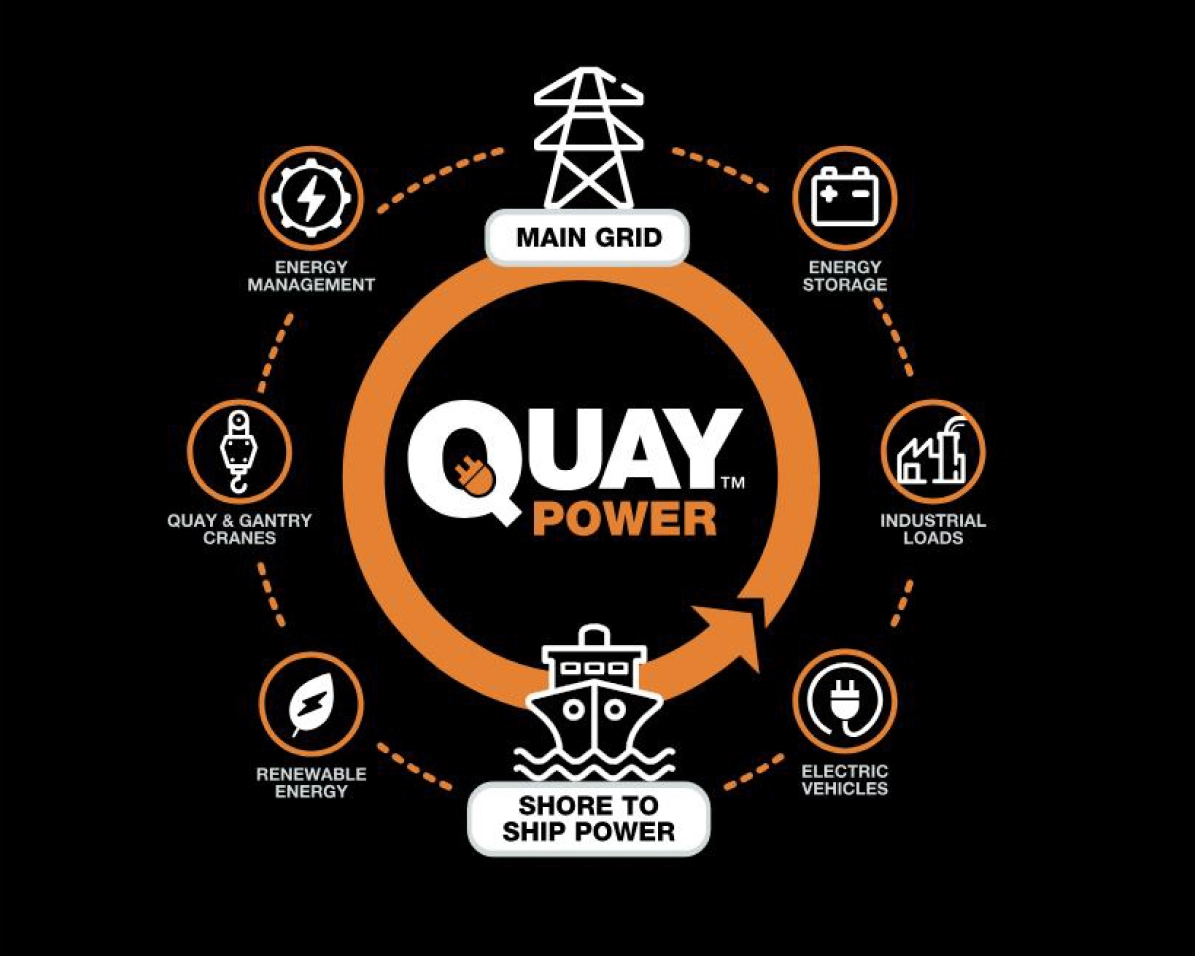
Where grid capacity is limited, QuayPower™ can incorporate energy storage and microgrid capability alongside available generation sources including grid, solar, wind, wave or tidal power and backup generation. This allows energy to be stored when demand is lower and delivered at the higher power levels required when vessels are alongside.
Who this is for Ports, harbour authorities, shipyards, vessel owners, ferry and workboat operators, offshore vessel operators and infrastructure teams planning shore power, vessel charging or port electrification projects.
Key Features
Flexible Infrastructure for Port and Vessel Power
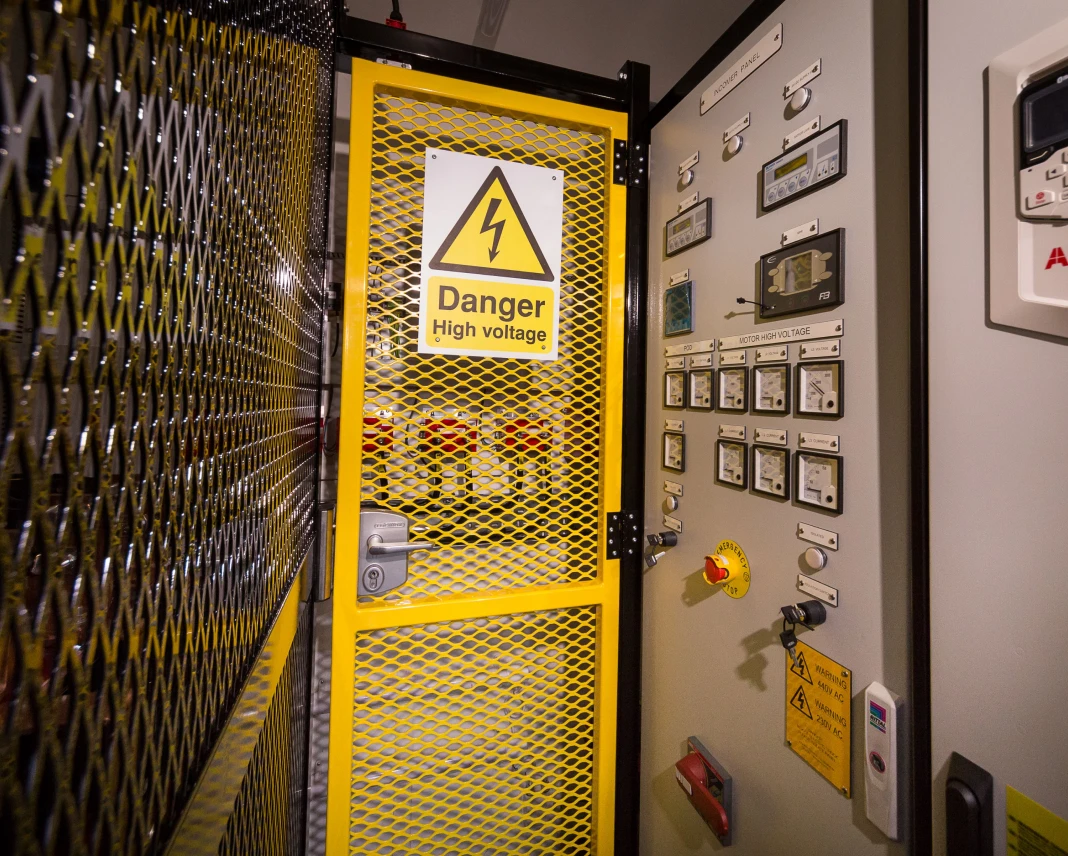
QuayPower™ combines containerised power conversion, vessel connection, electrical synchronisation and digital monitoring within a configurable shore power platform. Systems can be adapted around the available port infrastructure and the operational requirements of the vessels being served.
Modular Containerised Design
A scalable containerised architecture designed for installation onto existing quaysides, ports and harbours without requiring a conventional dedicated switch room.
Flexible Vessel Connection
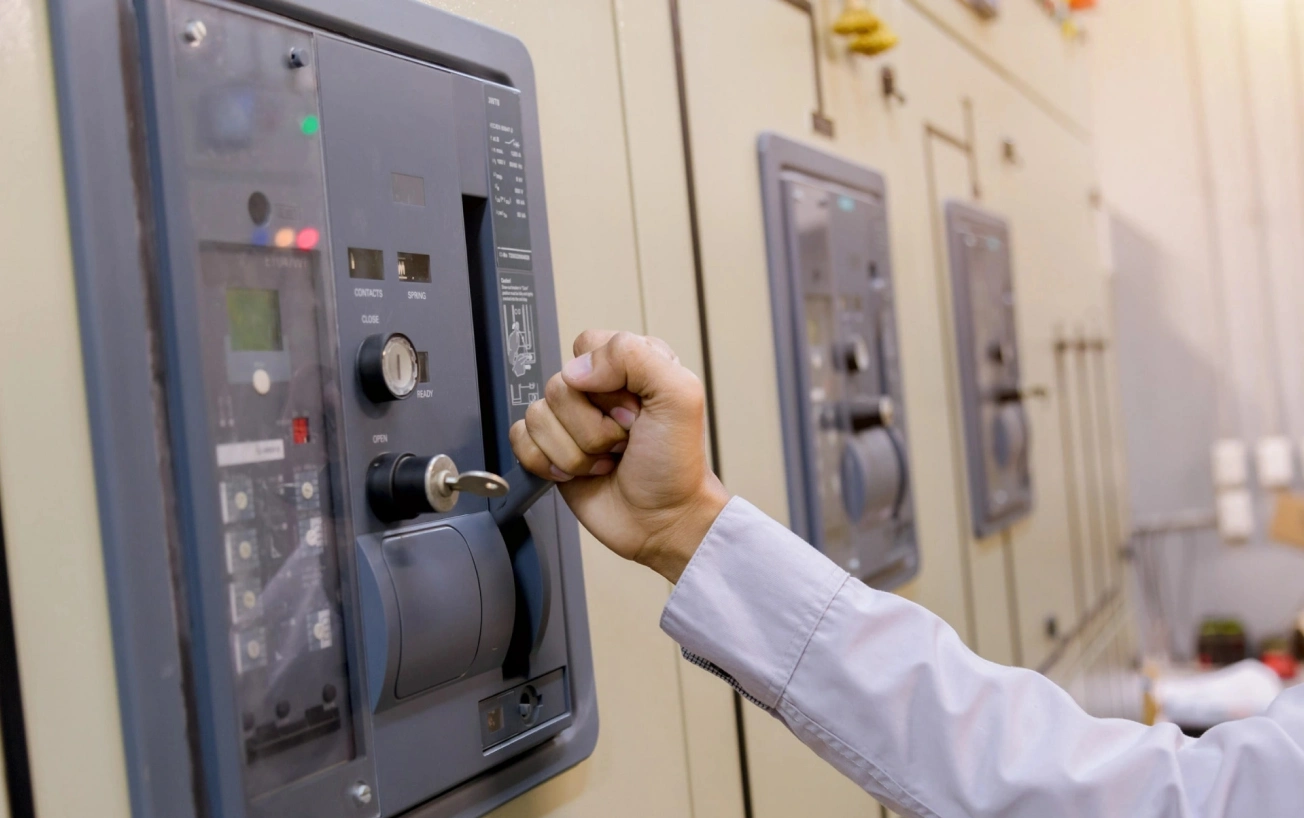
Shore power connection can be configured for manual, semi-automated or fully automated operation, with control available from the vessel bridge or quayside depending on the application.
Power Conversion & Synchronisation
Before electrical load is transferred, the shore power converter synchronises with the vessel's electrical network, allowing the shore supply and onboard generation to operate briefly in parallel during controlled transfer.
Monitoring, Metering & Remote Support
Integration with MJR's power and charging portal provides remote visualisation, data analytics and energy usage billing, together with remote access for diagnostics, fault finding and maintenance support.
Operational Benefits
What the system improves in practice
Once a vessel is connected and synchronised, its electrical load can be transferred gradually from onboard generators to the shore power system. The generators can then be unloaded and disconnected while the vessel remains alongside.
Lower Operating Costs
Reduce the requirement to operate onboard diesel generators continuously while the vessel is berthed.
Reduced Engine Wear
Fewer generator running hours can reduce wear and associated servicing and maintenance requirements.
Quieter, Cleaner Port Operations
Operating from shore power reduces vessel-generated noise and removes local exhaust gases, soot and particles from running auxiliary generators while alongside.
Controlled Power Transfer
Synchronised parallel operation allows vessel load to move between onboard generation and shore power in a controlled manner, supporting smooth transfer in both directions.
System Components
Designed Around the Port, Vessel and Available Power
QuayPower™ can be configured around a wide range of requirements, from systems operating at a few hundred kilowatts with manual cable connection through to multi-megawatt installations with fully automated operation. Its modular approach allows the electrical and connection architecture to be matched to the port, available power source and vessels being served.
- Containerised Power Conversion A modular shore power system that can be integrated into existing port infrastructure and scaled around project requirements.
- Energy & Microgrid Integration Grid power can be combined with renewable generation, energy storage and microgrid capability where the available electrical supply requires additional flexibility.
- Connected Operation & Support Remote visualisation, analytics, energy billing, diagnostics and maintenance access provide operators with greater visibility throughout the system lifecycle.
Applications
Where QuayPower™ Can Be Deployed
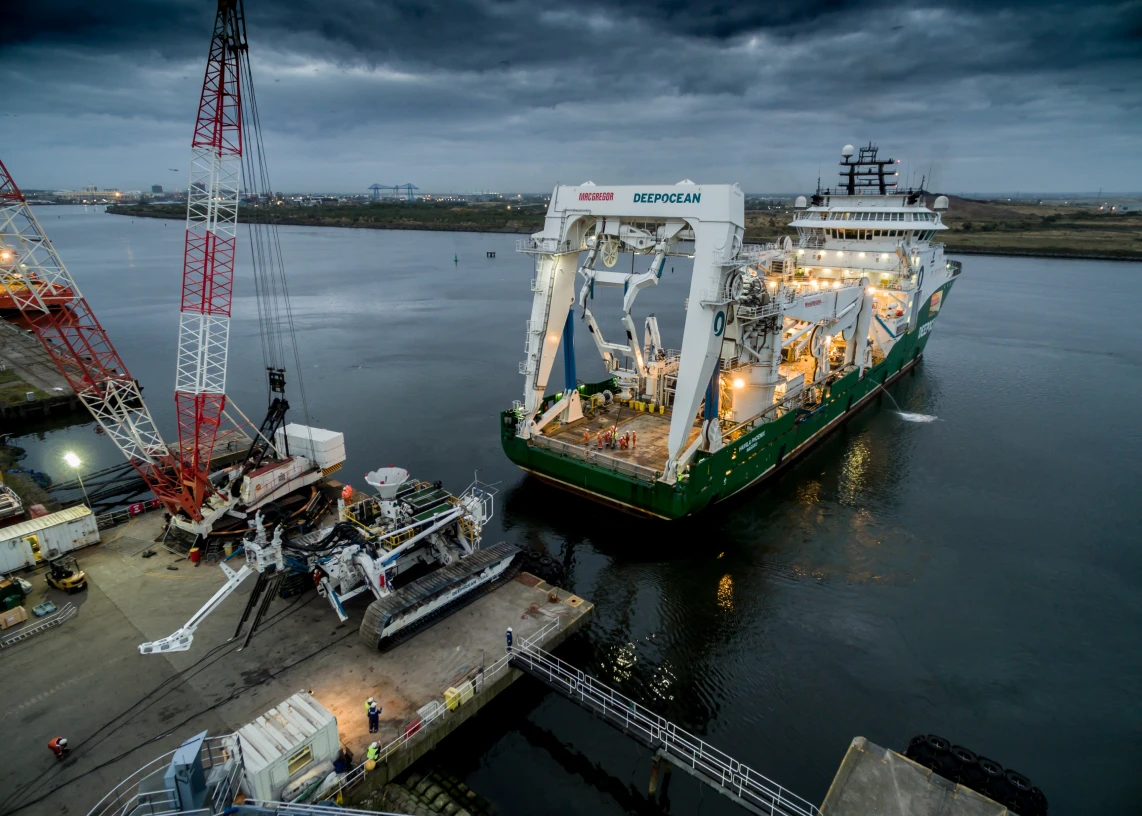
The platform supports a broad range of shore power and vessel charging requirements, from large grid-connected installations to smaller and more complex shore power bank, energy storage and weak-grid applications.
- Vessel Newbuilds Marine electrical installation and vessel electrical commissioning for newbuild projects, covering power, control, communications and auxiliary systems through to testing and handover.
- Retrofit & Life-Extension Projects Removal of obsolete equipment and integration of replacement systems into existing vessels, where access, downtime and commissioning periods are often tightly controlled.
- Offshore Construction & Vessel Mobilisation Electrical installation and offshore electrical commissioning for specialist construction equipment, deck machinery, cable-lay systems and temporary mobilisation packages.
- Subsea Cable & Offshore Wind Projects Marine cable installation, termination and testing for offshore power and fibre-optic systems, including subsea cable work for offshore wind applications.
How It Works
From Vessel Generation to Shore Power
QuayPower™ manages the connection, synchronisation and controlled transfer of the vessel's electrical load from onboard generation to the shore supply.
Step 001
Vessel Arrives Under Onboard Power
The vessel arrives alongside with its diesel generators operating normally and supplying its onboard electrical network.
Step 002
Connect to Shore Power
The shore power connector is deployed and connected to the vessel. Depending on the installation, this can be manual, semi-automated or fully automated and controlled from either the bridge or quayside.
Step 003
Synchronise Electrical Networks
The shore power converter automatically synchronises with the vessel's electrical network before the two systems are electrically connected.
Step 004
Transfer the Vessel Load
With shore power and the vessel generators temporarily operating in parallel, the onboard generators are gradually unloaded as electrical demand transfers to the shore supply.
Step 005
Operate on Shore Power
Once the vessel's load is fully supported from shore, its generators can be disconnected. The sequence is reversed when transferring back to onboard generation before departure.
Technical Specifications
QuayPower™ Capabilities
QuayPower™ is configured around the electrical infrastructure, vessel requirements, connection method and available energy sources of each project rather than relying on a single fixed configuration.
- System type Modular containerised shore-to-ship power conversion and charging
- Power capacity From a few hundred kW through to multi-MW configurations, project dependent
- Deployment Existing quaysides, ports and harbours; modular and relocatable architecture
- Vessel connection Manual, semi-automated or fully automated
- Energy integration Grid, renewable generation, energy storage and microgrid capability
- Digital functions Remote visualisation, data analytics, energy usage billing, diagnostics and maintenance access
Share your vessel type, operating profile, project location and offshore power-transfer requirements with MJR.
Shore Power
Projects
Explore projects demonstrating MJR's capability in electrical power conversion, vessel integration, energy storage and marine electrification.
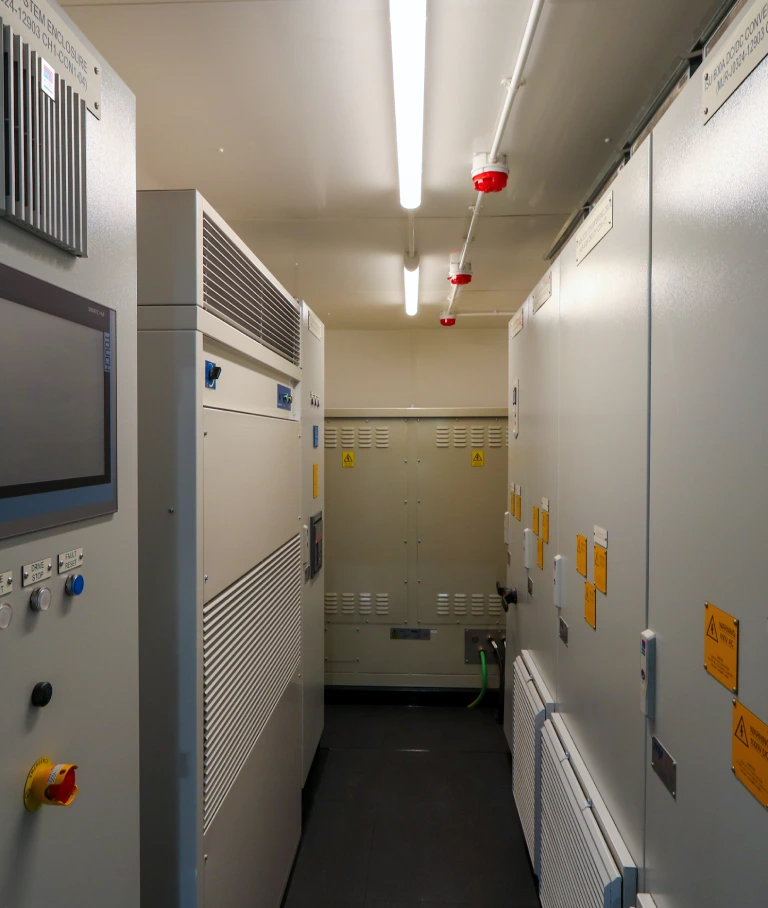
MJR Power & Automation delivered a 350kW containerised shore charging system for ORE Catapult, providing DC charging to hybrid and electric CTVs through two 250kW water-cooled connectors. A quayside HMI handles vessel authorisation, state of charge and billing, while a remote web portal gives operators live data, booking and monitoring of charging operations.
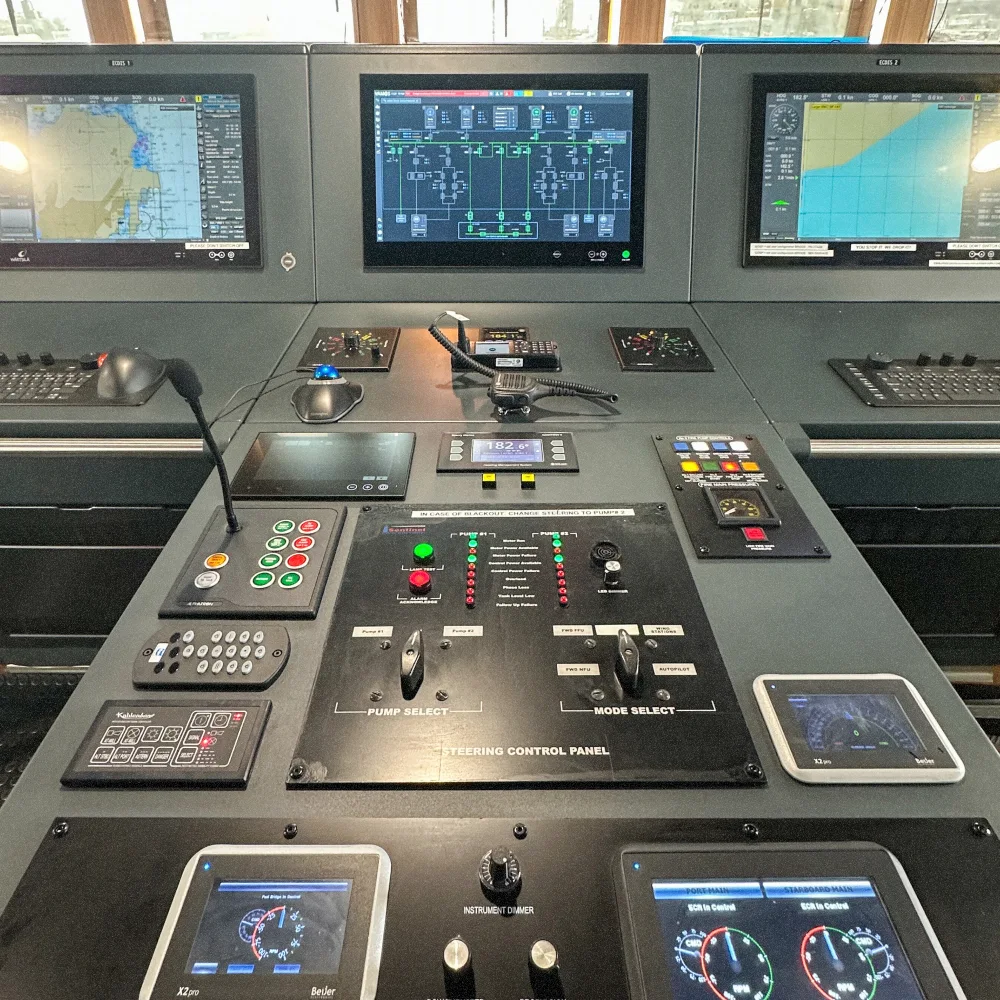
VAMOS the marine automation platform for vessel control, alarms, monitoring, power management and operational visibility.
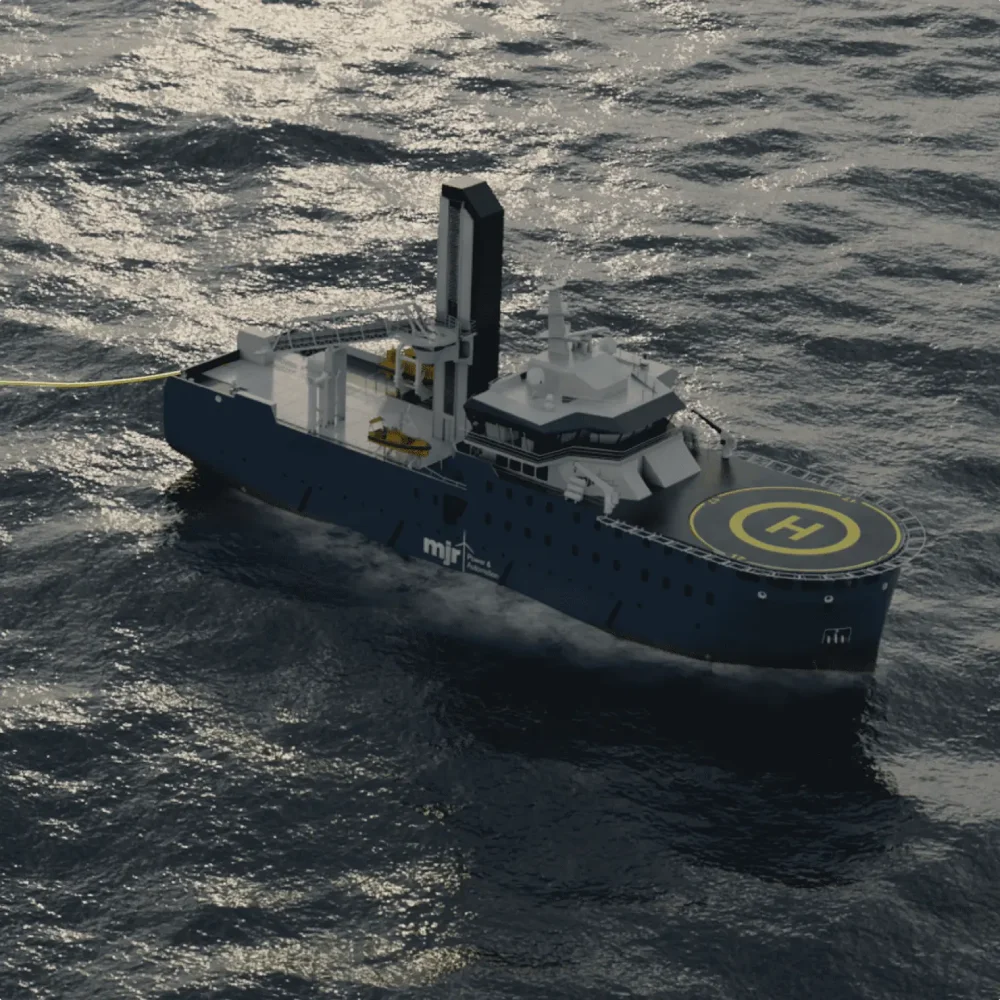
Offshore vessel charging and power-transfer technology for offshore wind vessels and remote marine operations.
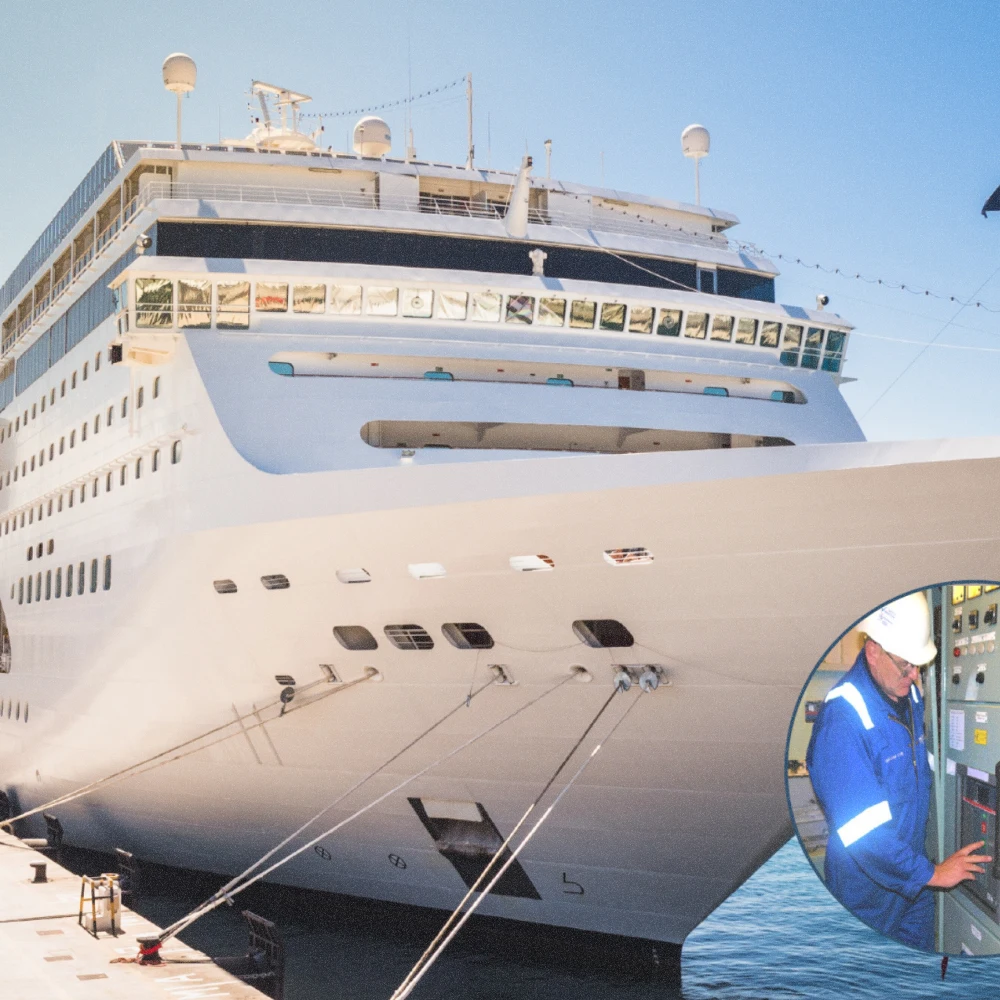
QuayPower™ shore power systems providing integrated shore-to-ship electrical power for vessels in ports and harbours.
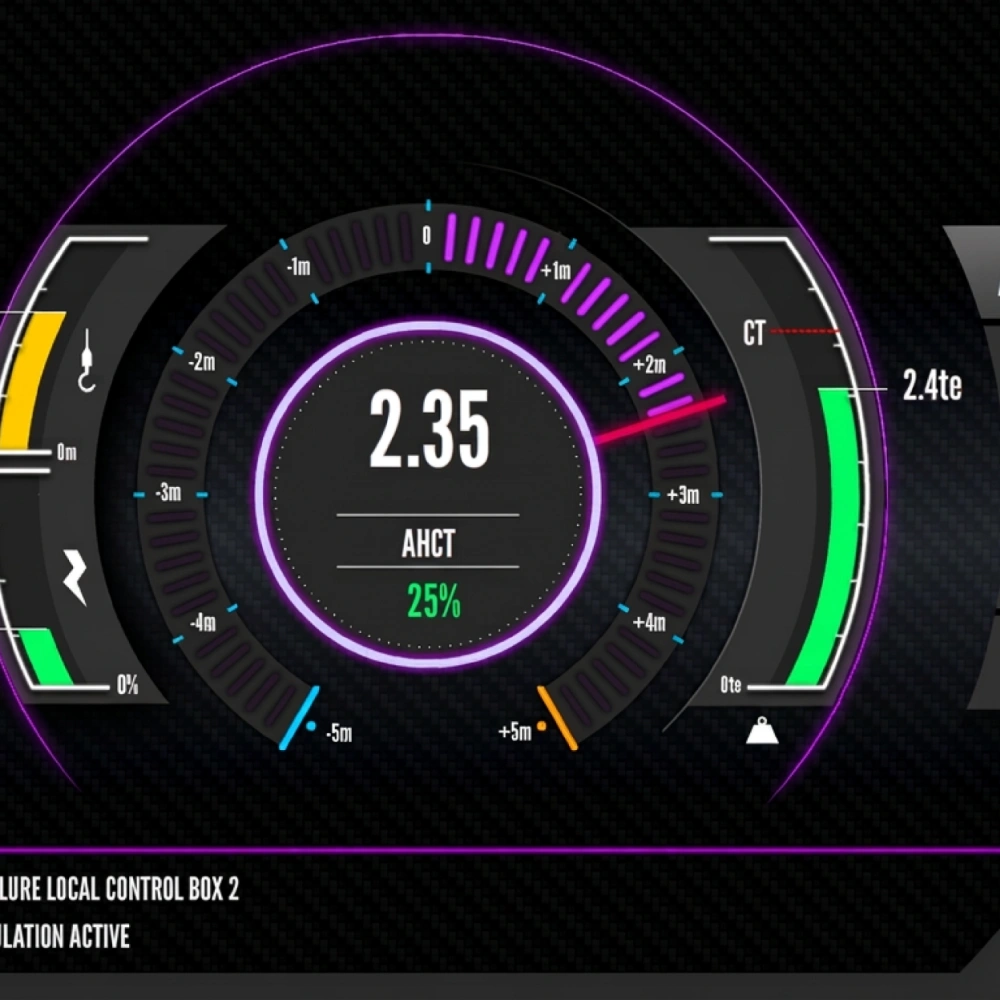
X-Wave™ active heave compensation technology for offshore lifting, launch and recovery, and subsea operations.
Shore Power Questions We Get Asked Most
Find answers to common questions about MJR’s Shore Power and QuayPower™ systems, including how shore-to-ship power works, how systems can be integrated into existing ports and berths, available vessel connection options, energy storage and microgrid integration, power transfer, monitoring and remote support.