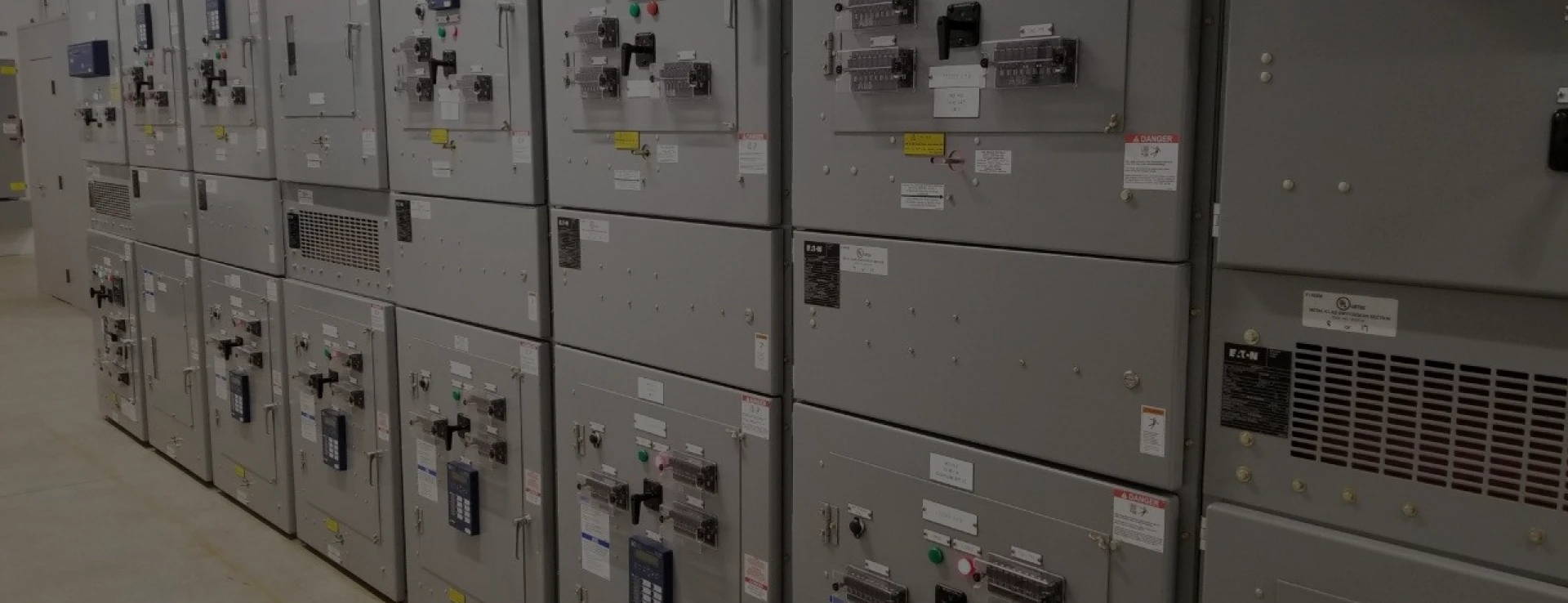
Bespoke 3.3kV ROV Distribution Switchboard
MJR delivered a compact 3.3kV ROV switchboard with adjustable voltage, motor protection and monitoring for installation within an ISO 10ft offshore container.
Project Overview
Compact high-voltage distribution for a work-class ROV
An undisclosed subsea vehicle manufacturer required a bespoke 3.3kV power distribution system for a newbuild work-class ROV, with an operating-depth requirement of up to 5,000 metres. The equipment had to accommodate different umbilical lengths within an ISO 10ft offshore container. The completed switchboard was delivered to a customer in Europe.
MJR designed and manufactured the high-voltage switchboard to supply and protect the subsea hydraulic power unit and electronics pod. The package brought together voltage adjustment, motor protection and monitoring controls in a compact assembly, with documentation and factory acceptance testing included in the delivery.
Project significance
The project combined protection of the ROV’s subsea electrical loads with flexibility for different deployment configurations, while addressing the restricted container footprint and the need to preserve high-voltage clearances.
The Challenge
Preserving high-voltage clearances in a restricted footprint
The entire assembly had to fit within an ISO 10ft offshore container without compromising high-voltage clearances. Compactness therefore had to be considered alongside electrical separation, rather than achieved simply by placing components closer together. The enclosure constraint applied to the complete package, including the transformer, protection equipment and monitoring controls.
Accommodating voltage drop across different umbilicals
Different umbilical lengths created voltage-drop challenges between the topside supply and subsea loads. The distribution system needed a means of adjusting voltage to suit these changing configurations, rather than being designed around a single cable length. This requirement had to be addressed within the same restricted container footprint.
Monitoring equipment that is difficult to recover
Recovery of subsea motors for inspection is difficult, making effective topside monitoring important. For this application, protection and monitoring needed to complement the delivery of power to the subsea equipment. Alarms and system information would provide a topside means of observing electrical conditions, rather than relying solely on physical access for inspection.
Scope of Work
A complete switchboard and protection package
MJR’s scope covered the design and manufacture of a bespoke high-voltage switchboard supplying and protecting the subsea hydraulic power unit and electronics pod. The package included the associated voltage-adjustment, protection and monitoring functions, together with documentation and factory acceptance testing.
- Bespoke 3.3kV ROV distribution switchboard for the ISO 10ft offshore container.
- Multi-tap step-up transformer providing voltage adjustment for umbilicals up to 6,000 metres.
- Motor protection incorporating insulation monitoring, earth-continuity monitoring, thermal protection and overcurrent safeguards.
- PLC and HMI providing alarms and system monitoring.
- Assembly documentation and factory acceptance testing before shipment.
Solutions Delivered
Adjustable voltage for changing umbilical lengths
The package incorporated a multi-tap step-up transformer, allowing voltage adjustment to accommodate umbilicals up to 6,000 metres. Transformer taps provide selectable voltage ratios; this gives a means of accounting for the voltage drop associated with different cable lengths. For the ROV system, the arrangement addressed a variable deployment requirement rather than limiting the distribution package to one umbilical configuration.
Complementary safeguards for subsea motors
Motor protection combined insulation and earth-continuity monitoring with thermal protection and overcurrent safeguards. These functions address different electrical conditions: insulation monitoring assesses insulation condition relative to earth, while earth-continuity monitoring checks the continuity of the protective earth path. Thermal and overcurrent protection address overheating and excessive current respectively. Together, these functions provided the specified protection package for equipment whose subsea location makes physical inspection difficult.
Topside alarms and system visibility
A PLC and HMI provided alarms and system monitoring. The PLC supported the monitoring functions, while the HMI provided the operator interface for system information and alarms. This complemented the electrical safeguards by making monitoring information available topside, where it could support assessment of the subsea equipment without requiring physical inspection for every indication.
Delivery & Approval
Design, manufacture and testing within eight weeks
The switchboard was designed, manufactured and factory acceptance tested within eight weeks of order placement. Factory acceptance testing took place before shipment to the European customer, placing testing within the pre-shipment delivery sequence.
The assembly was documented and integrated into the client’s wider ROV system without reported rework. This extended the delivery beyond manufacture of the standalone switchboard to its incorporation into the wider electrical system, with documentation forming part of the supplied package.
Technical Summary
- Application: Newbuild work-class ROV electrical power system.
- Distribution and loads: Bespoke 3.3kV distribution switchboard supplying and protecting the subsea hydraulic power unit and electronics pod.
- Depth requirement: ROV operating-depth requirement of up to 5,000 metres.
- Packaging constraint: Entire assembly to fit within an ISO 10ft offshore container without compromising HV clearances.
- Voltage adjustment: Multi-tap step-up transformer allowing voltage adjustment for umbilicals up to 6,000 metres.
- Motor protection: Insulation monitoring, earth-continuity monitoring, thermal protection and overcurrent safeguards.
- Controls and monitoring: PLC and HMI providing alarms and system monitoring.
- Programme and testing: Design, manufacture and factory acceptance testing completed within eight weeks of order placement; testing performed before shipment.
- Documentation and integration: Documented assembly integrated into the client’s wider ROV system without reported rework.
Project Outcomes
A compact package for different deployment configurations
The project delivered a compact, tested 3.3kV switchboard suitable for different subsea deployment configurations. Its adjustable transformer arrangement accommodated the specified range of umbilical lengths, while the protection and monitoring functions supported the intended subsea application.
Programme completion and wider-system integration
Design, manufacture and factory acceptance testing were completed within eight weeks of order placement, and the documented assembly was integrated into the client’s wider ROV system without reported rework. This delivery brought together high-voltage engineering, equipment protection and manufacture within the project’s space and programme constraints.
Gallery


Share your vessel, equipment and interface requirements with MJR.
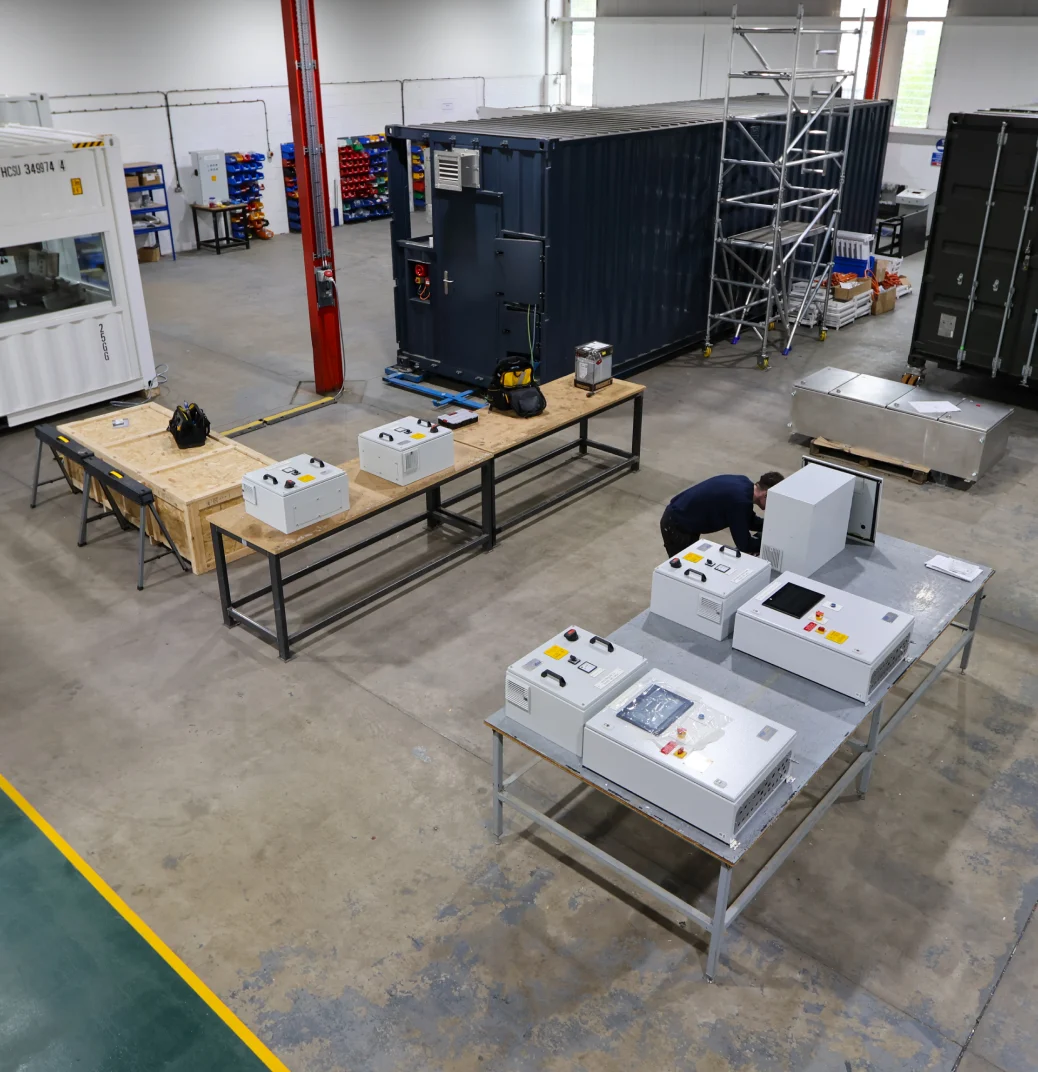
Integrated electrical power, switchboard, control and automation systems engineered, built and tested for demanding marine and offshore applications.
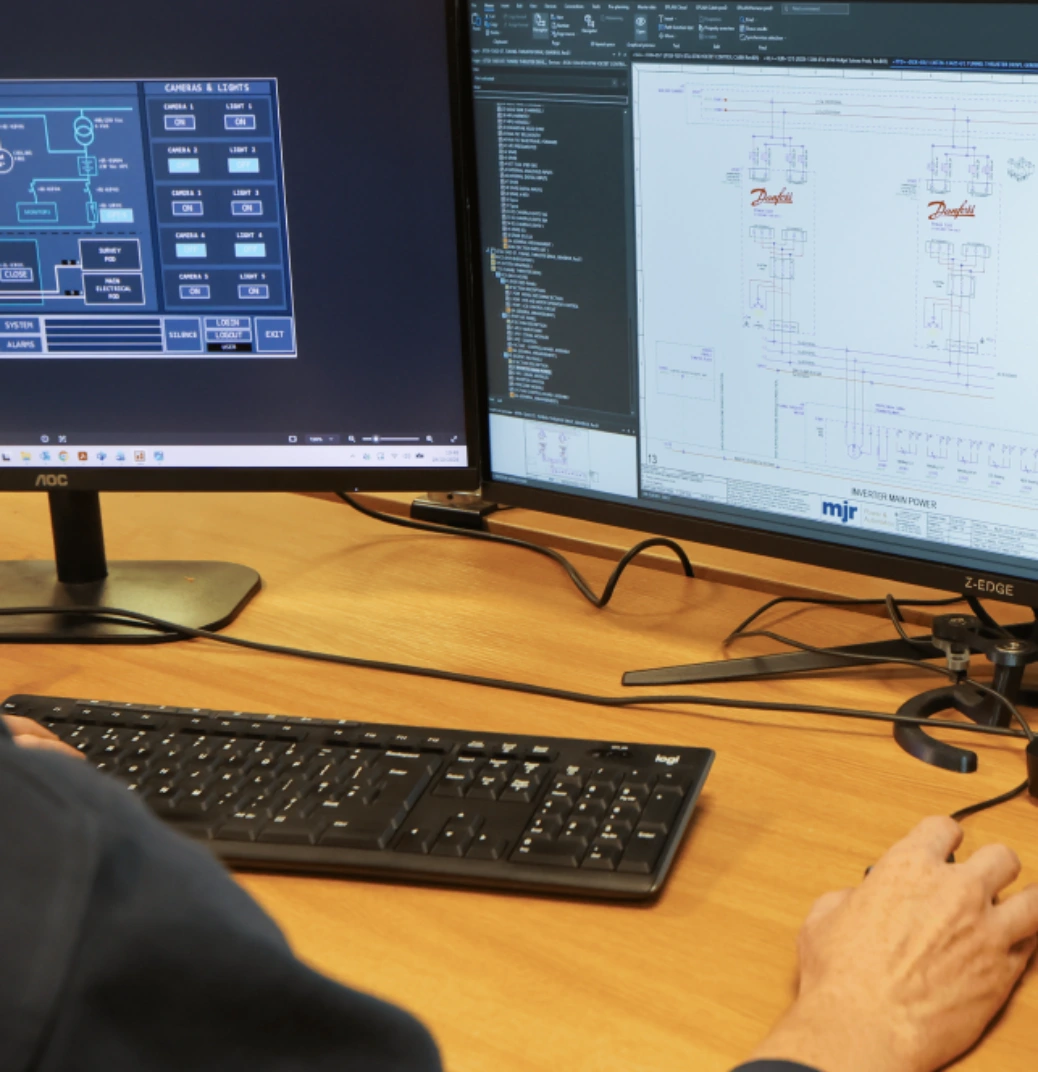
Marine electrical design, FEED studies, calculations and system engineering developed around vessel, offshore and project requirements.
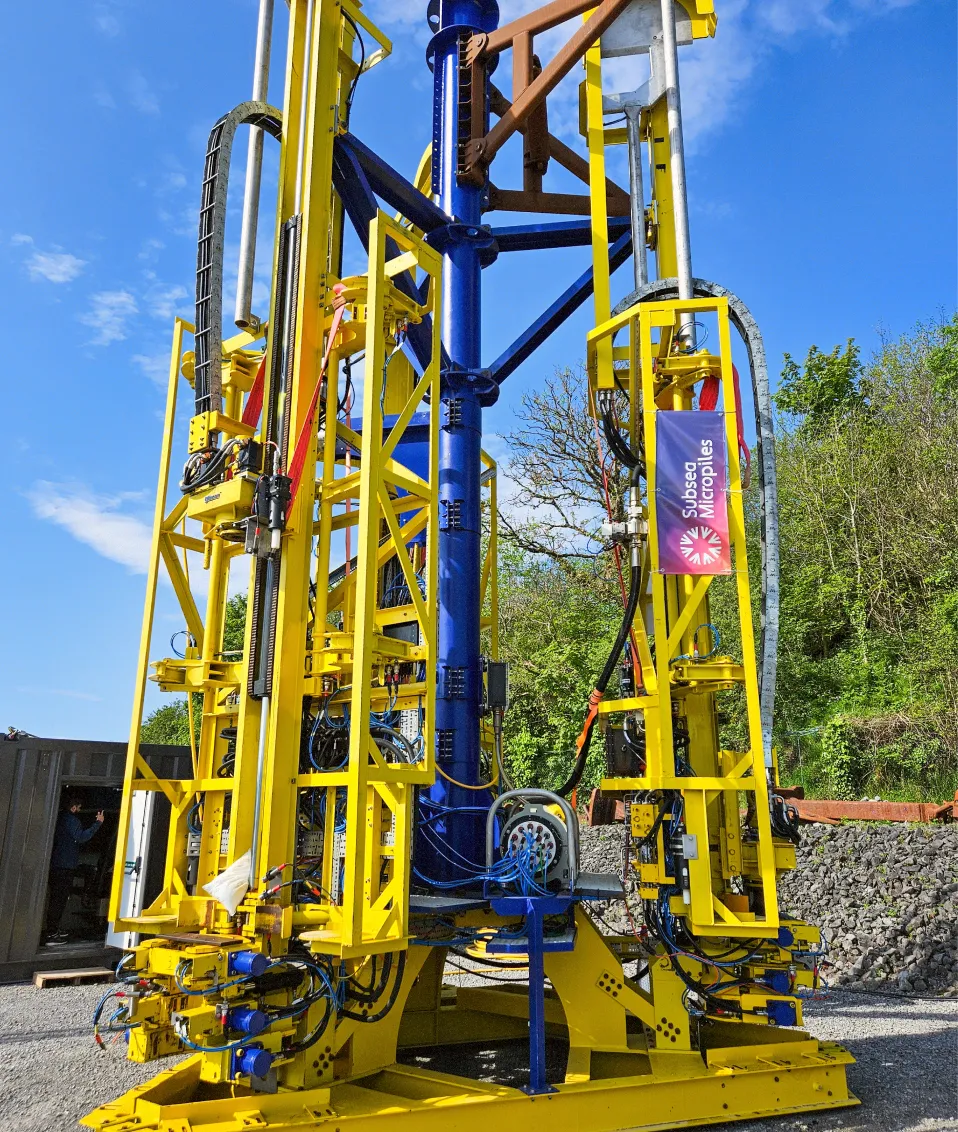
Integrated subsea power and control systems for ROVs, trenchers, ploughs, cable-lay equipment and specialist offshore and subsea machinery.
Sectors we are Powering
Follow MJR project updates, company news and technical insight covering marine electrical engineering, automation, shore power, offshore vessel charging and vessel electrification.
Show how MJR designs, installs, commissions and supports product systems.
Relevant Project Experience
Explore MJR projects involving vessel automation, monitoring, control and power management across newbuild, retrofit and upgrade programmes.
Project questions
Questions and answers about 3.3kV ROV Switchboard.