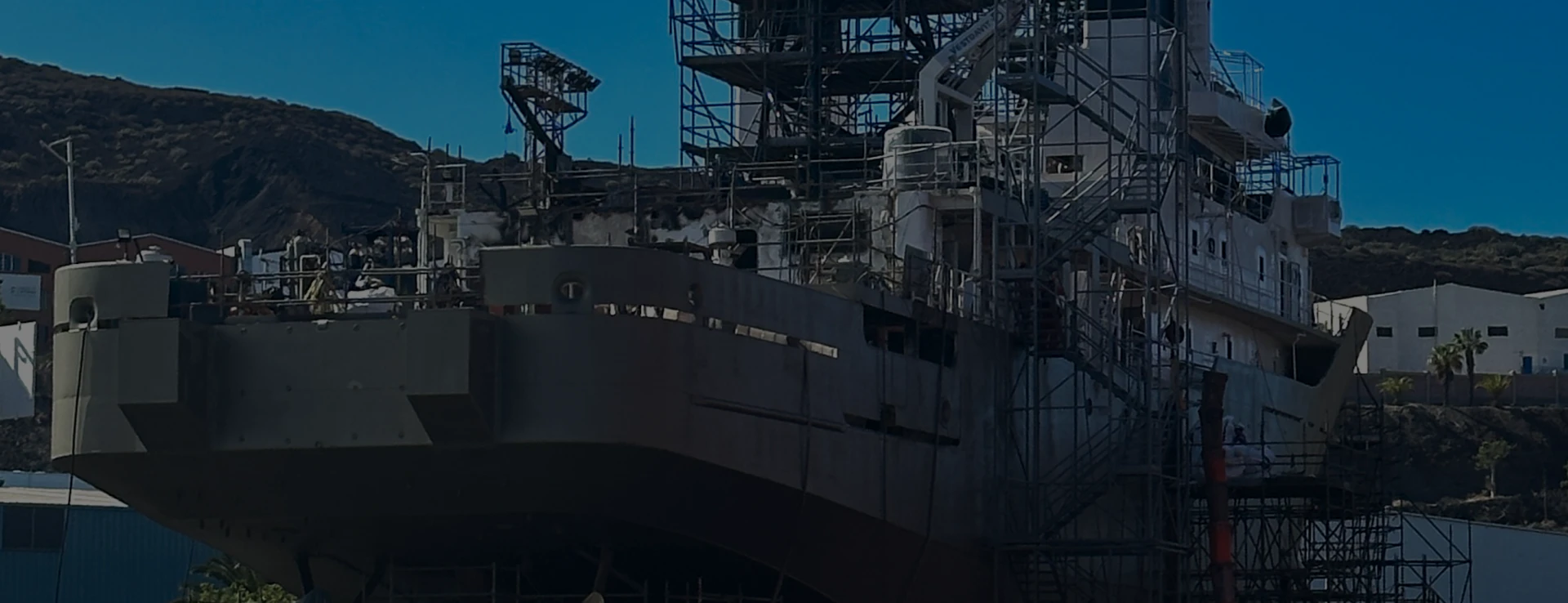
Shipyards and Newbuilds
Shipyard electrical engineering from concept and detailed design through switchboard construction, automation, onboard installation and commissioning for newbuild vessels.
Sector Overview
Electrical Engineering That Connects Design, Build and Vessel Delivery
Newbuild programmes require electrical power, propulsion, automation and control systems to be engineered as part of the wider vessel from the outset. Equipment selection, load requirements, interfaces, classification requirements, installation routes and vessel operating philosophy all influence the final electrical architecture.
MJR works with shipyards, naval architects, vessel owners and project teams across the newbuild lifecycle. Support can include system specifications, electrical architecture, single-line diagrams, calculations and detailed design through to switchboard and control-panel construction, power management, automation, installation, integration, testing and commissioning. MJR's newbuild capability also covers common AC and DC bus systems, variable-speed generation, hybrid and electric power, energy storage and shore or offshore charging integration.
Who MJR supports Shipyards, naval architects, vessel designers, project managers, vessel owners, operators and procurement teams requiring a specialist marine electrical engineering partner for a complete newbuild package or a defined electrical, power or automation work scope.
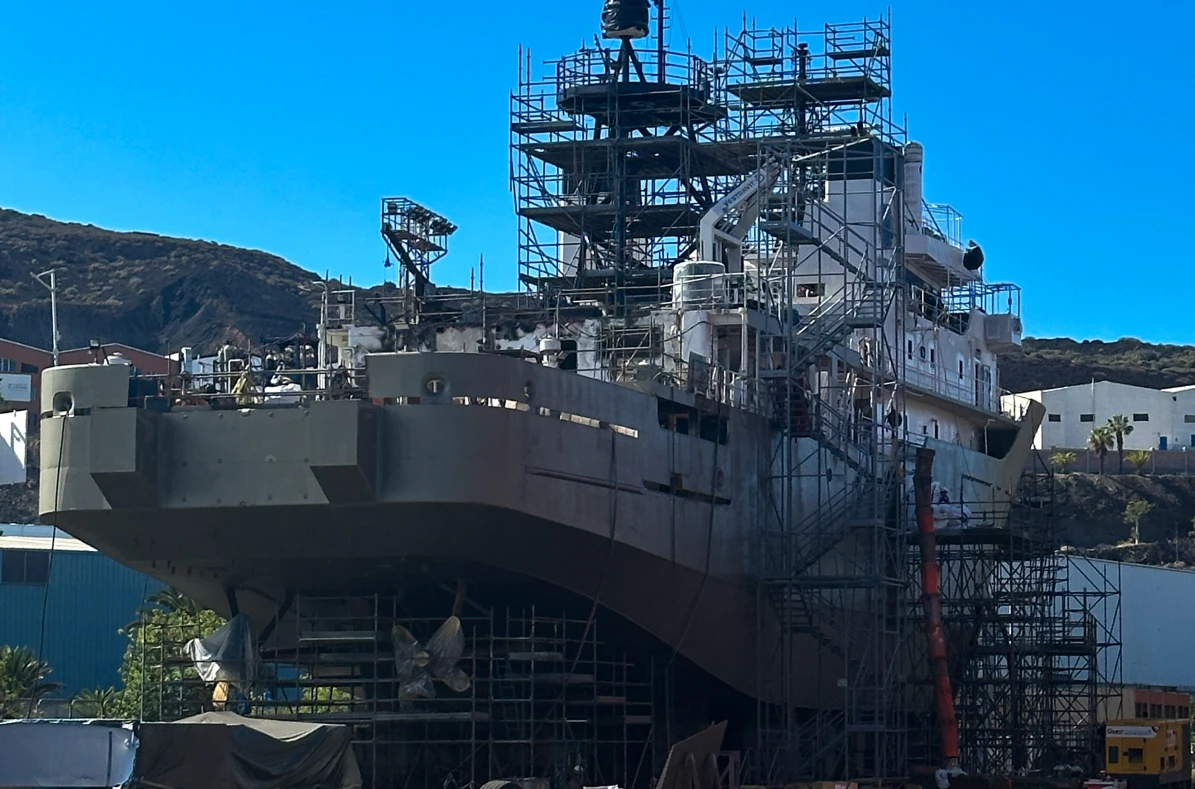
Sector Challenges
Coordinating Complex Electrical Systems Within the Newbuild Programme
A successful vessel electrical package depends on more than individual pieces of equipment. Power generation, distribution, propulsion, automation, auxiliary systems and third-party equipment need to be coordinated around the vessel design and build programme.
Greater Layout Flexibility
Cabling operating modes, technical requirements, interfaces and project constraints.
Improved Damage Resilience
Combining electrical power, automation and electronics engineering within one coordinated scope.
Higher Reliability
Using calculations, studies and structured review to protect system integrity.
More Efficient Operation
Maintaining technical knowledge from initial concept through build, installation and commissioning.
Lower Emissions and Noise
Integrating efficient power generation, hybrid and electric technologies to reduce fuel consumption, emissions and onboard noise.
Sector Benefits
Reducing Interfaces from Design Through to Commissioning
Keeping electrical design, construction, automation and installation connected gives shipyards and vessel owners a clearer engineering route from the original specification through to an operational vessel.
Coordinated System Engineering
Power generation, distribution, propulsion, automation and control can be considered together rather than developed as disconnected work packages.
Build-Ready Engineering
Detailed drawings, calculations, specifications and interface information give workshop and vessel-installation teams the information needed to progress construction and integration.
Integrated Testing
Switchboards, control systems, software and associated equipment can be assembled and tested before final onboard integration, helping identify interface issues earlier in the delivery programme. MJR's project history includes factory acceptance testing with client and class before vessel installation.
Continuity Through Installation
The engineering knowledge developed during design and construction remains available during onboard installation, commissioning and troubleshooting.
How MJR Supports the Sector
A Connected Engineering Route from Specification to Handover
MJR can operate as a specialist subcontractor for a defined system or provide a wider electrical engineering package covering design, construction, installation and commissioning.
Consultancy & Design
Marine electrical design and consultancy covering system specifications, FEED, electrical architecture, single-line diagrams, load analysis, protection studies, automation philosophy, FMEA/FMECA and classification approval support.
Engineering & Construction
Engineering and manufacture of marine electrical systems including LV and MV switchboards, MCCs, power management systems, propulsion and dynamic-positioning equipment, integrated automation, control panels and associated power-conversion equipment.
Installation & Commissioning
Onboard electrical installation, power and control cabling, termination, equipment integration, testing and commissioning, with support for systems installed alongside other vessel and third-party equipment.
Service, Repair & Testing
Post-delivery support covering switchboards, generators, transformers, drives, converters, automation systems and wider marine electrical equipment, providing continuity beyond vessel commissioning.
Typical Applications
Applied across new-build, retrofit and vessel-upgrade programmes
MJR can deliver individual systems or coordinate multiple electrical disciplines as part of a wider vessel newbuild package.
Power Generation & Distribution
Generation architecture, main and auxiliary switchboards, distribution boards, MCCs, generator protection, power management and associated electrical protection and control.
Propulsion & Hybrid Power
Electric propulsion drives, propulsion control, hybrid and fully electric architectures, battery energy storage and integration with vessel power-management systems.
Automation & Vessel Control
Integrated vessel automation, alarm and monitoring, power management, machinery control, propulsion control, bilge and ballast, safety systems and third-party equipment interfaces.
Auxiliary & Vessel Systems
Electrical integration for communications, instrumentation, navigation, hotel and auxiliary power, specialist deck equipment and other vessel-specific systems required within the newbuild scope.
Share your vessel specification, electrical architecture, automation, propulsion or installation requirements with MJR.
The Questions We Get Asked Most
Answers to common questions from shipyards, naval architects and vessel owners planning new electrical power, propulsion and automation systems.