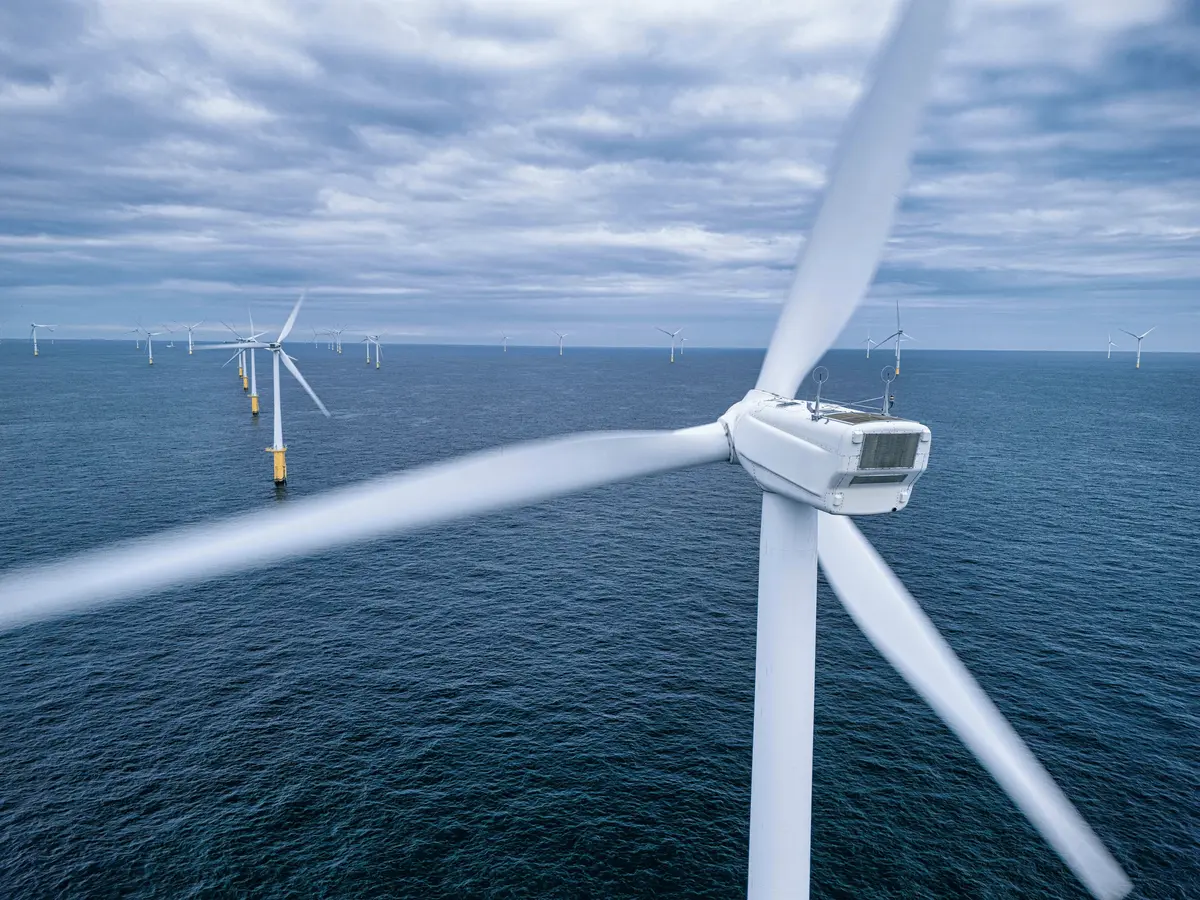
Offshore Wind
Offshore wind electrical engineering for CTVs, SOVs and offshore infrastructure integrating vessel charging, electrical power, energy storage, automation and control for offshore operations.
Sector Overview
Electrical Power and Charging Systems for Offshore Wind Operations
Offshore wind farms rely on vessels, electrical infrastructure and specialist offshore equipment throughout construction, operation and maintenance. As CTV and SOV fleets move towards hybrid and fully electric propulsion, reliable access to offshore power, charging, energy storage, automation and control becomes increasingly important.
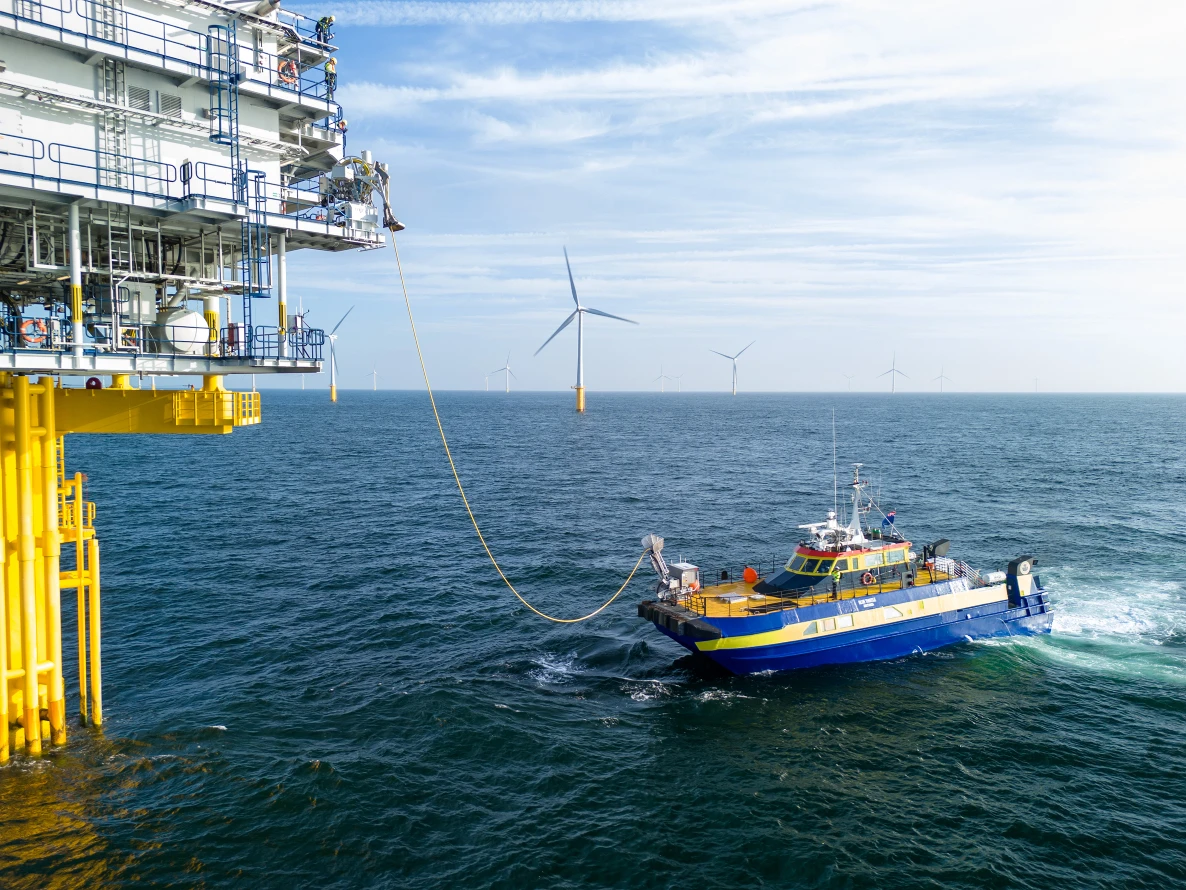
MJR supports offshore wind developers, vessel operators and offshore contractors with integrated electrical engineering across vessel and offshore infrastructure. Capability includes offshore vessel charging, hybrid power, energy storage, power conversion, automation, monitoring and associated electrical systems from early engineering and integration through construction, installation and commissioning. MJR's offshore charging technology has progressed from harbour testing at the Port of Blyth to live offshore trials at Parkwind's Nobelwind wind farm.
Who MJR supports Offshore wind developers, asset owners, crew transfer vessel operators, service operation vessel operators, shipyards, O&M contractors and offshore engineering teams requiring electrical power, charging, automation or specialist offshore systems.
Sector Challenges
Solving the Power, Charging and Integration Challenges of Offshore Wind
Electrifying offshore operations involves more than installing batteries onboard a vessel. Charging availability, power conversion, vessel interfaces, offshore structures, control systems and safety functions all need to operate as one coordinated system.
Offshore Charging Access
Electric and hybrid offshore vessels need practical access to power while operating in the field. Returning to port purely for charging can restrict the operational flexibility and range that electrification is intended to provide.
Vessel & Infrastructure Integration
Charging systems must interface with vessel battery and propulsion systems while also integrating with wind turbines, offshore substations or other offshore structures and their available electrical supplies.
Harsh Offshore Conditions
Electrical, mechanical and control equipment must operate reliably in a demanding offshore environment while supporting controlled cable deployment, vessel movement and repeated connection cycles.
Safe Connection & Disconnection
Offshore charging requires coordinated vessel identification, connection, mooring, charging control, overload protection and emergency-release functions. MJR's harbour and offshore trial programmes have demonstrated these integrated functions.
Operational Control & Visibility
Vessel crews and wind farm operators need clear visibility of charging status, power transfer, vessel position and system health from both vessel-side and wind farm control environments.
Sector Benefits
Supporting More Efficient and Lower-Emission Offshore Operations
Connecting offshore vessels directly to renewable power can extend the practical use of electric and hybrid propulsion while giving operators greater control over vessel charging and offshore energy use.
Charge Where Vessels Operate
Offshore charging enables vessels to receive power within the wind farm rather than relying solely on shoreside charging infrastructure. MJR's system has demonstrated live power transfer from an operational offshore wind farm to a CTV.
Support Hybrid & Electric Fleets
Charging infrastructure can support the transition towards battery-electric and hybrid CTVs, SOVs and other offshore support vessels while integrating with onboard propulsion and energy storage systems.
Reduce Generator Dependence
Offshore power can also be supplied to support vessels while standing by, allowing onboard generator use to be reduced where the vessel and operating arrangement permit it.
Integrated Operational Visibility
Real-time monitoring can provide vessel crews and wind farm operators with visibility of charging status, power transfer, battery performance, vessel position and overall system health.
How MJR Supports the Sector
A Connected Engineering Route from Concept to Offshore Operation
MJR combines marine electrical engineering with offshore power, automation and control capability, allowing individual work packages or complete integrated systems to be developed around the vessel, offshore asset and operating requirement.
Consultancy & Design
FEED, concept and detailed electrical engineering for offshore power, vessel charging, energy storage and automation systems, including system modelling, electrical studies, specifications, FMEA/FMECA and classification support where applicable.
Engineering & Construction
Engineering and construction of power conversion, switchboards, control panels, energy storage, automation and modular electrical systems for new and retrofit marine and offshore applications.
Installation & Commissioning
Installation, integration, testing and commissioning of marine and offshore electrical systems, connecting power, control, communications and third-party equipment into a complete operational system.
Service, Repair & Testing
Lifecycle support covering testing, fault diagnosis, repair, upgrade and retrofit of MJR and third-party electrical and control systems used across marine and offshore operations.
Typical Applications
Power, Charging and Control Across Offshore Wind Operations
MJR's offshore wind electrical engineering capability supports vessels and infrastructure throughout offshore construction, operations and maintenance.
Crew Transfer Vessels
Offshore power and charging for electric and hybrid CTVs, integrating vessel battery systems, propulsion interfaces, charging controls and operator monitoring.
Service Operation Vessels
Higher-power offshore charging and electrical supply for SOVs and other larger offshore support vessels as vessel fleets move towards hybrid and electric operation. MJR's current Offshore Power & Charging platform explicitly supports development for larger SOV applications.
Offshore Turbines & Substations
Charging infrastructure integrated with offshore wind turbines, substations, dedicated monopiles and other fixed or floating offshore structures, using locally generated renewable power.
Offshore & Subsea Systems
Electrical power, automation and control for offshore support equipment, subsea systems, cable installation equipment and specialist offshore machinery operating alongside wind farm construction and maintenance programmes. MJR's existing automation capability covers equipment including winches, LARS, ROVs, trenchers and specialist handling systems.
Share your vessel, charging infrastructure, power, energy storage or control requirements with MJR.
The Questions We Get Asked Most
Answers to common questions from offshore wind developers, vessel operators and engineering teams planning power, charging and electrification projects.