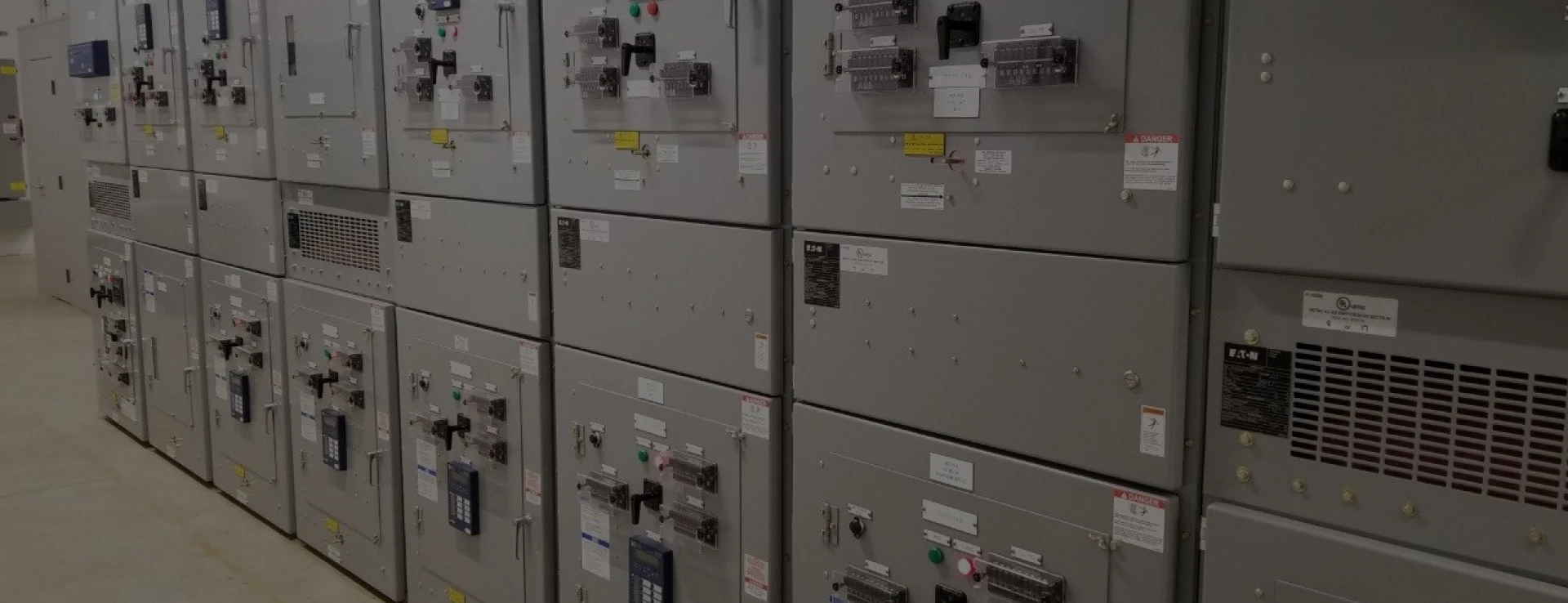
HV ROV Distribution Switchboard
Design and Construction — 3.3kV Subsea Power Distribution
Project Overview
MJR crafted a specialised ROV Distribution Switchboard for a top subsea vehicle manufacturer, fitting a compact ISO 10’ container.
A bespoke ROV distribution switchboard built for a leading subsea vehicle manufacturer and housed in a compact ISO 10ft container.
MJR Power & Automation designed and built a bespoke ROV distribution switchboard for a leading subsea vehicle manufacturer. The switchboard provides the main 3.3kV supply and protection for the vehicle's subsea hydraulic power unit and its electronics package, known as the pod.
The system was engineered to allow the ROV to operate at depths of up to 5,000 metres, with a multi-tap high voltage step-up transformer accommodating a range of umbilical lengths up to 6,000 metres. The complete assembly had to fit within a very tight space envelope inside an ISO 10ft offshore container, alongside everything else the spread requires.
The switchboard was designed, manufactured and factory acceptance tested in eight weeks from placement of order, then shipped to the client in Europe.
Project significance A work class ROV draws its power down an umbilical that can run to six kilometres. Voltage drop over that distance, insulation integrity in a subsea environment, and protection of motors that cannot be reached for inspection are all problems that have to be solved topside, in the switchboard. This one had to solve them inside a container.
The challenge
A very tight space envelope.
The complete high voltage switchboard had to fit inside an ISO 10ft offshore container and shared with everything else the spread needs. HV switchgear requires clearance and creepage distances that cannot be compromised, so compactness had to be achieved through arrangement rather than by reducing separation.
Voltage drop across up to six kilometres of umbilical.
Umbilical length varies by deployment, and the volt drop across six kilometres of conductor is substantial. A multi-tap step-up transformer was required so the same switchboard could deliver correct voltage at the vehicle across a range of umbilical lengths.
Motors that cannot be inspected.
The subsea HPU motor sits on the seabed at up to 5,000 metres. Recovery for inspection is measured in days of vessel time, so protection has to detect developing problems from topside signals alone and act before damage occurs.
Insulation integrity in a subsea environment.
Seawater ingress into a subsea electrical circuit is the failure mode that matters most. Continuous line insulation and earth continuity monitoring were required so that a developing fault is seen while it is still developing.
Eight weeks from order to shipment.
The full cycle, design, manufacture, factory acceptance test and shipment, had to be completed in eight weeks, on a bespoke high voltage assembly. That is a compressed programme for equipment of this type.
Eight weeks from order to shipment.
The full cycle, design, manufacture, factory acceptance test and shipment, had to be completed in eight weeks, on a bespoke high voltage assembly. That is a compressed programme for equipment of this type.
Integration into someone else's system.
The switchboard had to meet stringent client requirements and integrate into the wider ROV system on arrival, which put weight on the documentation as well as the hardware.
Scope of Work
Design, Manufacture, Test and Delivery of a Bespoke HV Switchboard
- Design of a bespoke 3.3kV ROV distribution switchboard
- Engineering to fit within the space envelope of an ISO 10ft offshore container
- Main 3.3kV supply and protection for the subsea hydraulic power unit
- Supply and protection for the subsea electronics package (pod)
- Multi-tap high voltage step-up transformer for umbilical lengths up to 6,000 metres
- Subsea motor protection design
- Line insulation monitoring and earth continuity monitoring
- PLC and HMI based alarm and monitoring system
- Manufacture and assembly
- Factory acceptance testing
- Full suite of detailed project documentation
- Shipment to the client in Europe
Delivered in eight weeks from placement of order to completed FAT and shipment.
Solutions Delivered
The Distribution — 3.3kV supply for HPU and pod
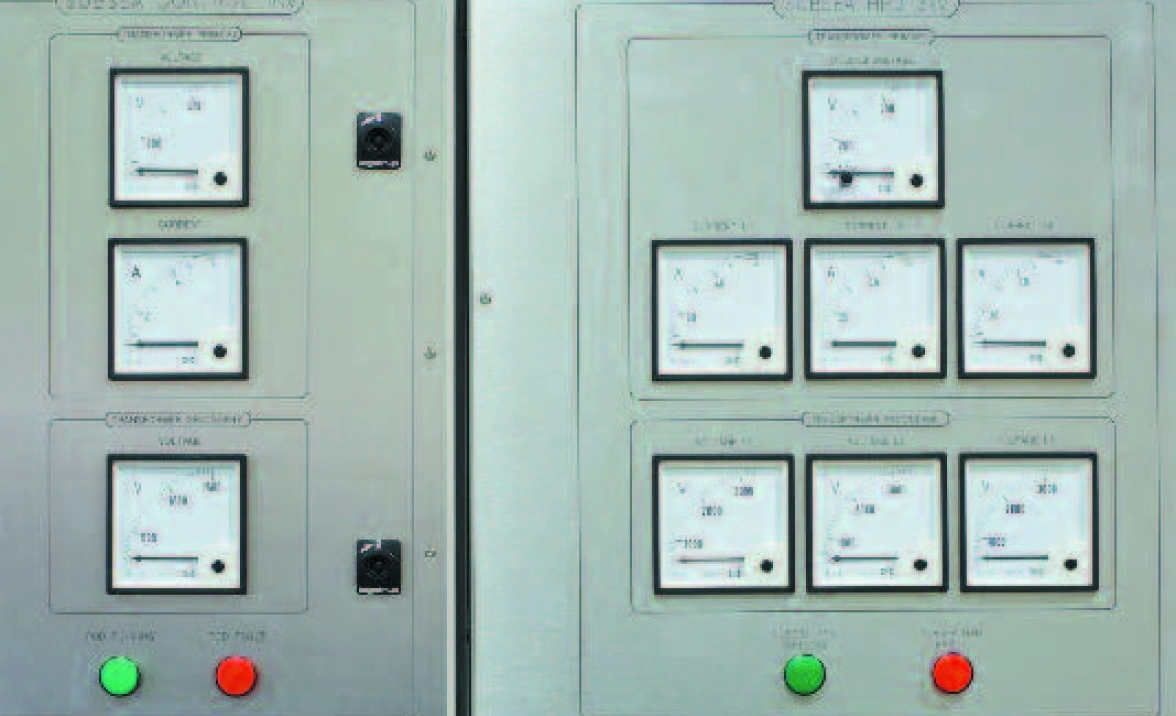
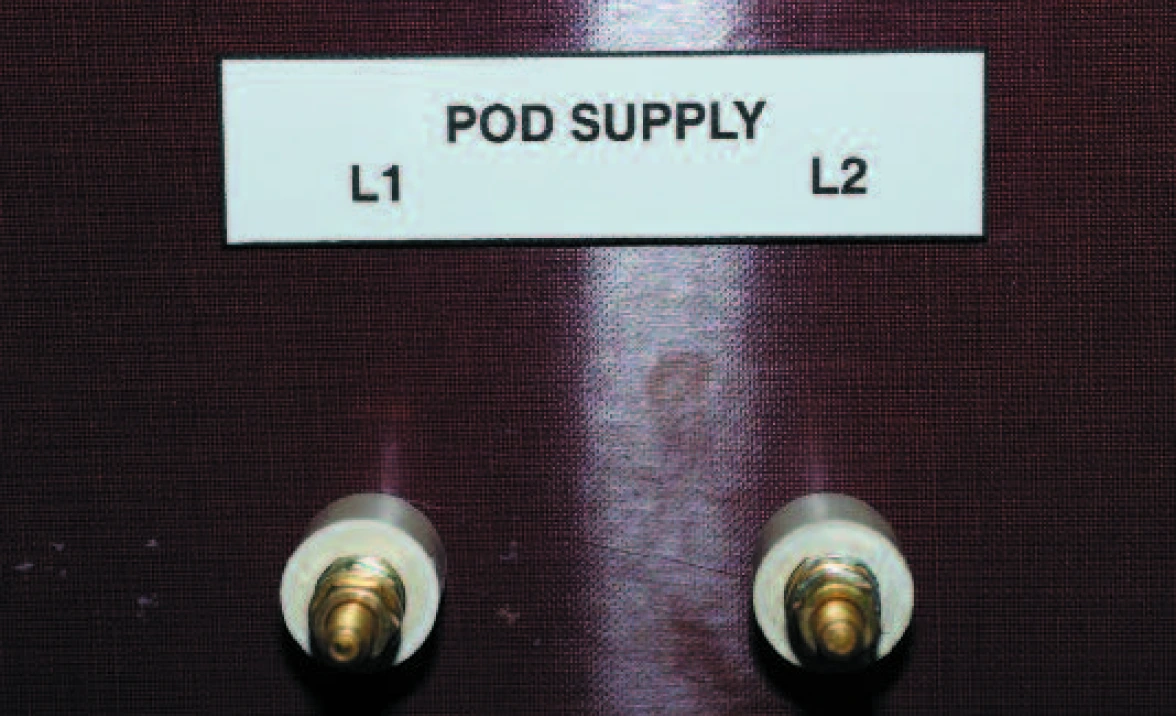
The switchboard provides the main 3.3kV supply and protection for both the vehicle's subsea hydraulic power unit and its electronics package. Separating and individually protecting these two loads means a fault on one does not take down the other, which matters when the vehicle is on the seabed and the alternative is a recovery.
The Transformer — Multi-tap for variable umbilical length
A multi-tap high voltage step-up transformer allows the system to work across umbilical lengths up to 6,000 metres. Selecting the appropriate tap compensates for the volt drop of the umbilical in use, so the vehicle receives correct voltage at depth regardless of how much cable sits between it and the vessel. It also means one switchboard design serves a range of deployments rather than being tied to a single umbilical.
The Protection — Subsea motor protection engineered in
Sophisticated subsea motor protection was designed into the switchboard, comprising:
- Line insulation monitoring
- Earth continuity monitoring
- Winding thermal protection
- Overcurrent protection
- Limited starts per hour
- Voltage protection
- Frequency protection
Taken together these address the failure modes that matter on equipment that cannot be reached: water ingress detected through insulation and earth continuity monitoring, thermal damage prevented by winding temperature protection and start limiting, and supply quality problems caught by voltage and frequency protection before they reach the motor.
The Interface — PLC and HMI alarm and monitoring
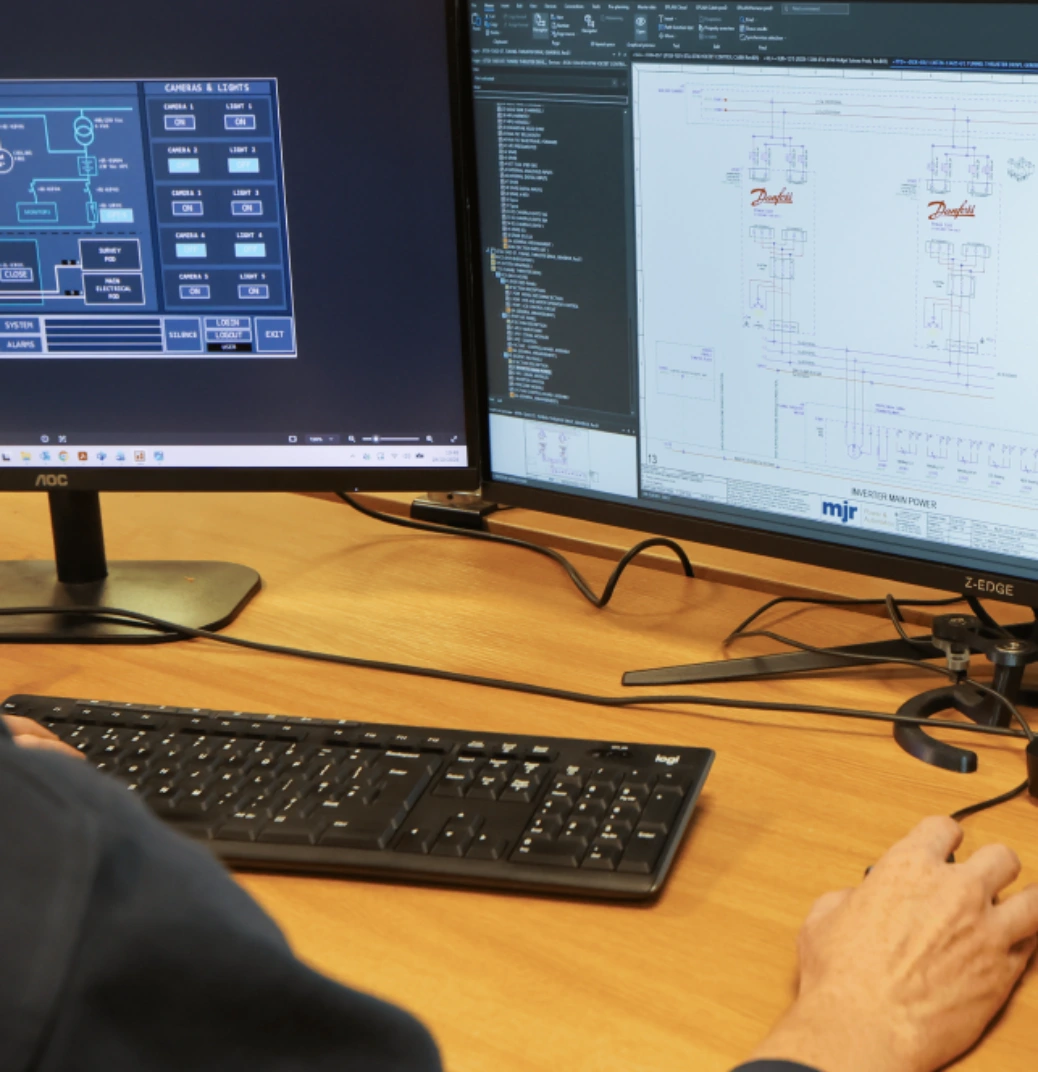
A PLC and HMI based alarm and monitoring system was provided, giving the operator an ergonomic and intuitive interface to the switchboard's status, alarms and protection functions rather than requiring interpretation of individual relay indications.
Delivery & Approval
Factory Acceptance Tested and Shipped in Eight Weeks
The switchboard was designed, manufactured and factory acceptance tested within eight weeks of order placement, then shipped to the client in Europe. The project was delivered to budget and right first time - the assembly integrated into the client's wider system without problems on arrival.
Quote — Paul Cairns, Managing Director, MJR Power & Automation:
"Yet again we have demonstrated our agility in performing under pressure. In today's tough marine and offshore marketplace, project decisions can come last minute, further compressing an already demanding schedule. Our experience and extensive back catalogue of designs and solutions allows us to work quickly and with the confidence that we can deliver on time."
Technical Summary
- Client Confidential — a leading subsea vehicle manufacturer, Europe
- Sector Offshore Construction & Subsea
- Equipment Bespoke HV ROV distribution switchboard
- Supply voltage 3.3kV
- Loads served Subsea hydraulic power unit; subsea electronics package (pod)
- Depth rating Up to 5,000m
- Umbilical length Up to 6,000m, via multi-tap HV step-up transformer
- Enclosure envelope ISO 10ft offshore container
- Motor protection Line insulation and earth continuity monitoring, winding thermal, overcurrent, limited starts per hour, voltage and frequency
- Control PLC and HMI based alarm and monitoring
- Documentation Full detailed project documentation suite
- Lead time 8 weeks, order to completed FAT and shipment
Project Outcomes.
Around seventeen years of additional service.
Eight weeks from order to shipment.
A bespoke high voltage assembly designed, built, tested and shipped in eight weeks demonstrates capacity to deliver demanding equipment to compressed timescales.
Integrated without rework.
The switchboard met the client's requirements and integrated into the wider ROV system on arrival, supported by a full documentation suite.
High voltage engineering into a container envelope.
The design achieved the required ratings, clearances and protection functions within the space available inside an ISO 10ft offshore container.
Configurable across deployments.
The multi-tap transformer arrangement allows the same design to serve umbilical lengths up to 6,000 metres, rather than being fixed to one configuration.
Gallery

Share your vessel, equipment and interface requirements with MJR.
Marine electrical design, FEED studies, calculations and system engineering developed around vessel, offshore and project requirements.
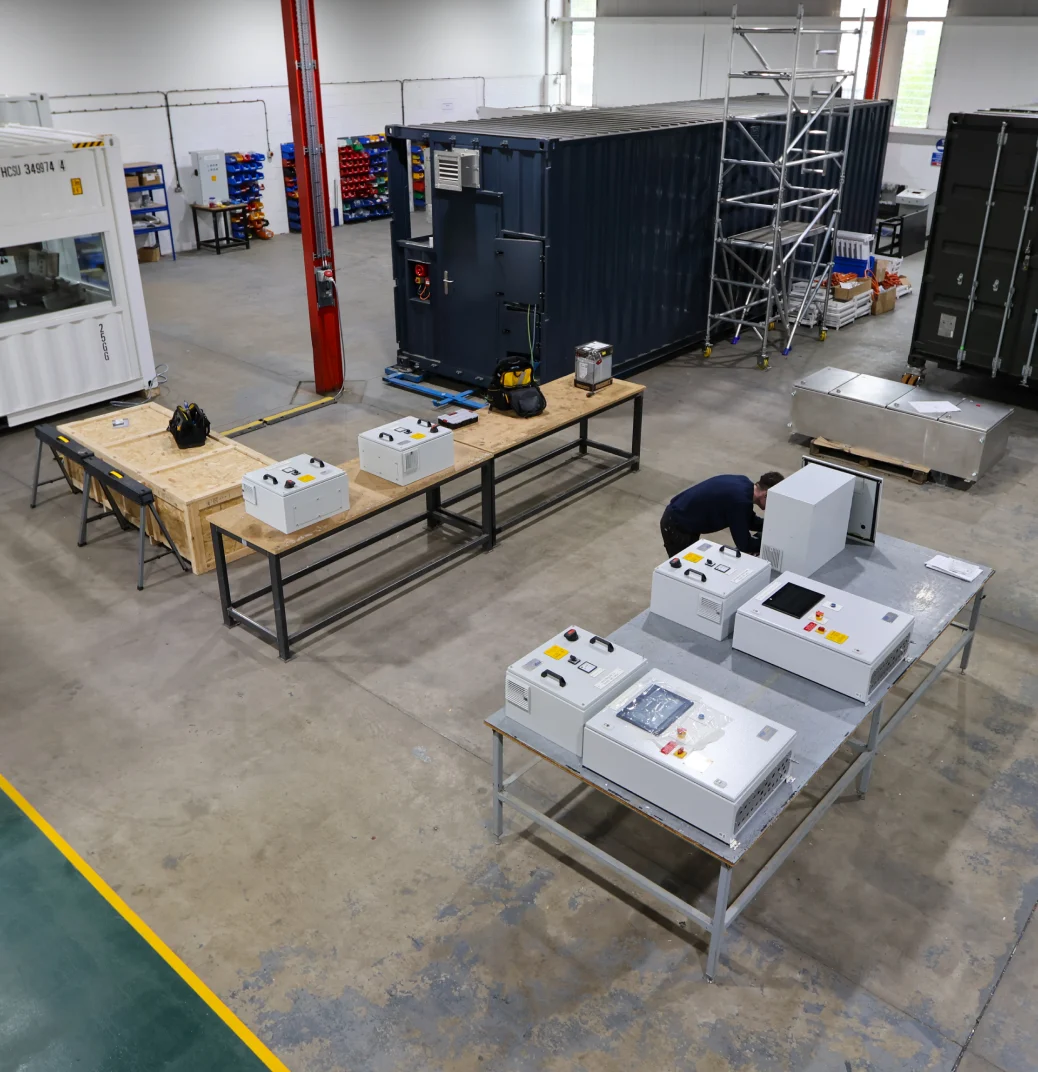
Integrated electrical power, switchboard, control and automation systems engineered, built and tested for demanding marine and offshore applications.
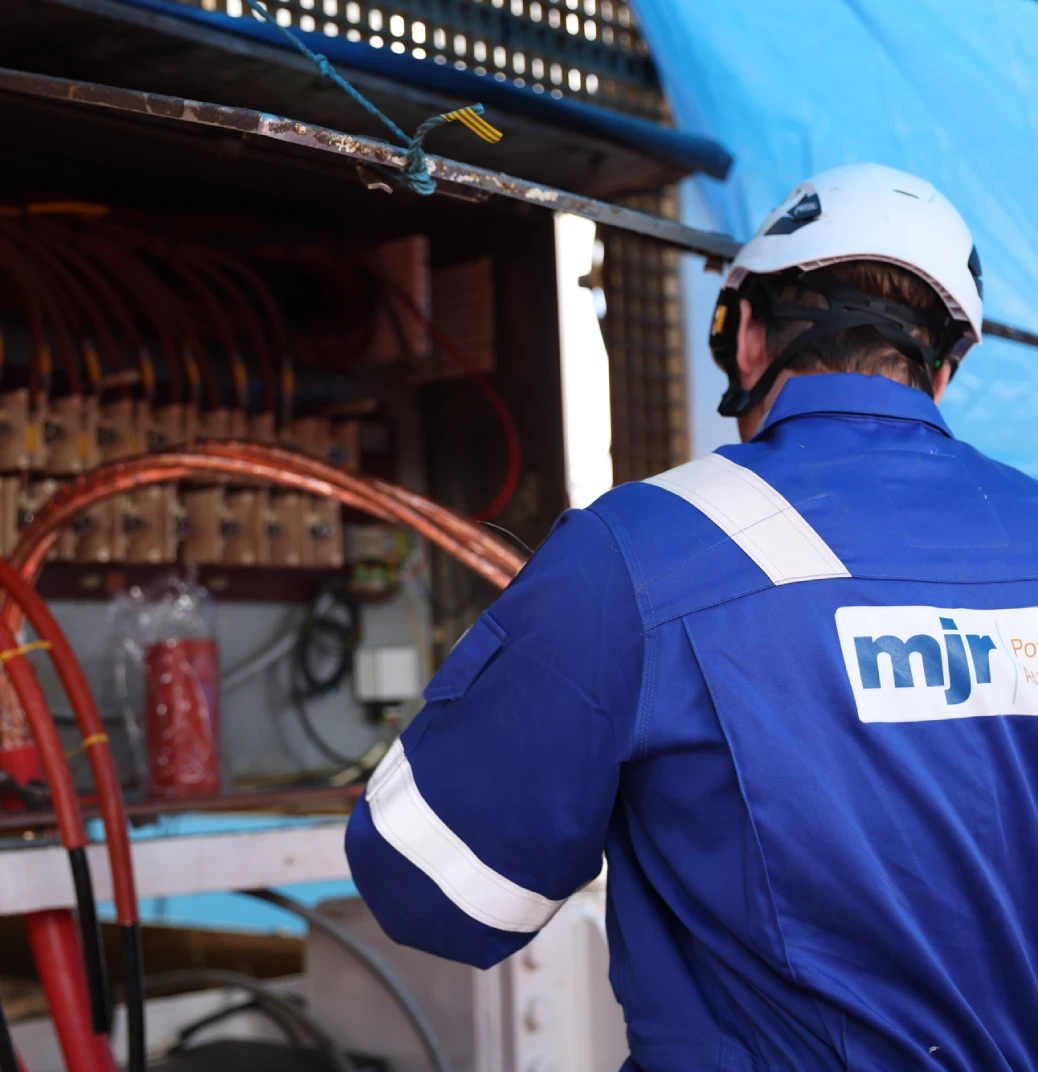
Marine electrical installation, onboard integration, vessel commissioning and functional testing through to technical handover.
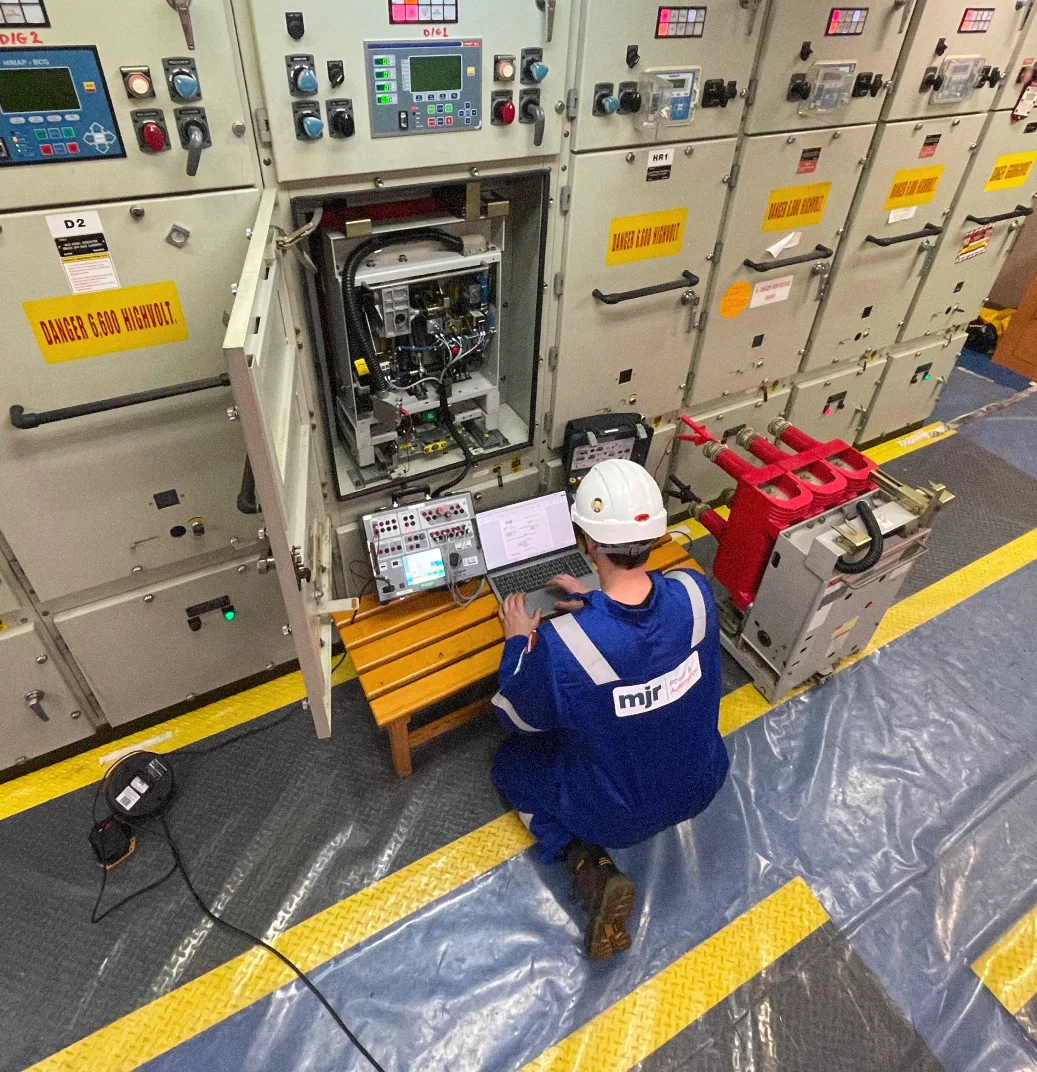
Marine electrical service, fault-finding, repair, testing, retrofit and lifecycle support for vessels and offshore assets.
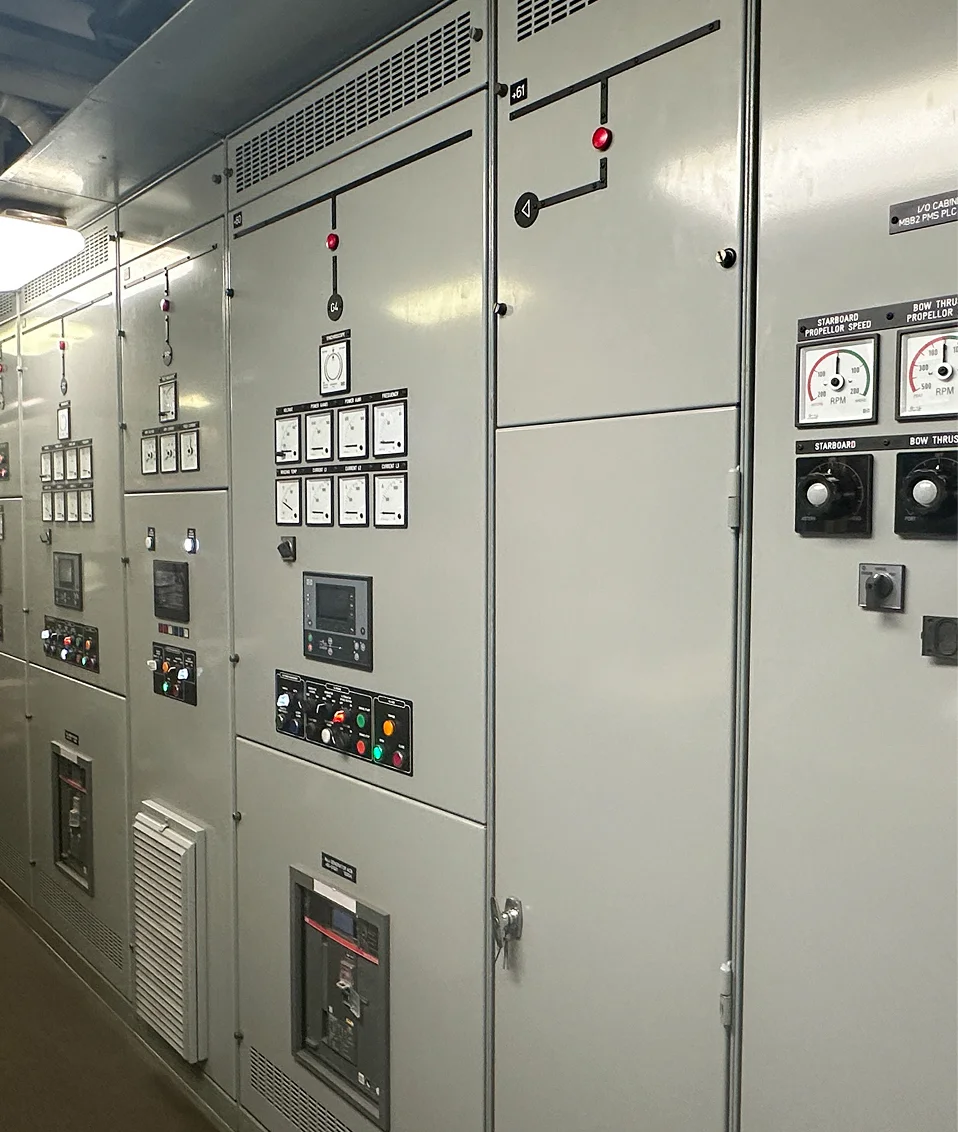
Marine power distribution systems covering generation, switchboards, power management systems, load sharing, protection and electrical distribution.
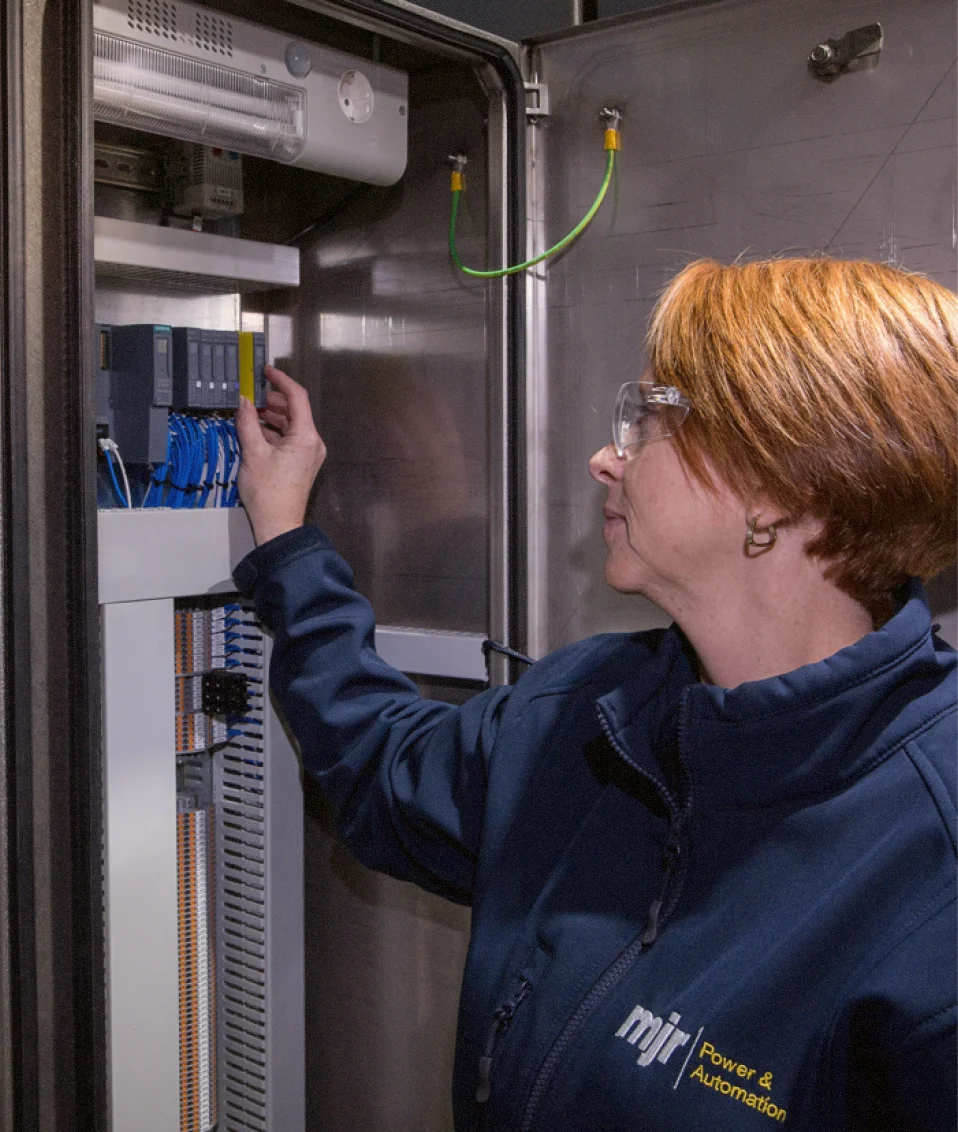
Marine automation systems integrating PLC, DCS, HMI, alarm monitoring, data logging, power management and vessel or offshore control.
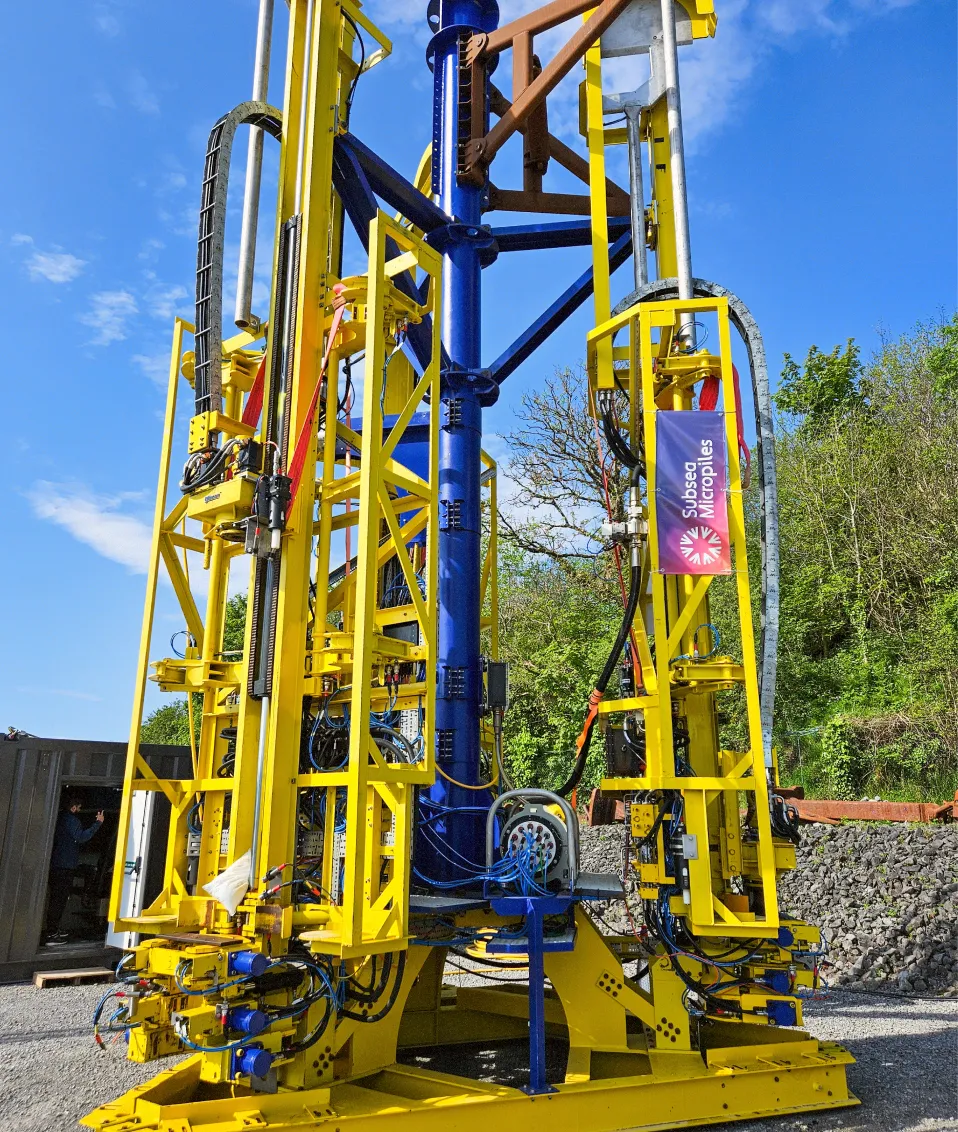
Integrated subsea power and control systems for ROVs, trenchers, ploughs, cable-lay equipment and specialist offshore and subsea machinery.
Sectors we are Powering
Follow MJR project updates, company news and technical insight covering marine electrical engineering, automation, shore power, offshore vessel charging and vessel electrification.
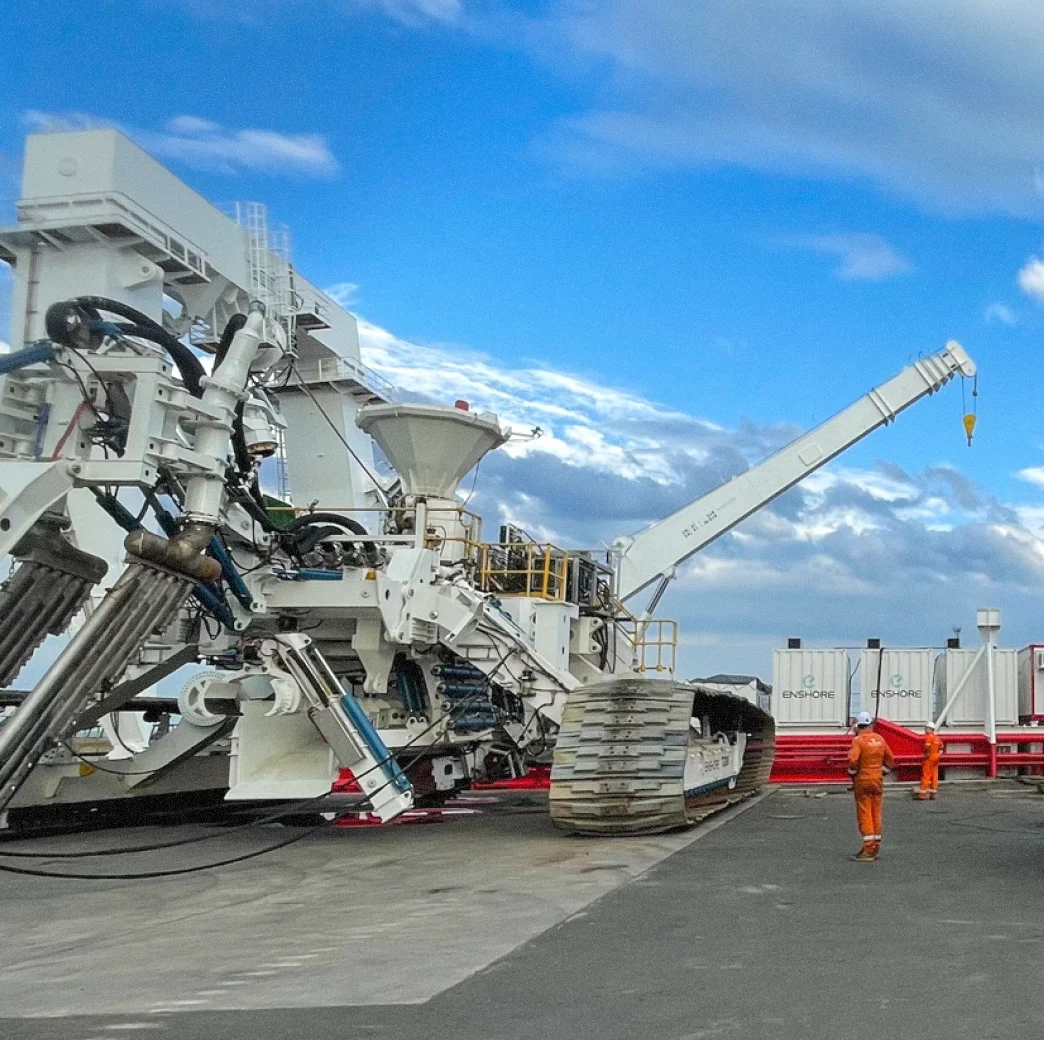
Show how MJR designs, installs, commissions and supports product systems.
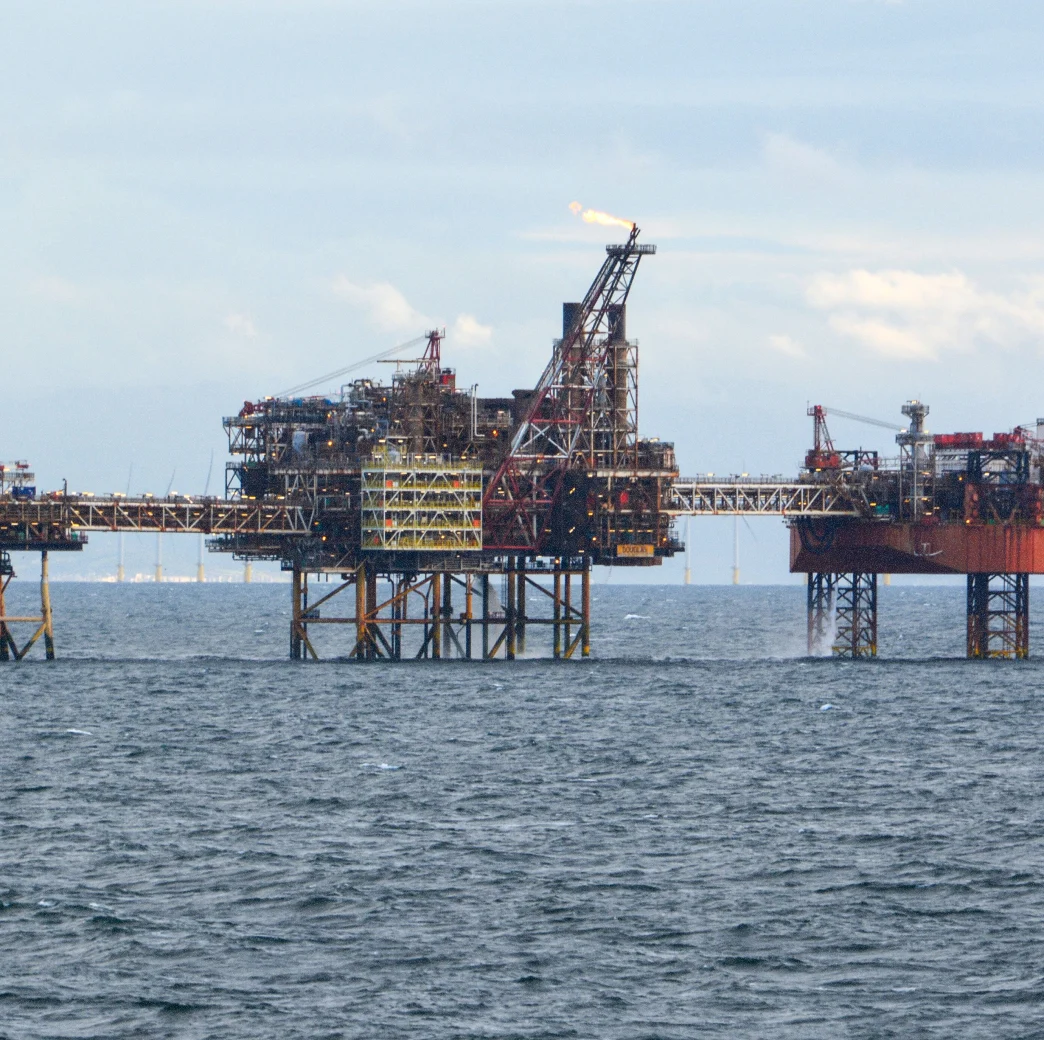
Show how MJR designs, installs, commissions and supports product systems.
Relevant Project Experience
Explore MJR projects involving vessel automation, monitoring, control and power management across newbuild, retrofit and upgrade programmes.
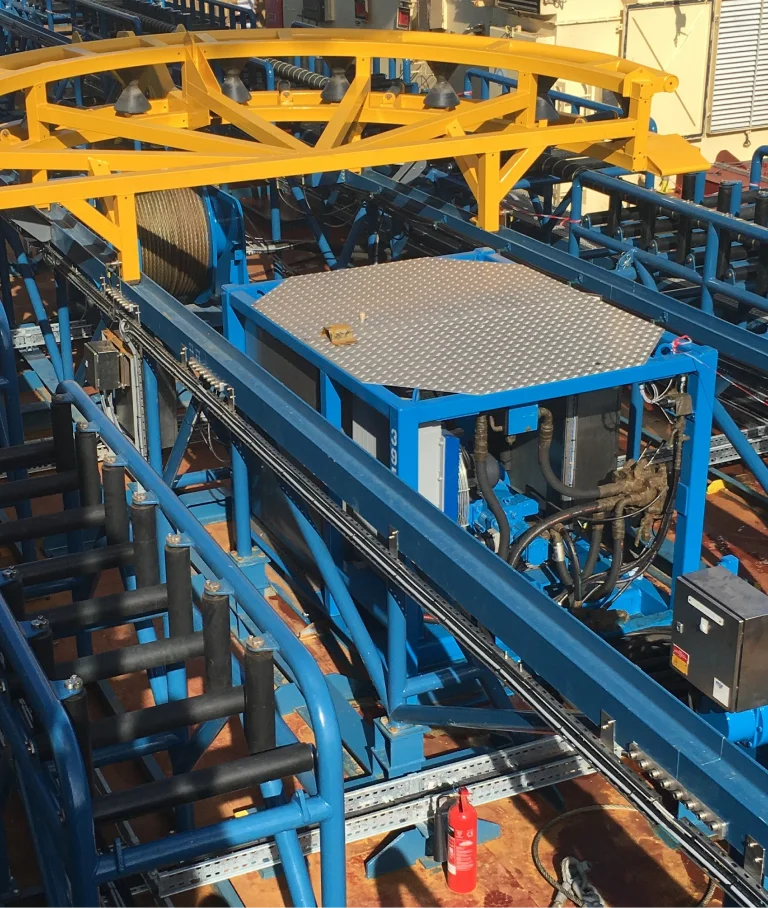
Deck Winch Constant Tension Control Upgrade & Reactivation
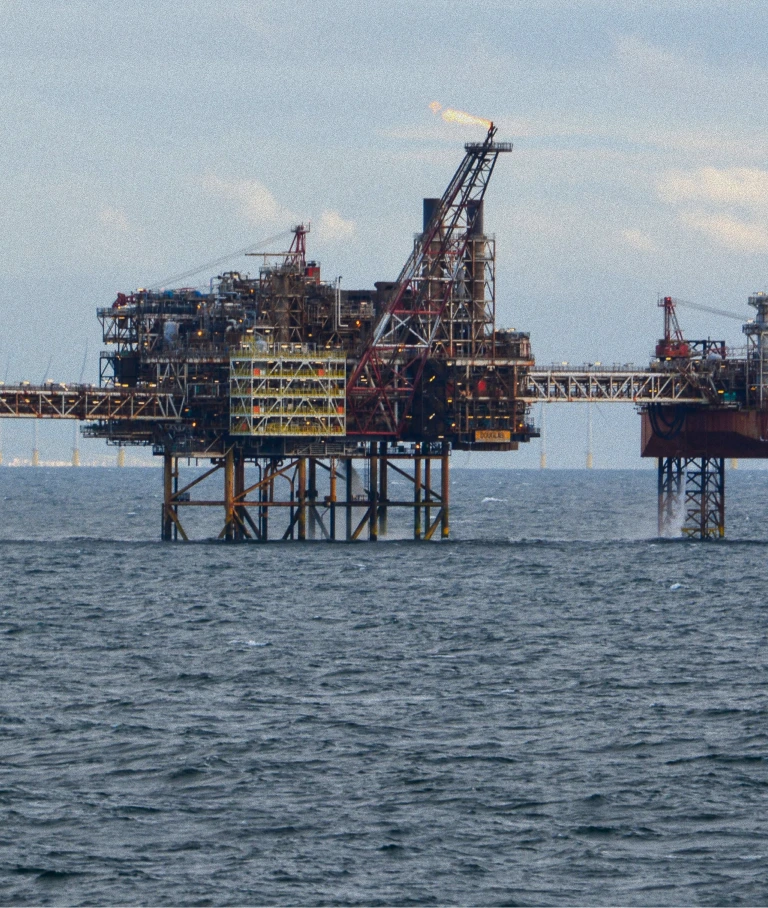
VFD Switchboard Replacement for Downhole Pumps — Delivered in a Shutdown Window

Surface & Subsea Power, Control and Telemetry Platform — with Subsea Micropiles
The Questions We Get Asked Most
Find answers to common questions about the project, including the systems involved, engineering approach, technical challenges and how the solution was delivered.