Innovative Cable Handling Control System
Deck Winch Constant Tension Control Upgrade & Reactivation
Project Overview
Active Heave Control System for Cable Quadrant handling – DeepOcean’s Maersk Recorder
A cable handling control system that cuts costs in offshore windfarm construction and supports safe, efficient array cable installation.
Cost reduction in offshore windfarm construction comes largely from installation rate. Every day a cable lay vessel spends waiting on weather, or handling cable more slowly than it could, is a day charged against the project. DeepOcean set out to install two array cable second ends per day from Maersk Recorder, with minimal weather downtime, a target that puts the demand squarely on the handling and control equipment.
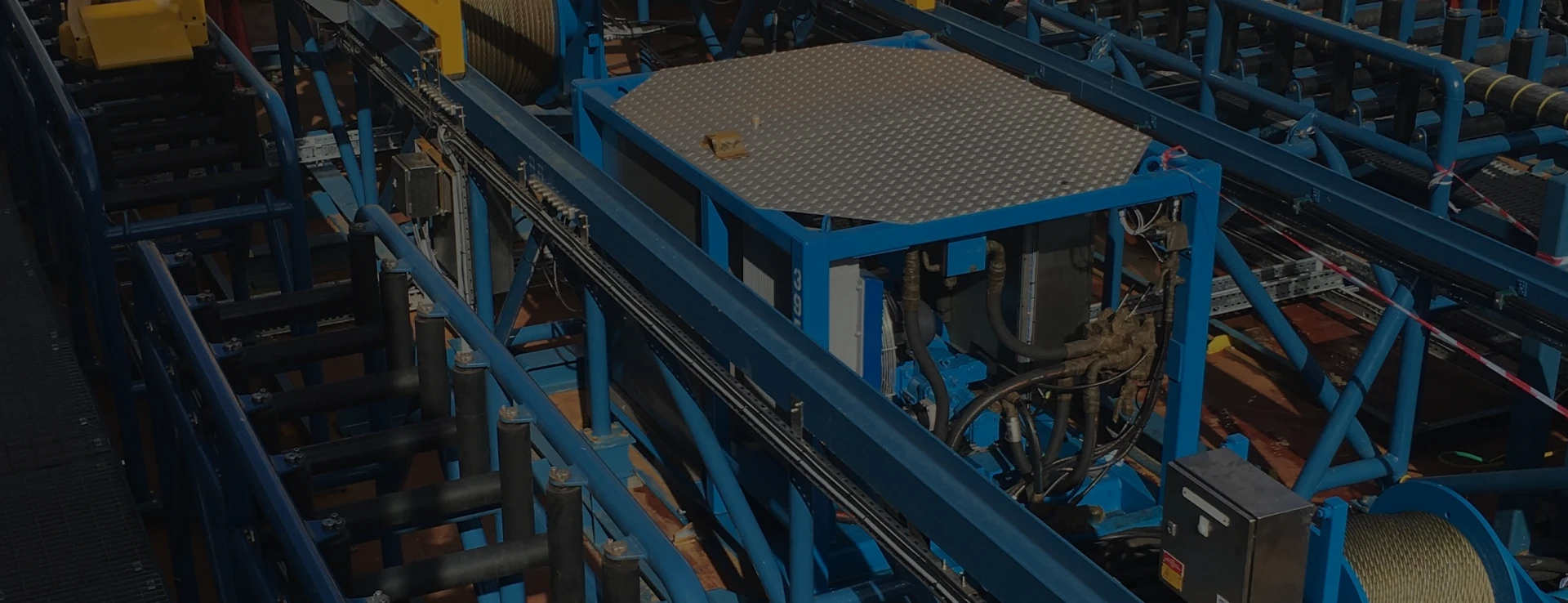
MJR Power & Automation designed, built and delivered the cable handling control system that made it possible. This comprised an active heave control system for a 20Te hydraulically powered closed loop cable quadrant handling winch, together with the control system for a 5Te constant tension quadrant tipping winch, and the sophisticated functionality required to electronically synchronise the two.
The system was based on MJR Power & Automation's X-Wave active heave control platform. It was delivered as a fast-track project covering design, fabrication, installation and offshore support, and was used successfully on its first offshore windfarm campaign, meeting all of its critical performance targets before moving on to its next project.
Project significance Array cable second ends are the harder half of the job. The first end is pulled into a foundation from a vessel with the full cable still aboard; the second end has to be recovered from a quadrant, handled over the side and pulled in while the vessel sits in whatever the weather is doing. Active heave compensation is what decouples the load from the vessel's motion, and it is the difference between working and waiting.
The challenge
A rate target, not just a function
The requirement was not simply to handle cable but to handle two second ends per day. That converts an equipment specification into an operational one: every part of the cycle, lift, tip, overboard, pull-in, had to be quick, repeatable and safe enough to run twice daily without incident.
Minimal weather downtime.
Waiting on weather is the largest controllable cost in offshore construction. The control system had to keep the operation workable in conditions that would otherwise stop it, which is precisely what active heave compensation exists to do.
Two winches, one coordinated motion.
The 20Te quadrant handling winch and the 5Te tipping winch act on the same load at the same time. Operated independently they would fight each other; the quadrant has to lift and tip as a single controlled movement, which required the two winches to be electronically synchronised rather than manually coordinated by two operators.
Heave compensation on a hydraulic closed loop drive.
Active heave control demands fast, accurate and continuous response to vessel motion. Achieving that on a hydraulically powered closed loop winch is a harder control problem than on an electric drive, where torque response is more direct.
Protecting the product.
Array cable is expensive and easily damaged, and a damaged cable offshore is a repair campaign. Constant tension control on the tipping winch and heave compensation on the lift both exist as much to protect the cable as to make the operation quick.
A fast-track programme.
The scope covered design, fabrication, installation and offshore support, delivered against budget and schedule constraints, and had to be ready for a specific windfarm campaign.
Scope of Work
Design, Fabrication, Installation and Offshore Support
Fast track delivery of the complete cable handling control scope:
- X-Wave AHC control system for the hydraulic 20Te quadrant handling winch, including constant tension mode
- Control system for the 5Te constant tension quadrant tipping winch
- Synchro mode for automatic speed synchronisation between the 20Te AHC and 5Te winches
- Quadrant track locking pin control
- Quadrant overboarding A-frame control
- Tensioner firing line control
- HPU starters and control systems
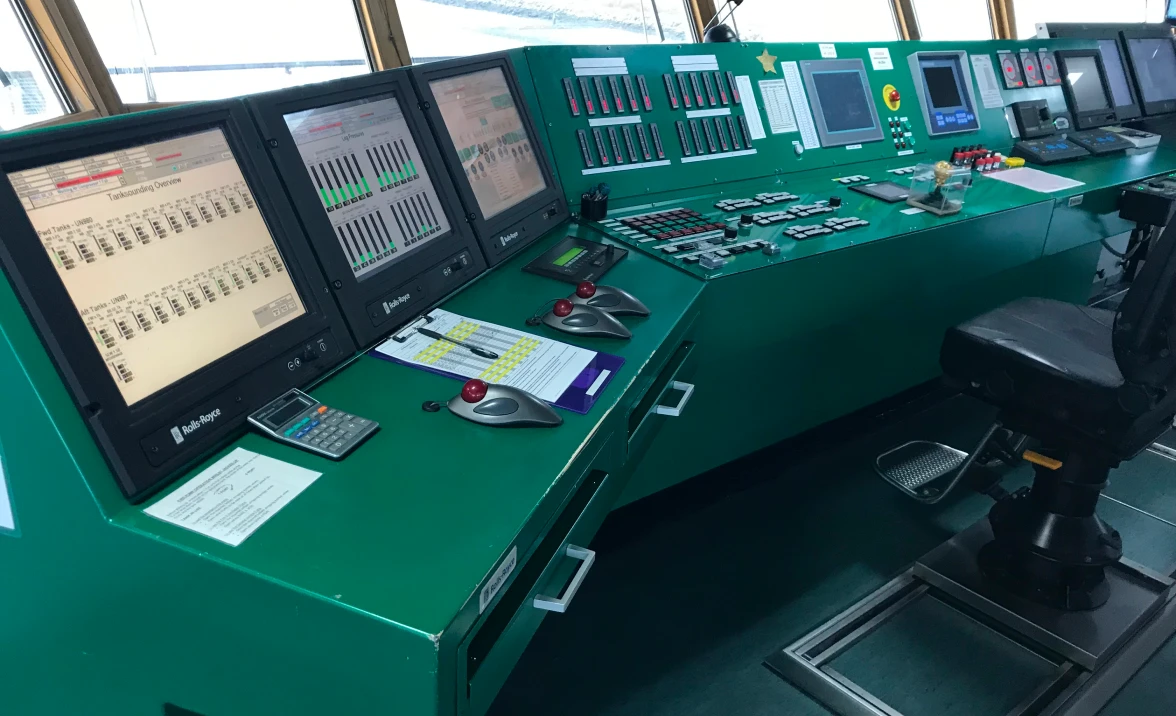
- Operator control remote desks and HMIs
Delivered as design, fabrication, installation and offshore support.
Solutions Delivered
The Compensation — X-Wave active heave control
Active heave control holds the load steady in space while the vessel moves beneath it. The system measures vessel motion continuously and drives the winch to pay out and haul in against it, so that what the quadrant and cable experience is close to still water even when the deck is not.
On this system that was delivered through MJR Power & Automation's X-Wave AHC platform, applied to a 20Te hydraulically powered closed loop winch. The same control system also provides a constant tension mode, so the winch can hold a set line tension where that is the appropriate behaviour rather than position holding.
The Synchronisation — Two winches, one movement
The 20Te quadrant lift and the 5Te tipping winch act on the same quadrant simultaneously. A synchro mode was developed to automatically synchronise their speeds, so the lift and tip proceed as one coordinated motion under a single operator's command rather than requiring two operators to match each other by eye.
This is the most distinctive engineering in the project. Coordinating an actively heave-compensated winch with a constant tension winch means the synchronisation has to work while one of the two is already continuously adjusting to vessel motion — the reference the second winch follows is itself moving.
The Spread — Control of the full handling sequence
Beyond the two winches, MJR Power & Automation delivered control of the equipment that makes up the rest of the handling cycle: quadrant track locking pins, the quadrant overboarding A-frame, the tensioner firing line, and the HPU starters and control systems that power the hydraulics. Delivering the whole sequence as one control scope is what allows the cycle to be run as a repeatable process rather than a series of separately operated machines.
The Interface — Remote desks and HMIs
Operator control remote desks and HMIs give the operator command of the sequence from the appropriate position for each stage of the operation, with the AHC system's status and motion traces displayed live so the operator can see what the compensation is doing rather than inferring it.
Delivery & Approval
Implementation, Commissioning and Client Acceptance
The project engineering phase involved working closely with DeepOcean to understand the functional and performance requirements in detail, in order to deliver the optimum technical solution within the budget and schedule constraints.
The system was designed, fabricated, installed and supported offshore by MJR. It was used successfully on its first offshore windfarm campaign, met all of its critical performance targets, and subsequently moved on to its next project.
Client quote — Lee Smith, Senior Project Engineer, DeepOcean, responsible for the system concept and delivery:
"MJR's technical ability to develop and deliver a bespoke control system was paramount when awarding this scope of work. Their understanding of our requirements has produced a technically advanced control system with performance leading capabilities. The results are world class, DeepOcean now operates a state-of-the-art Quadrant Handling System that provides a fast and efficient repeatable process whilst maintaining safe operating procedures protecting the environment and the product."
Technical Summary
- Client DeepOcean
- Vessel Maersk Recorder
- Sector Offshore Wind
- Application Array cable second end installation
- Operational target Two cables per day, minimal weather downtime
- Main winch 20Te hydraulically powered closed loop cable quadrant handling winch
- Main winch control X-Wave active heave control, including constant tension mode
- Secondary winch 5Te constant tension quadrant tipping winch
- Coordination Synchro mode — automatic speed synchronisation between both winches
- Additional control Quadrant track locking pins, overboarding A-frame, tensioner firing line, HPU starters
- MJR scope Design, fabrication, installation and offshore support
- Outcome All critical performance targets met on first campaign
Project Outcomes
All critical performance targets met.
The system achieved its performance requirements on its first offshore windfarm campaign, in service rather than in trials.
A repeatable process, in the client's own words.
DeepOcean describe the result as a fast and efficient repeatable process that maintains safe operating procedures while protecting the environment and the product — which is the operational outcome the rate target depended on.\
Redeployed to a further project.
The system moved on to its next project after the first campaign, so the investment was not specific to a single windfarm.
Weather downtime addressed at source.
Active heave compensation extends the conditions in which cable handling can safely continue, which is where the cost reduction in this kind of operation actually comes from.
Two machines operated as one.
Synchronising the lift and tipping winches removed the need for two operators to coordinate manually, taking a source of variability and risk out of every cycle.
Gallery
Share your vessel, equipment and interface requirements with MJR.
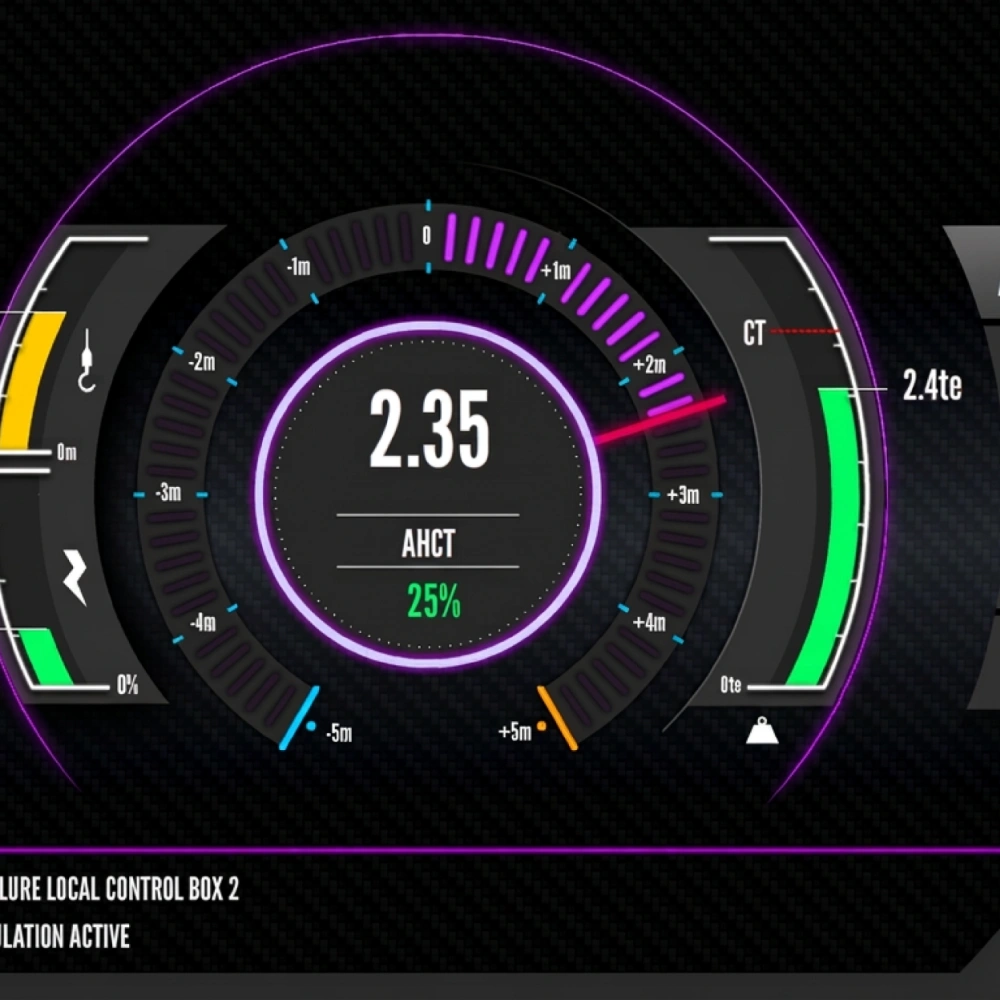
X-Wave™ active heave compensation technology for offshore lifting, launch and recovery, and subsea operations.
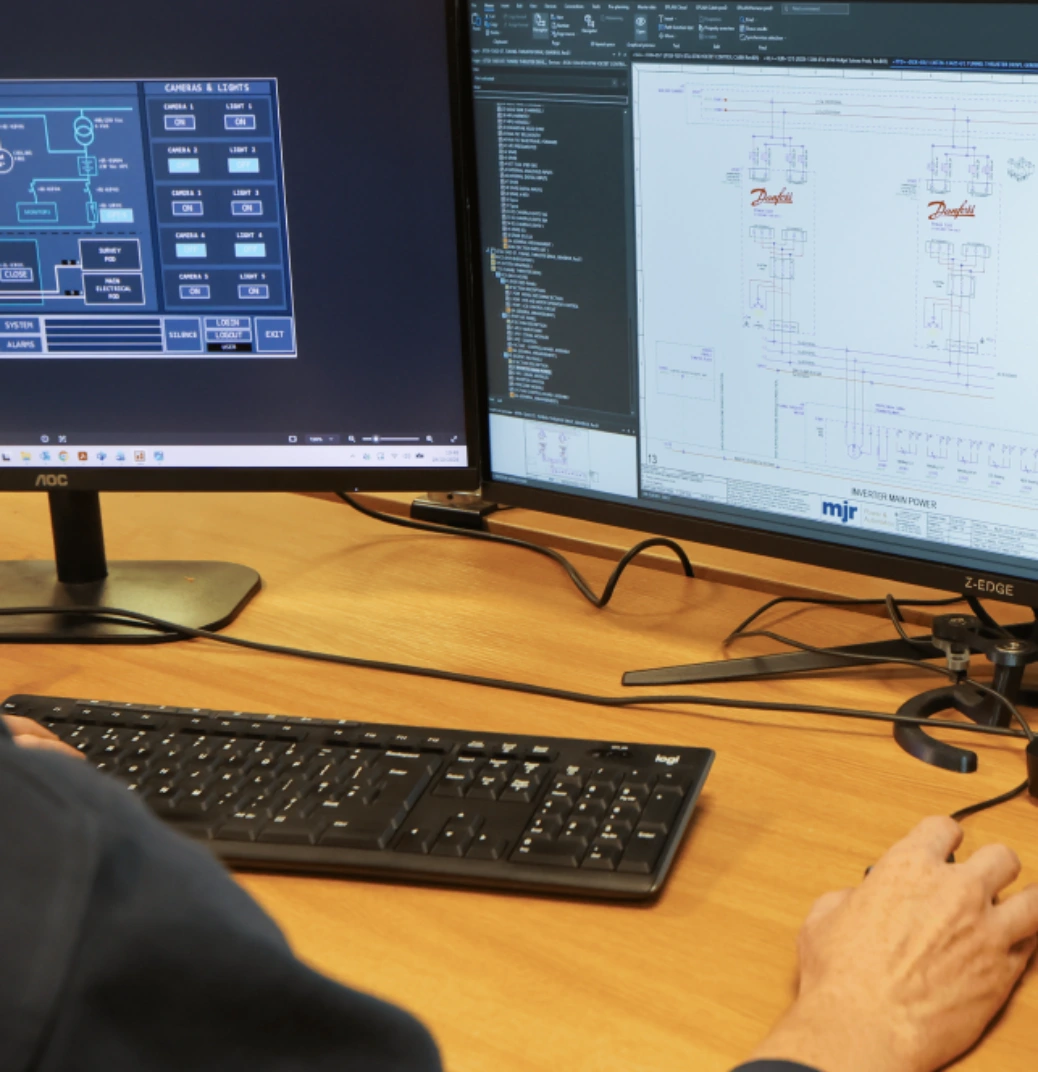
Marine electrical design, FEED studies, calculations and system engineering developed around vessel, offshore and project requirements.
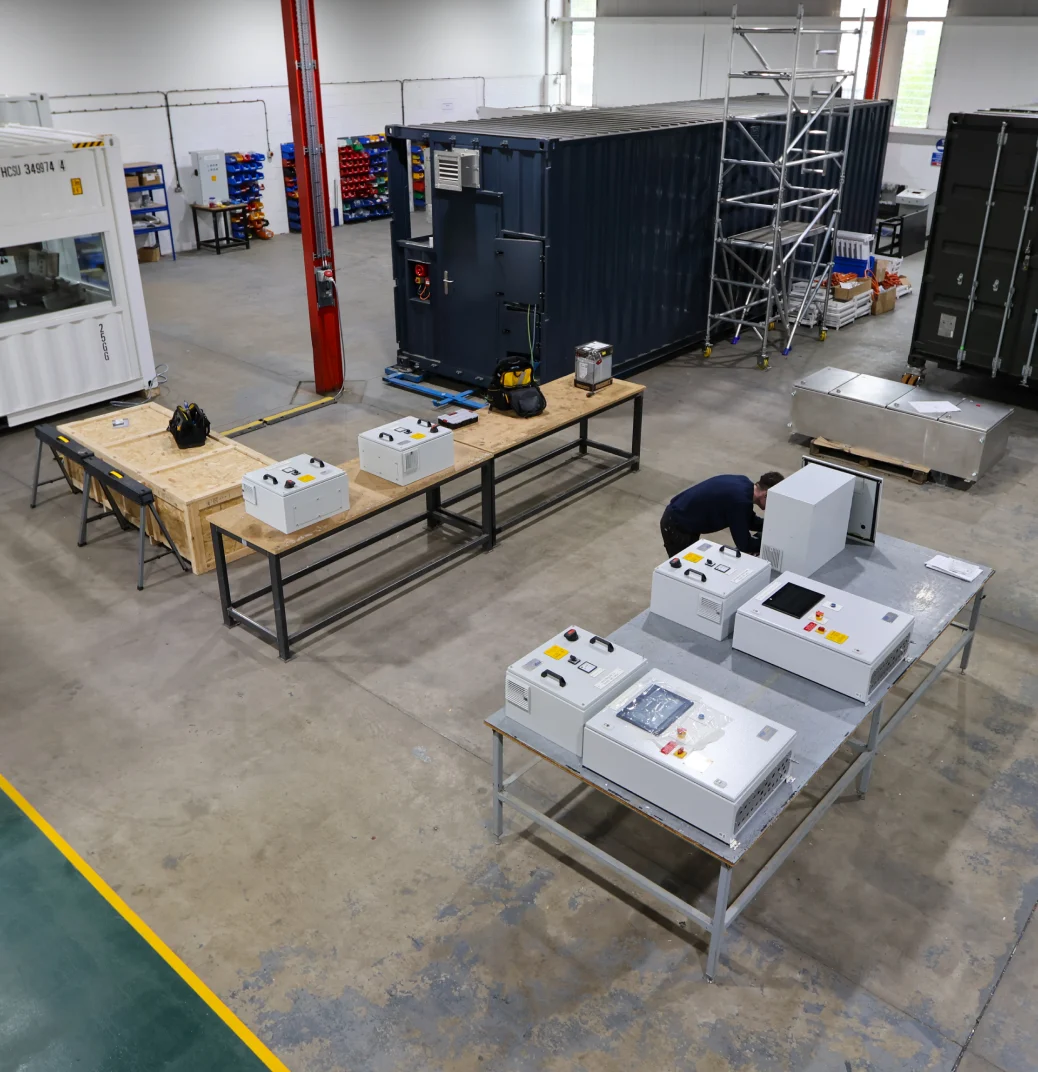
Integrated electrical power, switchboard, control and automation systems engineered, built and tested for demanding marine and offshore applications.
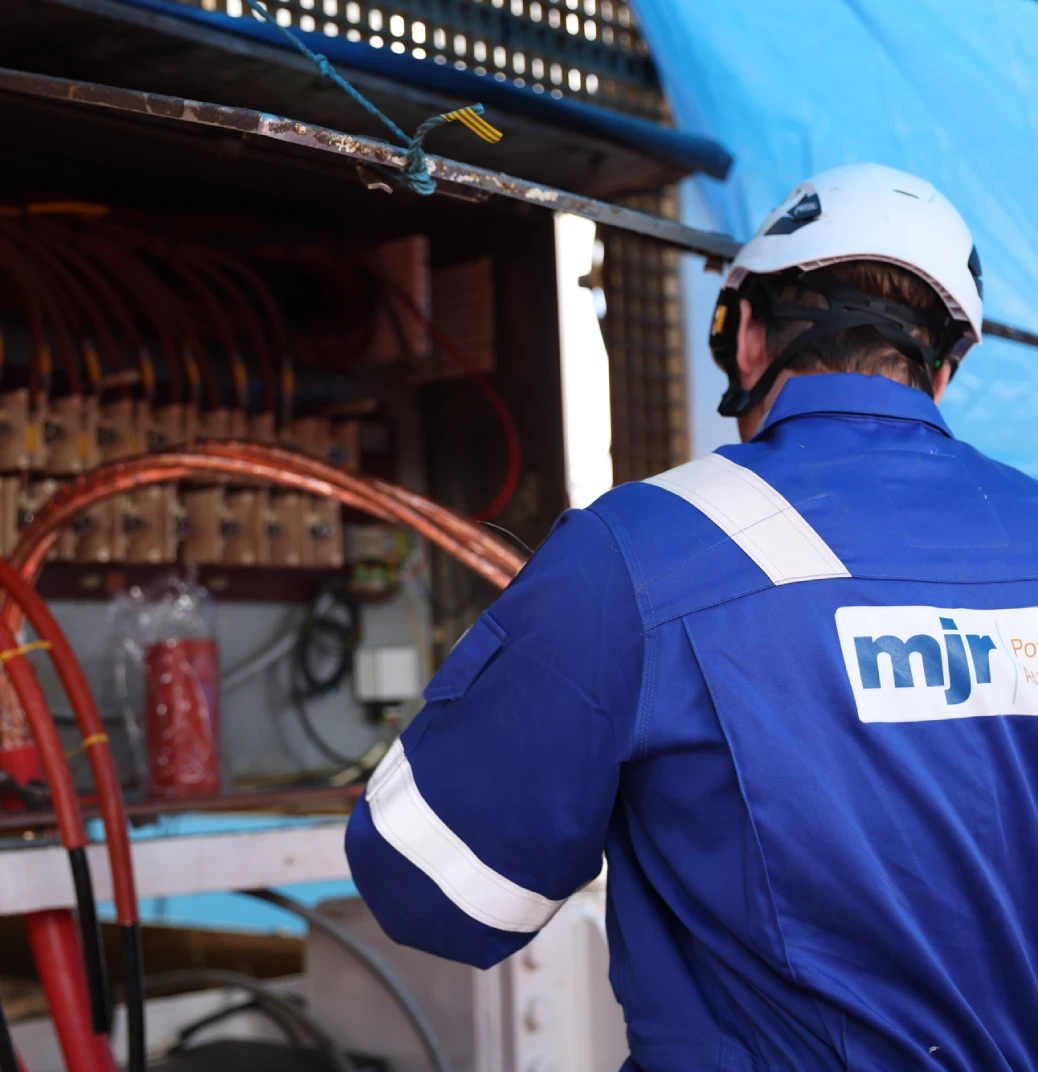
Marine electrical installation, onboard integration, vessel commissioning and functional testing through to technical handover.
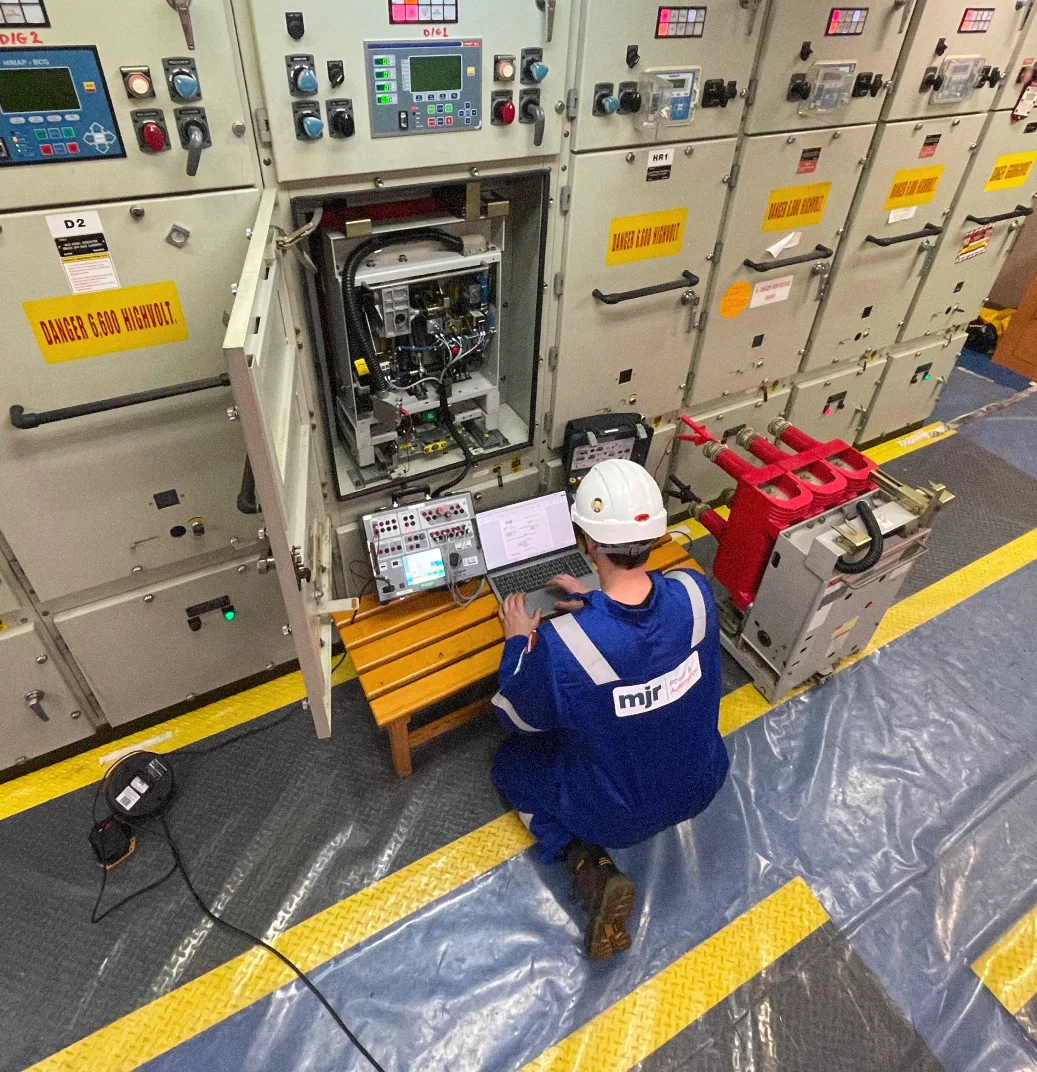
Marine electrical service, fault-finding, repair, testing, retrofit and lifecycle support for vessels and offshore assets.
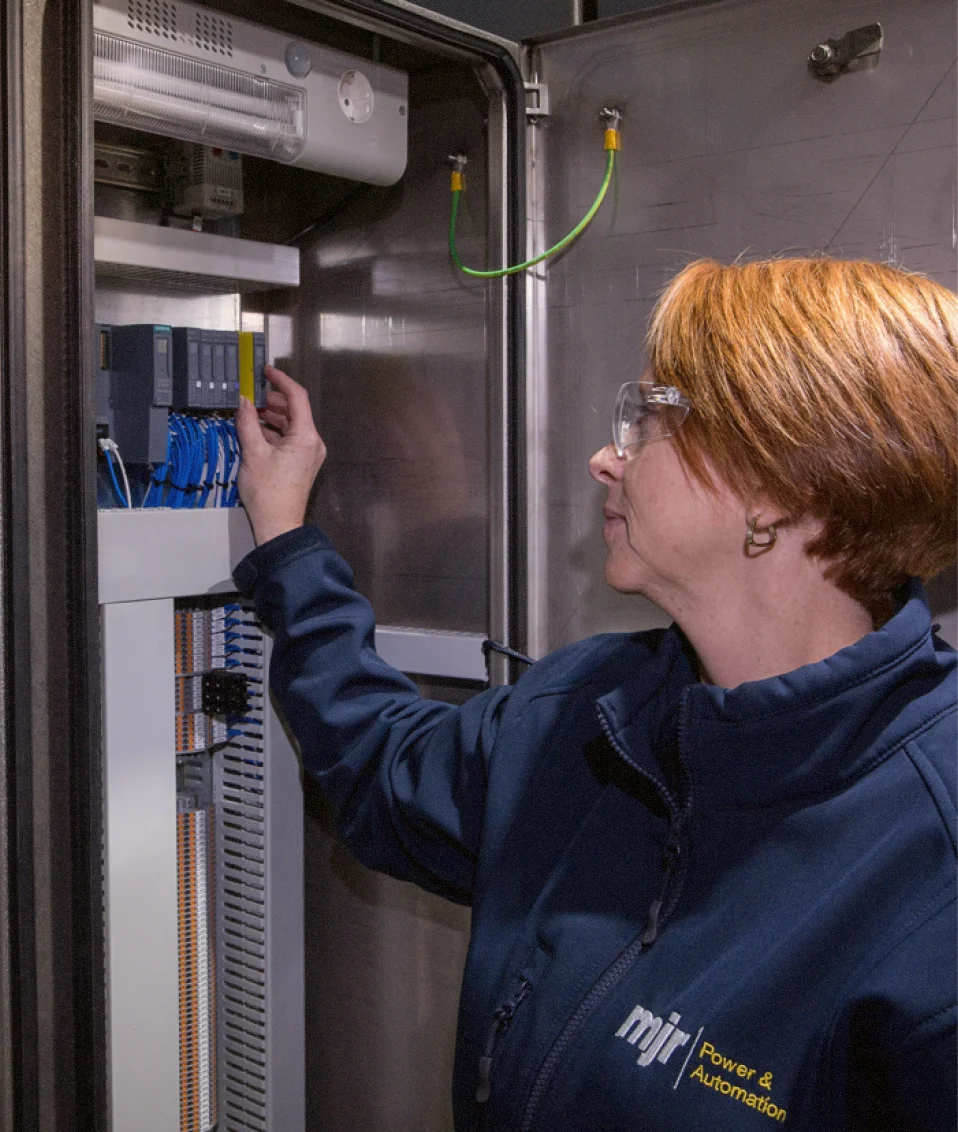
Marine automation systems integrating PLC, DCS, HMI, alarm monitoring, data logging, power management and vessel or offshore control.
Sectors we are Powering
Follow MJR project updates, company news and technical insight covering marine electrical engineering, automation, shore power, offshore vessel charging and vessel electrification.
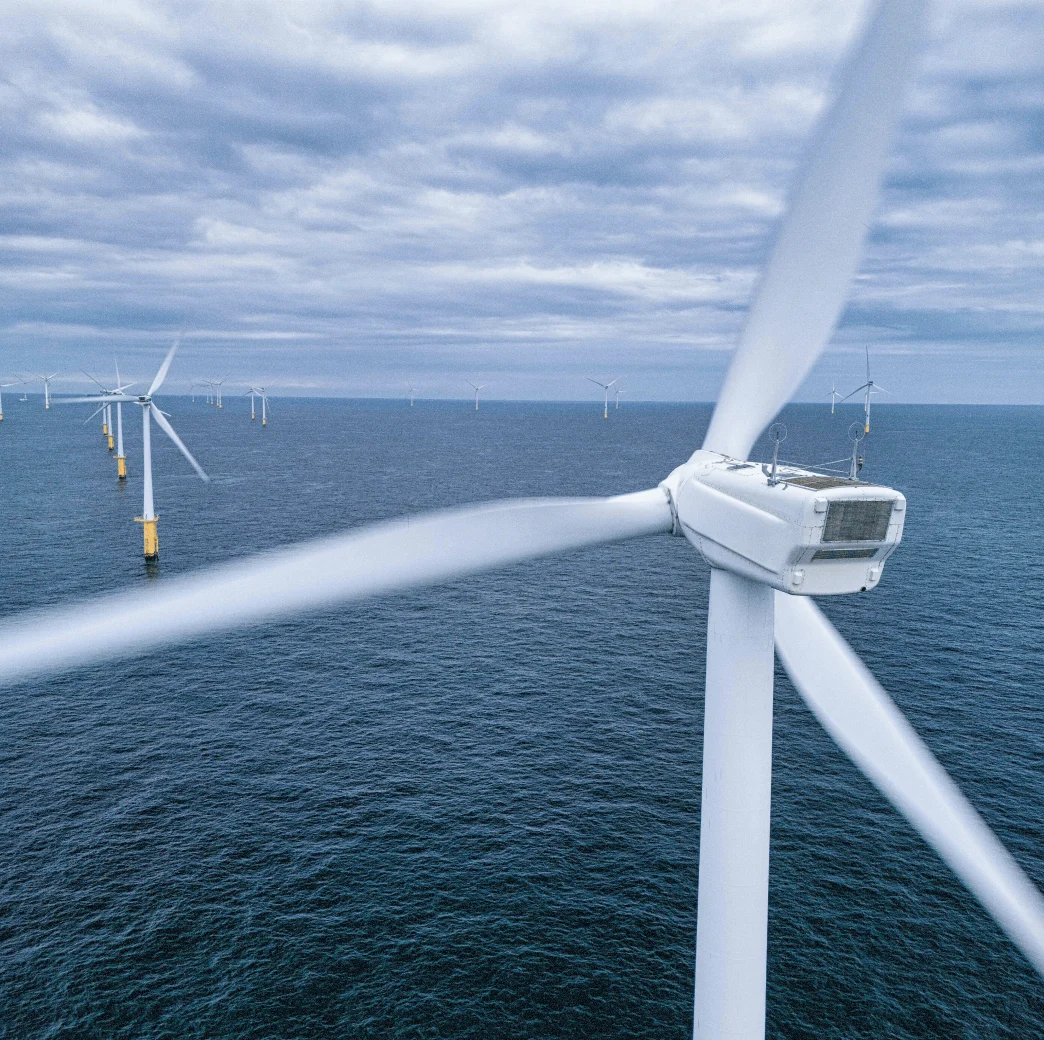
Show how MJR designs, installs, commissions and supports product systems.
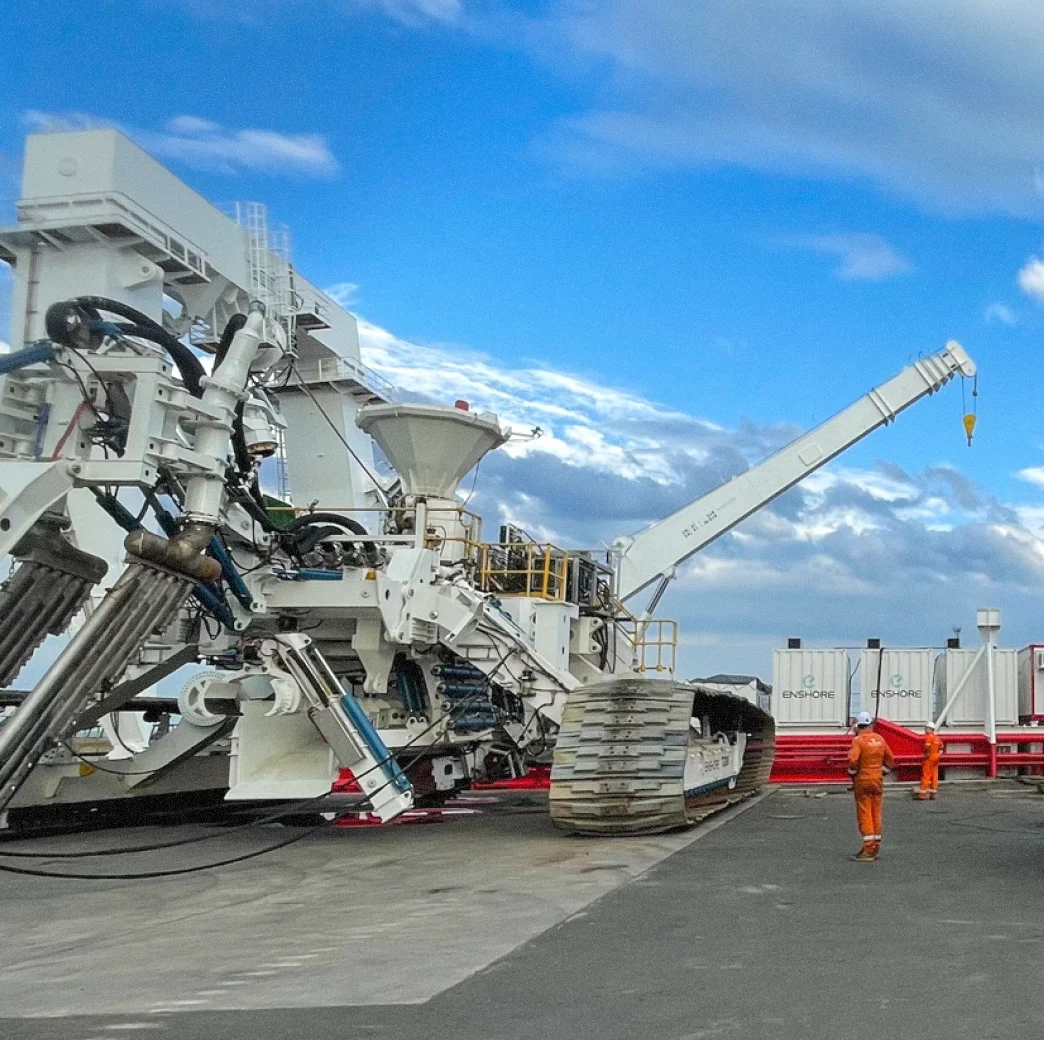
Show how MJR designs, installs, commissions and supports product systems.
Relevant Project Experience
Explore MJR projects involving vessel automation, monitoring, control and power management across newbuild, retrofit and upgrade programmes.
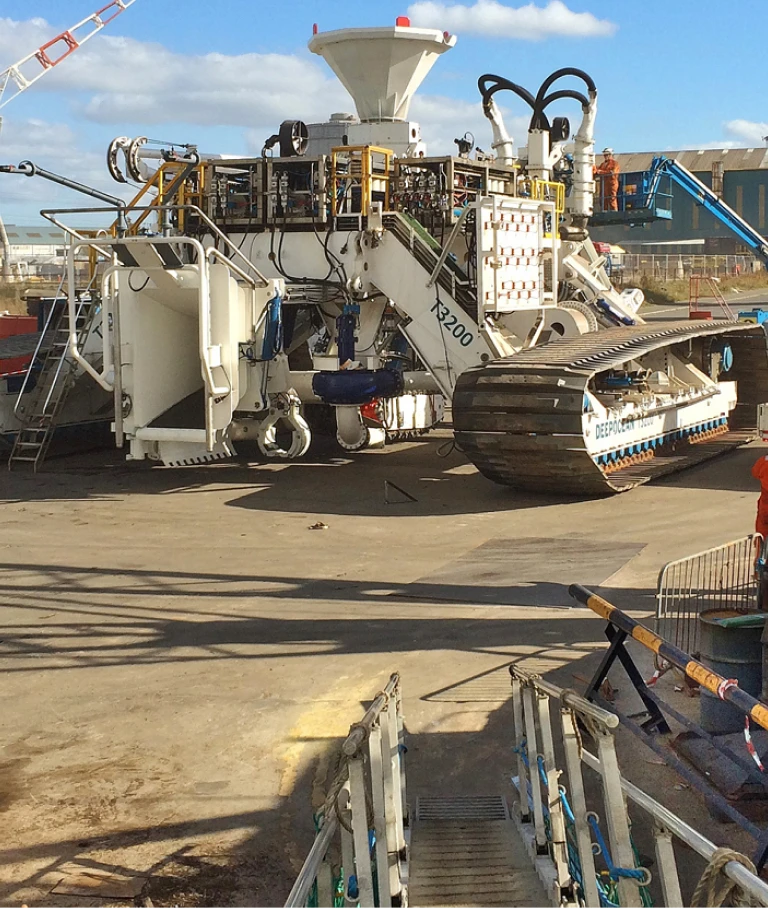
Power Systems Upgrade for Heavy Deck Equipment — Design & Project Management
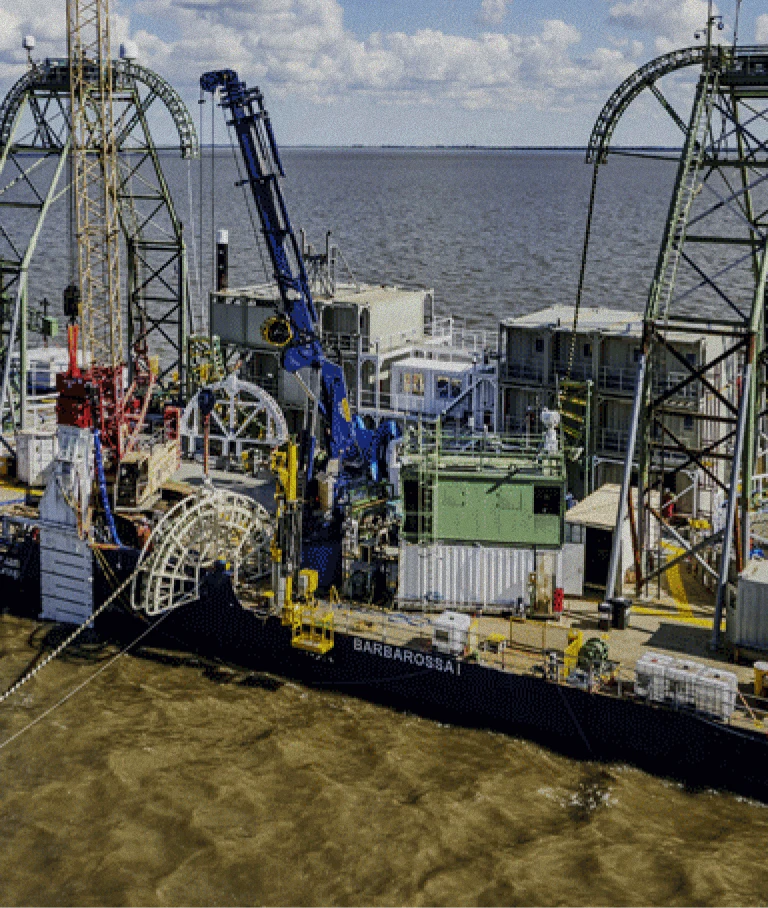
Mobilisation of Deck Equipment and Trenching Spreads — Three Ports, Two Countries
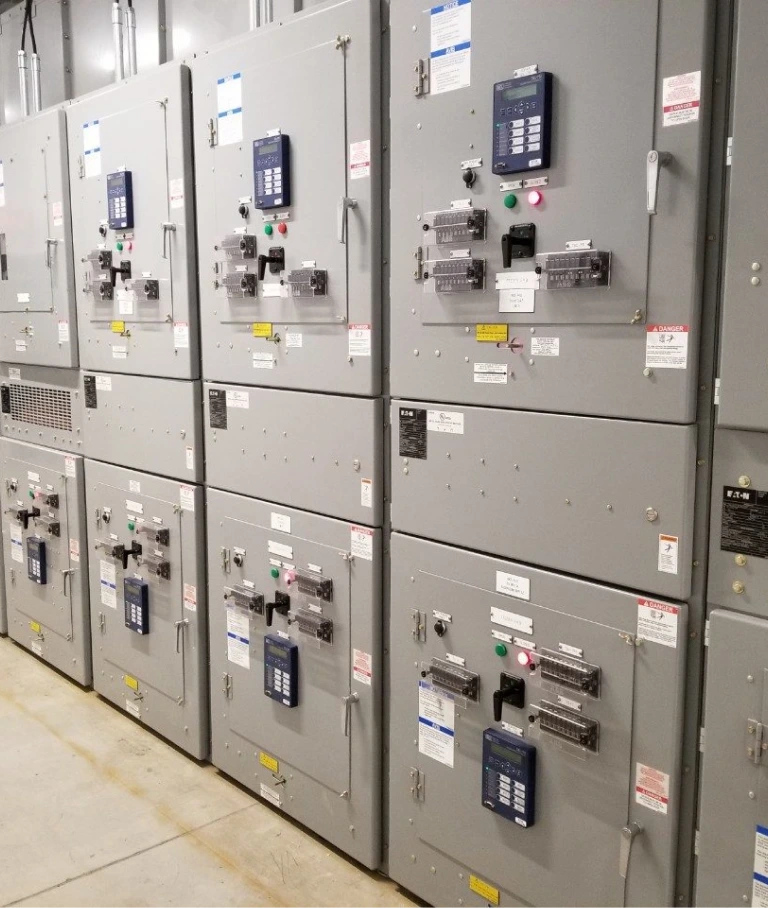
Design and Construction — 3.3kV Subsea Power Distribution
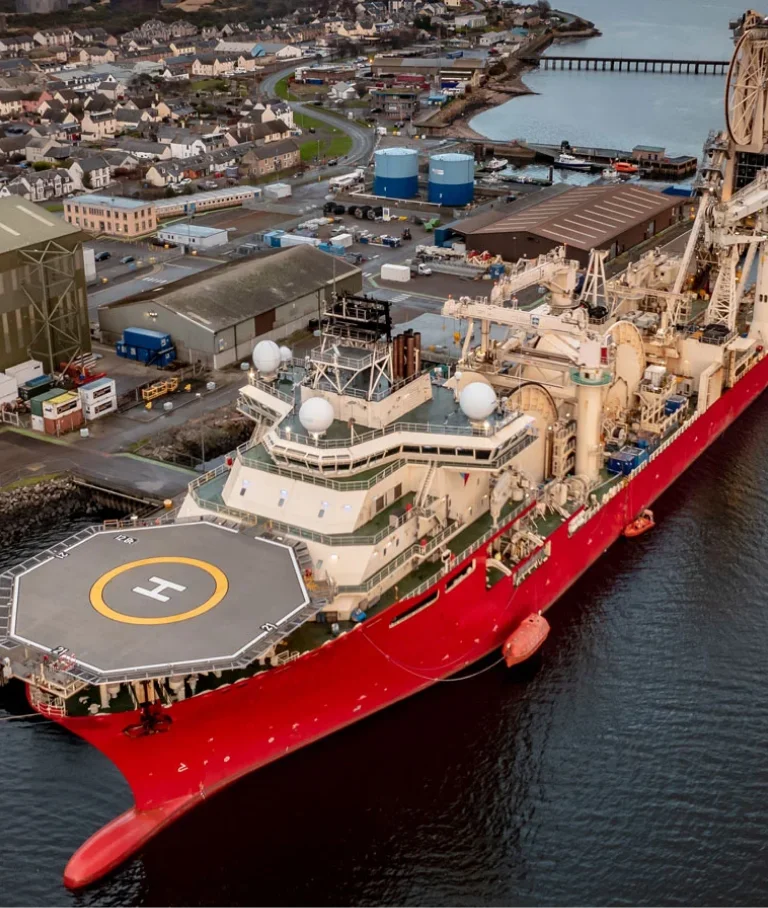
Supercapacitor storage retrofitted to pipelay tensioner and winch drive systems.
The Questions We Get Asked Most
Find answers to common questions about the project, including the systems involved, engineering approach, technical challenges and how the solution was delivered.