Supercapacitor Back-up Power
Extended Supply Failure Ride-Through for Pipelay Operations — with Skeleton Technologies
Project Overview
MJR and Skeleton Technologies Deliver the World's First DNV-Certified Supercapacitor Ride-Through System
A first-of-its-kind extended supply failure ride-through system for the pipelay spread of one of the largest pipelaying vessels in the world, retrofitted to existing drives and certified to DNV-GL
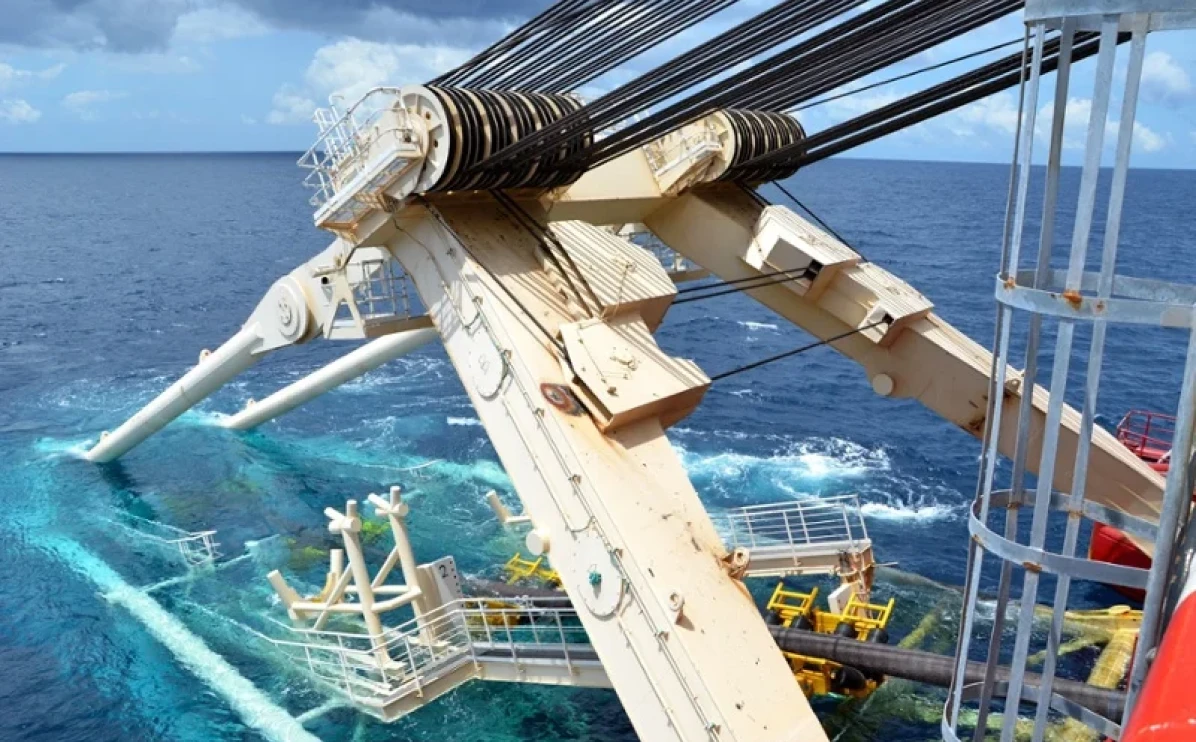
Pipelay vessels install rigid and flexible pipe and umbilicals in water depths of up to 3,000 metres. The masses and lengths involved mean the pipe in the water is carrying enormous load, held by tensioners that must stay synchronised with the reel throughout. A loss of supply, even briefly, puts that synchronisation and the product itself at risk, which is why blackout has to be ruled out rather than merely managed.
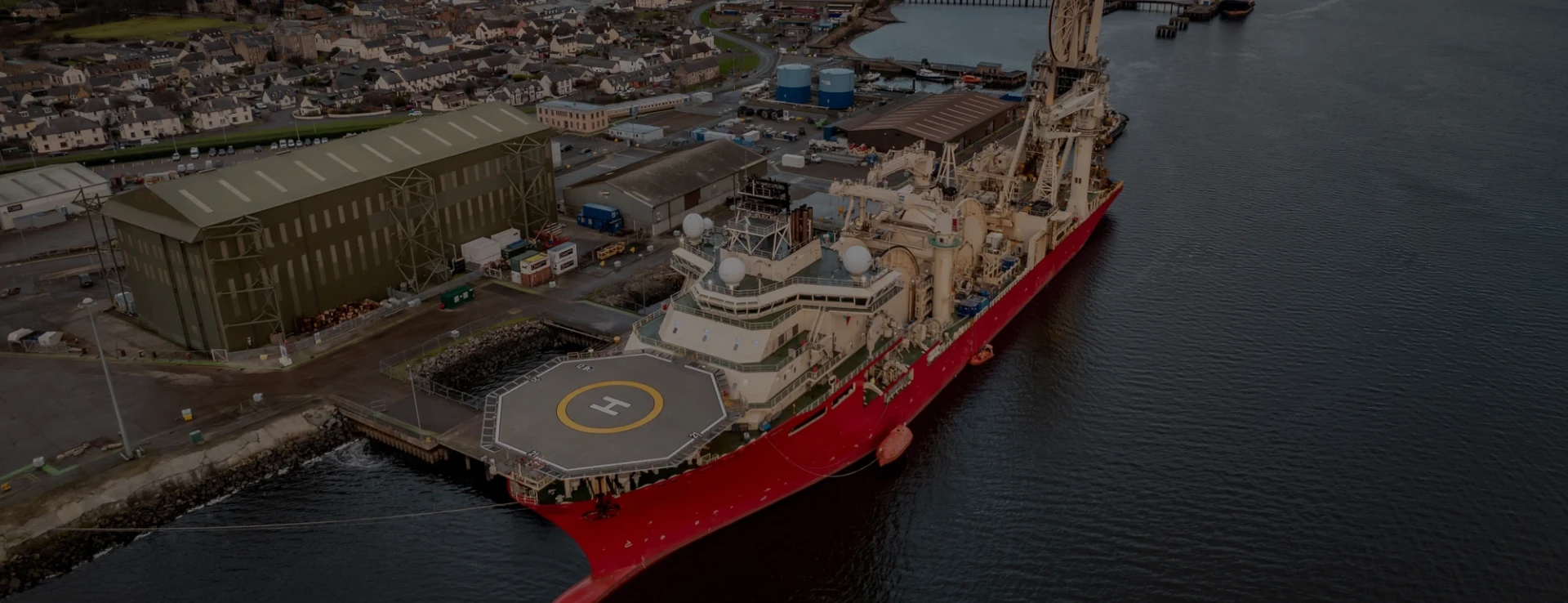
Skeleton Technologies and MJR Power & Automation cooperated on a first-of-its-kind pipelay extended supply failure ride-through system for one of the largest pipelaying ships in the world. Skeleton's supercapacitor energy storage provides immediate back-up power, bridging any gap until the vessel's main back-up system can respond. MJR led the FEED study, the power, electrical and automation design, DNV-GL classification approval, construction, installation and commissioning.
The result was the first supercapacitor system globally to comply with DNV-GL and be certified by DNV-GL.
Project significance Supercapacitors respond in milliseconds, where a generator or a battery system takes longer. On a pipelay spread the gap between a supply dip and the main back-up responding is exactly the window in which tensioner synchronisation is lost. This system exists to fill that window and it is the first of its kind anywhere to have been taken through class certification on that basis.
The challenge
Two drive systems, one synchronised operation.
The vessel's pipelay tower has tandem upper and lower tensioners. The port drive system supplies the upper tensioner and various back deck winches; the starboard drive system supplies the lower tensioner and other pipelay equipment. The two have to stay synchronised with each other and with the reel throughout the lay.
A supply dip is enough to break synchronisation.
In pipelaying operations it is essential to rule out any possibility of blackout. A momentary loss or dip in supply can desynchronise the tensioners from the reel, and the load in the water does not pause while the system recovers.
Conventional back-up responds too slowly for the gap.
The vessel's main back-up system takes time to pick up. That interval, short in human terms, long in drive terms, was the exposure the project set out to close.
A retrofit to a working vessel's existing drives.
The system had to be added to existing machinery drive systems with minimal modification to the installation, and without introducing risk to the operation of systems that already worked.
No certification route existed.
No supercapacitor system had previously been certified to DNV-GL. Being first means the approval path had to be established as part of the project rather than followed.
CAPEX and footprint on a working deck.
Alternative storage technologies were assessed and rejected on both cost and space. Deck and machinery space on a working pipelay vessel is not available in the quantities a battery system would have needed.
Scope of Work
MJR Power & Automation scope of supply:
- FEED study
- Basis and detailed design for power, electrical and automation
- DNV-GL marine classification system approval
- Construction
- Installation and commissioning
Skeleton Technologies scope of supply:
- Supercapacitor energy storage system design and production
- Supercapacitor integration engineering
Skeleton Technologies and MJR Power & Automation have a long history of working together on marine projects, combining Skeleton's expertise in energy storage with MJR's expertise in offshore and marine engineering.
Solutions Delivered
The System — Supercapacitor storage on both drive systems
Supercapacitor units were installed on both the port and starboard drive systems, each fed through a 2 MVA isolation transformer alongside an 1810 kVA supply unit, with three 940 kVA brake choppers per side. The stored energy is available immediately to the drives supplying the tensioners, winches and pipelay equipment on each side.
The arrangement mirrors the vessel's existing port and starboard split rather than centralising storage, so each drive system retains its own ride-through capability and the redundancy already built into the spread is preserved rather than compromised.
The Response — Bridging the gap the main back-up cannot
Skeleton Technologies's energy storage provides immediate back-up power, bridging any gap in supply until the vessel's main back-up system can respond. Supercapacitors are suited to this specific duty because they deliver high power very quickly and tolerate very large numbers of charge and discharge cycles, which is the opposite of the profile a battery system is optimised for.
The practical consequence is that a supply disturbance no longer propagates into the pipelay operation. The tensioners stay synchronised with the reel, the product stays under control, and the vessel's main back-up takes over in its own time rather than against the clock.
The Retrofit — Non-intrusive, on a vessel already working
The system was retrofitted to the existing machinery drive systems with minimal modification to the existing installation and was designed to present low risk to the operation of systems already in service. The complete system was fully tested at MJR's facility before it went to the vessel.
The Certification — Establishing the route, not following it
MJR Power & Automation took the system through DNV-GL marine classification approval, producing the first supercapacitor installation globally to comply with DNV-GL and be certified by DNV-GL. Where no system of a type has been certified before, the approval work involves agreeing how the rules apply as well as demonstrating compliance with them.
Delivery & Approval
The project was delivered as a turnkey solution from concept through to delivery and commissioning. The complete system was tested at MJR's factory before vessel installation, then installed and commissioned on board as a retrofit to the existing drive systems.
Certification was granted by DNV-GL — the first supercapacitor system globally to achieve it.
Technical Summary
- Partner Skeleton Technologies — supercapacitor energy storage
- Sector Offshore Construction & Subsea
- Application Pipelay extended supply failure ride-through
- Operating context Rigid and flexible pipe and umbilical installation to 3,000m water depth
- Protected systems Upper and lower tensioners, back deck winches, pipelay equipment
- Architecture Supercapacitor units on both port and starboard drive systems
- Isolation transformers 2 MVA per side
- Supply units 1810 kVA per side
- Brake choppers 3 x 940 kVA per side
- Class certification DNV-GL
- MJR scope FEED, design, class approval, construction, installation and commissioning
- Pre-installation testing Full system tested at MJR factory
Project Outcomes
The first DNV-GL certified supercapacitor system in the world.
First to comply with DNV-GL and be certified against it. This is the strongest single claim MJR has in any of its case studies and it deserves the top of the page, not a highlights box.
Blackout risk removed from pipelay operations.
Immediate back-up power bridges any supply gap until the main back-up responds, so tensioner and reel synchronisation is maintained through disturbances that would previously have threatened it.
Increased equipment availability and product protection.
Both the vessel's equipment and the product being laid are protected from the consequences of a supply interruption.
Non-intrusive retrofit.
Installed to existing machinery drive systems with minimal modification and low risk to the operation of systems already in service.
Better on both CAPEX and footprint.
Assessed as the optimal solution against alternative energy storage options on both cost and space — a meaningful constraint on a working pipelay deck.
Long service life, low maintenance.
Supercapacitors tolerate millions of charge and discharge cycles, so the system is suited to a duty that may involve frequent small interventions over many years.
Gallery
Share your vessel, equipment and interface requirements with MJR.
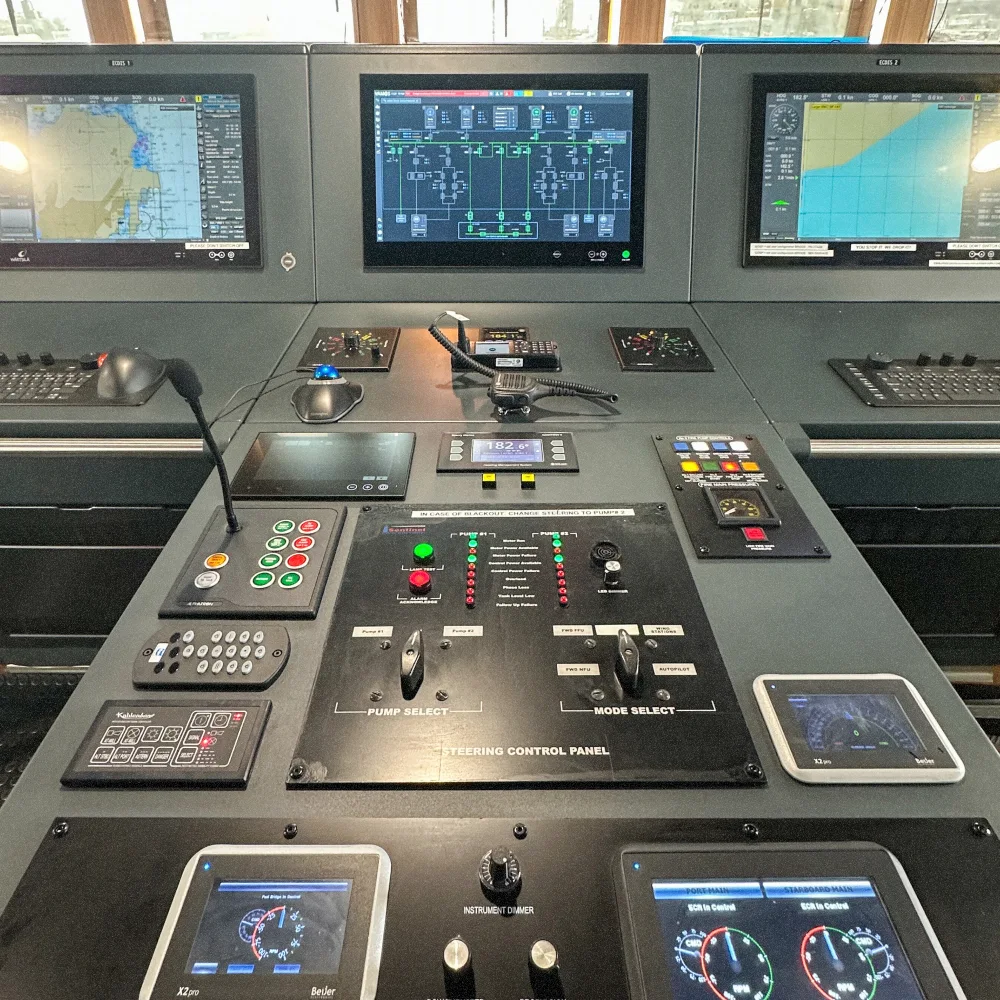
VAMOS the marine automation platform for vessel control, alarms, monitoring, power management and operational visibility.
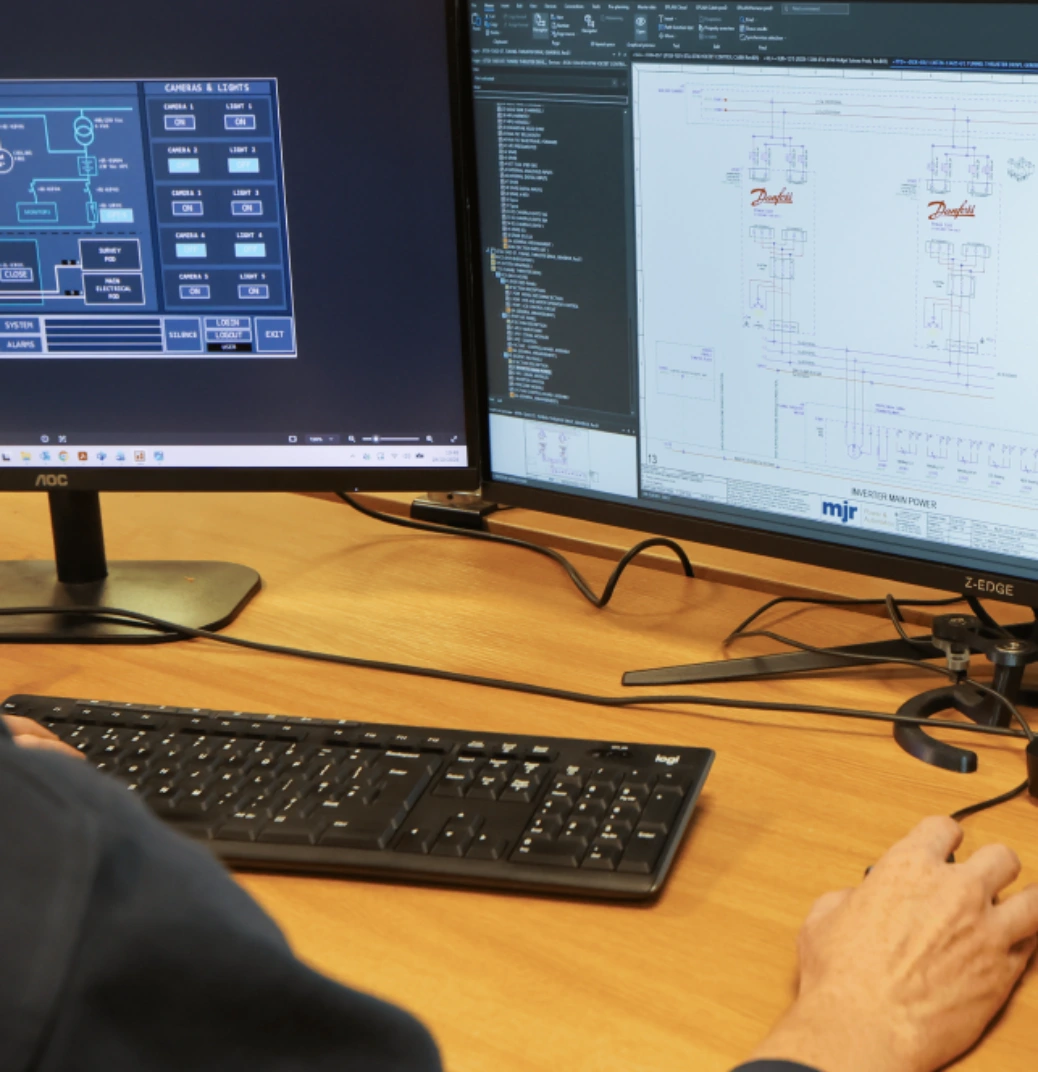
Marine electrical design, FEED studies, calculations and system engineering developed around vessel, offshore and project requirements.
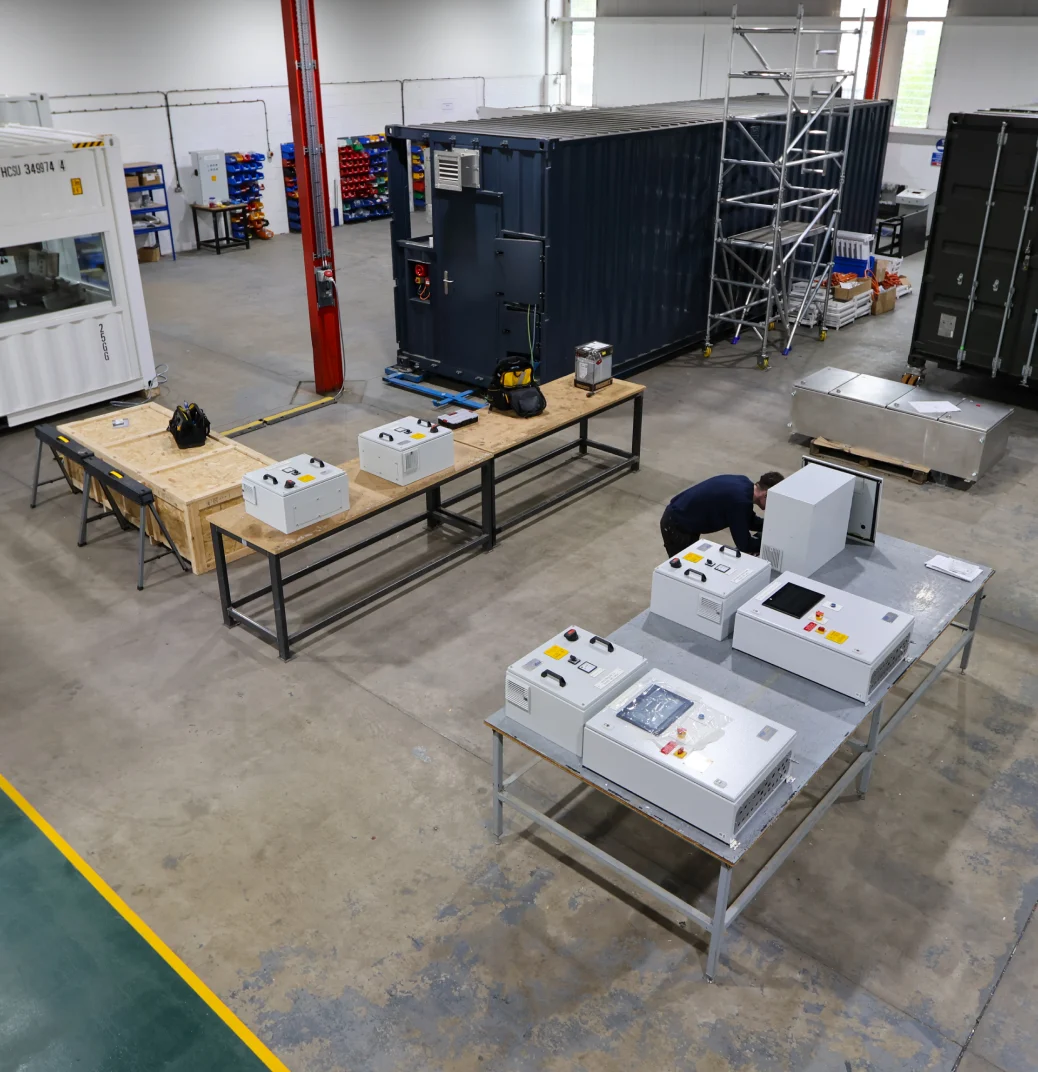
Integrated electrical power, switchboard, control and automation systems engineered, built and tested for demanding marine and offshore applications.
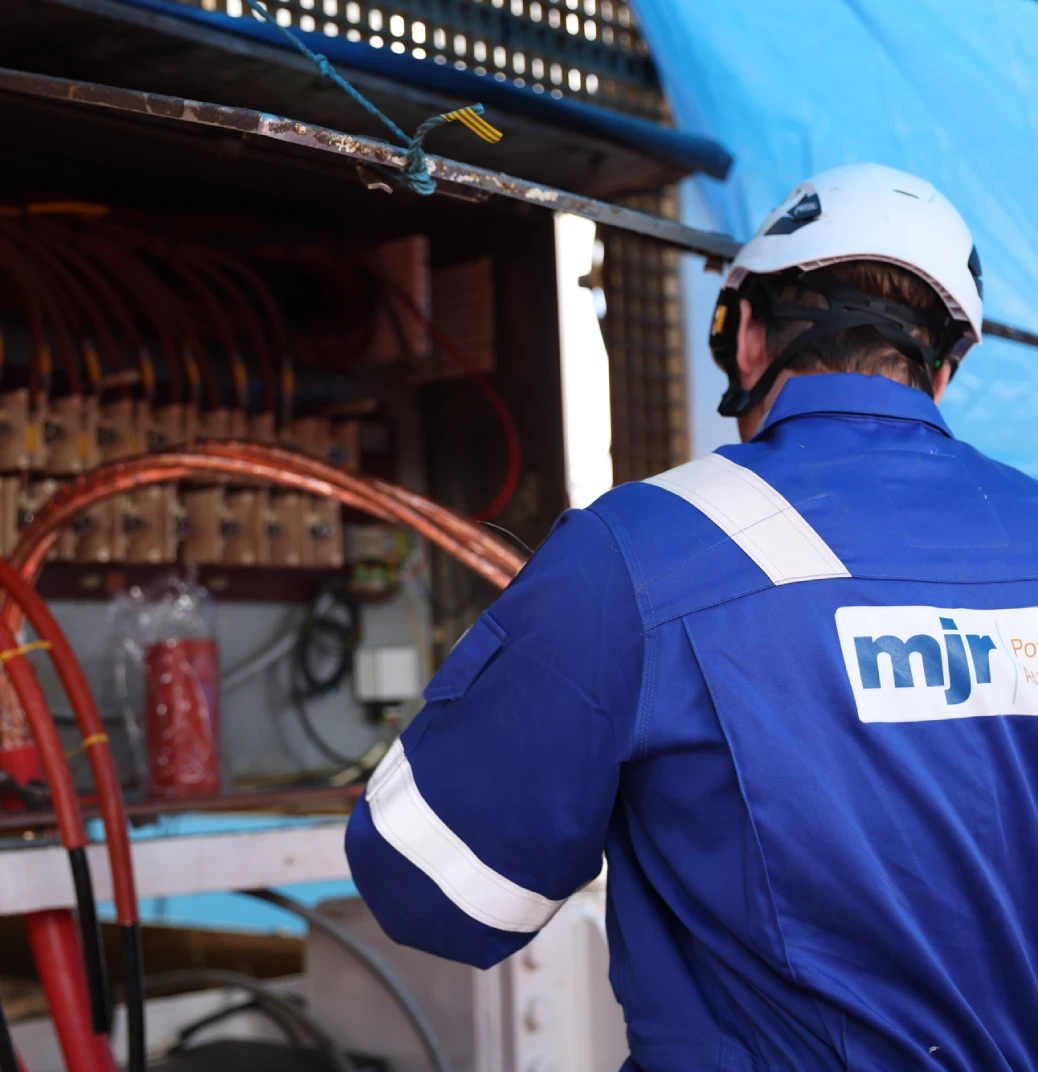
Marine electrical installation, onboard integration, vessel commissioning and functional testing through to technical handover.
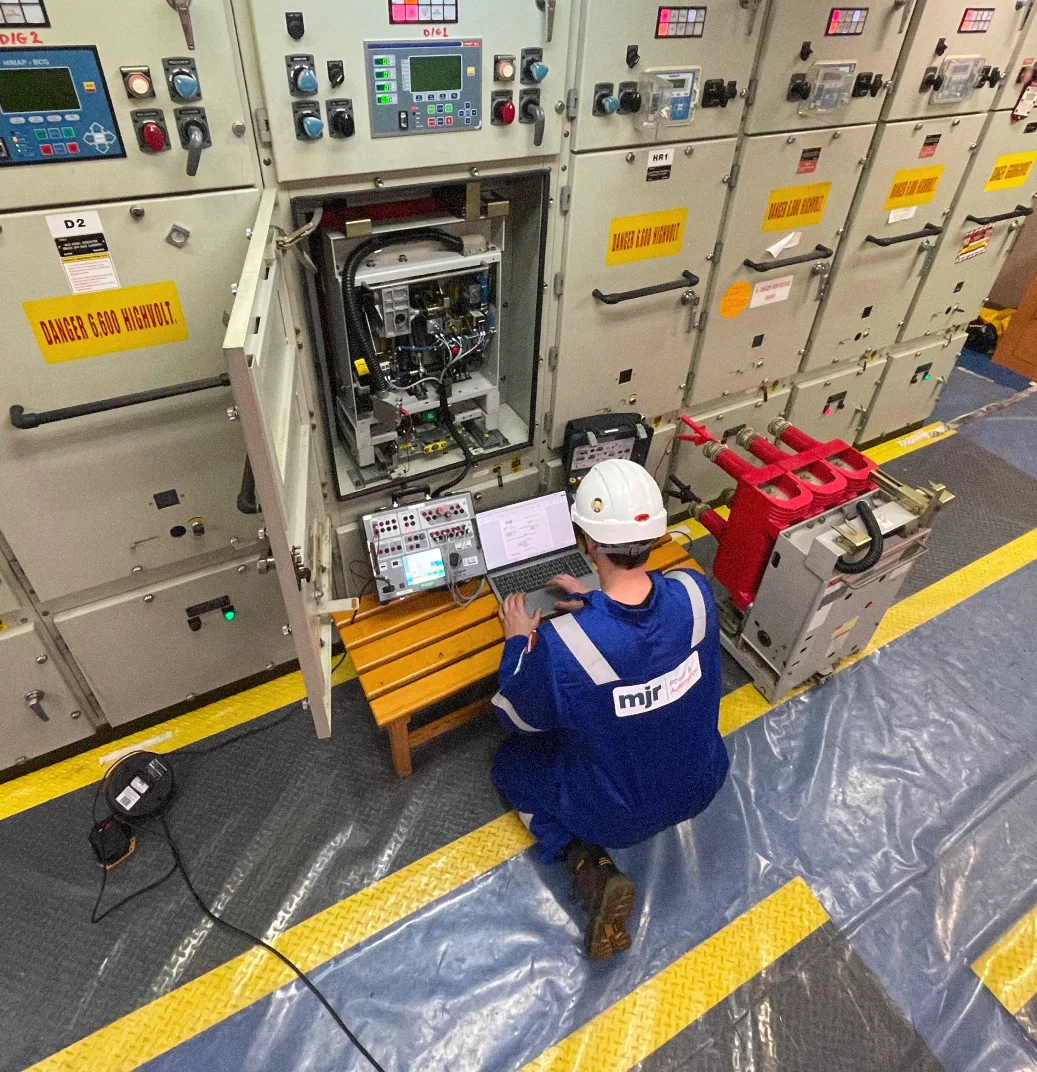
Marine electrical service, fault-finding, repair, testing, retrofit and lifecycle support for vessels and offshore assets.
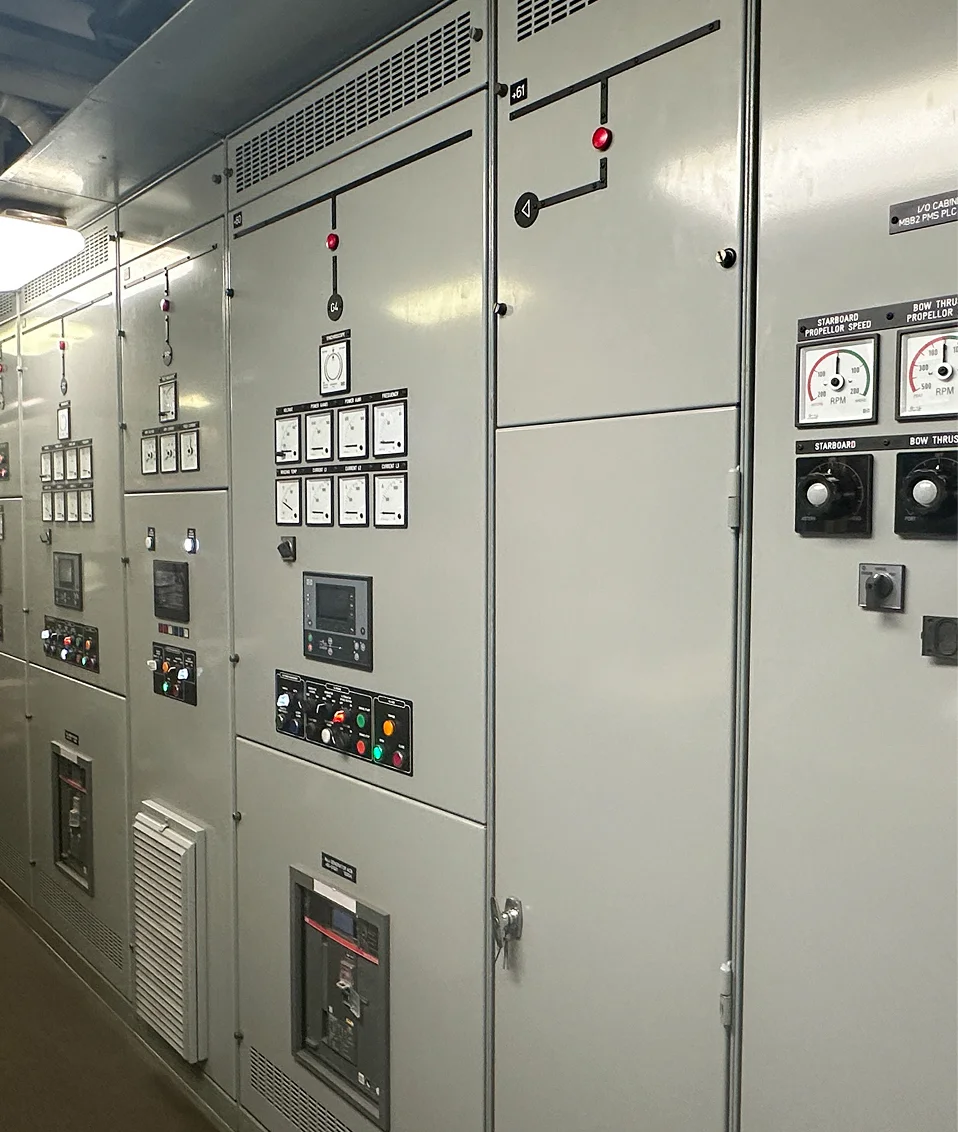
Marine power distribution systems covering generation, switchboards, power management systems, load sharing, protection and electrical distribution.
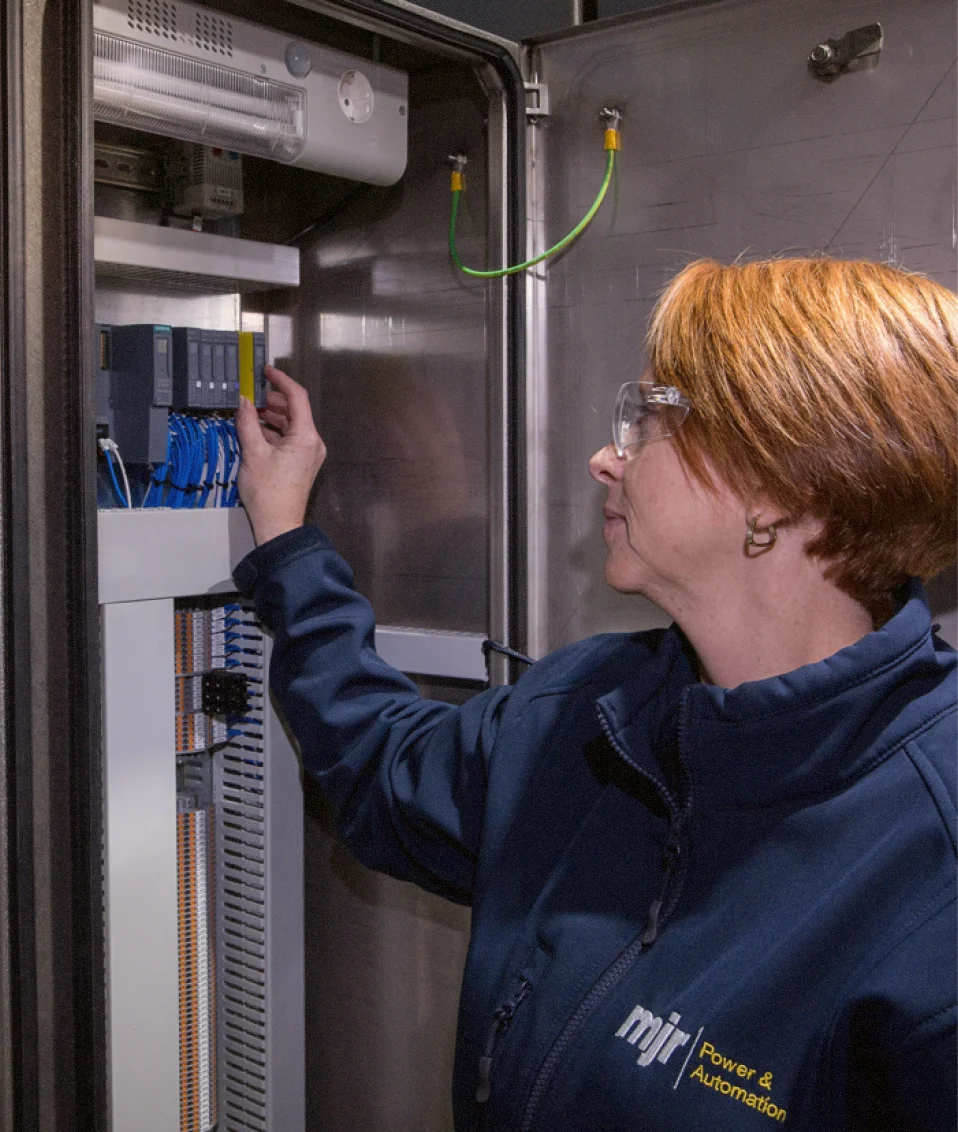
Marine automation systems integrating PLC, DCS, HMI, alarm monitoring, data logging, power management and vessel or offshore control.
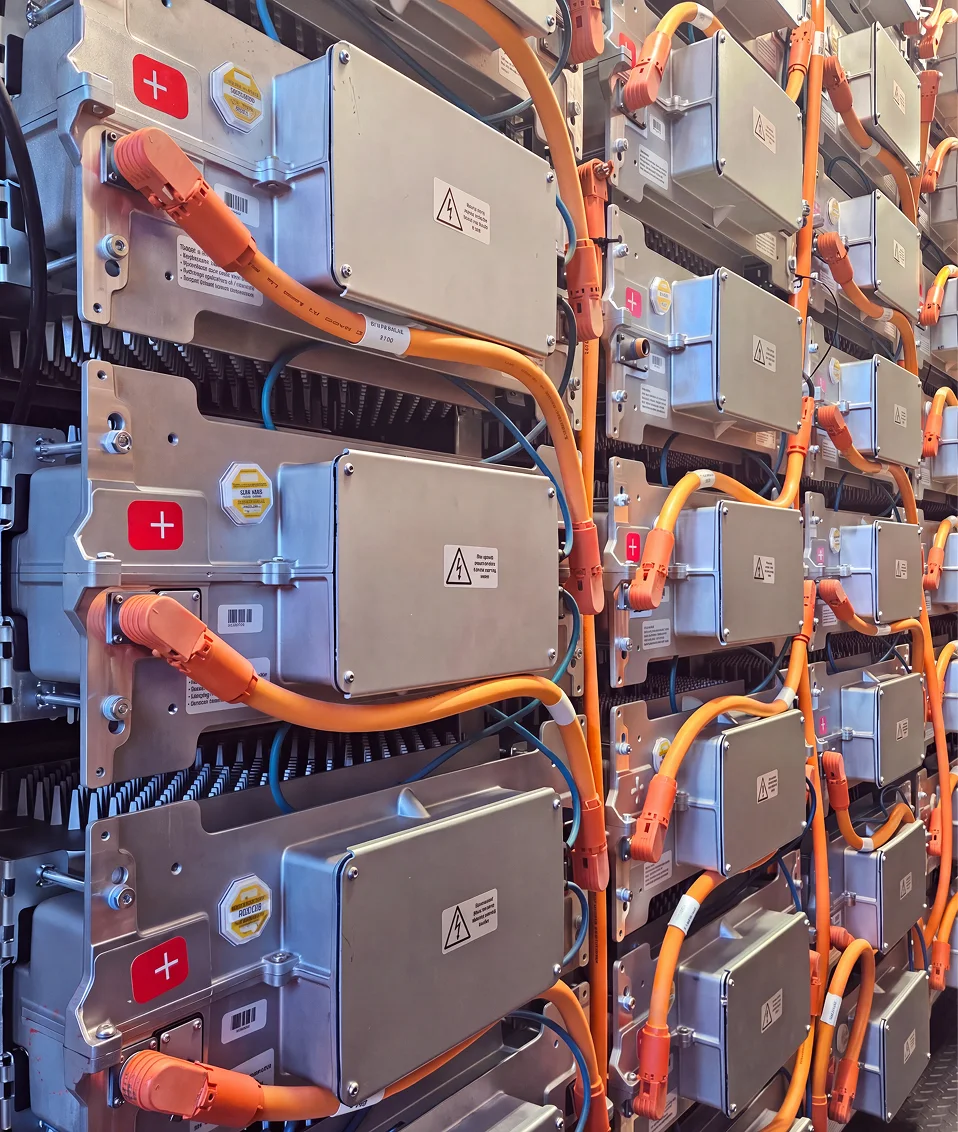
Marine energy storage systems including battery energy storage, BESS integration, supercapacitors, peak shaving, backup power and hybrid power support.
Sectors we are Powering
Follow MJR project updates, company news and technical insight covering marine electrical engineering, automation, shore power, offshore vessel charging and vessel electrification.
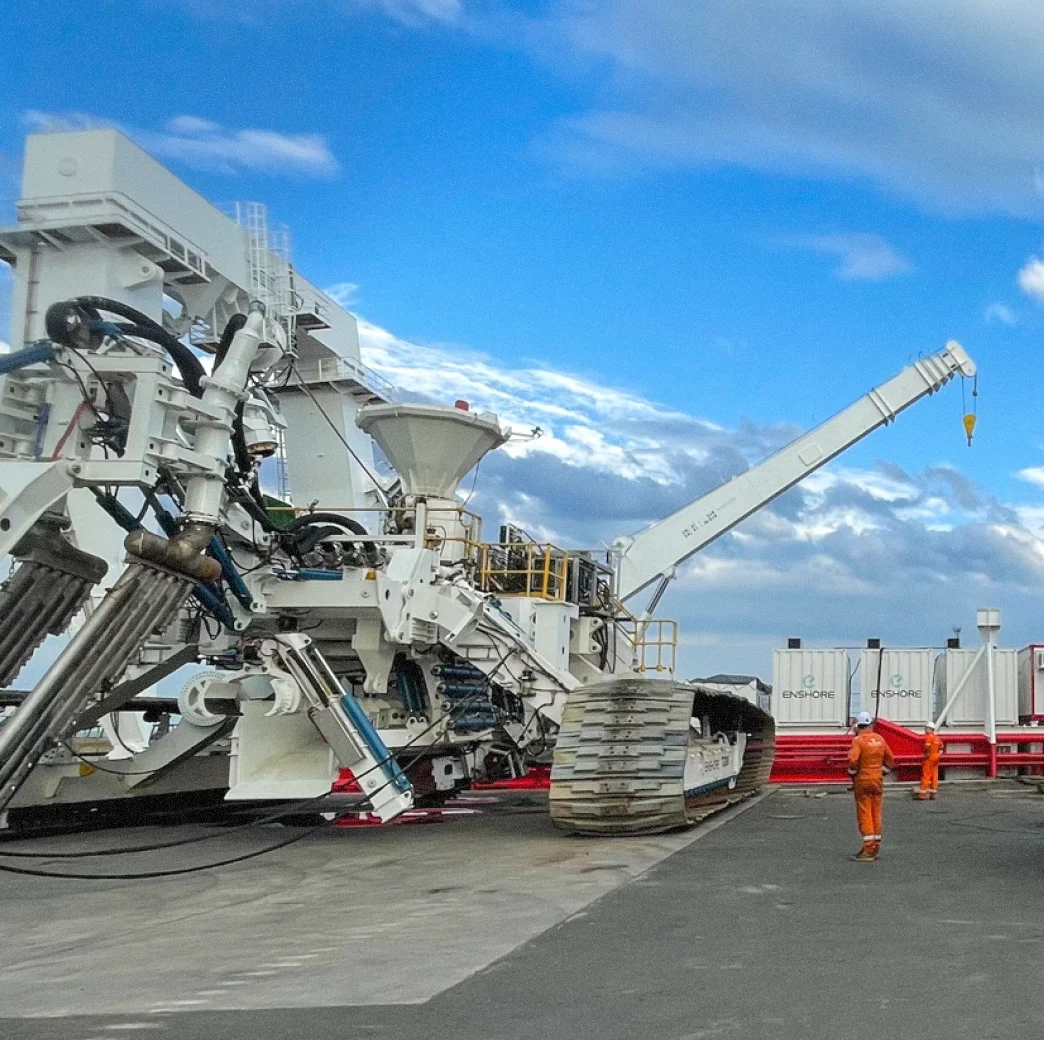
Show how MJR designs, installs, commissions and supports product systems.
Relevant Project Experience
Explore MJR projects involving vessel automation, monitoring, control and power management across newbuild, retrofit and upgrade programmes.
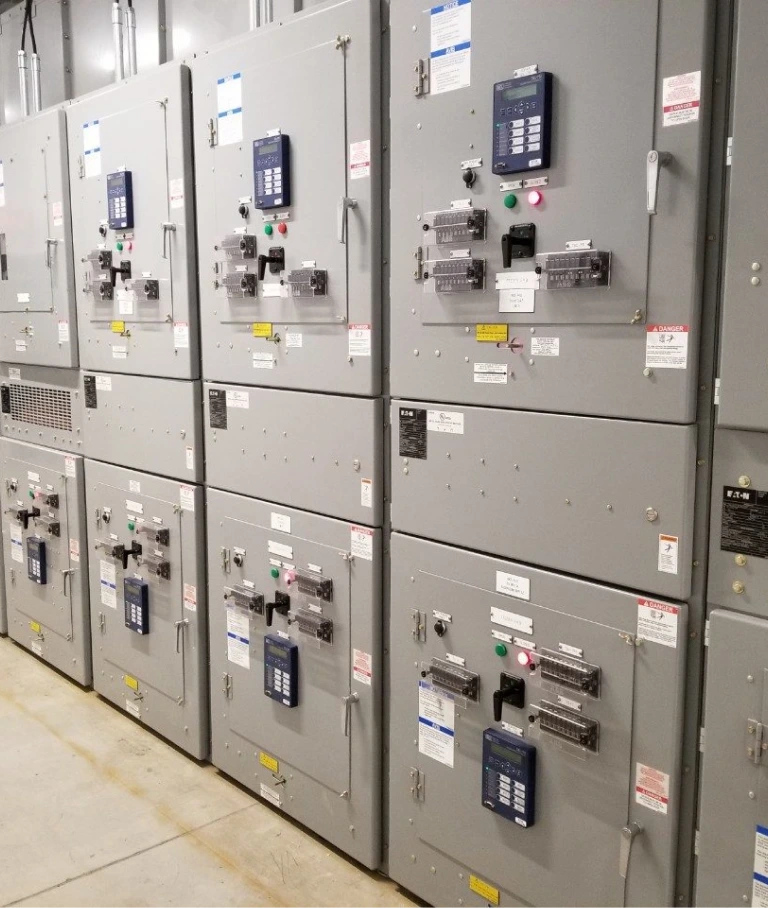
Design and Construction — 3.3kV Subsea Power Distribution
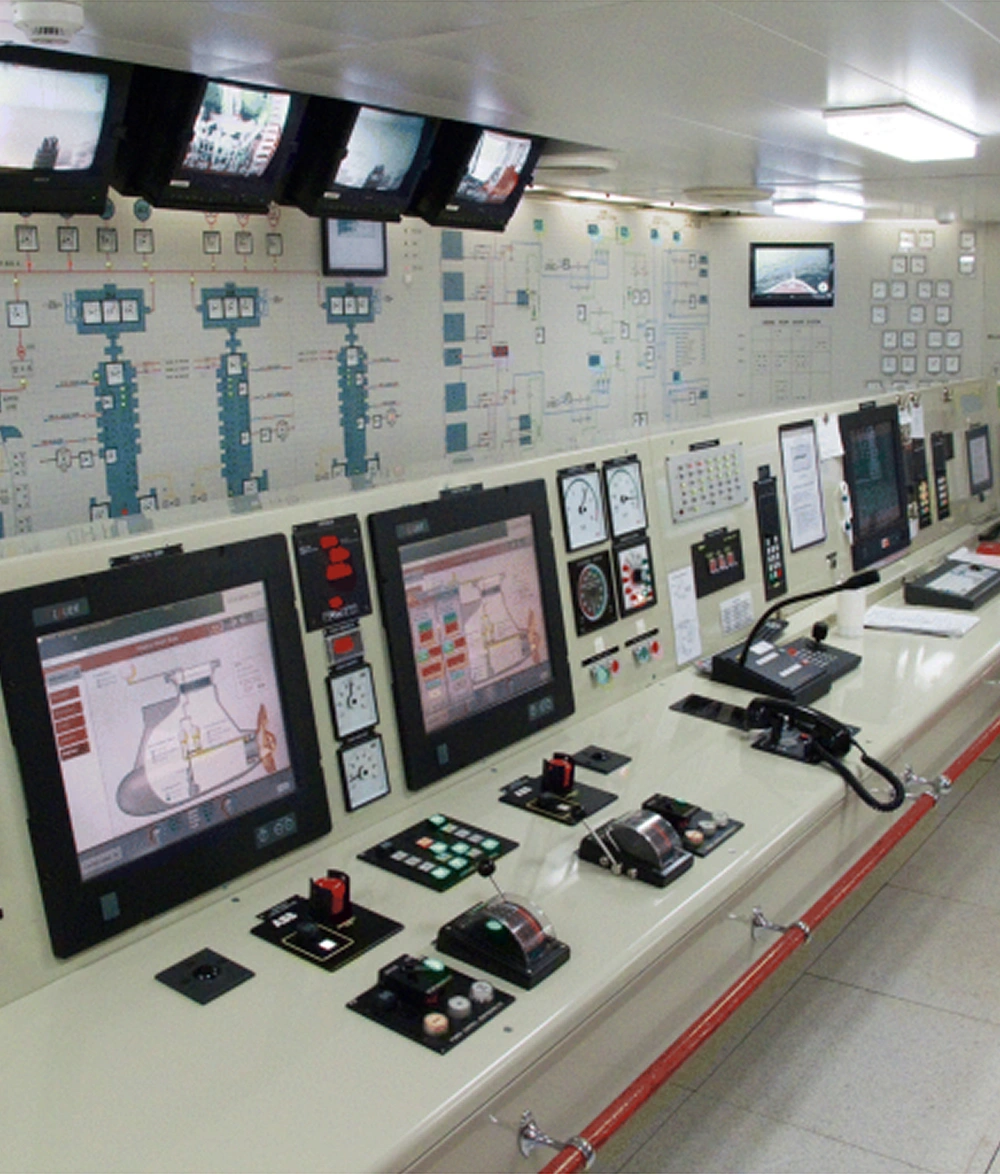
MJR Power & Automation efficiently replaced UECC's "MV Autotransporter" control systems during a seven-week docking in Santander, Spain. Detailed planning, adaptation, and efficient wiring reuse ensured seamless integration and substantial cost savings, all approved by class.
MJR Power & Automation safely completed a large-scale mobilisation project for McDermott, installing the IMECA Pipe-lay Tower System on the North Ocean 105 vessel. Work included back deck equipment mobilization and comprehensive system installations.
The Questions We Get Asked Most
Find answers to common questions about the project, including the systems involved, engineering approach, technical challenges and how the solution was delivered.