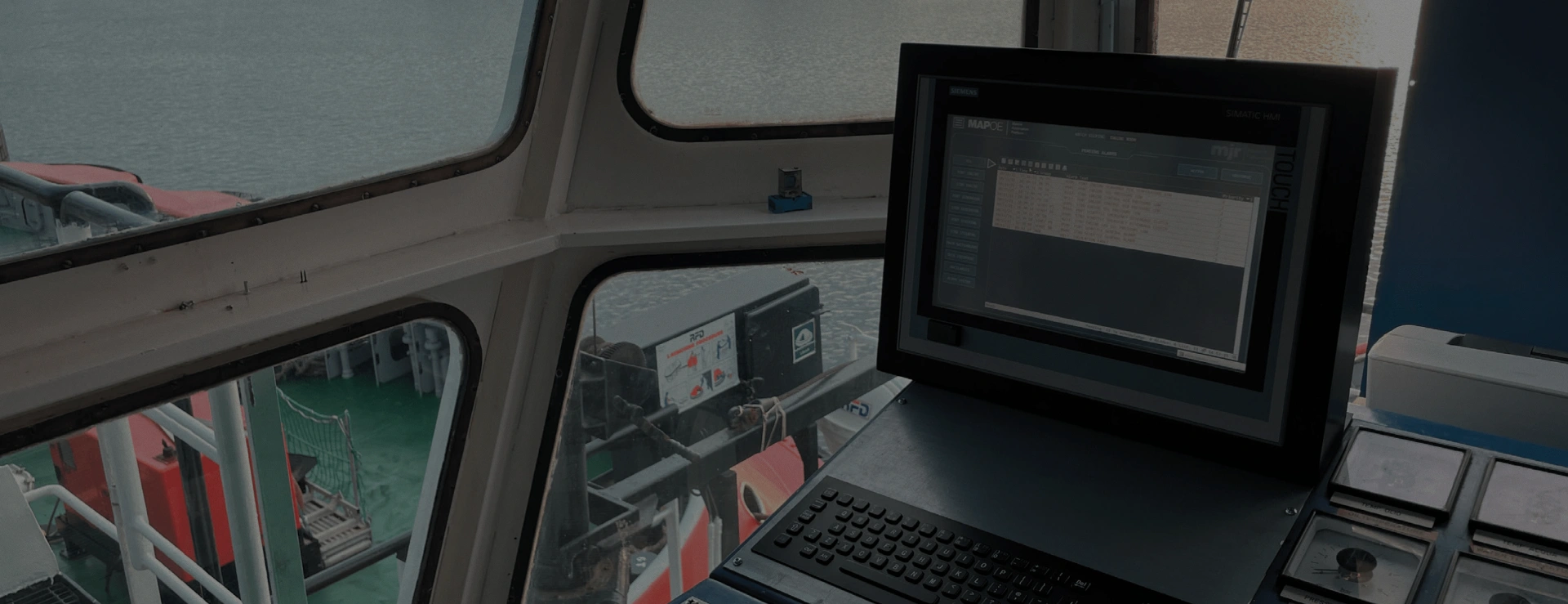
Alarm and Monitoring System for SMS Towage
Alarm & Monitoring System Upgrade — Retaining the Existing Cabling
Project Overview
MJR Power & Automation Upgrades an Alarm and Monitoring System for SMS Towage
A redundant, computer-based alarm and monitoring platform, operable from both the bridge and the engine room, installed onto the vessel's existing cabling and connection points.
SMS Towage commissioned MJR Power & Automation to upgrade the alarm and monitoring system on their vessel SMS Roman.
On a working tug, the alarm and monitoring system is what allows the crew to run the vessel with the machinery space unattended. It has to be reliable, it has to be visible from wherever the crew are, and it has to keep working when something else fails. The system on board no longer met that standard.
The constraint that shaped the project was the client's requirement to retain the existing cabling and connection points to the instrumentation. Rewiring a vessel is disruptive, expensive and slow; keeping the field wiring means the upgrade is confined to the equipment at each end of it. That decision defined what the new system had to be compatible with.
MJR Power & Automation delivered a computer-based main station with a graphical console in the engine room alarm panel, a supporting station on the bridge, an alarm annunciator for unattended engine room operation, and an Ethernet ring network immune to the failure of any single connection between stations. All built on MJR's MAP-OE marine automation platform.
Project significance MJR Power & Automation delivered a computer-based main station with a graphical console in the engine room alarm panel, a supporting station on the bridge, an alarm annunciator for unattended engine room operation, and an Ethernet ring network immune to the failure of any single connection between stations. All built on MJR's MAP-OE marine automation platform.
The challenge
The existing cabling and connection points had to stay.
Field wiring to the instrumentation was to be retained, so the new system had to work with the cabling, terminations and signal types already installed rather than specifying its own.
Operation from two locations.
Alarm and monitoring had to be possible from two positions on the vessel, not one — which means genuine dual operation, with each location capable in its own right.
Existing systems connected through outstations.
Systems already on board had to be brought in via remote units controlled by outstations, extending the reach of the new platform across equipment it did not replace.
A network that could not be allowed to overload.
Unused communication ports had to be disabled and active networking devices configured so that network overload could not occur at any time — an explicit reliability and, in effect, cyber security requirement.
Exact technology specified, exactly configured.
The client required specification of the precise computer-based technology to be used, together with configuration of pre-determined user defined settings, rather than leaving either to the supplier's discretion.
Scope of Work
Design, Build, Removal, Installation and Commissioning
- Full design specification for the alarm and monitoring system upgrade
- Computer-based main station with data logging and visualisation
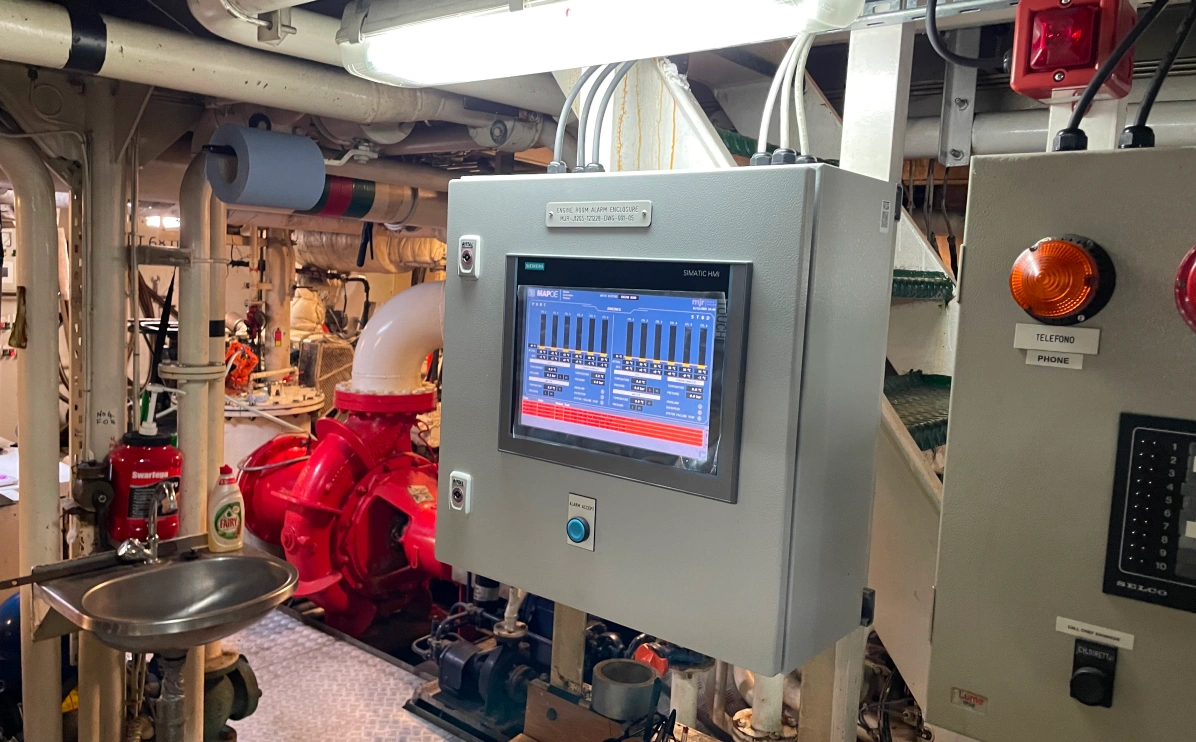
- Graphical console integrated into the engine room alarm panel
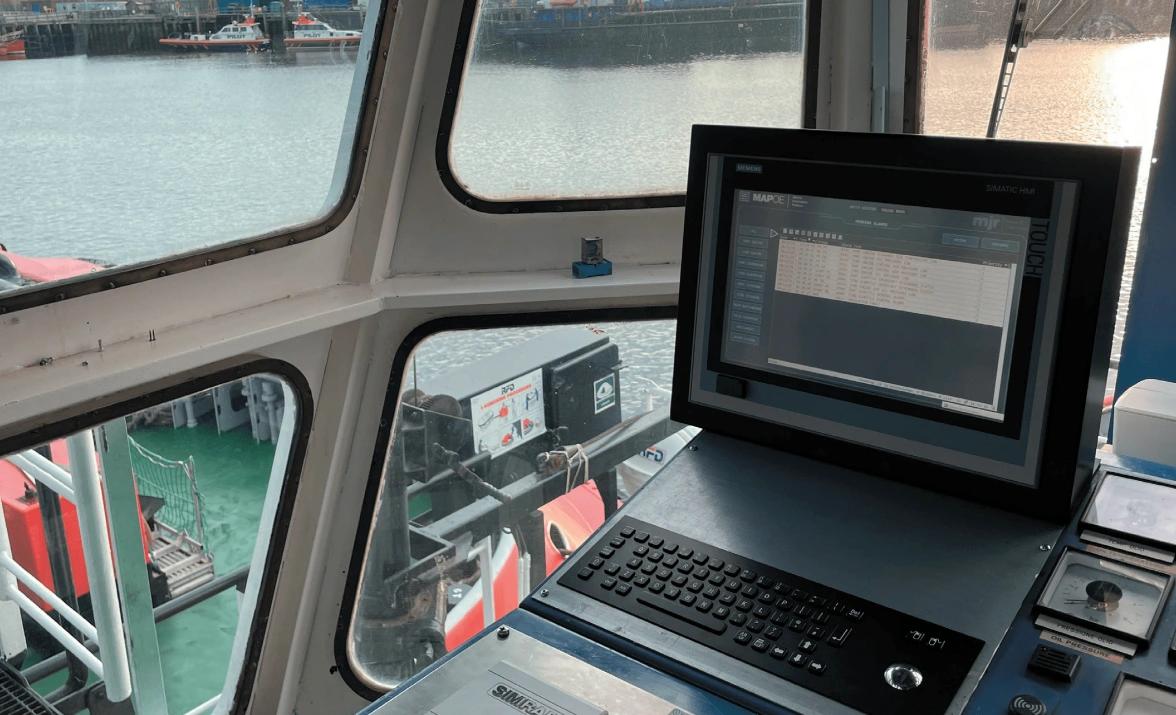
- Supporting station installed on the bridge
- Alarm annunciator to extend the alarm system for unattended engine room operation
- Ethernet ring network between stations
- Connection of existing systems via remote units controlled by outstations
- Configuration of all network devices to prevent network overload
- Disabling of unused communication ports
- Configuration of pre-determined user defined settings
- Full integration of MJR's MAP-OE platform
- Removal of the original system and full installation of the new one
- Full testing at MJR's facility prior to installation
- Installation and commissioning on board
Solutions Delivered
The Network — A ring that survives a broken link
The stations are connected on an Ethernet ring, which makes the system immune to the failure of any single connection between them. On a two-station system that is not a technicality: without the ring, one damaged cable isolates a station and the crew lose alarm coverage from wherever they happen to be standing.
All network devices were configured to prevent overload at any time, and unused communication ports were disabled, closing off both a reliability risk and an obvious route in.
The Stations — Alarms wherever the crew are
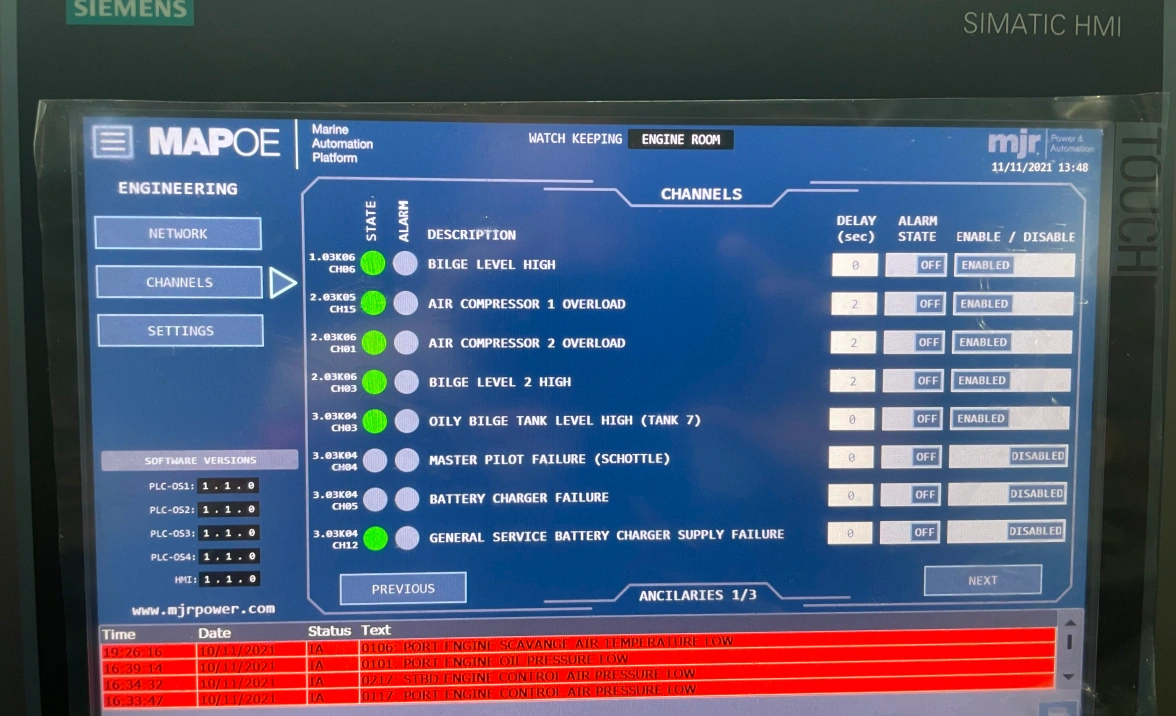
A computer-based main station provides data logging and visualisation the previous arrangement could not. A graphical console was integrated into the engine room alarm panel, giving access to all alarms and monitoring data at the machinery space itself, and a further installation on the bridge supports the station in that location in the event of a supply failure.
The result is that alarm and monitoring is genuinely available from two places, with each able to carry on if the other is lost.
The Annunciator — Covering an unattended engine room
An alarm annunciator extends the alarm system when the engine room is unattended, so a machinery alarm reaches the crew wherever they are rather than sounding into an empty space. On a tug operating with a small crew, this is what makes unattended machinery space working practical.
The Platform — MAP-OE, on the existing wiring
MJR Power & Automation's MAP-OE marine automation platform was fully integrated, covering the design, construction and automation, the removal of the original system and the installation of the new one. The complete system was tested at MJR's facility before it went to the vessel, the same pre-installation approach used on the Corystes, Heortnesse and supercapacitor projects, with installation and commissioning carried out on board.
Throughout, the existing cabling and connection points to the instrumentation were retained.
Delivery & Approval
The complete system was fully tested at MJR's facility prior to installation, with the original system removed and the new one installed and commissioned on board.
Technical Summary
- Client SMS Towage
- Vessel SMS Roman — tug
- Sector Commercial Marine; Ports & Harbours
- Project Alarm and monitoring system upgrade
- Defining constraint Retain existing cabling and connection points to instrumentation
- Platform MJR MAP-OE marine automation platform
- Main station Computer based, with data logging and visualisation
- Operator positions Two — bridge and engine room alarm panel
- Network Ethernet ring, immune to failure of any single connection between stations
- Unattended operation Alarm annunciator extending the alarm system when the engine room is unattended
- Existing systems Connected via remote units controlled by outstations
- Network security Port, starboard, pipelay, ROV and thrusters
- Pre-installation Full system testing at MJR Power & Automation's facility
- Scope Design, construction, automation, removal of original system, installation and commissioning
Project Outcomes
A Redundant, Dual-Station System on the Vessel's Original Wiring No rewire.
The upgrade was delivered onto the existing cabling and connection points, avoiding the cost, disruption and time a full instrumentation rewire would have required.
Alarm coverage from two locations.
Bridge and engine room stations both provide full access to alarms and monitoring data, with each supported against the loss of the other.
No single point of failure in the network.
The Ethernet ring keeps the system operating through the loss of any one connection between stations.
Unattended engine room operation supported.
The alarm annunciator extends coverage when the machinery space is unmanned.
Data logging and visualisation added.
The computer-based main station provides capability the previous system did not have, including a record of what happened and when.
A hardened network.
Unused ports disabled and devices configured against overload, closing off both reliability and access risks.
Gallery
Share your vessel, equipment and interface requirements with MJR.
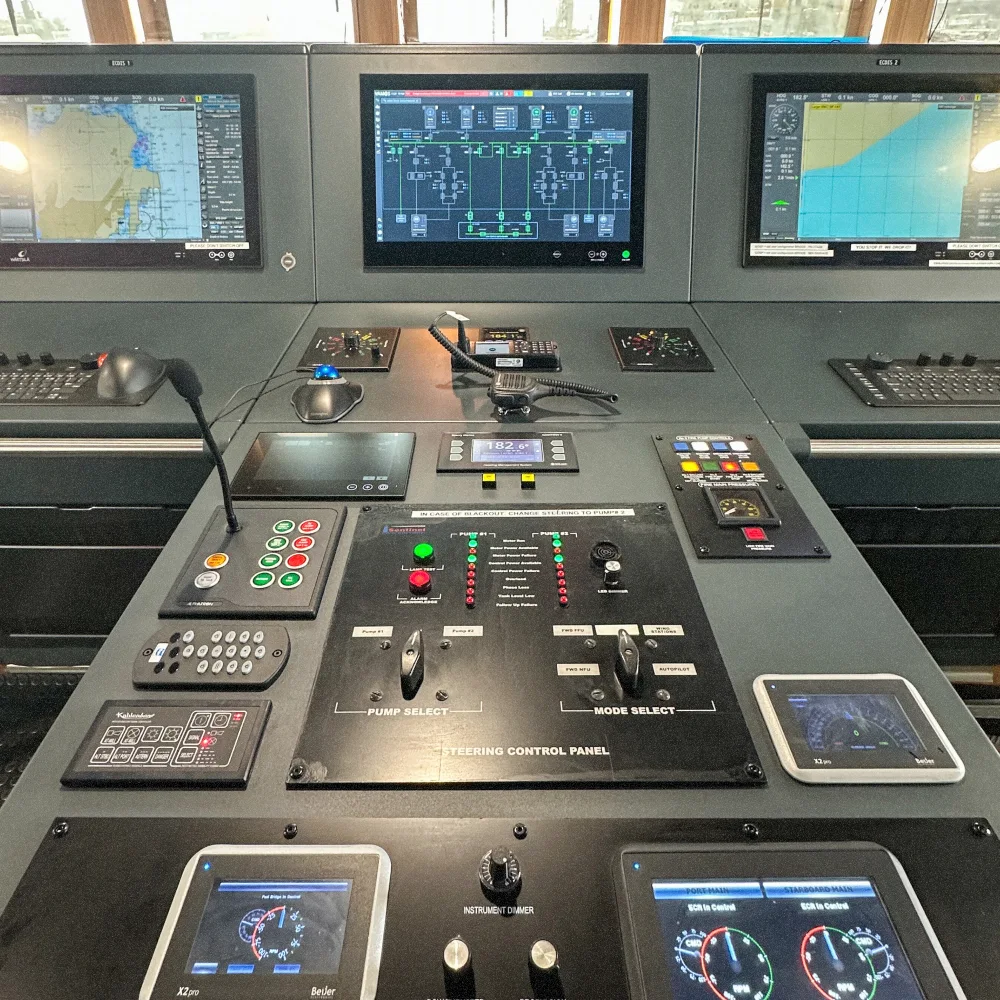
VAMOS the marine automation platform for vessel control, alarms, monitoring, power management and operational visibility.
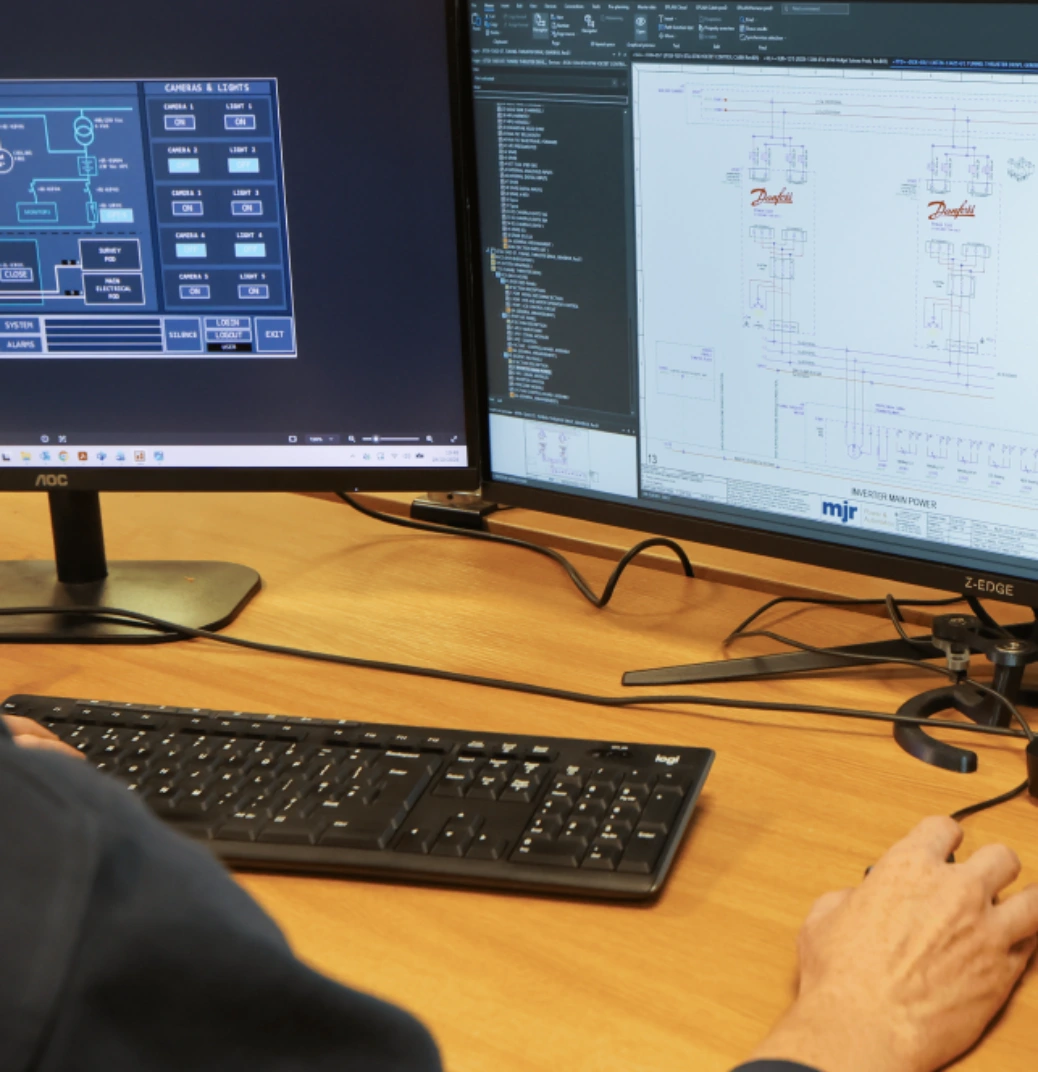
Marine electrical design, FEED studies, calculations and system engineering developed around vessel, offshore and project requirements.
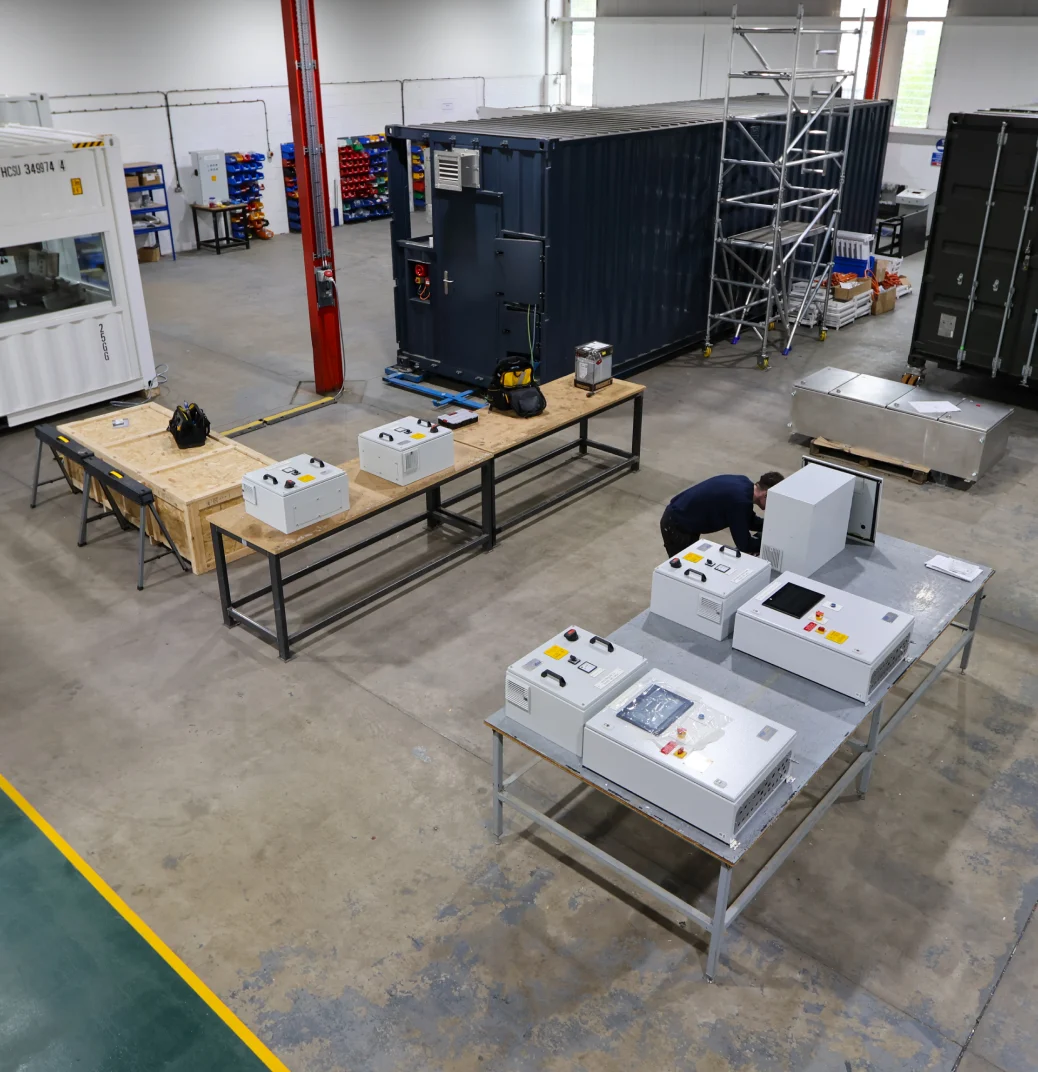
Integrated electrical power, switchboard, control and automation systems engineered, built and tested for demanding marine and offshore applications.
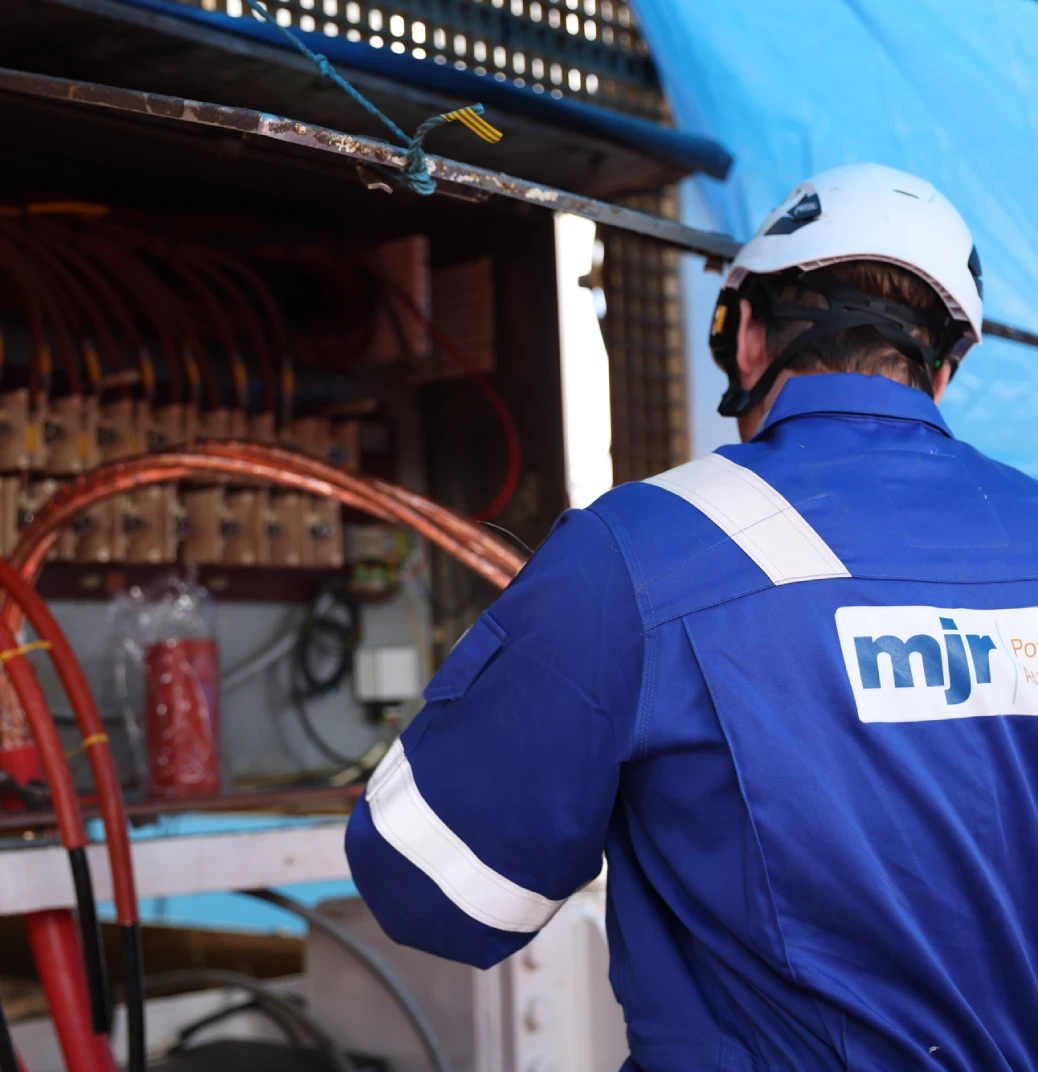
Marine electrical installation, onboard integration, vessel commissioning and functional testing through to technical handover.
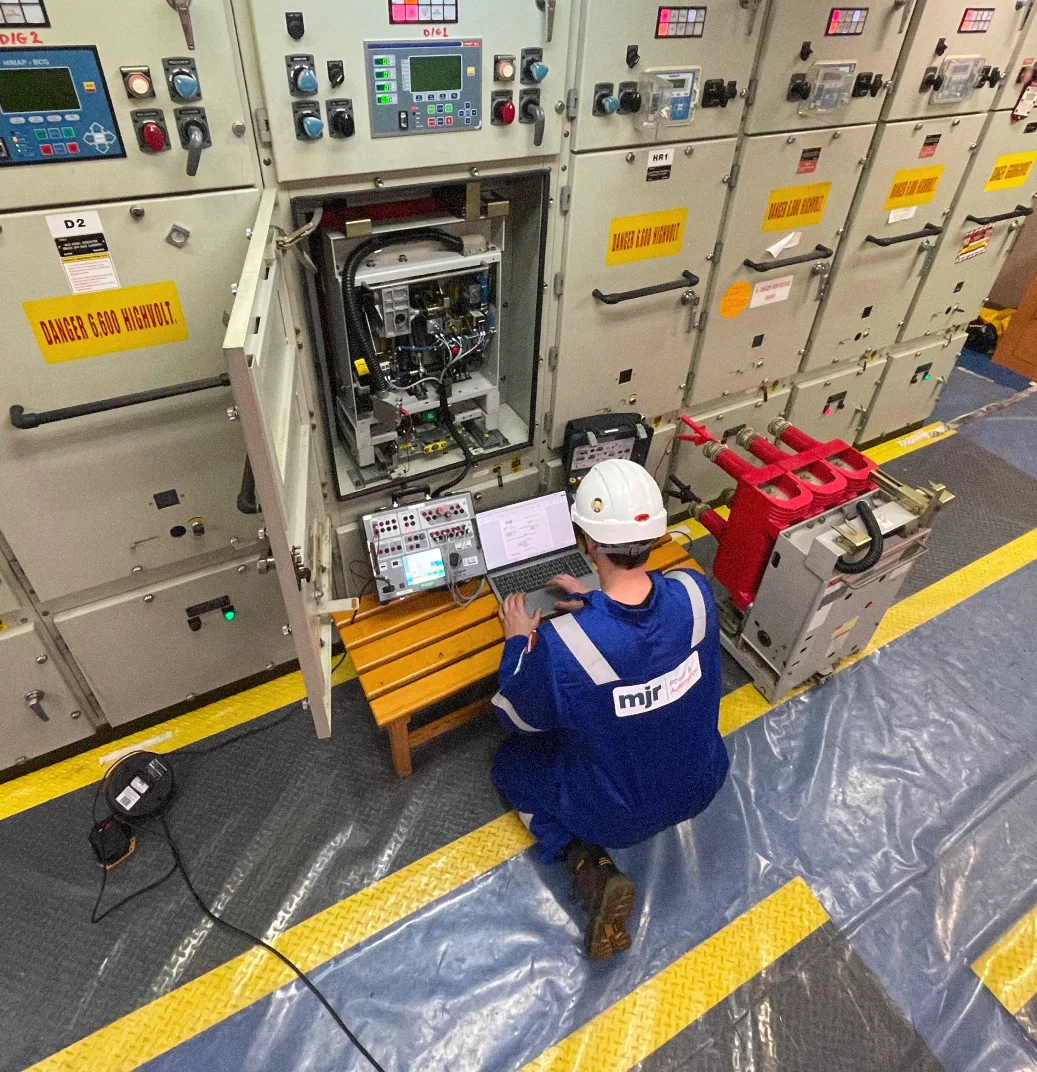
Marine electrical service, fault-finding, repair, testing, retrofit and lifecycle support for vessels and offshore assets.
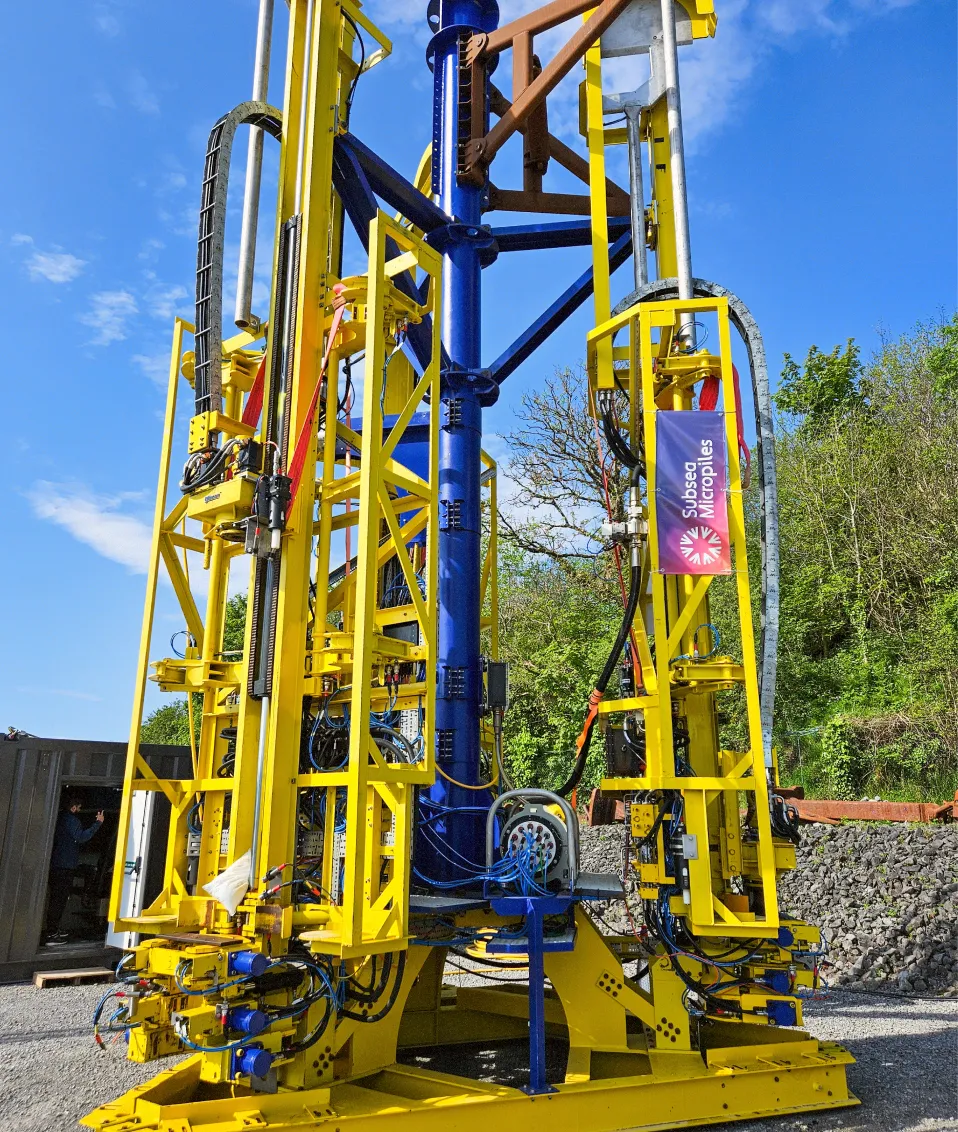
Integrated subsea power and control systems for ROVs, trenchers, ploughs, cable-lay equipment and specialist offshore and subsea machinery.
Sectors we are Powering
Follow MJR project updates, company news and technical insight covering marine electrical engineering, automation, shore power, offshore vessel charging and vessel electrification.
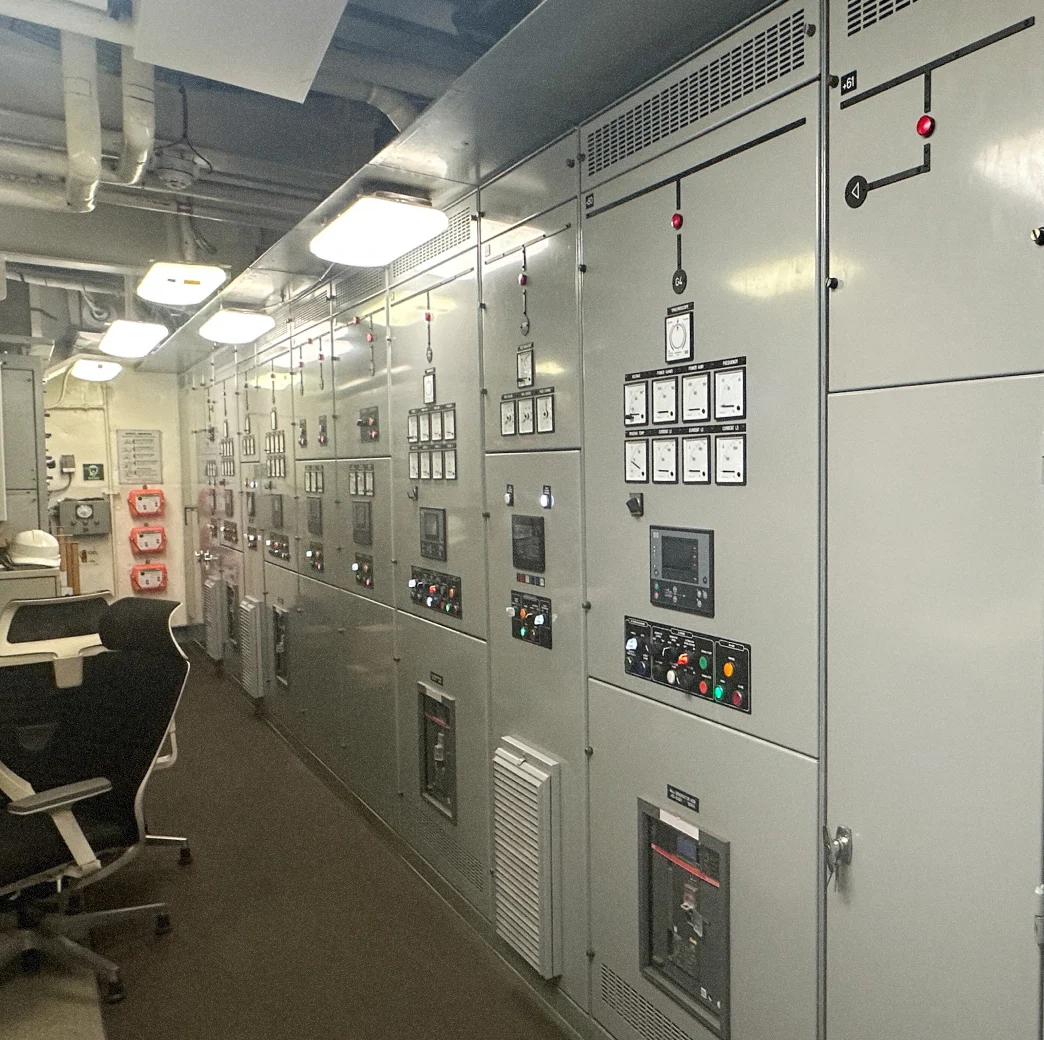
Show how MJR designs, installs, commissions and supports product systems.
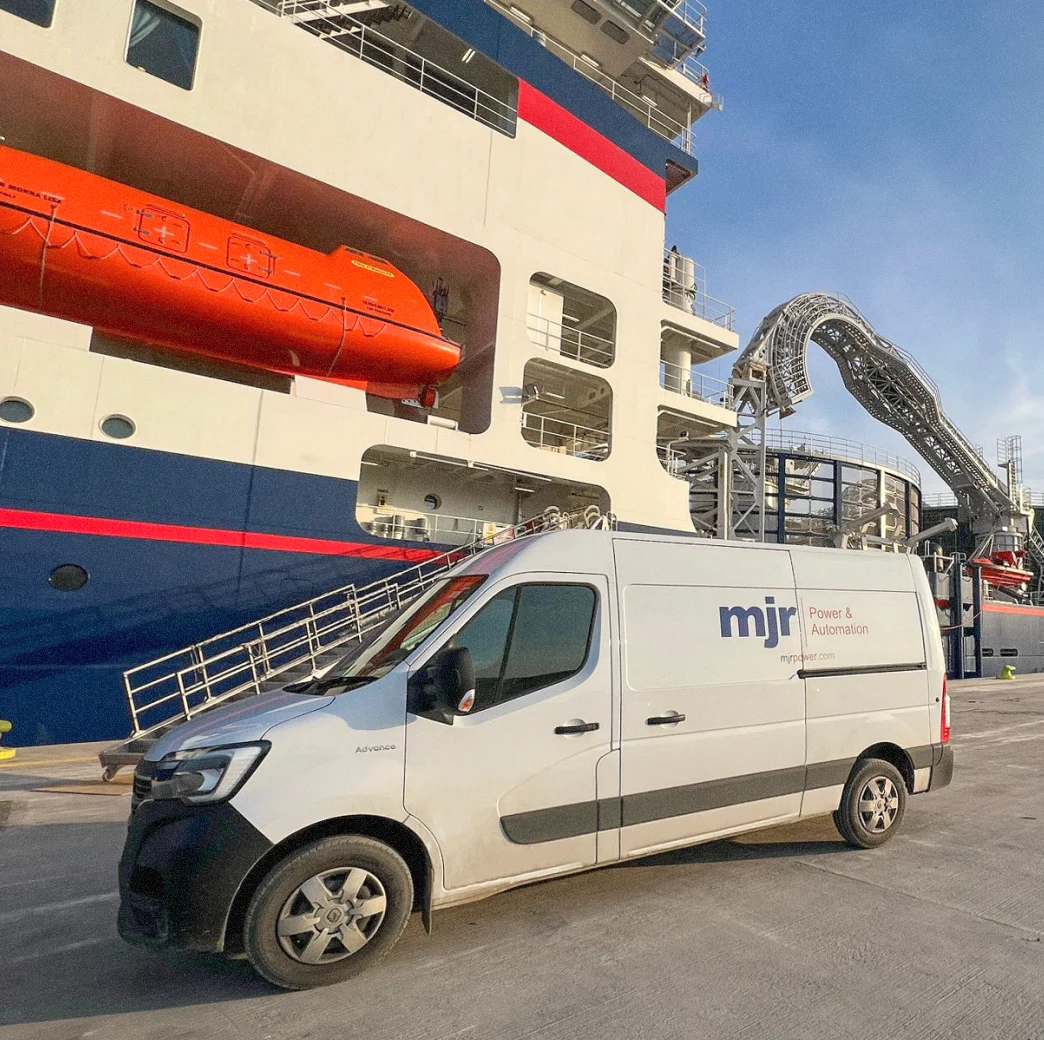
Show how MJR designs, installs, commissions and supports product systems.
Relevant Project Experience
Explore MJR projects involving vessel automation, monitoring, control and power management across newbuild, retrofit and upgrade programmes.
Ballast Control System Replacement — Installed In Service

Dredger Life Extension — Power, Propulsion, Dredging & Automation
The Questions We Get Asked Most
Find answers to common questions about the project, including the systems involved, engineering approach, technical challenges and how the solution was delivered.