Heortnesse Life Extension Project
Dredger Life Extension — Power, Propulsion, Dredging & Automation
Project Overview
Heortnesse Dredger Life Extension Project
A complete diesel electric propulsion, dredging and automation replacement — designed, built and factory tested at MJR's Teesside facility, then installed on board in six weeks.
Heortnesse is a diesel electric trailing suction hopper dredger built in 1979 by Scheepswerf Verschure, owned and operated by PD Ports. She maintains the navigation channels of the Tees Estuary and keeps Teesport, one of the UK's largest commercial ports, safely navigable. When she stops working, the port's access is on a clock.
At over forty years old her hull and steelwork remained in very good condition — good for many more years of dependable service. Her equipment and systems were the problem: obsolete, and no longer maintainable. Given the state of the hull, a life extension of around seventeen years was assessed as a practical and cost-effective alternative to retiring and replacing the vessel, provided most of her essential equipment and systems were replaced.
Bidding against fierce international competition, including some of the best-known names in marine power generation, propulsion and automation, MJR Power & Automation was awarded the contract by A&P Group in 2019 to design and replace the vessel's entire diesel electric propulsion, dredging and automation plant.
Engineering was carried out at MJR's Teesside facility in the last quarter of 2019, including full design approval by Lloyd's Register of Shipping, with system build and factory acceptance testing in the first quarter of 2020. Installation followed over a six week period in March 2020 — in the midst of the COVID-19 pandemic, under restricted working conditions and access.
Project significance Life extension is a different proposition from an upgrade. Here, Heortnesse kept her hull and lost almost everything inside it, and the case for doing that rested on the replacement plant being good for seventeen years, which is why obsolescence, supportability and open systems run through every part of this scope.
The challenge
A good hull wrapped around unmaintainable systems.
The steelwork was sound and good for many more years. The equipment was not: obsolete and no longer maintainable, which on a vessel maintaining a major port's navigation channels converts directly into risk to the port.
Replace the vessel or replace almost everything in it.
Life extension only makes sense if the replacement plant will outlast the decision. Around seventeen years was the target, which set the standard for how supportable the new systems had to be.
A power plant run entirely by hand.
The existing 660V AC main switchboard had no automatic generator synchronising, switching or load sharing, and no automatic means of matching generation capacity to load demand. While dredging, the engineers had to continuously monitor electrical demand and manually control the generation plant to match it — full-time supervision that came out of the time available for maintenance.
Fierce international competition.
The contract was won against some of the best-known names in marine power generation, propulsion and automation, which set the technical and commercial bar the proposal had to clear.
Six weeks on board, in March 2020
Installation ran over six weeks in March 2020, the period covering the start of the first UK lockdown with restricted working conditions and access on a vessel that still had to come back into service.
Replacing cubicles would have been ruinous.
Wholesale replacement of the drive cubicles would have meant steelwork, piping and electrical system removal and reinstatement across the machinery spaces: extremely disruptive and expensive for the owner, and hard to fit inside any realistic outage.
Scope of Work
Complete Turnkey Package — Engineering, Procurement, Installation and Commissioning
Systems disconnected, removed, replaced and installed:
- Main and auxiliary propulsion variable speed drives — 2 x 1.5MW plus 1 x 500kW
- Dredging pump variable speed drive — 1 x 1.2MW
- Flushing pump starter — upgraded to soft starting, 500kW
- Dredging control system
- Main hydraulic power unit remote control system
- Diesel engine and generator control and protection systems
- Diesel engine instrumentation and sensors
- Machinery alarm and monitoring system
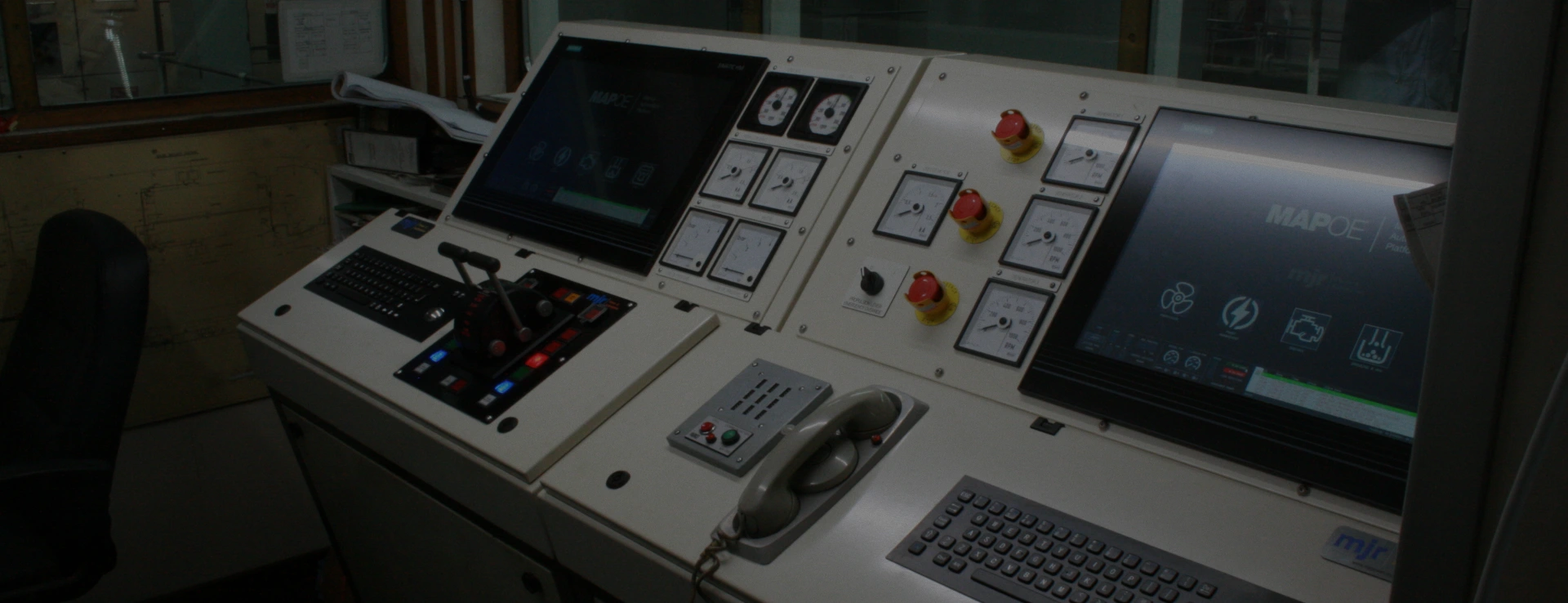
- Bridge navigation and dredging control consoles
- Engine control room consoles
- 24VDC automation battery and power distribution system
- Main switchboard modification and full power management system
Basic and detailed hardware and software design of:
- Propulsion variable speed drive and remote control system
- Dredging variable speed drive and remote control system
- Hydraulic system
- Integrated machinery automation and control system
- Power management system
- Diesel engine supervision and safety system
- Bridge, dredging and engine control room consoles
Construction and FAT at MJR Power 7 Automation's Teesside facility, with Lloyd's Register design approval:
- System construction and assembly
- Hook up and FAT with client and class
- Disassembly, packing and shipping of the system to the vessel
Work on board:
- Decommissioning and stripping out of existing equipment
- Cable pulling
- Installation and integration of the new equipment
- Commissioning, harbour trials and sea trials with owner and class
- Handover and training
Solutions Delivered
The Decision — Reusing the drive cubicles
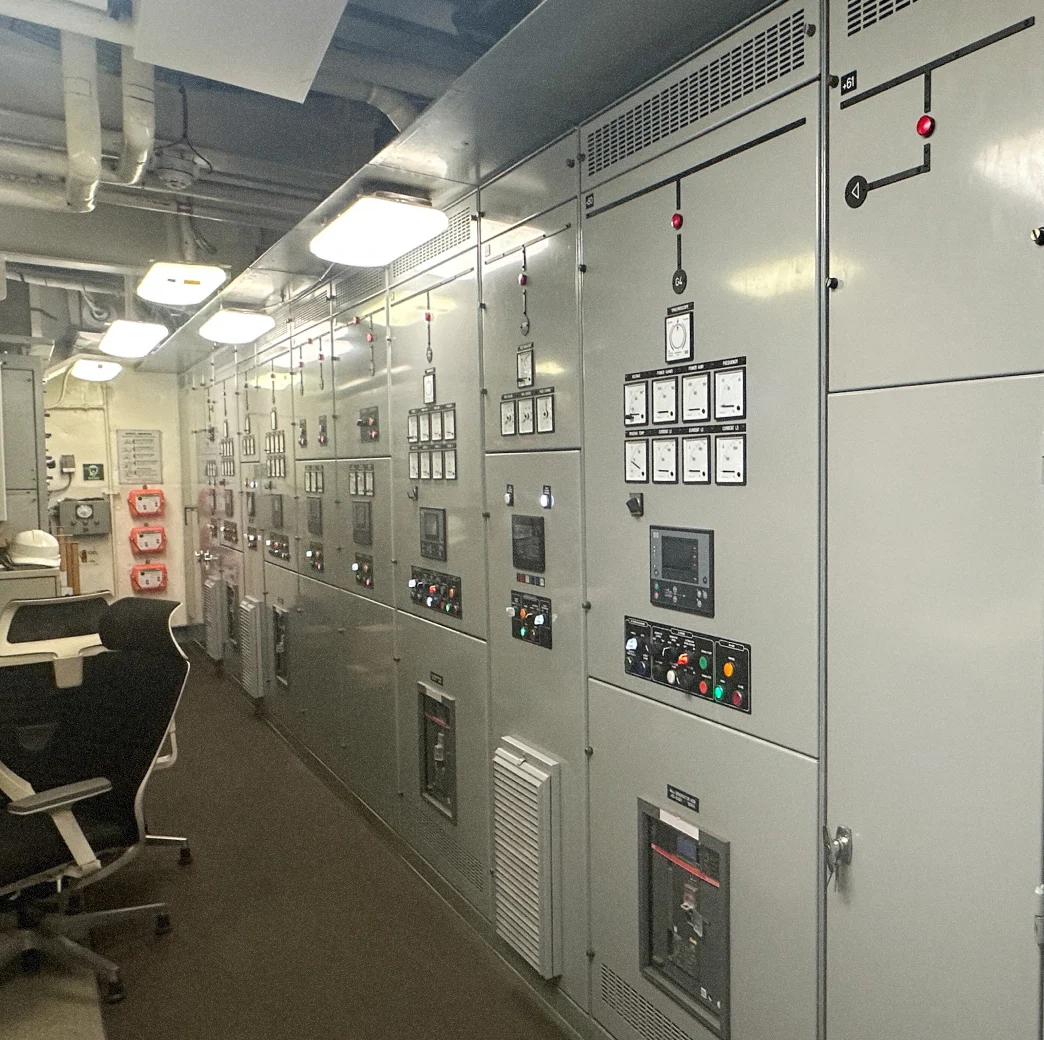
All propulsion and dredging variable speed drives were replaced, along with their switchgear, busbars, protection, filters, chokes and control systems. But a detailed survey established that the existing drive cubicles themselves were sound and could be reused.
So MJR Power & Automation pre-built the new drives and auxiliary switchgear onto drop-in frames and chassis plates sized to the existing cubicles. The complete system was hooked up and tested at MJR's facility, allowing an extensive FAT with the owner and class before anything went to the vessel, and the pre-built assemblies could then be dropped straight into the existing cubicles once the old equipment was out.
The source is unusually candid about the trade-off, and the page should keep that candour: this made the installation considerably more complex and difficult for MJR than simply supplying new cubicles would have been. It was done because it saved the owner a significant cost. Replacing the cubicles would have required steelwork, piping and electrical removal and reinstatement that would have been extremely disruptive and expensive.
The Power Management — From full-time manual control to automatic
The existing 660V AC main switchboard was modified to add a full power management system, integrated with the MAP-OE platform, providing:
- Load dependent start and stop of generators
- Fully automatic synchronising and load sharing of generators
- Automatic propulsion and dredging system load reduction for blackout prevention
- Automatic blackout restart
- Heavy consumer start interlock
- Sophisticated generator protection and safety
The operational change is the point. Before, an engineer watched the load and worked the generation plant by hand throughout every dredging operation. After, the plant matches itself to demand, and that engineer's time goes back into maintenance. It is a rare case of an automation upgrade with a clearly stated human outcome, and it should be told that way rather than as a feature list.
The Generators — Digital control and full instrumentation renewal
Each of the three generator engines received a digital control unit for engine control and safety, with all engine sensors and instrumentation replaced: lube oil pressure transmitters and switches, jacket water temperature transmitters and switches, main bearing temperature transmitters, and engine exhaust gas sensors. Power management controllers and replacement generator instrumentation were installed for each machine in the main switchboard.
The Platform — MAP-OE integrated machinery automation and control
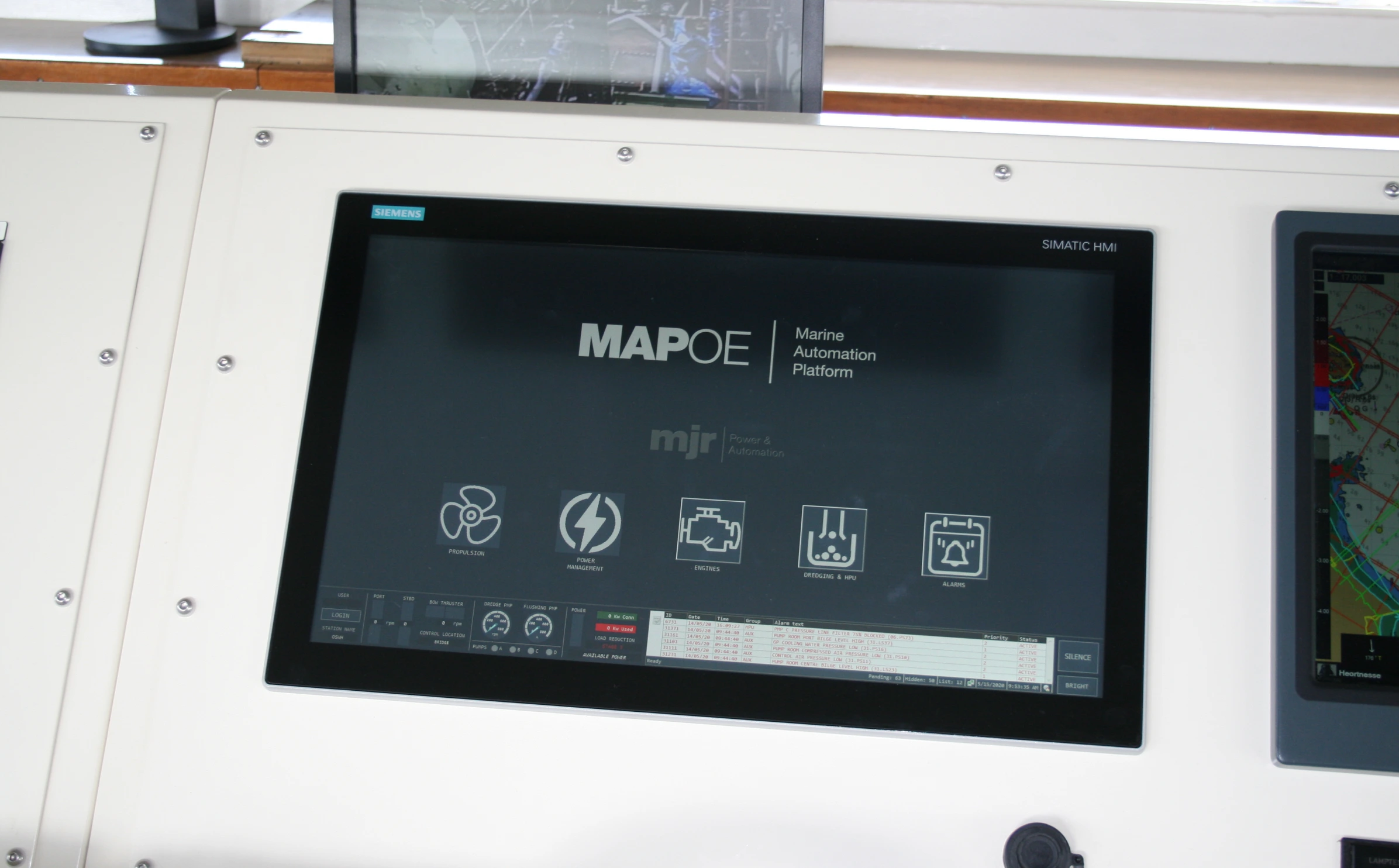
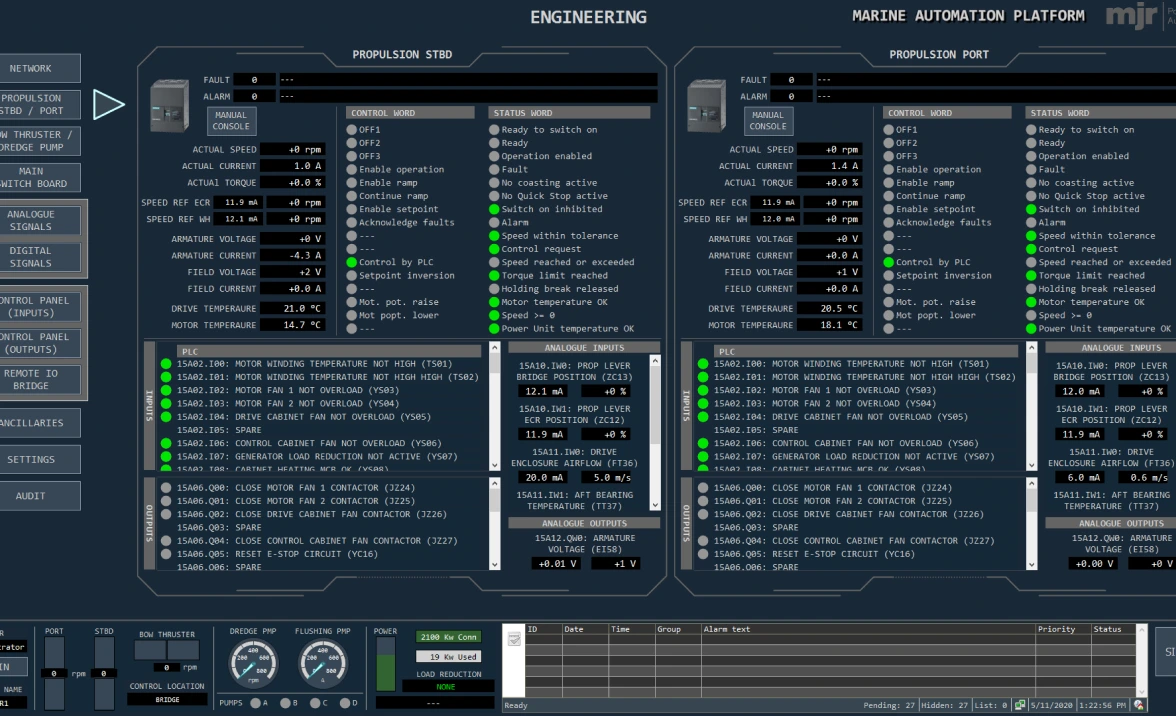
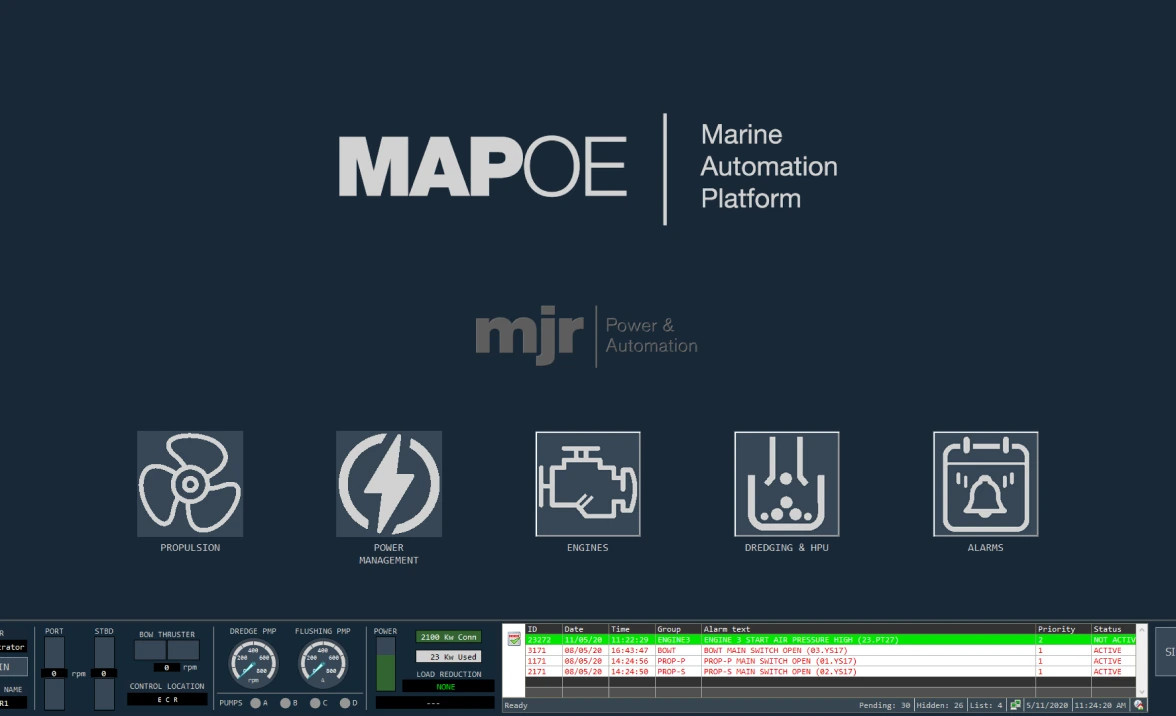
At the centre of the upgrade is MJR Power & Automation's MAP-OE marine automation platform, providing integrated control, alarm and monitoring across propulsion, power management, engines, dredging and HPU, with 21" colour touch screen operator stations on the bridge and in the engine control room, including two redundant stations at the engine control console.
The platform is built on commercial off-the-shelf, marine type approved industrial control hardware together with MJR's own application software, which means the owner is not tied to a single line of support. On a vessel whose entire problem was obsolete equipment nobody could maintain, that is not a feature. It is the reason the seventeen-year life extension is credible.
Operator functions include app-style navigation between machinery groups, animated mimics, a data historian with real-time trending and historical storage, engineering and diagnostic screens, and network diagnostics that locate faults graphically. The system runs on a redundant Profinet ring network in copper or fibre, interfaces to third-party equipment across the common fieldbus protocols, and is prepared for remote access by 4G or ship's satellite broadband over a secure VPN, with data available to the owner through MJR's cloud portal.
Delivery & Approval
Class Approved, Factory Tested, and Installed Through Lockdown
Engineering was completed at MJR's Teesside facility in the last quarter of 2019, with full design approval by Lloyd's Register of Shipping. System build and factory acceptance testing followed in the first quarter of 2020, with hook up and FAT witnessed by the client and class before shipment.
Installation ran over six weeks in March 2020, during the COVID-19 pandemic under restricted working conditions and access, covering decommissioning, stripping out, cable pulling, installation and integration. Commissioning, harbour trials and sea trials were carried out with the owner and class, followed by handover and training.
Quote — Paul Cairns, Managing Director, MJR Power & Automation:
"Designing and retrofitting complex marine systems on this scale and with this level of complexity requires many years of experience and lessons learned. With tight timescales and no margin for error, right first time is the only option. The successful delivery of this project, despite the challenges with the COVID-19 pandemic, further illustrates MJR's growing reputation as the partner of choice for demanding marine projects."
Technical Summary
- End client PD Ports
- Contracted by A&P Group
- Vessel Heortnesse — diesel electric trailing suction hopper dredger, built 1979
- Operating area Tees Estuary and Teesport approaches
- Reason for project commencement Obsolete, unmaintainable systems; sound hull and steelwork
- Objective Approximately 17 year life extension
- Main propulsion 2 x 1.5MW variable speed drives
- Auxiliary propulsion 1 x 500kW variable speed drive
- Dredging pump 1 x 1.2MW variable speed drive
- Flushing pump 500kW, upgraded to soft starting
- Main switchboard 660V AC, modified for full power management
- Generators Three engines — digital control units and full instrumentation renewal
- Automation platform MAP-OE, 21" touch screen operator stations
- Network Redundant Profinet ring, copper or fibre
- Class approval Lloyd's Register of Shipping — full design approval
- Contract award 2019
- Engineering Q4 2019, MJR Teesside facility
- Build and FAT Q1 2020, with client and class
- Installation 6 weeks, March 2020, during COVID-19 restrictions
Project Outcomes
Around seventeen years of additional service.
The life extension gave PD Ports a practical, cost-effective alternative to retiring and replacing a vessel whose hull had years left in it.
Obsolescence removed on an open platform.
Systems that could no longer be maintained were replaced with commercial off-the-shelf marine type approved hardware and MJR software, so the owner is not tied to one line of support for the life of the extension.
A power plant that runs itself.
Automatic synchronising, load sharing and load-dependent start/stop replaced continuous manual control, returning the ship's engineers' time to maintenance and improving safety for the ship and its machinery.
Blackout protection where there was none.
Automatic load reduction for blackout prevention and automatic blackout restart were added to a plant that previously had neither, on a vessel working confined estuary channels.
Significant cost avoided for the owner.
Reusing the existing drive cubicles avoided steelwork, piping and electrical removal and reinstatement, at the cost of a considerably more difficult installation for MJR Power & Automation.
Delivered through the first COVID lockdown.
Six weeks of installation, commissioning and trials completed in March 2020 under restricted working conditions and access.
Teesport's navigation channels kept open.
The vessel that maintains access to one of the UK's largest commercial ports returned to service with another seventeen years ahead of her.
Gallery
Share your vessel, equipment and interface requirements with MJR.
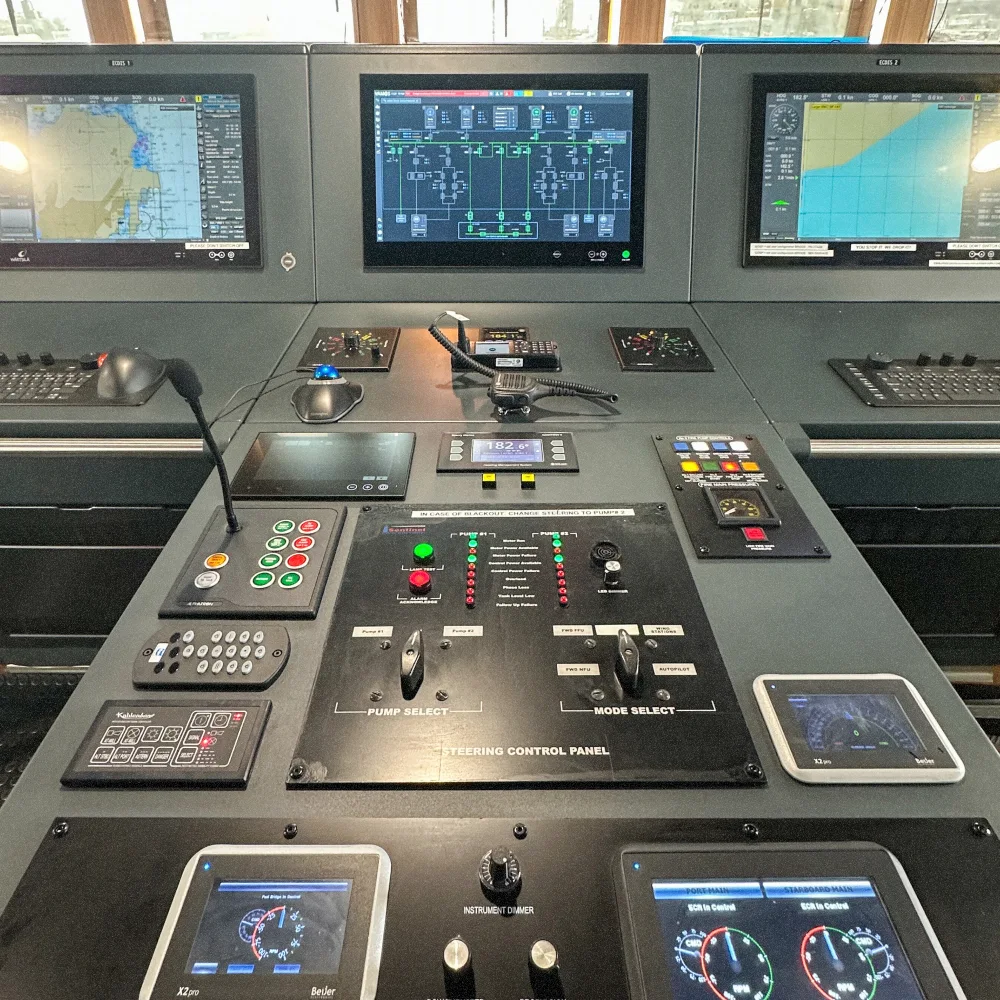
VAMOS the marine automation platform for vessel control, alarms, monitoring, power management and operational visibility.
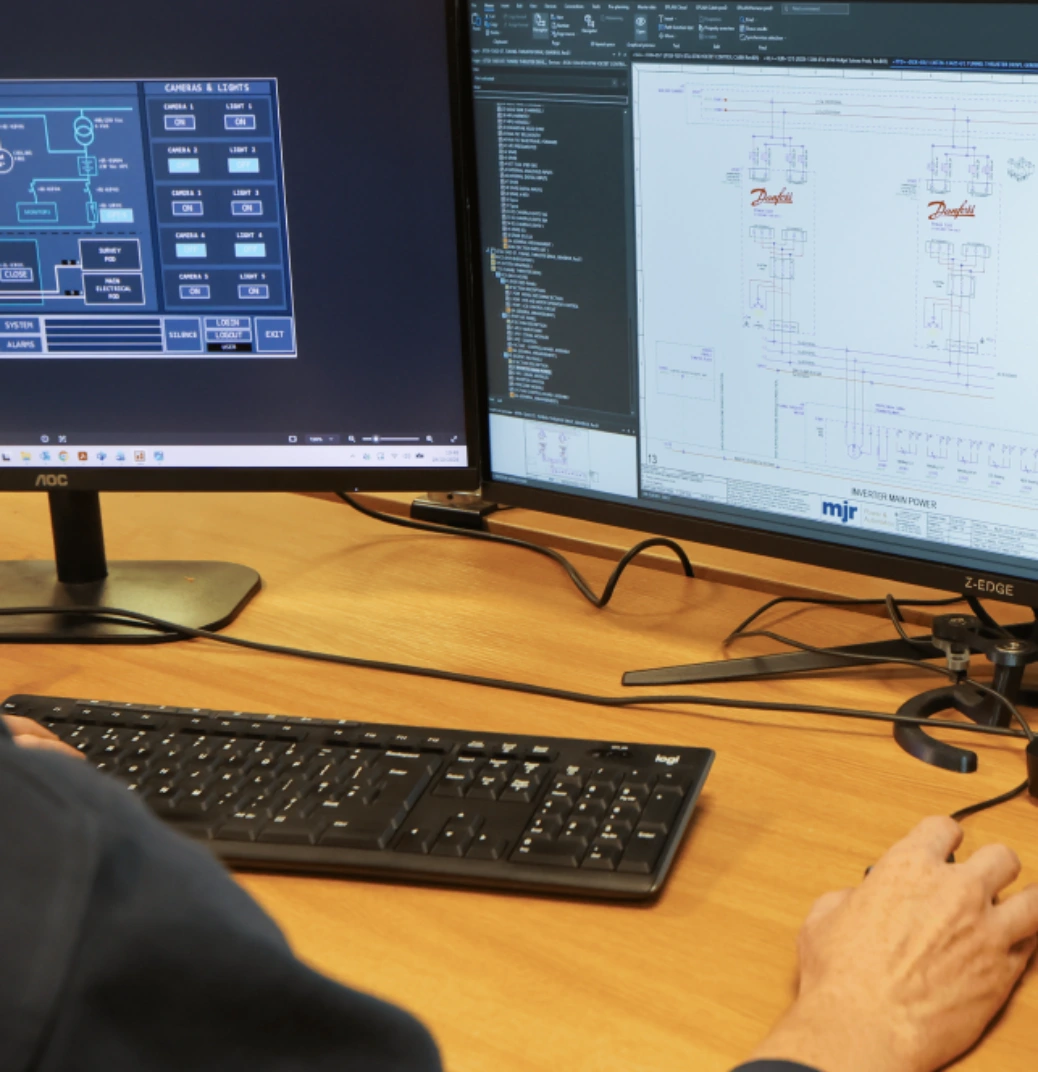
Marine electrical design, FEED studies, calculations and system engineering developed around vessel, offshore and project requirements.
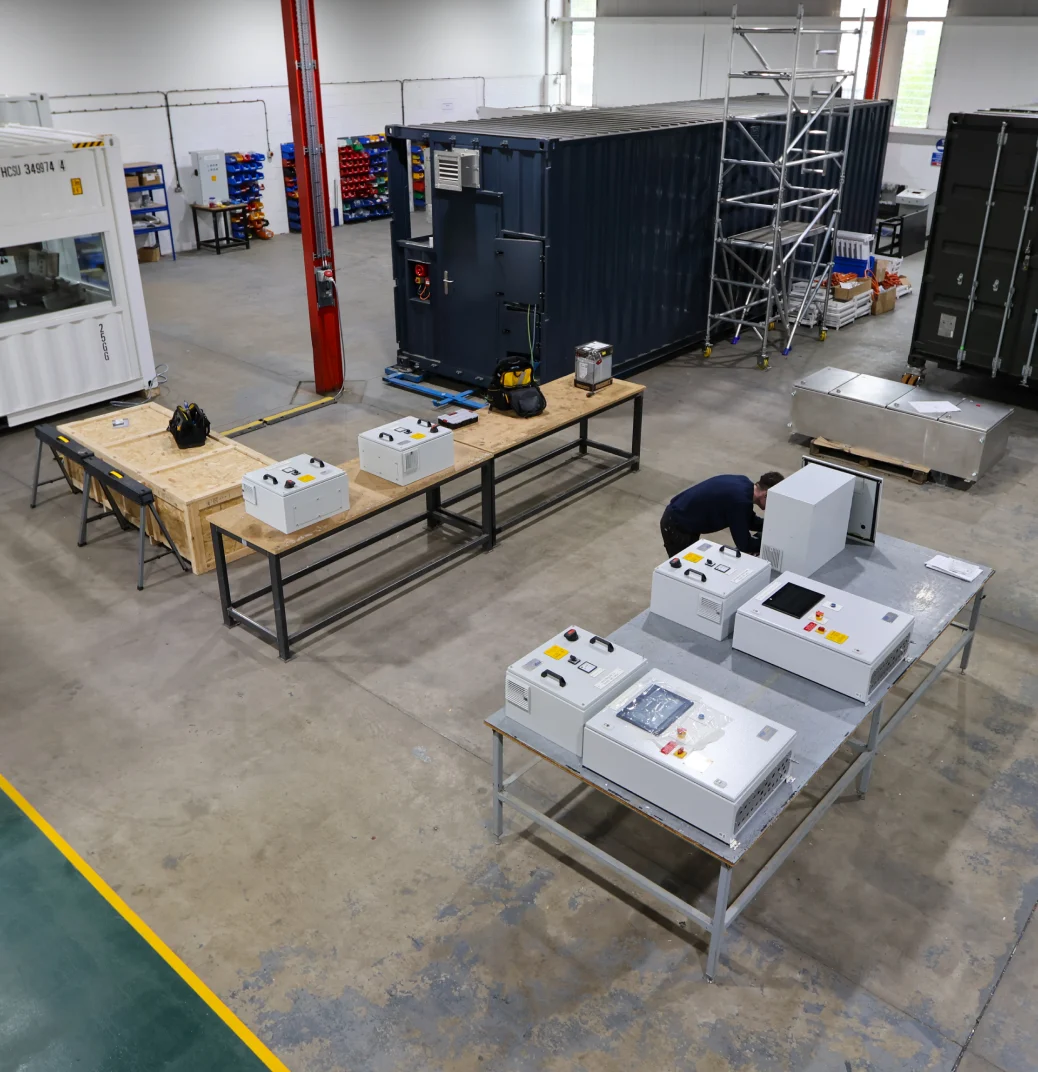
Integrated electrical power, switchboard, control and automation systems engineered, built and tested for demanding marine and offshore applications.
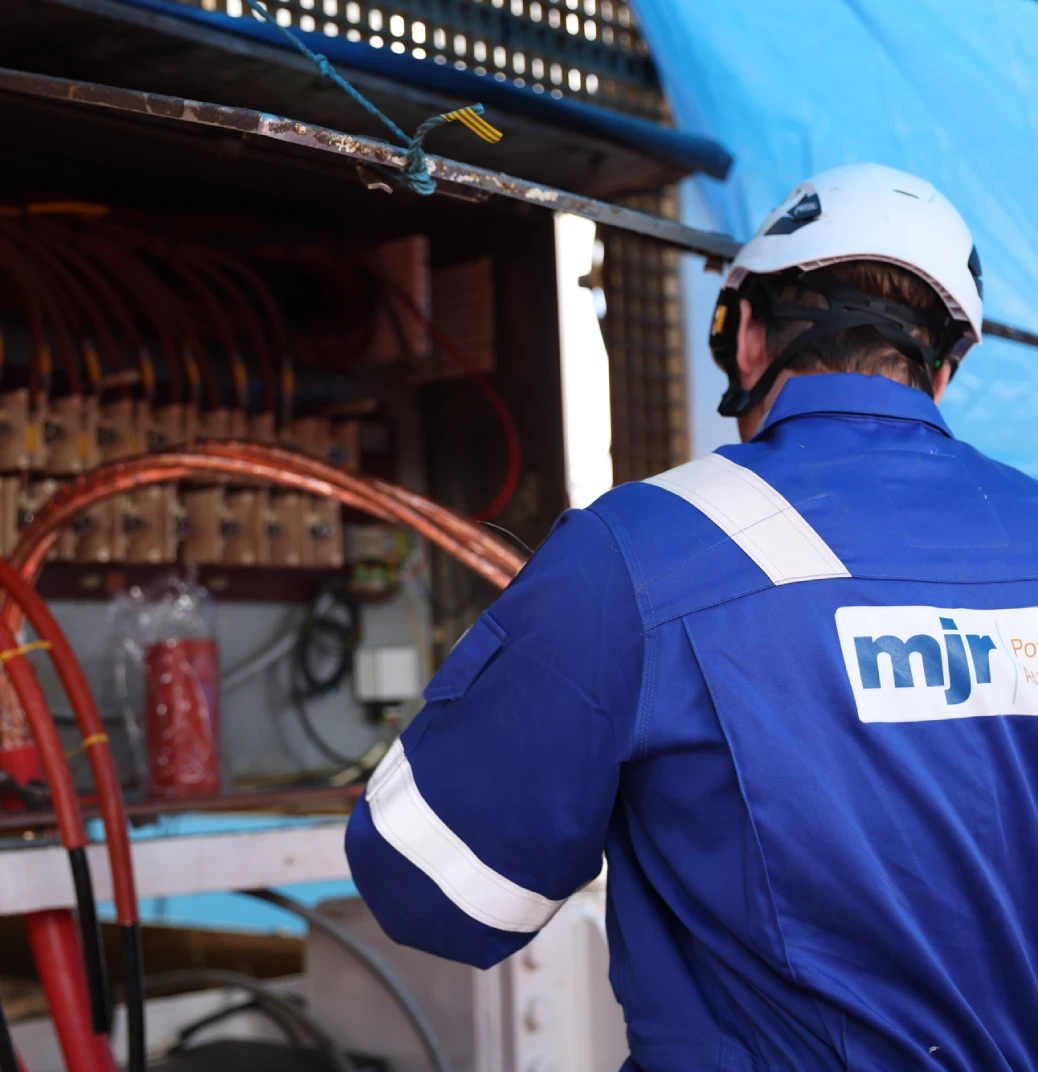
Marine electrical installation, onboard integration, vessel commissioning and functional testing through to technical handover.
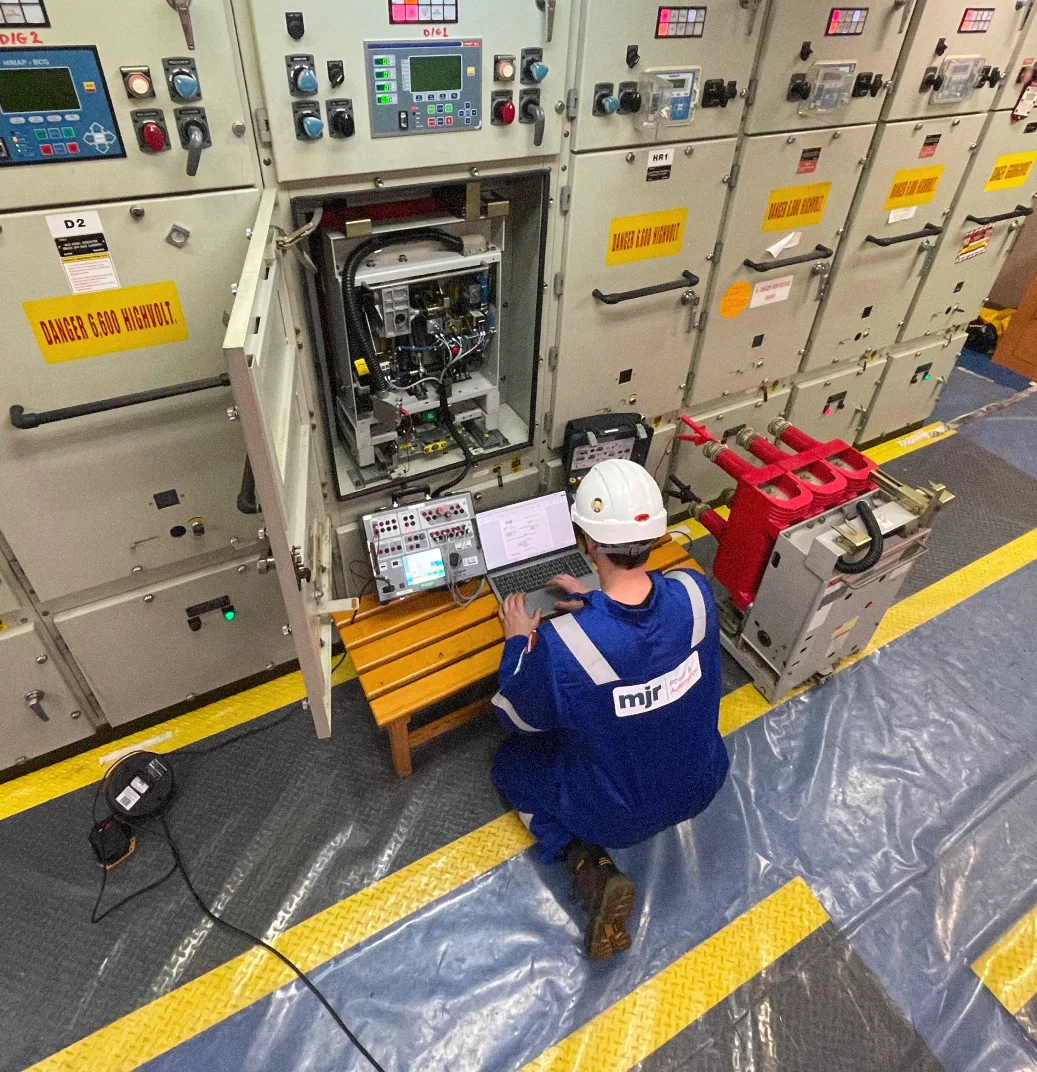
Marine electrical service, fault-finding, repair, testing, retrofit and lifecycle support for vessels and offshore assets.
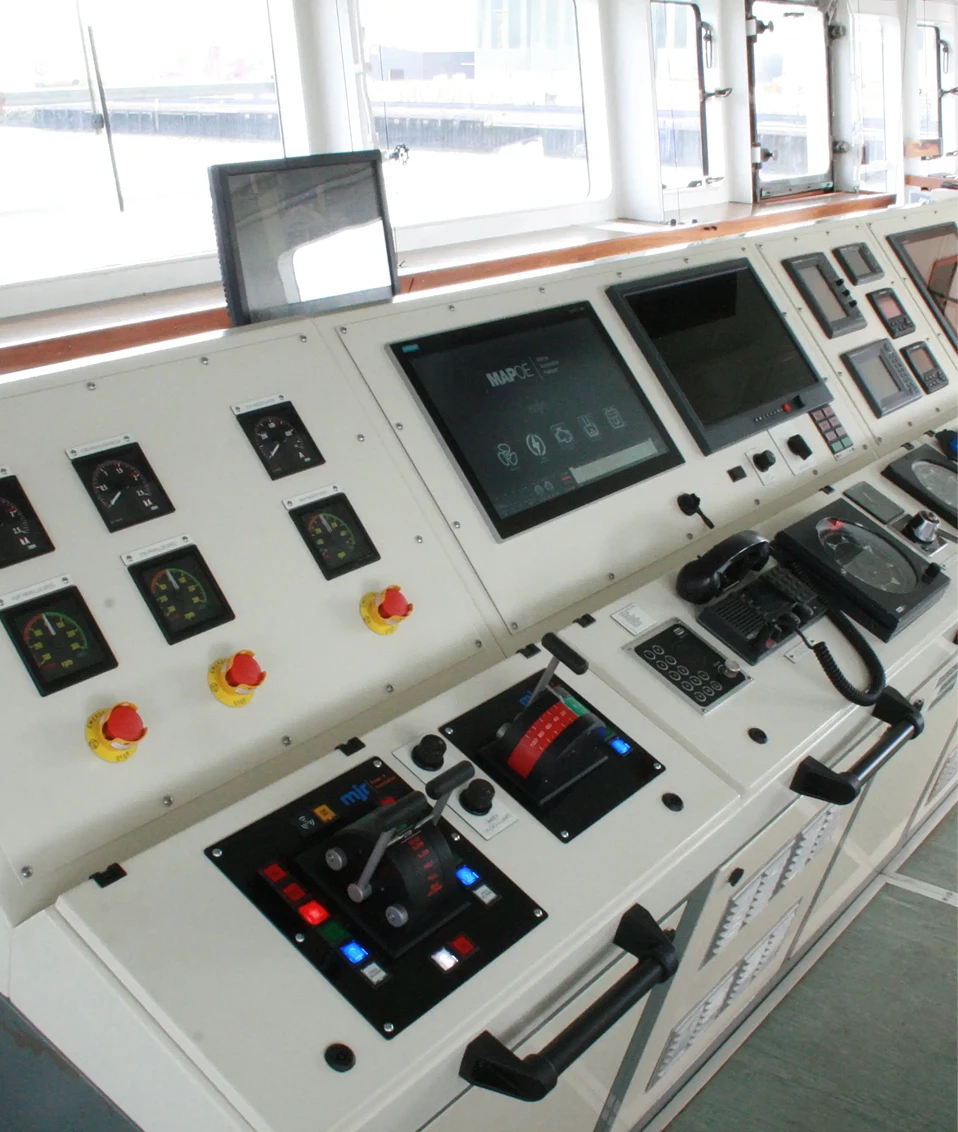
Integrated marine propulsion systems covering electric drives, propulsion control, drive integration, retrofit engineering and commissioning for newbuild and existing vessels.
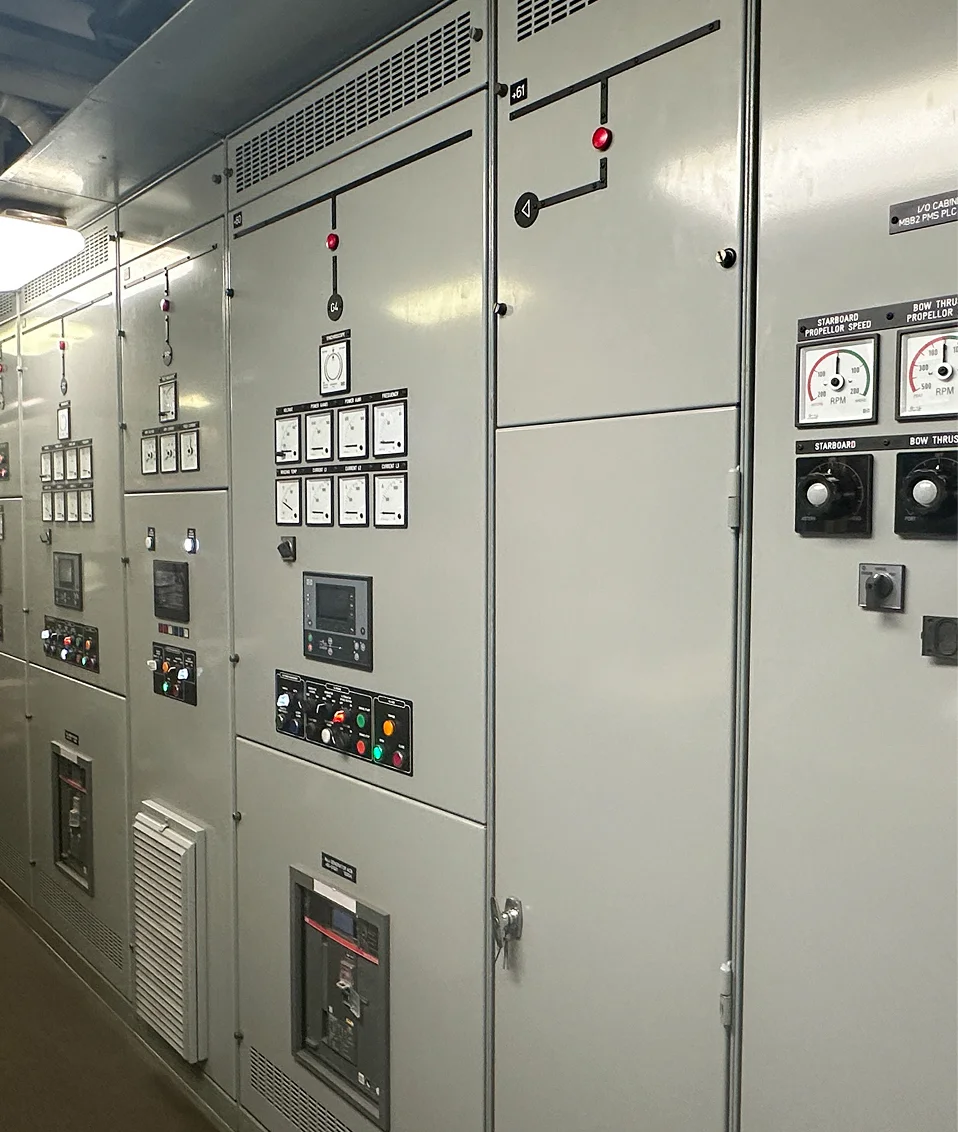
Marine power distribution systems covering generation, switchboards, power management systems, load sharing, protection and electrical distribution.
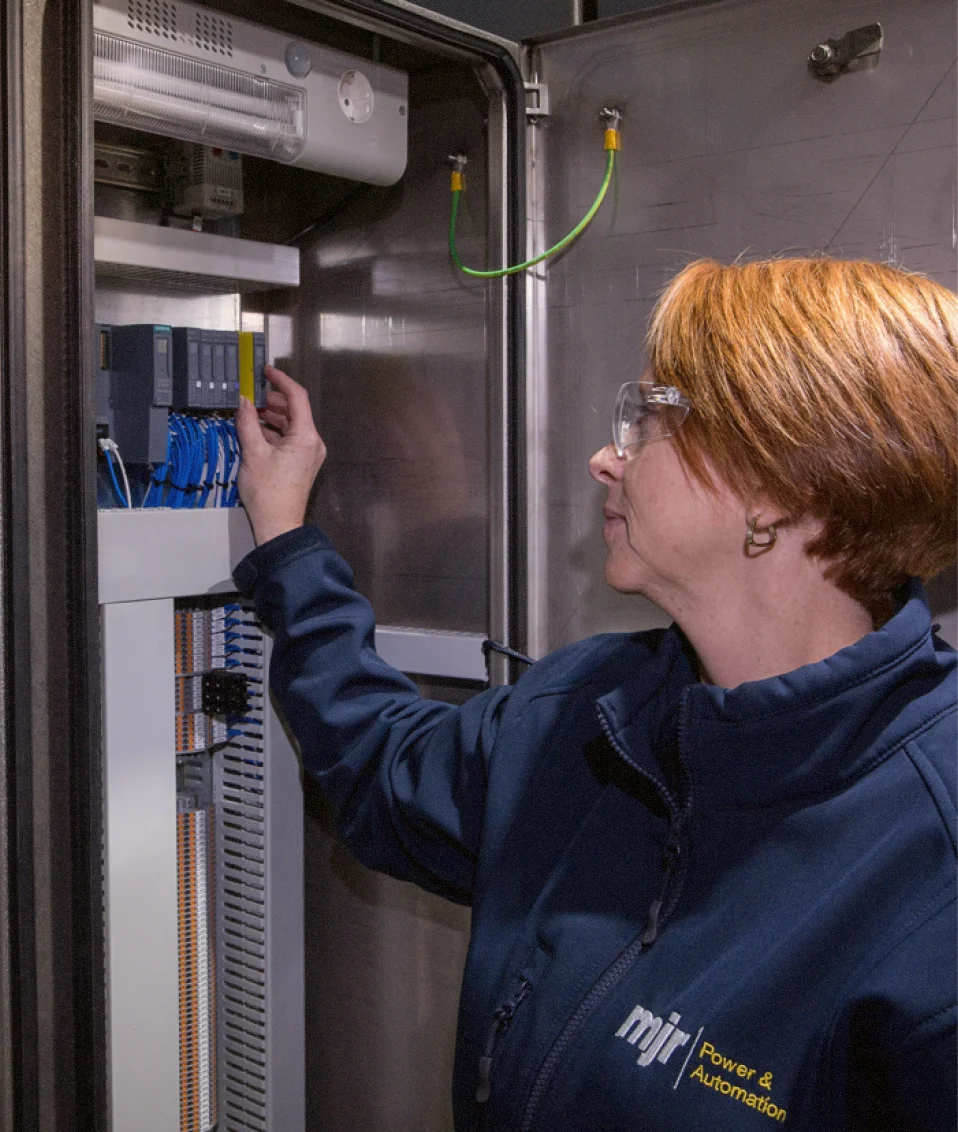
Marine automation systems integrating PLC, DCS, HMI, alarm monitoring, data logging, power management and vessel or offshore control.
Sectors we are Powering
Follow MJR project updates, company news and technical insight covering marine electrical engineering, automation, shore power, offshore vessel charging and vessel electrification.
Show how MJR designs, installs, commissions and supports product systems.
Show how MJR designs, installs, commissions and supports product systems.
Relevant Project Experience
Explore MJR projects involving vessel automation, monitoring, control and power management across newbuild, retrofit and upgrade programmes.
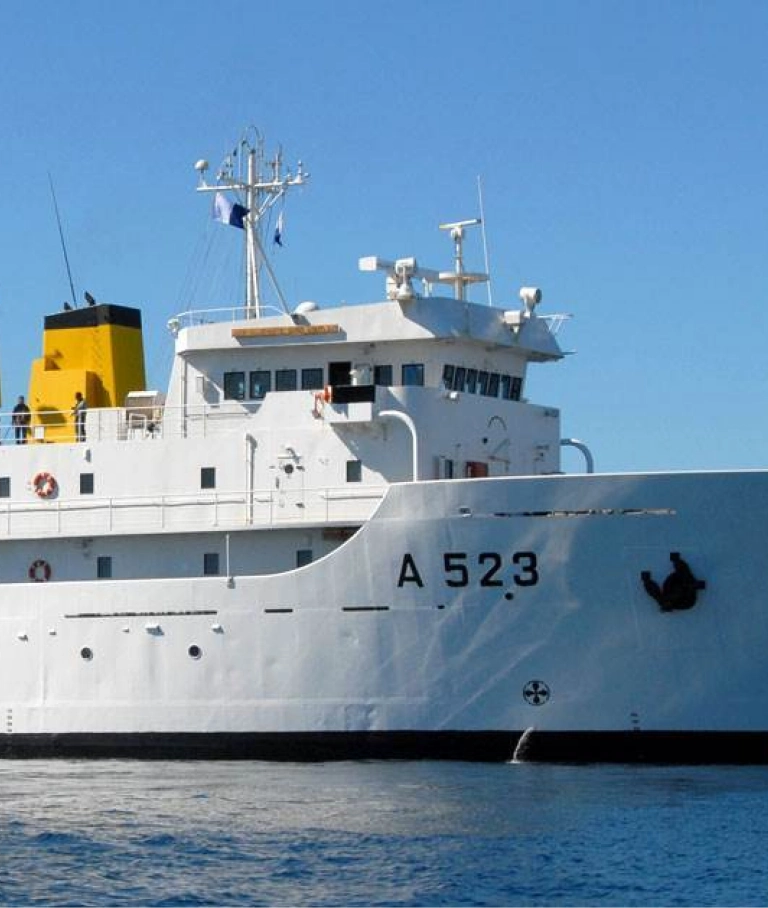
Obsolete DC propulsion drives replaced, existing switchboard cubicles retained.
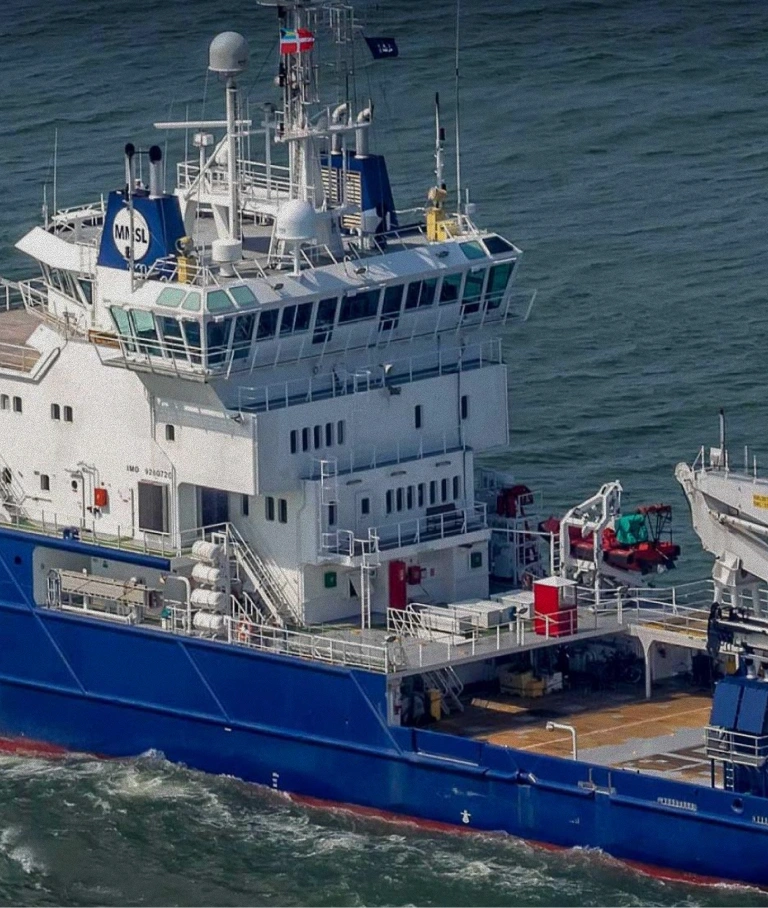
Propulsion Drive and Control System Retrofit — Without Rewiring the Ship
Electrical Installation for an Active Heave Compensated Crane — Across Three Countries
Ballast Control System Replacement — Installed In Service
The Questions We Get Asked Most
Find answers to common questions about the project, including the systems involved, engineering approach, technical challenges and how the solution was delivered.