Stena Line Ballast System Controls
Ballast Control System Replacement — Installed In Service
Project Overview
Replacement of Ballast Control System for Stena Line
A fully redundant 700+ I/O ballast, bilge and heeling control system, designed and approved by Lloyd's Register, installed alongside the live system on a vessel that never left service.
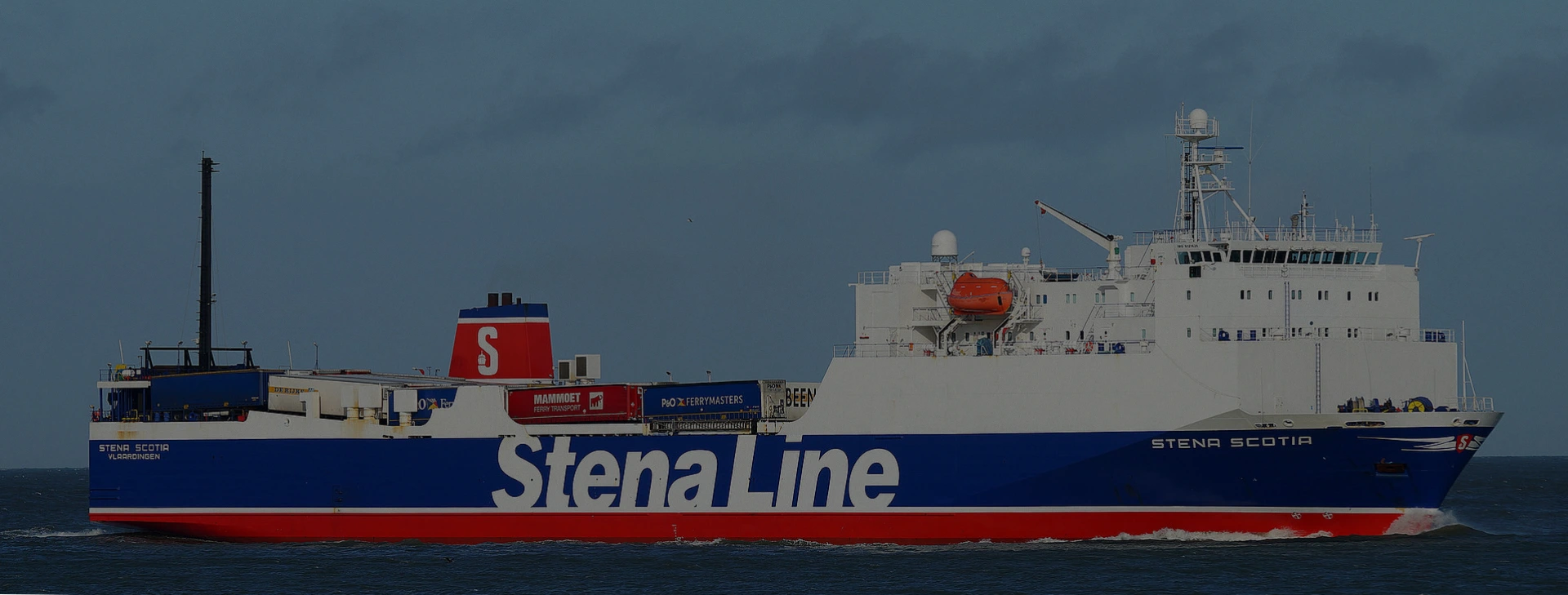
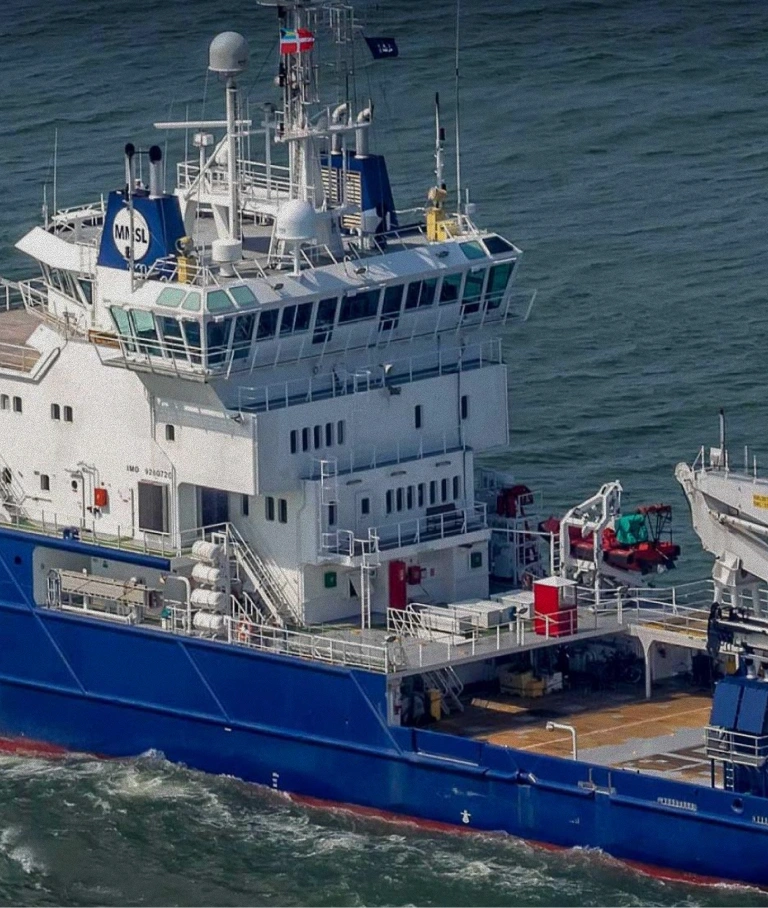
Stena Scotia was built in 1996 by the Miho Shimizu shipyard in Japan and serves Stena Line's Heysham to Belfast freight route. By 2019, the vessel's tank gauging and valve remote control system was obsolete and no longer supportable by its manufacturers, and Stena Line awarded MJR Power & Automation the contract for its replacement.
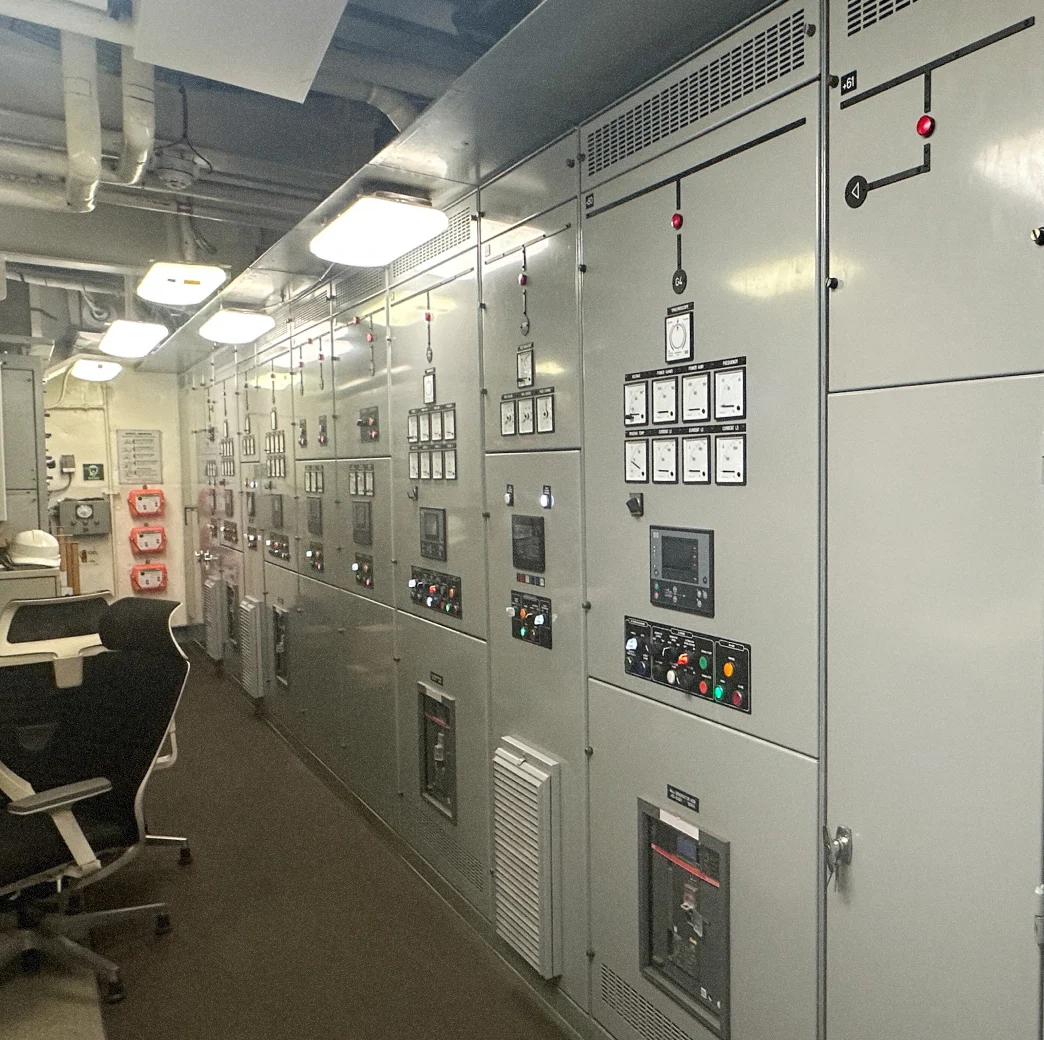
The replacement system provides remote tank gauging, control of every valve on the ship, and fully automatic heeling control to maintain vessel trim during loading and unloading. It also integrates with the vessel's loading and stability computer, itself renewed as part of the project, supplying the tank volume data needed for shear force, bending moment and stability calculations.
With over 700 I/O points, and as a system the vessel cannot operate without, the installation required a fully redundant, continuously available architecture delivered with full design approval from Lloyd's Register of Shipping. MJR Power & Automation's MAP-OE integrated machinery automation and control platform was selected as the basis. Final changeover was completed in June 2020.
Project significance Ballast and heeling control is not an ancillary system on a freight ro-ro. It governs trim during loading and discharge, and it feeds the stability calculations the ship sails on. Replacing it means replacing something the vessel cannot operate without, which is why the obsolescence mattered, and why the installation could not simply be scheduled into downtime that did not exist.
The challenge
No dry docking, and no time out of service.
The vessel could not be taken off its route and had no scheduled dry docking period available. There was no window in which the old system could simply be removed and the new one installed in its place.
The old system had to keep working throughout.
Because ballast and heeling control is essential to cargo operations, the existing system had to remain fully operational for every sailing while its replacement was being built alongside it.
Obsolete and unsupportable.
The existing tank gauging and valve remote control system was no longer supported by its manufacturers. Once a system reaches that point, a single component failure can put the vessel's cargo operations at risk with no route to a repair.
A system too large to swap in one move.
With over 700 I/O points spanning tanks, valves, pumps, level gauges, temperature sensors and float switches across the ship, a single changeover was not realistic. Testing had to be progressive.
Single points of failure in the original design.
The system being replaced was built around a single main CPU with hardwired interfaces and a proprietary protocol. The replacement had to remove those failure points, not reproduce them.
Class approval on a system the ship sails on.
Because the system feeds the loading and stability computer, it required full design approval from Lloyd's Register, along with on-board survey and site acceptance trials before it could be accepted.
Scope of Work
Replacement Ballast, Freshwater, Fuel and Lube Oil Tank Level Gauging and Control System
- Replacement of the obsolete ballast control, monitoring and alarm system
- Remote tank gauging — ballast, freshwater, fuel and lube oil
- Control of all valves on the vessel
- Fully automatic heeling control for trim during loading and unloading
- Automatic and manual control of ballast, bilge and heeling systems
- Renewal of the loading and stability computer
- Integration of tank volume data for shear force, bending moment and stability calculations
- Over 700 I/O points
- Fully redundant network and system architecture with hot standby
- Off-the-shelf Siemens control and automation hardware with open software protocol
- Ergonomic operator screens and animated system mimics with touch screen operation
- Lloyd's Register design approval
- In-service installation and progressive commissioning
- On-board survey and site acceptance trials
Contract awarded 2019; final changeover June 2020.
Solutions Delivered
The Architecture — Eliminating single points of failure
The system being replaced was built around a single main CPU, hardwired and proprietary-protocol interfaces, and local CPUs feeding a single I/O board arrangement. A failure at any one of those points took the system with it..
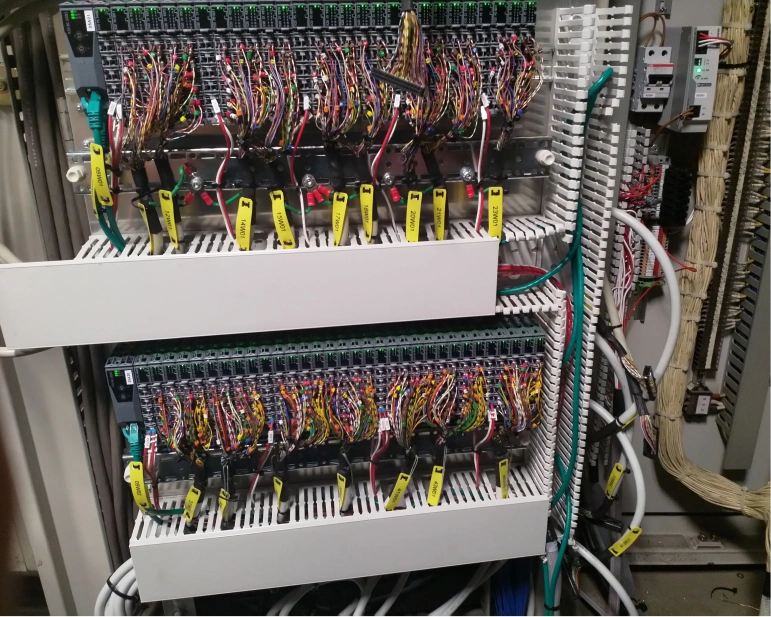
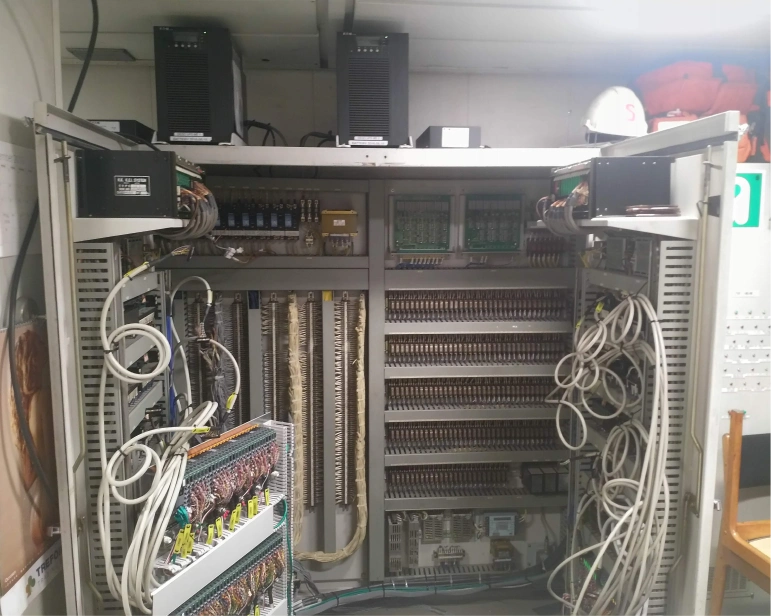
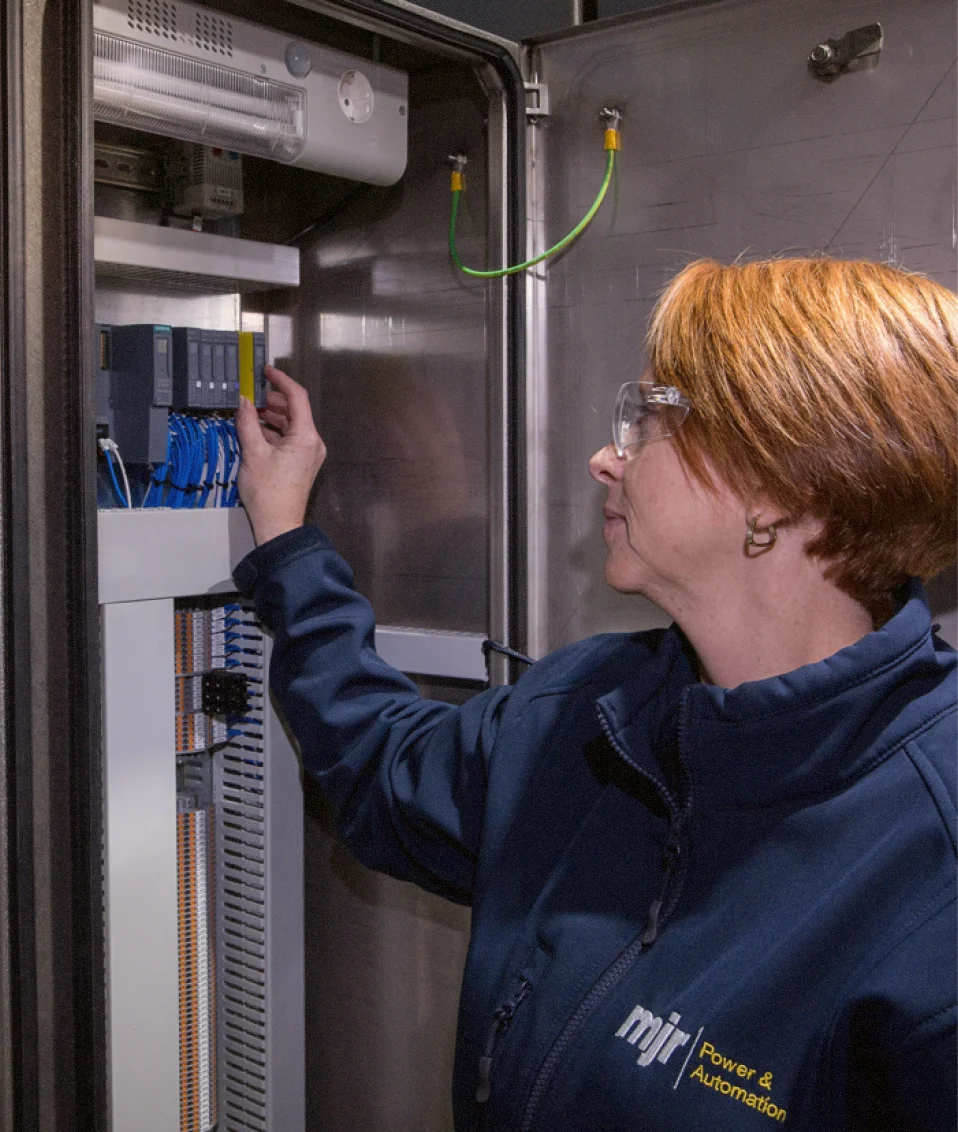
The replacement architecture removes them. Primary and secondary PLCs operate in hot standby, with three redundant I/O racks on the sender panel and redundancy links between controllers. Operator stations, servers and panel PCs across the cargo control room, wheelhouse and engine control room communicate over an Ethernet infrastructure ring, with the interconnecting workstations and servers on a fibre optic Ethernet ring. The result is a communications infrastructure that survives the loss of any single Ethernet leg or any single switch, and a control system that continues operating through the loss of a controller.
The Platform — MAP-OE on off-the-shelf hardware
MJR Power & Automation's MAP-OE integrated machinery automation and control platform provides the automatic ballast, bilge and heel control functions. It runs on off-the-shelf control and automation hardware with an open software protocol - a deliberate choice on a project whose entire origin was a proprietary system that its manufacturer stopped supporting. Standard hardware and open protocols are what prevent the replacement from arriving at the same position in fifteen years.
The Interface — Animated mimics and operator screens
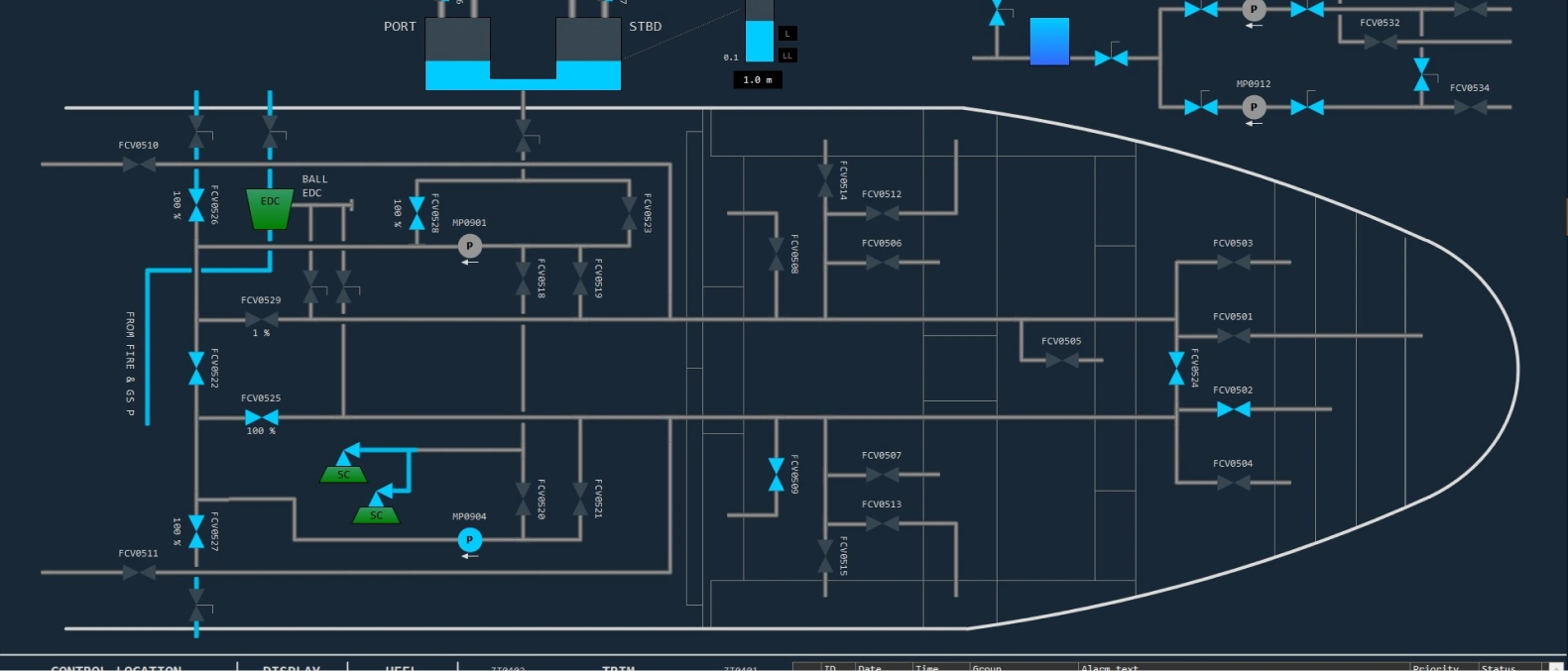
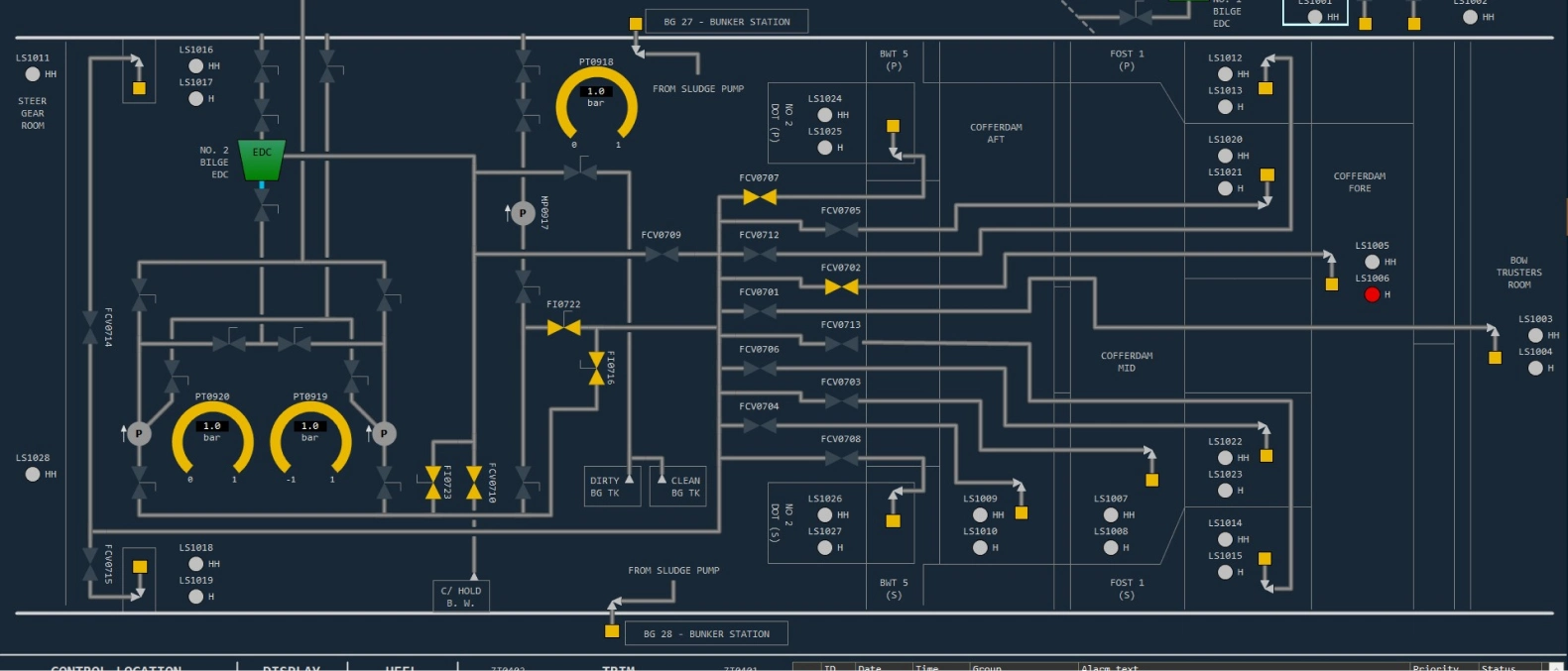
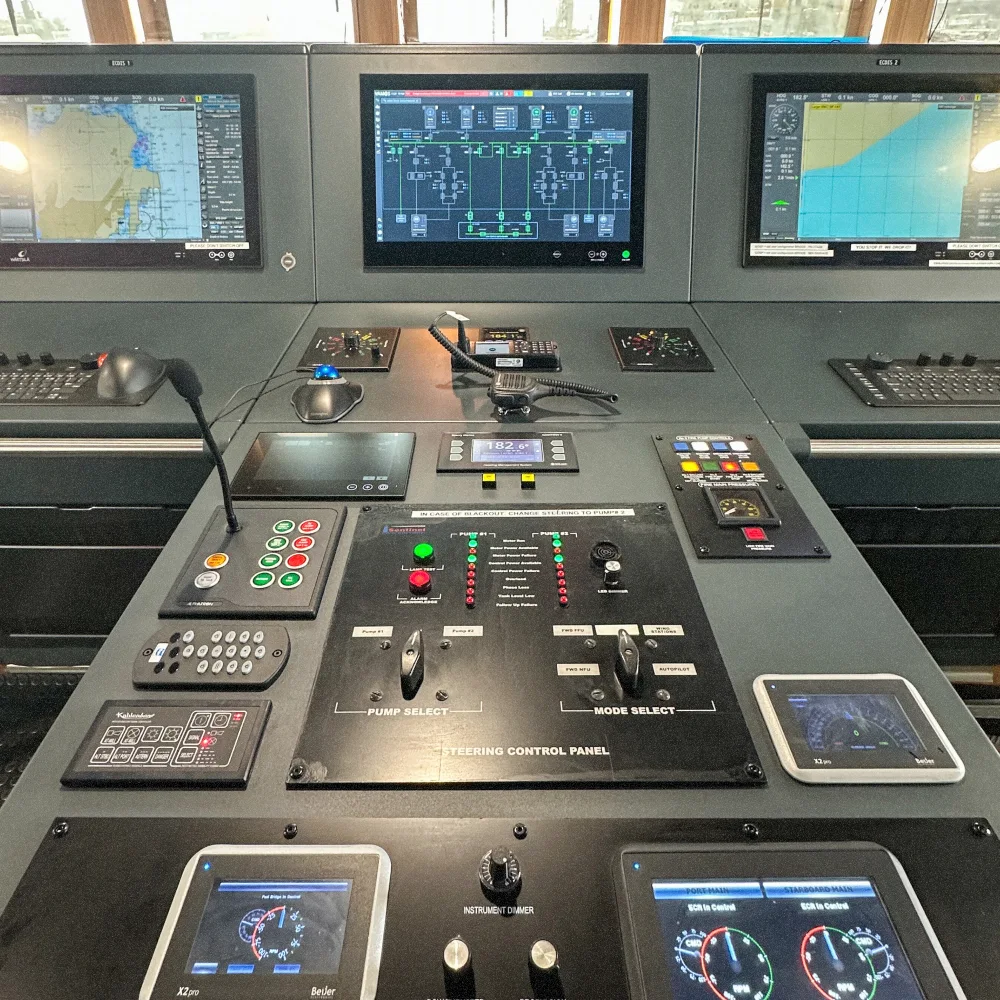
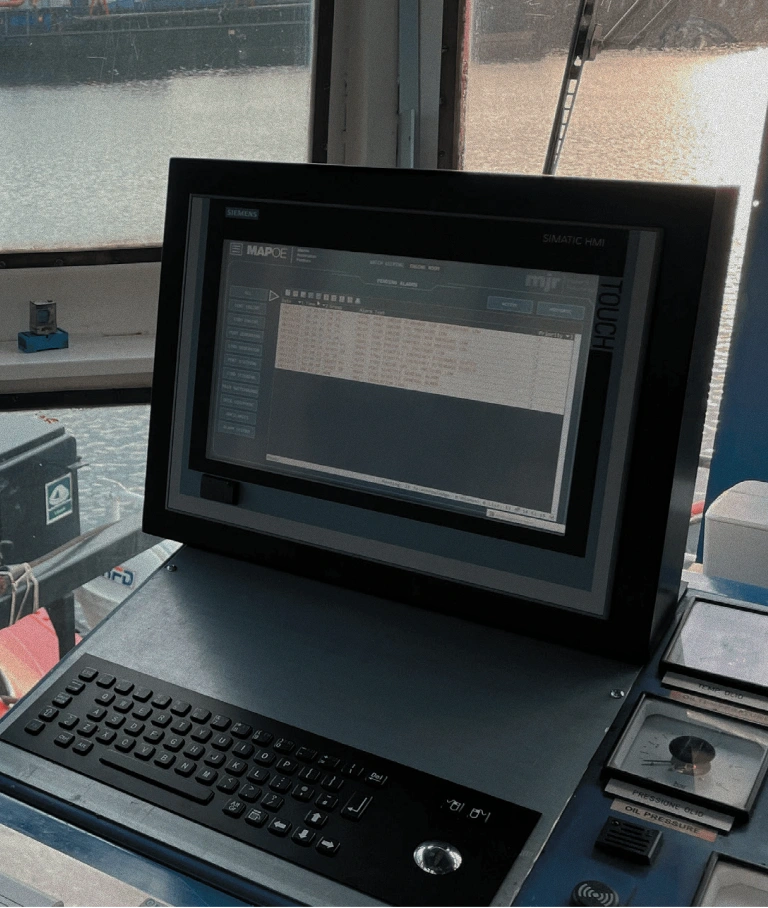
Operator screens present the ballast, freshwater and bilge systems as animated mimics, with piping, pumps and valves arranged to match the system schematic so that the display reflects the ship rather than an abstraction of it. Dashboard-style gauges and status indicators give the crew an at-a-glance view of system performance. The interface is touch screen operable and supports a large number of operator stations.
The Method — Side-by-side installation and progressive changeover
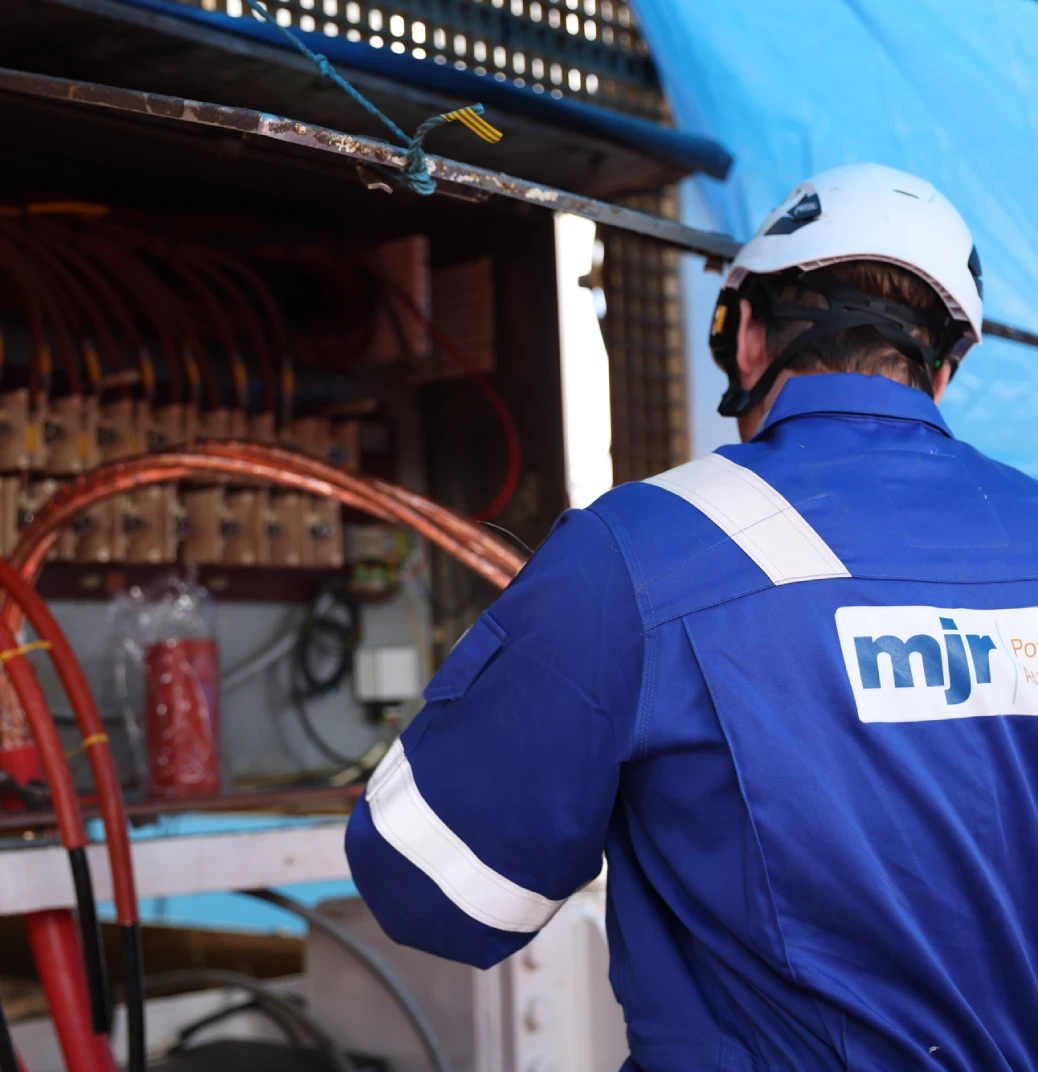
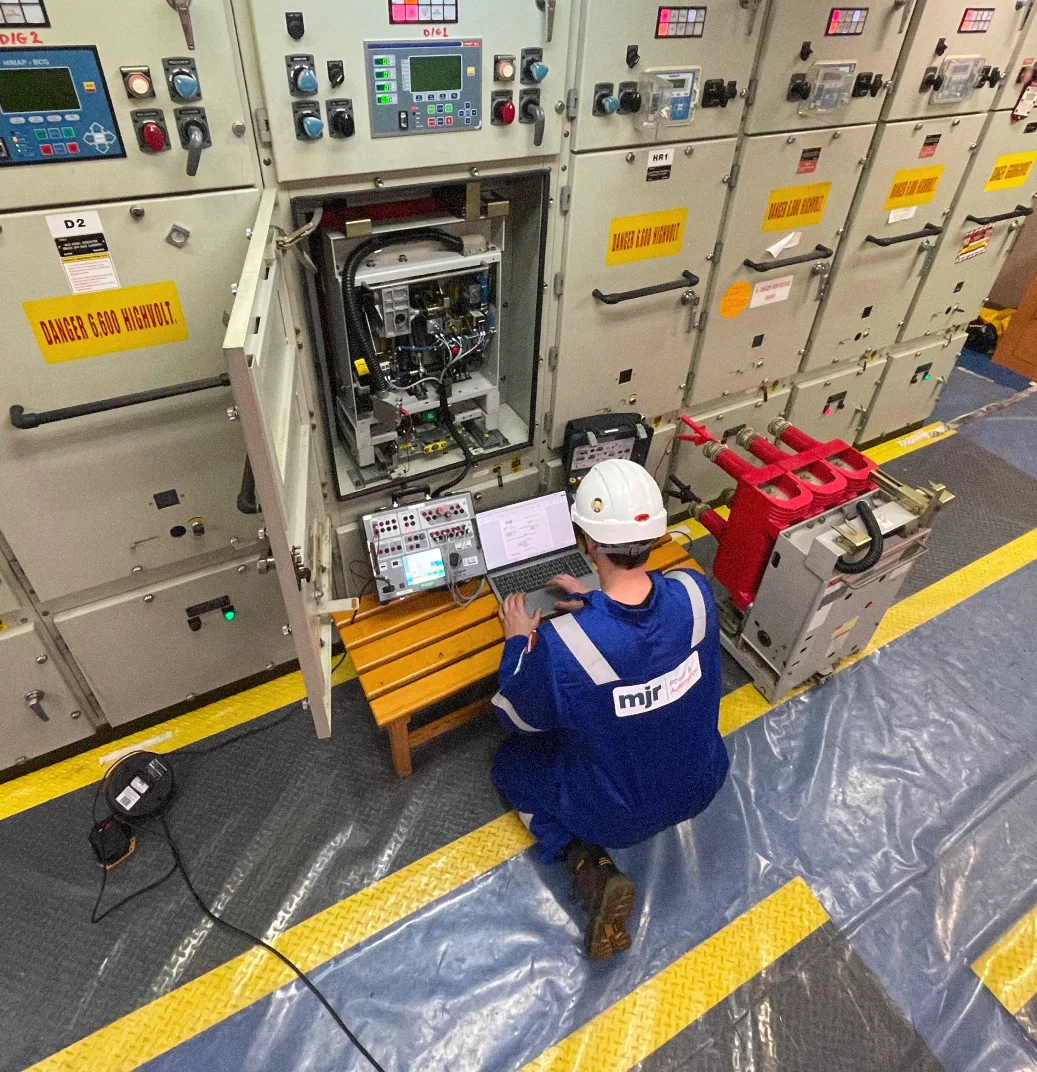
With no downtime available, the new system was installed alongside the existing one while the vessel remained in full service. The design allowed I/O to be quickly and partially swapped from the existing system to the new one during weekend layover days, so that sections could be tested and commissioned progressively.
Throughout those layovers the existing system was kept fully operational, and the I/O was swapped back to it before cargo operations resumed and the vessel sailed. The ship therefore never sailed on a partially commissioned system, and no sailing was lost to the installation.
Delivery & Approval
The system was delivered with full design approval from Lloyd's Register of Shipping. Final changeover to the new system was carried out in June 2020, together with onboard survey, site acceptance trials and final approval by Lloyd's Register.
Quote — Paul Cairns, Managing Director, MJR Power & Automation:
"Installing and commissioning a system of this size with the ship in service and without causing any vessel downtime was extremely difficult. The skill, flexibility and ingenuity of our engineering and installation team is second to none and I congratulate all involved in doing a great job."
Technical Summary
- Client Stena Line
- Vessel Stena Scotia — freight ro-ro, built 1996, Miho Shimizu shipyard
- Route Heysham – Belfast
- Sector Commercial Marine
- System replaced Obsolete tank gauging and valve remote control system
- System delivered MAP-OE integrated machinery automation and control
- Functions Tank gauging, valve control, automatic heeling, ballast, bilge
- I/O points Over 700
- Architecture Fully redundant, hot standby PLCs, redundant I/O racks
- Network Ethernet infrastructure ring; fibre optic Ethernet ring for workstations and servers
- Hardware Off-the-shelf, open software protocol
- Integration Renewed loading and stability computer — tank volume data for shear force, bending moment and stability
- Class approval Lloyd's Register of Shipping — full design approval, survey and SAT
- Installation method Side-by-side, in service, progressive I/O changeover on weekend layovers
- Contract awarded 2019
- Final changeover June 2020
Project Outcomes
No vessel downtime.
The complete replacement of an essential control system was delivered without taking the ship off its route and without a dry docking. This is the headline outcome and the hardest thing about the project.
Obsolescence risk eliminated.
An unsupportable proprietary system was replaced with off-the-shelf hardware running an open software protocol, so the vessel is no longer exposed to a single manufacturer's support decisions.
No single points of failure.
Hot standby controllers, redundant I/O racks and ring network topologies mean the system now survives failures that would previously have taken it out entirely.
Full class approval achieved.
Delivered with Lloyd's Register design approval, on-board survey and site acceptance trials, on a system that feeds the vessel's stability calculations.
A better interface for the crew.
Animated mimics matched to the system schematics and dashboard status indicators replaced the previous arrangement, giving the crew a clearer view of ballast, bilge and heeling operations.
Ongoing UK support.
The vessel is supported by MJR Power & Automation's UK 24/7 service and support arrangements.
Gallery
Share your vessel, equipment and interface requirements with MJR.
VAMOS the marine automation platform for vessel control, alarms, monitoring, power management and operational visibility.
Marine electrical design, FEED studies, calculations and system engineering developed around vessel, offshore and project requirements.
Integrated electrical power, switchboard, control and automation systems engineered, built and tested for demanding marine and offshore applications.
Marine electrical installation, onboard integration, vessel commissioning and functional testing through to technical handover.
Marine electrical service, fault-finding, repair, testing, retrofit and lifecycle support for vessels and offshore assets.
Marine automation systems integrating PLC, DCS, HMI, alarm monitoring, data logging, power management and vessel or offshore control.
Sectors we are Powering
Follow MJR project updates, company news and technical insight covering marine electrical engineering, automation, shore power, offshore vessel charging and vessel electrification.
Show how MJR designs, installs, commissions and supports product systems.
Relevant Project Experience
Explore MJR projects involving vessel automation, monitoring, control and power management across newbuild, retrofit and upgrade programmes.

Dredger Life Extension — Power, Propulsion, Dredging & Automation
Propulsion Drive and Control System Retrofit — Without Rewiring the Ship
ABS-Approved Life Extension & Repowering — Power, Propulsion, Automation and Control
The Questions We Get Asked Most
Find answers to common questions about the project, including the systems involved, engineering approach, technical challenges and how the solution was delivered.