Winch Control Upgrade
Deck Winch Constant Tension Control Upgrade for Deep Energy
Project Overview
MJR Power & Automation Upgrades Deck Winch Constant Tension Control on Deep Energy
Re-engineering, upgrade, reactivation, testing and handover of the complete main deck winch control systems on one of the largest and most sophisticated pipelay vessels.
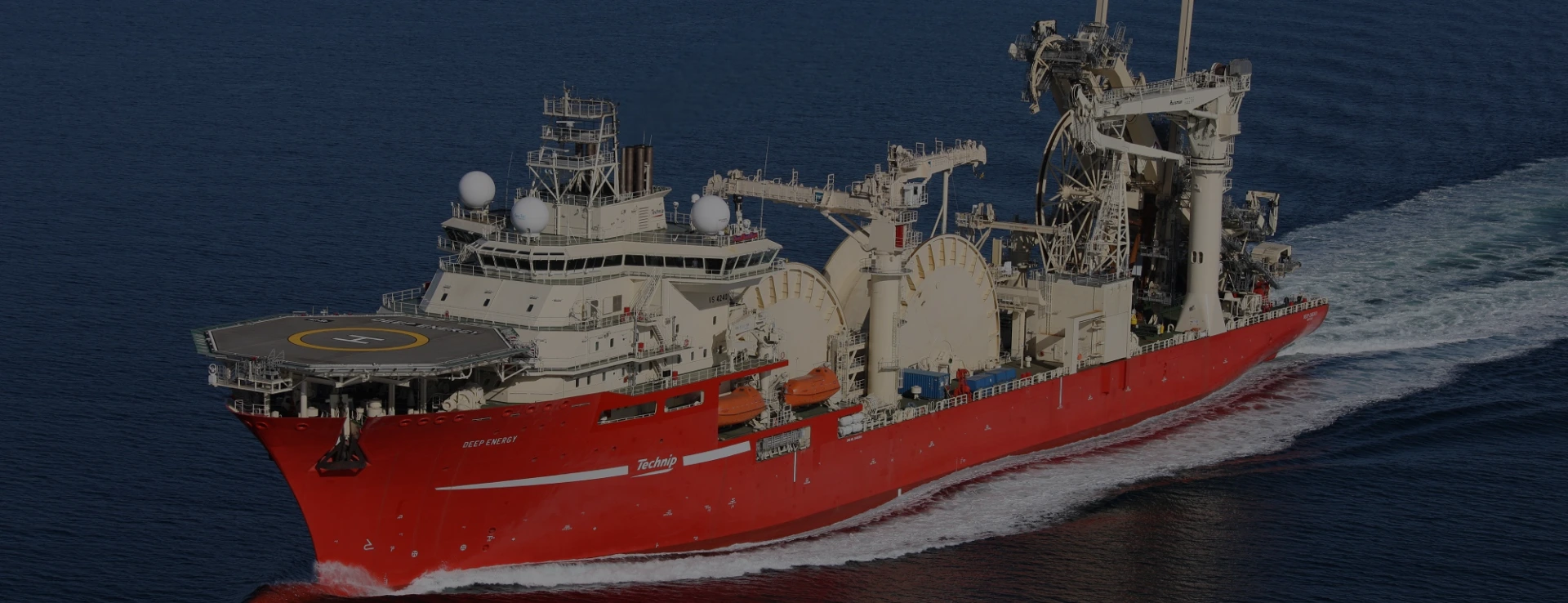
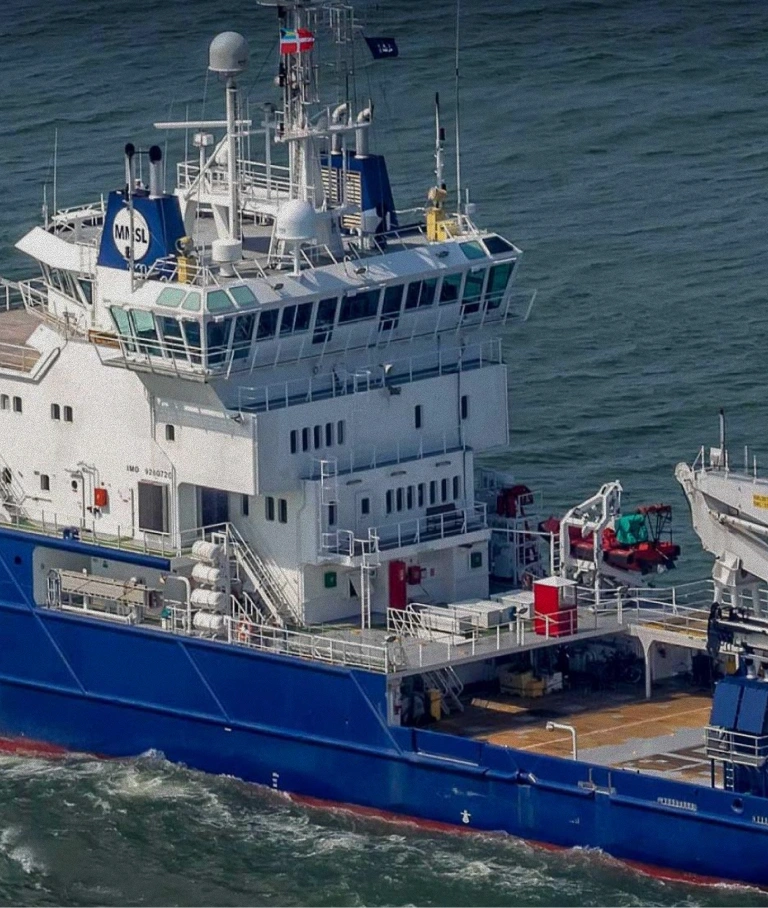
Deep Energy is a pipelay vessel operated by Technip, built for deepwater rigid and flexible pipeline installation. Its deck machinery spread includes a set of high-capacity constant tension winches that manage the pipeline during abandonment and recovery, lead string handling and initiation. Operations where controlled, predictable line tension is essential.
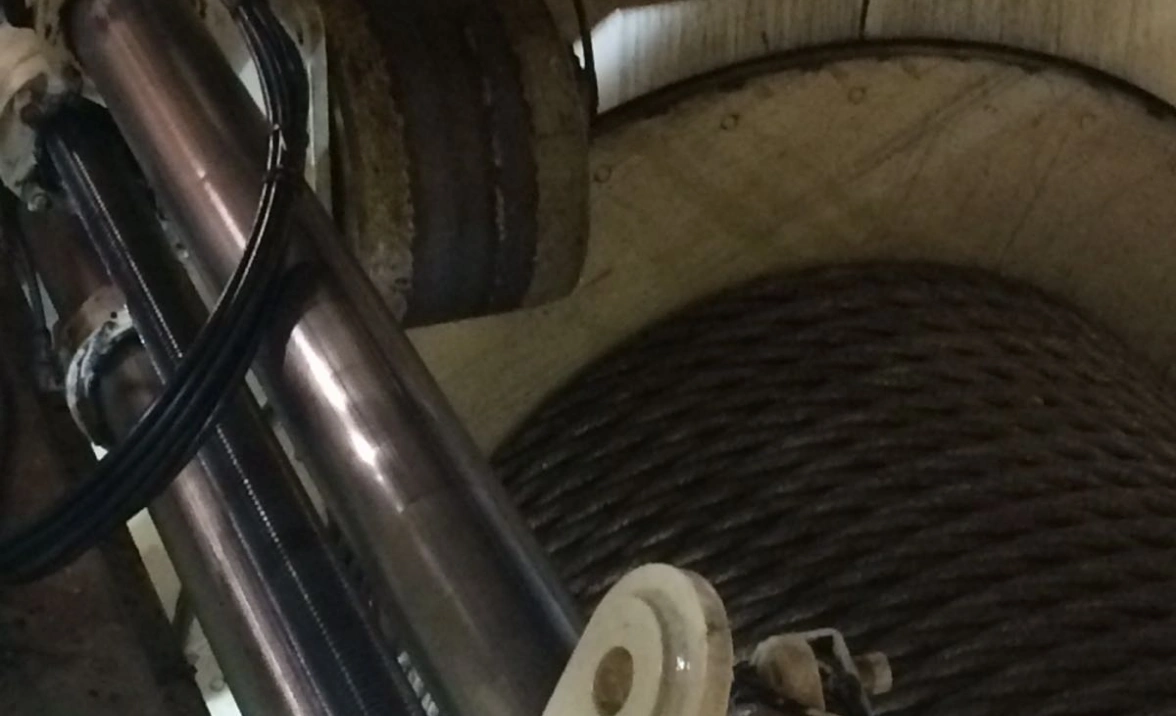
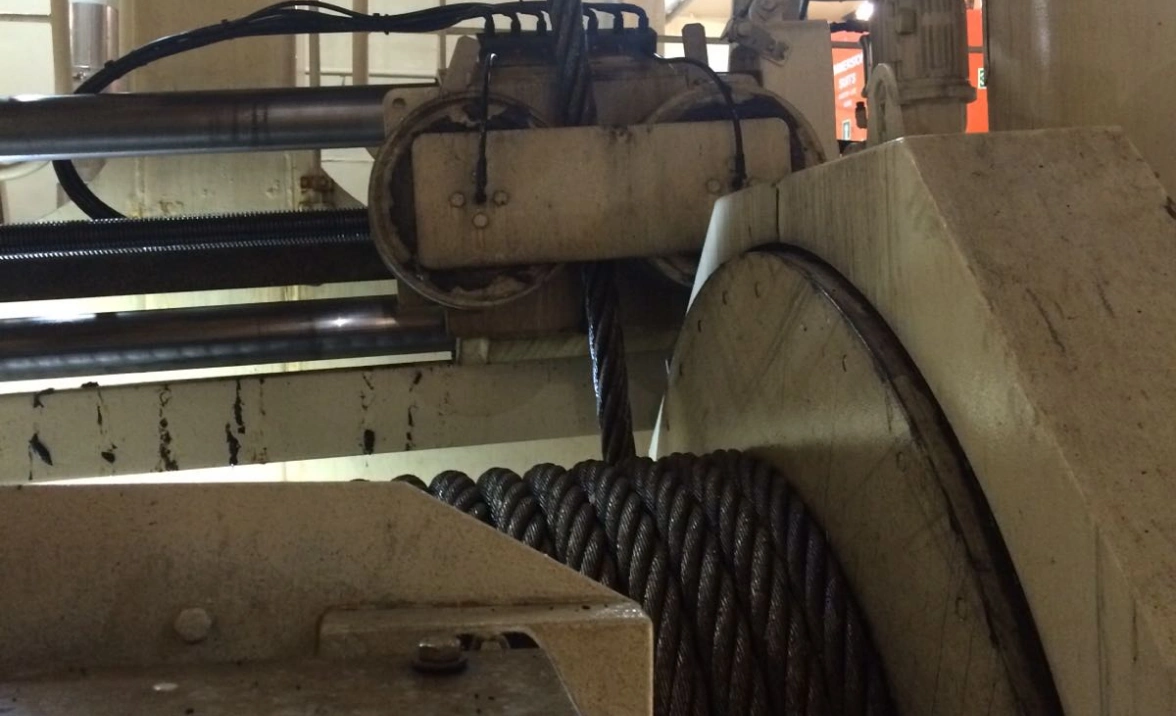
MJR Power & Automation was engaged to re-engineer, upgrade, reactivate, test and hand over the main deck winch systems. The scope covered every electric and hydraulic constant tension winch on the vessel: the 200Te abandonment and recovery winch, 150Te and 50Te lead string winches, two 60Te initiation winches, and two 20Te general purpose deck winches.
Constant tension control sits directly on the critical path of a pipelay operation. If the winches will not hold tension predictably, the spread does not work.
The work began with a detailed FEED study to establish what had to change to achieve satisfactory constant tension performance, and ran through software modification, re-engineering, documentation and hardware upgrade to final implementation. Commissioning, testing and client acceptance were completed in September 2016.
Project significance Constant tension control sits directly on the critical path of a pipelay operation. If the winches will not hold tension predictably, the spread does not work. This project was a control system problem rather than a mechanical one. The winches and drives were in place, and the performance had to be recovered through engineering analysis, software and targeted hardware change.
The challenge
Constant tension performance was not being achieved.
The engineering phase opened with a FEED study specifically to identify what modifications were needed to reach satisfactory constant tension performance, which indicates the winch control systems were not delivering it in their existing configuration. Diagnosing why is a different problem from replacing hardware, and it had to be answered before anything was changed.
Equipment required reactivation, not just upgrade.
The scope is described as re-engineering, upgrade and reactivation. Systems that have been out of service accumulate unknowns, parameter drift, undocumented changes, degraded instrumentation and lost configuration, all of which have to be resolved before performance can be proven.
A blackout means a sudden, uncontrolled stop.
Five electrically driven winches on ABB drives and two hydraulically driven deck winches had to be brought to a common standard of constant tension behaviour, despite fundamentally different power and control characteristics.
A mixed electric and hydraulic winch spread.
Five electrically driven winches on ABB drives and two hydraulically driven deck winches had to be brought to a common standard of constant tension behaviour, despite fundamentally different power and control characteristics.
Seven winches, one integrated result.
The winches do not work in isolation. A&R, lead string and initiation winches operate as part of a single pipelay sequence, so each had to perform correctly on its own and in combination with the others.
Documentation had to be rebuilt alongside the system.
Documentation is called out as a distinct part of the engineering phase, which suggests the as-built record no longer matched the installed system — a common position on deck machinery that has been modified over a vessel's life, and one that has to be corrected for the system to be supportable afterwards.
Scope of Work
The scope of work covered all electric and hydraulic constant tension winches on the vessel:
- 200Te A&R (abandonment and recovery) winch
- 150Te lead string winch
- 50Te lead string winch
- 2 x 60Te initiation winches
- 2 x 20Te general purpose deck winches
Delivered across the following phases:
- FEED study to identify the modifications required for satisfactory constant tension performance
- Control system re-engineering
- Software modification and development
- Hardware upgrades
- Documentation and as-built records
- Implementation
- Commissioning and testing
- Client acceptance and handover
Solutions Delivered
The Study — FEED-led diagnosis before modification
The engineering phase opened with a detailed FEED study to identify the modifications necessary to achieve satisfactory constant tension performance. Establishing the required changes analytically, before committing to hardware or software work, kept the eventual modification set targeted at the actual cause rather than replacing equipment on suspicion.
The System — Electric constant tension winch control
Five winches, the 200Te A&R winch, 150Te and 50Te lead string winches and two 60Te initiation winches, are driven by variable speed drives. Control system re-engineering and software modification were carried out across this equipment to deliver the constant tension performance identified in the study.
The Service — Hydraulic deck winch control
Two 20Te general purpose deck winches are hydraulically driven and were included in the same constant tension scope, so that the vessel's full winch spread behaved consistently regardless of drive type.
The Method — Software, hardware and documentation
The modification package combined software changes with re-engineering of the control arrangement, the necessary hardware upgrades, and rebuilt documentation. Final implementation, commissioning and testing were completed on board, with client acceptance achieved in September 2016.
Implementation and commissioning were led by MJR Senior Control System Engineer Luis Guillan.
Delivery & Approval
Implementation, Commissioning and Client Acceptance
Final implementation, commissioning, testing and client acceptance were carried out successfully in September 2016. The deck winch systems were tested against the constant tension performance requirements established in the FEED study and handed back to the vessel.
Client quote — Paul Cairns, Managing Director, MJR Power & Automation:
"We are pleased to assist Technip in this high profile and technically demanding project, which is a testament to the skill, professionalism and experience of our engineering team, particularly Senior Control System Engineer Luis Guillan who was responsible for the implementation and commissioning. The success of the project clearly demonstrates MJR's best in class technical competence and know how in the field of deck equipment software and control and further reinforces our leading reputation of providing cost effective, right first time solutions for the industry."
Technical Summary
- Client Technip
- Vessel Deep Energy — pipelay vessel
- Sector Ofshore Construction & Subsea
- Scope FEED study, re-engineering, software, hardware upgrade, commissioning
- Winches Seven — five electric, two hydraulic
- A&R winch 200Te —electric drive
- Lead string winches 150Te and 50Te —electric drives
- Initiation winches 2 x 60Te — electric drives
- Deck winches 2 x 20Te — hydraulic drive
- Control mode Constant tension
- Completion Client acceptance September 2016
Project Outcomes
Constant tension performance achieved and proven
The modifications identified in the FEED study were implemented and tested, with the systems accepted by the client in September 2016.
The full winch spread returned to service
All seven main deck winches, electric and hydraulic, were reactivated and handed over as a working spread rather than as individual items of equipment.
Problem defined before it was solved
Leading with a FEED study meant the modification package addressed the identified cause, rather than committing to hardware replacement on assumption.
Documentation brought back into line.
As-built records were rebuilt alongside the system, leaving the vessel with a maintainable and supportable installation.
Deck equipment control capability demonstrated.
The project evidenced MJR's competence in deck equipment software and control on a high-specification offshore construction vessel.
Gallery
Share your vessel, equipment and interface requirements with MJR.
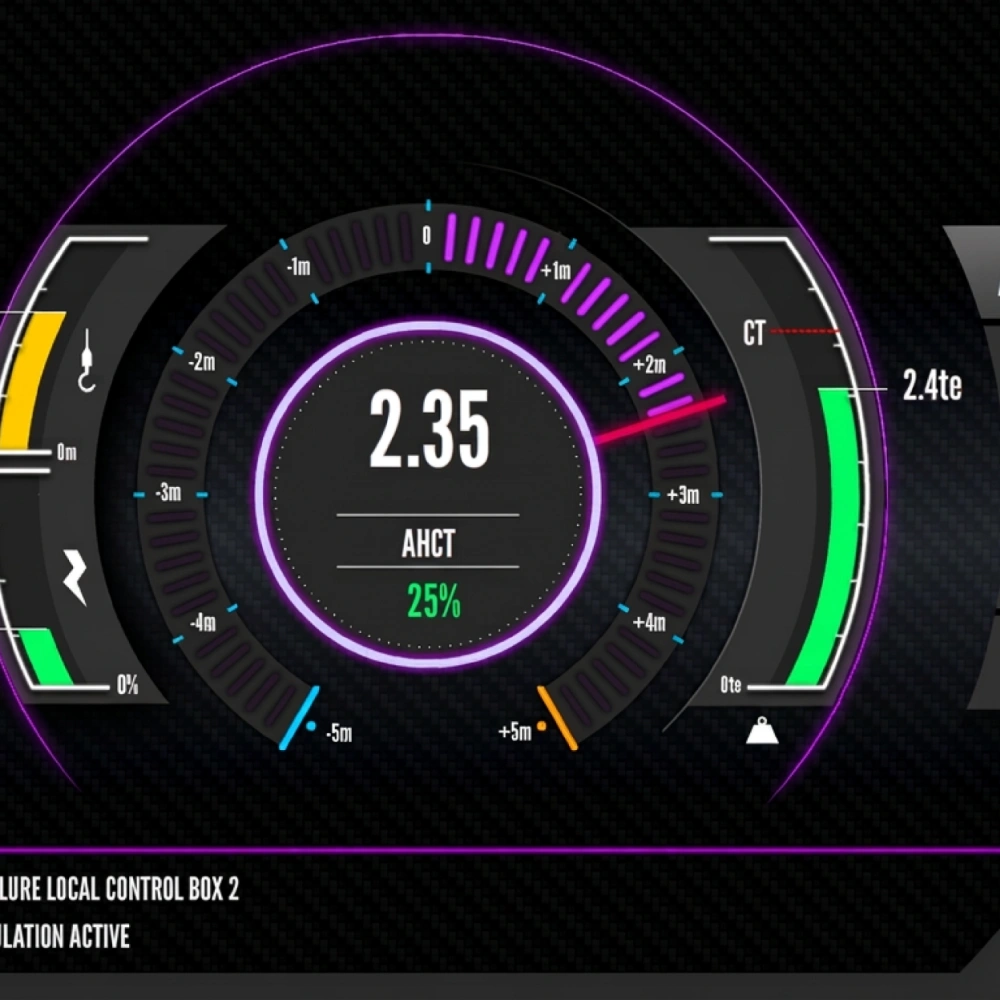
X-Wave™ active heave compensation technology for offshore lifting, launch and recovery, and subsea operations.
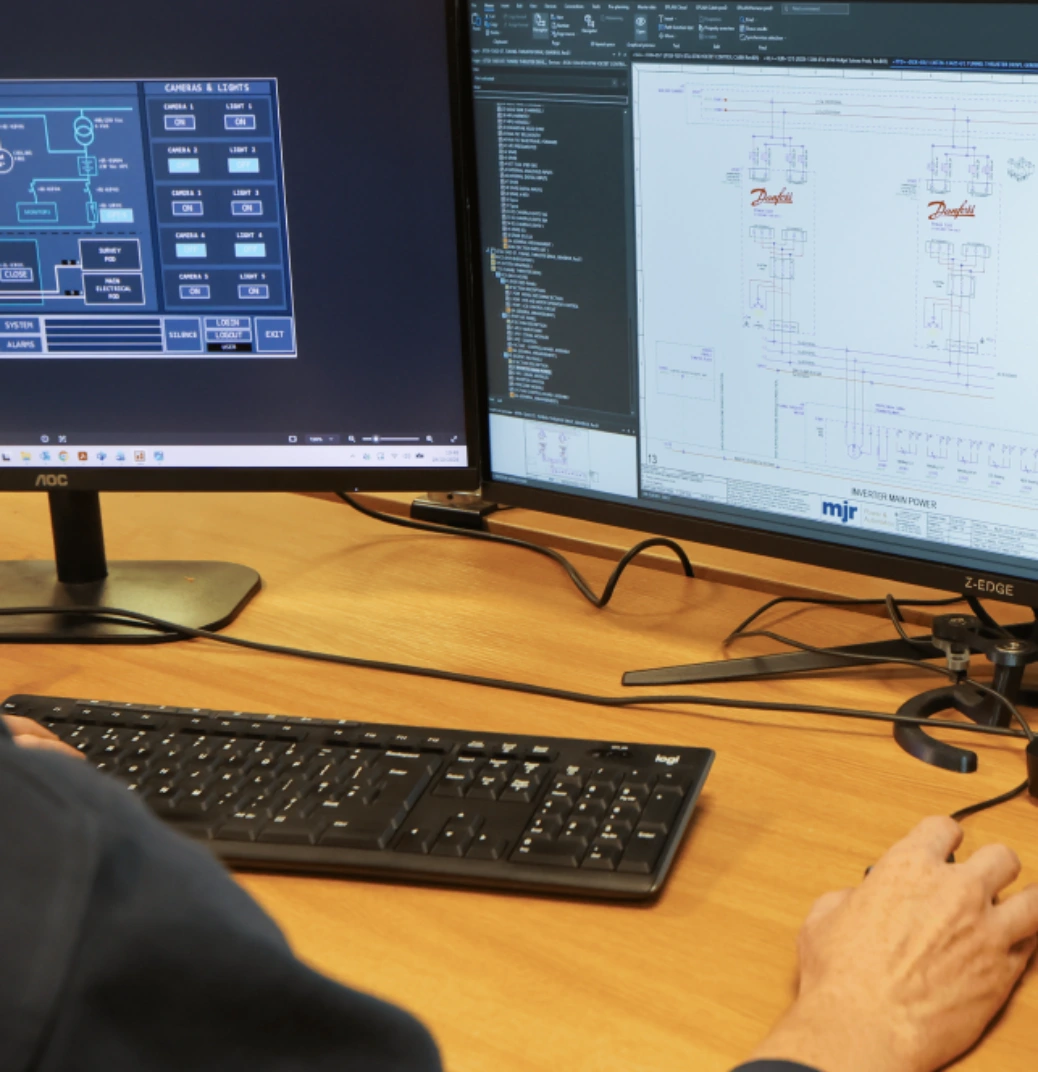
Marine electrical design, FEED studies, calculations and system engineering developed around vessel, offshore and project requirements.
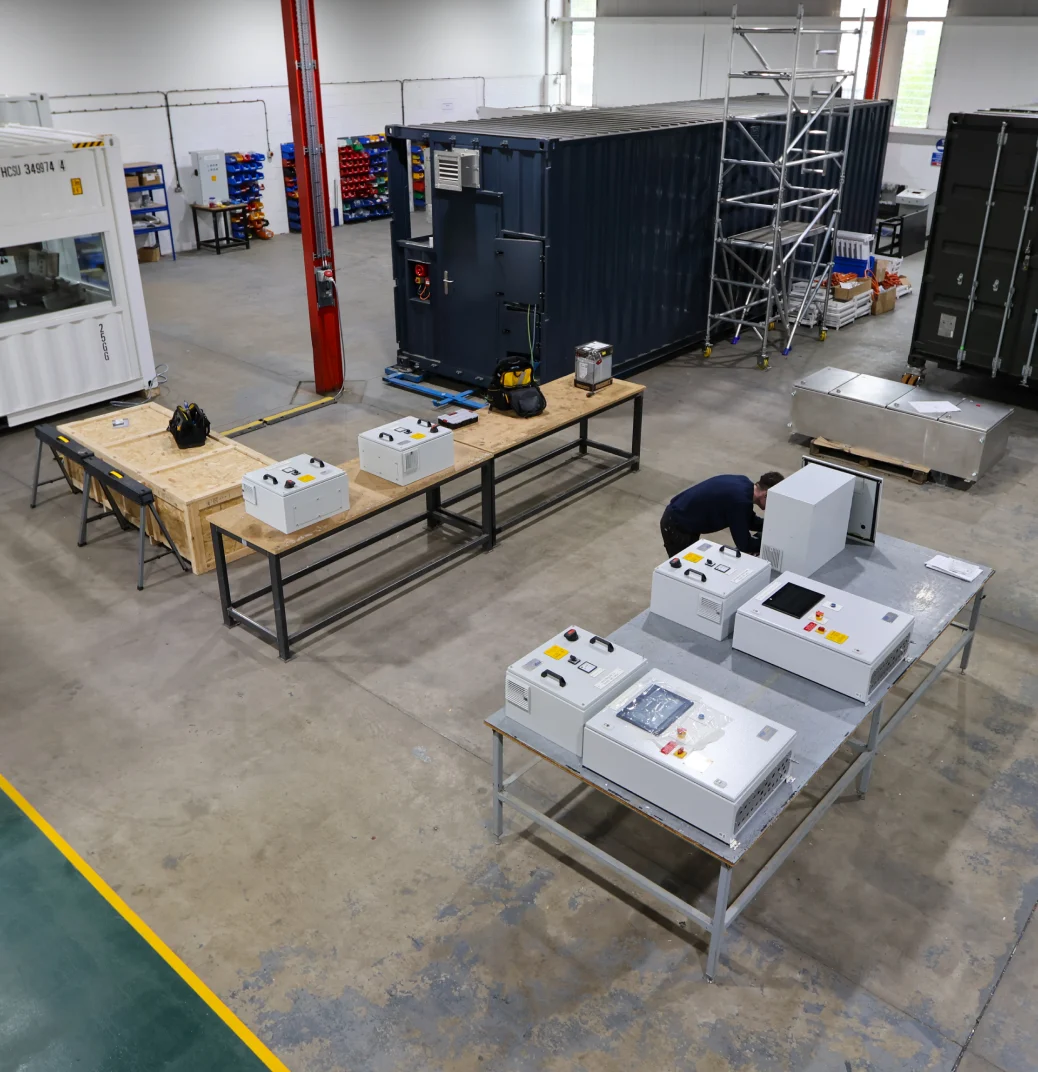
Integrated electrical power, switchboard, control and automation systems engineered, built and tested for demanding marine and offshore applications.
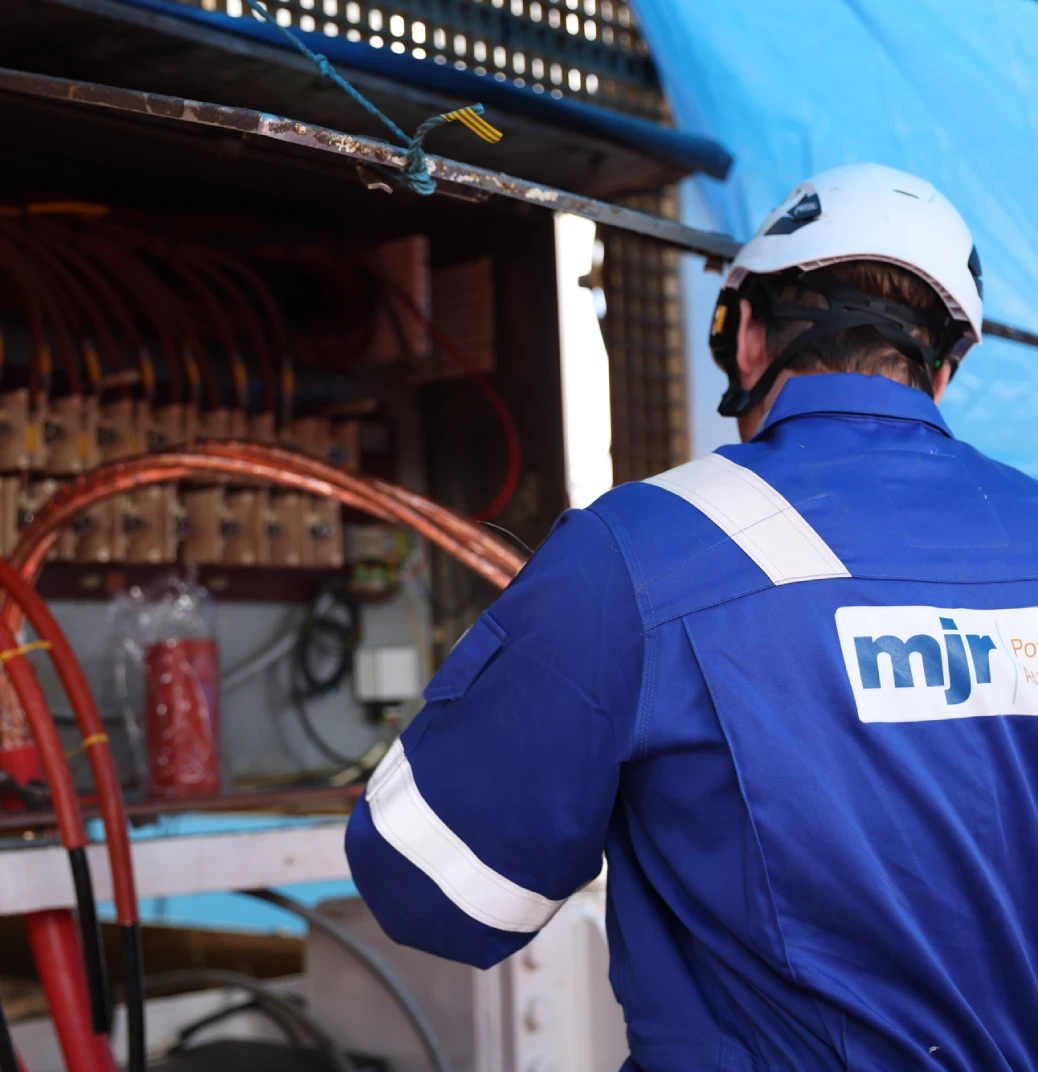
Marine electrical installation, onboard integration, vessel commissioning and functional testing through to technical handover.
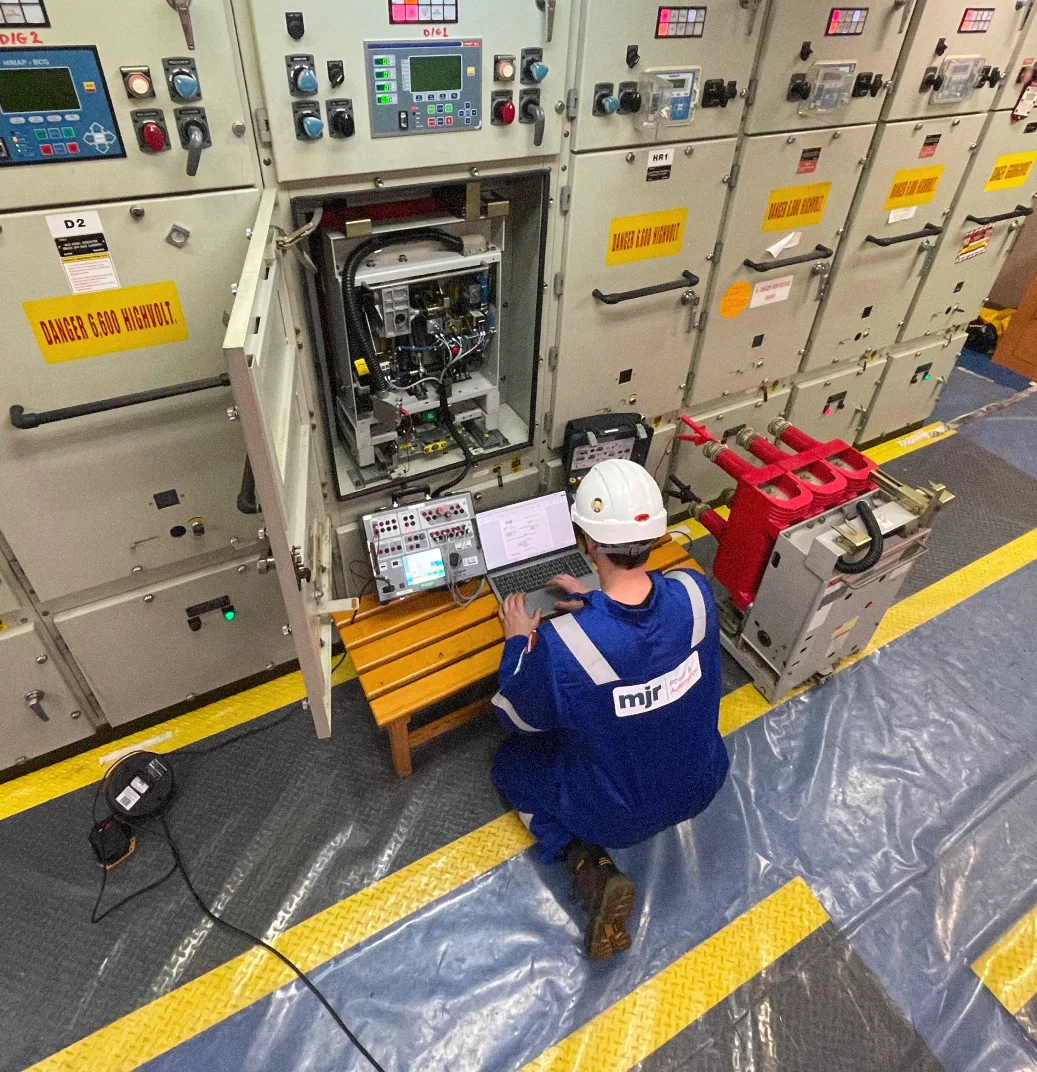
Marine electrical service, fault-finding, repair, testing, retrofit and lifecycle support for vessels and offshore assets.
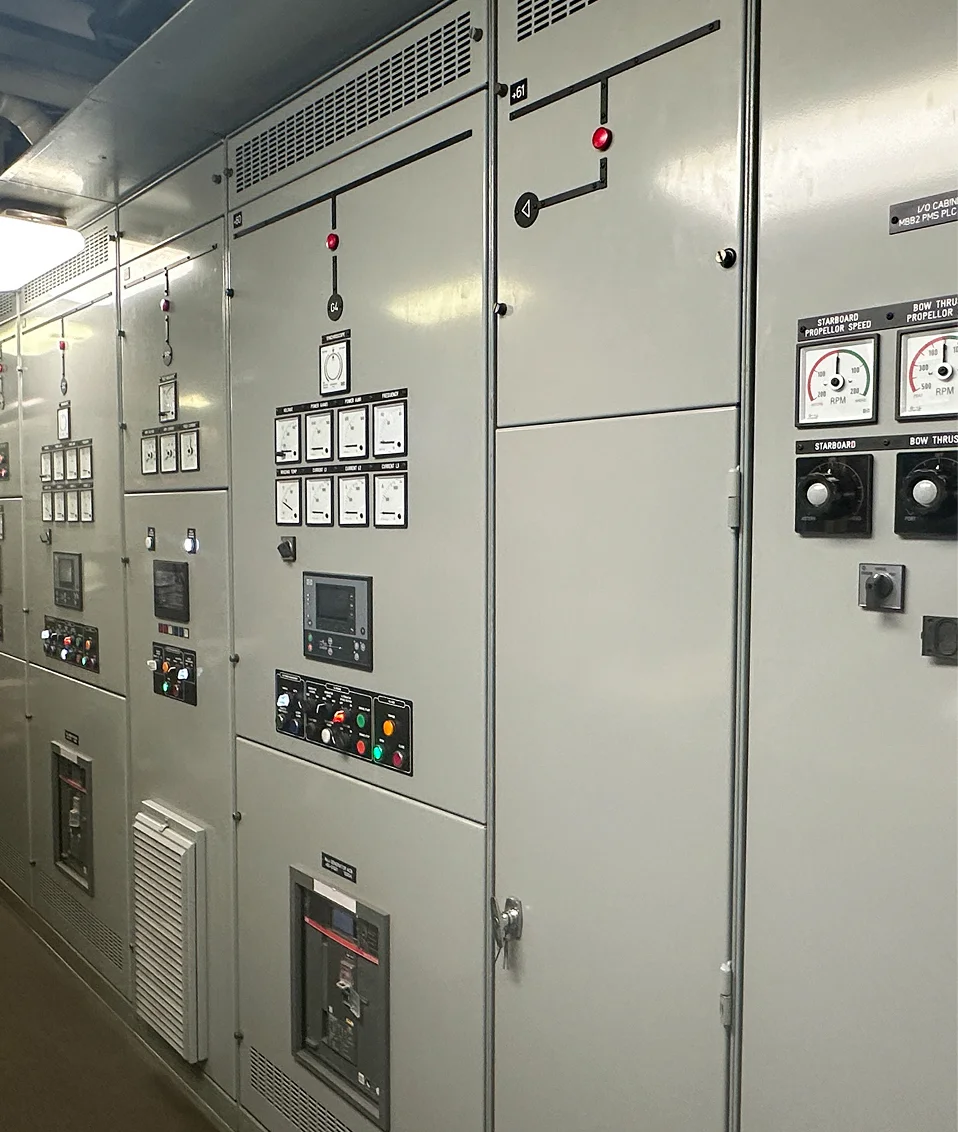
Marine power distribution systems covering generation, switchboards, power management systems, load sharing, protection and electrical distribution.
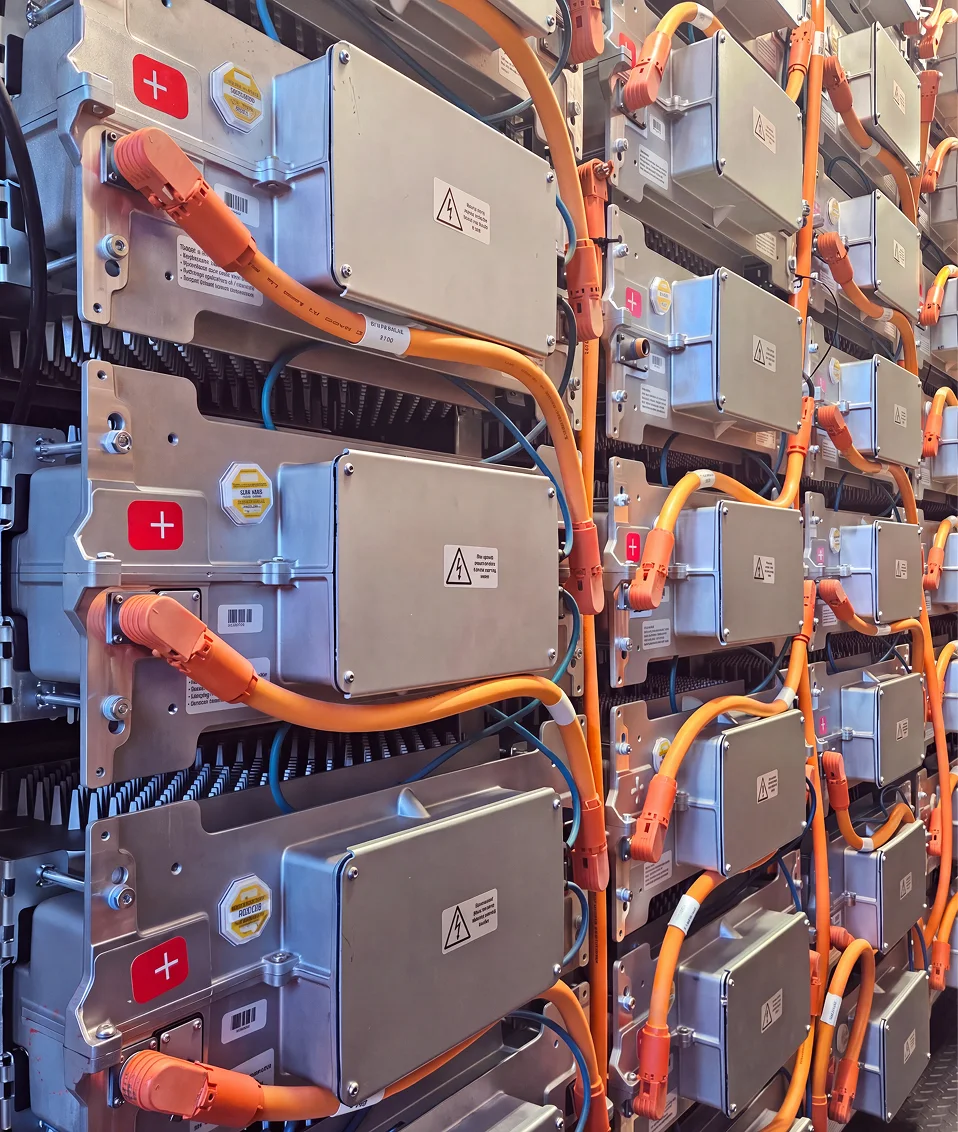
Marine energy storage systems including battery energy storage, BESS integration, supercapacitors, peak shaving, backup power and hybrid power support.
Sectors we are Powering
Follow MJR project updates, company news and technical insight covering marine electrical engineering, automation, shore power, offshore vessel charging and vessel electrification.
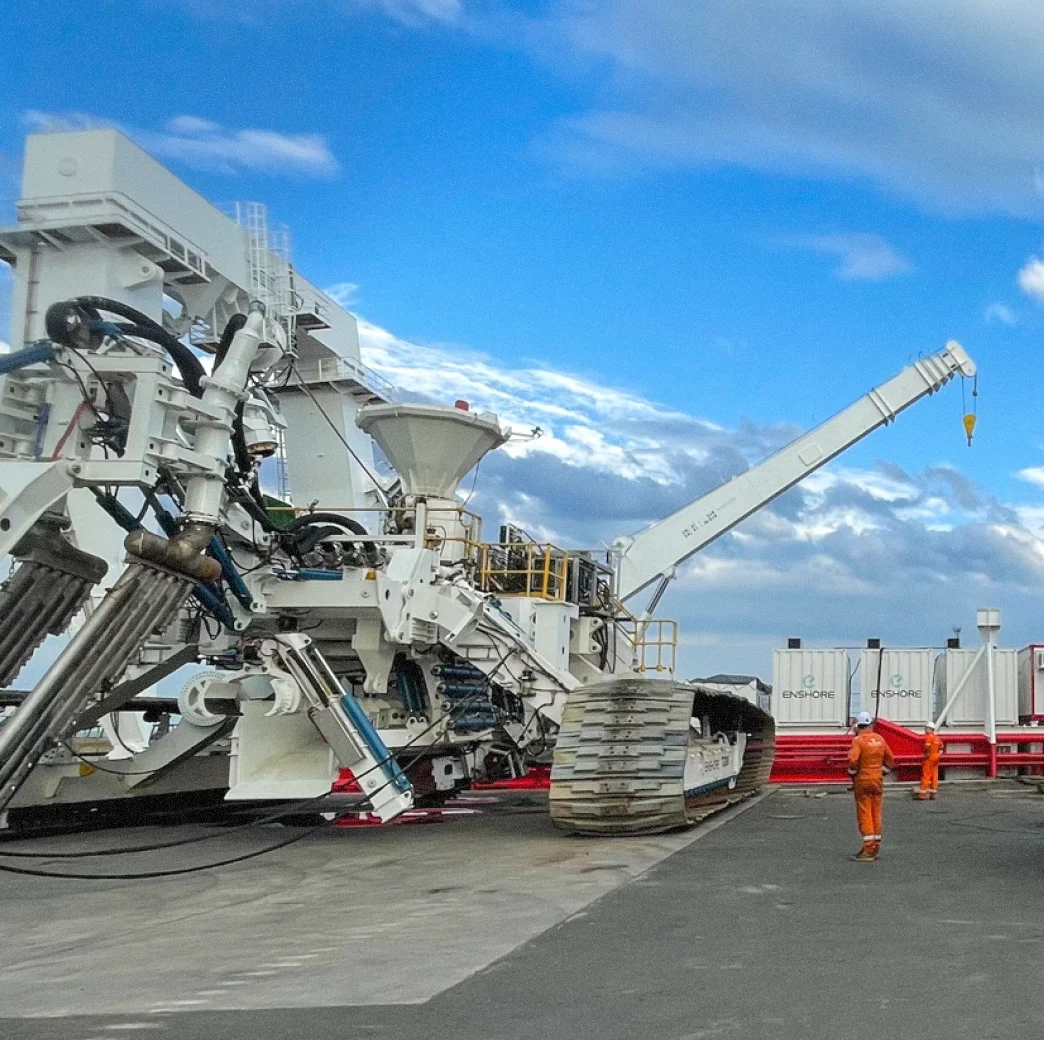
Show how MJR designs, installs, commissions and supports product systems.
Relevant Project Experience
Explore MJR projects involving vessel automation, monitoring, control and power management across newbuild, retrofit and upgrade programmes.

Dredger Life Extension — Power, Propulsion, Dredging & Automation
Propulsion Drive and Control System Retrofit — Without Rewiring the Ship
The Questions We Get Asked Most
Find answers to common questions about the project, including the systems involved, engineering approach, technical challenges and how the solution was delivered.