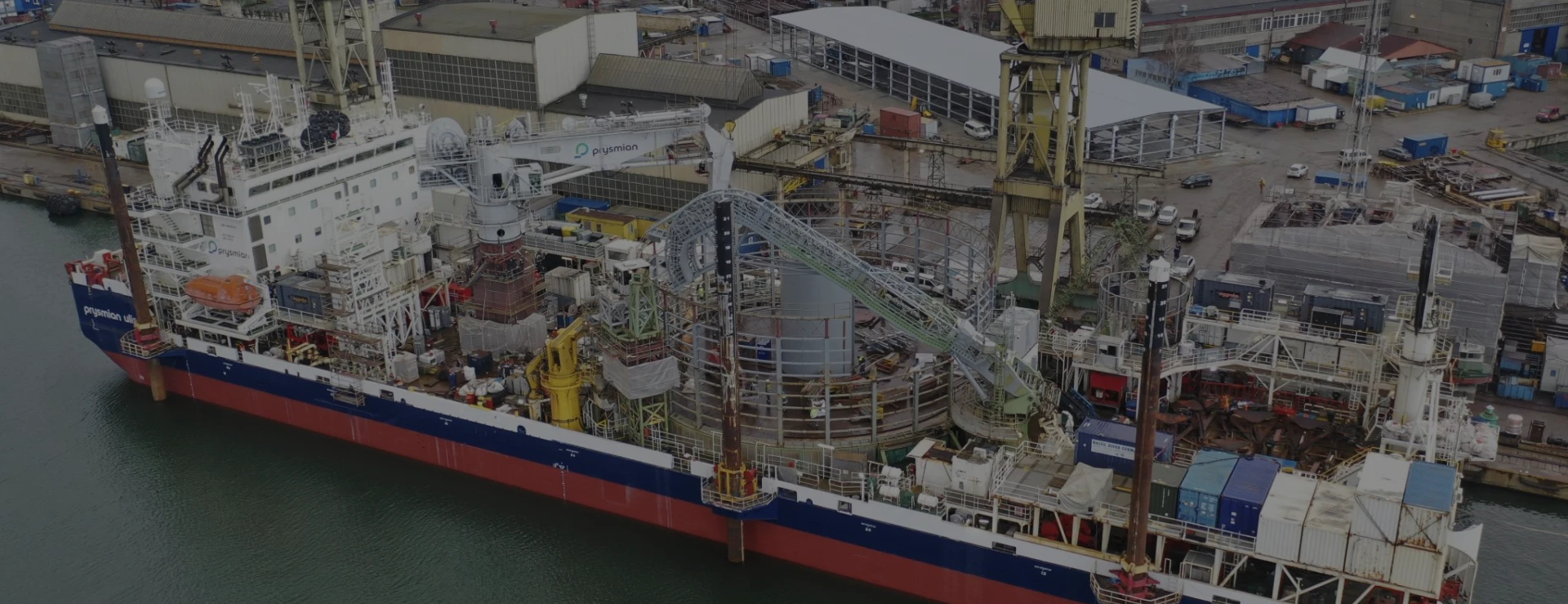
AHC Crane Installation - Prysmian Ulisee
Electrical Installation for an Active Heave Compensated Crane — Across Three Countries
Project Overview
MJR Power & Automation Delivers Turnkey Electrical Installation for AHC Crane on Prysmian Ulisee
Main switchboard modifications, medium voltage cabling and power management interfacing for an active heave compensated crane, engineered before, during and after the crane lift, at ports in Poland, Finland and Estonia.
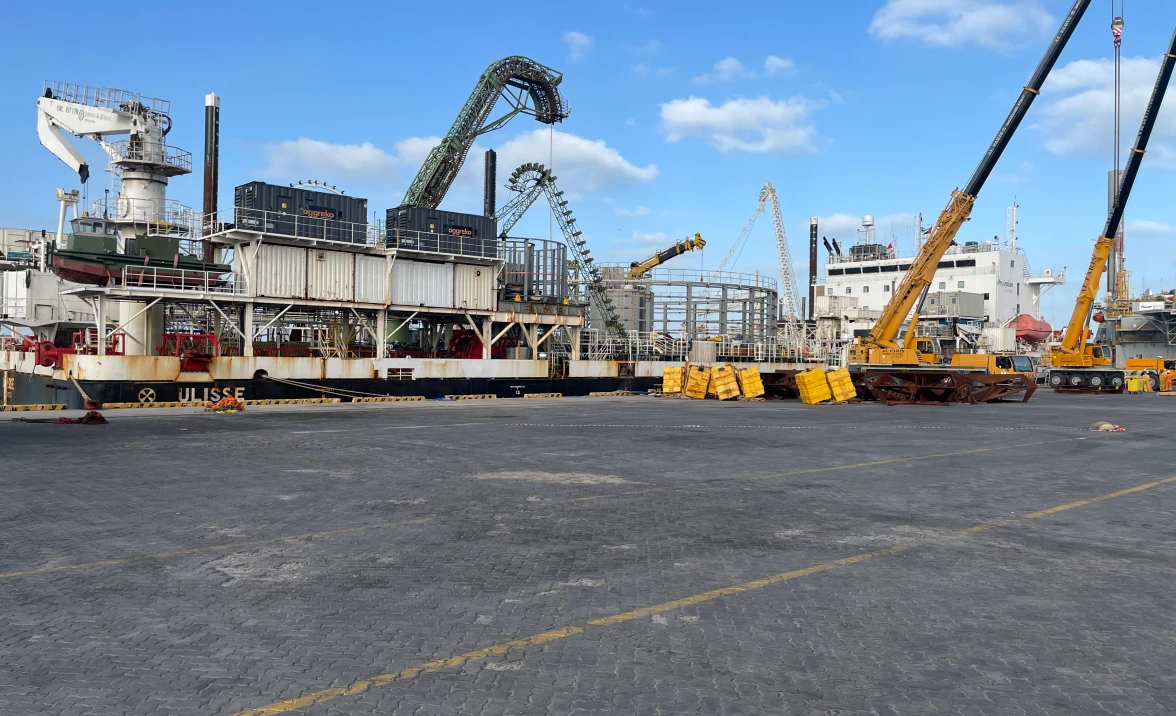
The Prysmian Ulisee is a cable laying barge built for shallow-water cable laying and burial, working with carousels, a rock saw and a specialist hydroplow that lays and buries cable in a single pass. To increase her operational capacity, an active heave compensated crane was installed.
MJR Power & Automation carried out the turnkey vessel electrical installation supporting that upgrade; modifying the main switchboard, engineering the interface to the vessel's power management system, installing and terminating the medium voltage cabling that supplies the crane, and providing the 230V cabin supply and lighting.
What makes the project unusual is how it was delivered. The Ulisee had a full working schedule and none of it was given up. The electrical work was broken into phases carried out before, during and after the crane installation, executed at ports in Poland, Finland and Estonia as the vessel moved between jobs, so that no production time was lost.
Project significance Fitting a major item of deck equipment to a working vessel is normally a choice between doing it properly and doing it quickly. Here it was neither. It was done in pieces, in three countries, around a schedule that did not move, with the switchboard modifications and cable routes designed so that each phase left the vessel fully operational until the next port.
The challenge
Fitting a Crane to a Working Barge, in Three Countries, Without Stopping Her A schedule that would not move.
The Ulisee had cable laying work booked. The upgrade had to be delivered around that programme rather than instead of it, which meant designing the work to be interruptible and resumable rather than continuous.
Three phases, split around a crane lift.
The electrical scope could not be done in one visit. Some had to be complete before the crane arrived, some could only be done while it was being installed, and the rest only afterwards. Each phase had to leave the vessel safe and working.
Three countries, three port calls.
Work was carried out in Poland, Finland and Estonia as the vessel moved between jobs. Every phase meant mobilising people, tools and materials to a different country, to a date fixed by the vessel rather than by the contractor.
A switchboard that had to gain a major consumer.
The main switchboard needed new busbars, new circuit breakers and new controls to supply a crane it was never designed for, with load analysis to confirm the vessel could carry it.
The crane power had to be managed by the vessel.
An interface to the vessel's power management system had to be engineered so the new crane was managed as part of the vessel's electrical plant rather than simply connected to it.
Class approval on every modification.
All modifications required class approval and certification, obtained alongside a phased installation rather than at the end of a single continuous scope.
Scope of Work
Turnkey Vessel Electrical Installation, Delivered in Phases
Carried out before, during and after the crane installation:
- Modifications to the main switchboard, including new busbars, new circuit breakers and controls
- Engineering of the interface to the vessel's power management system to accommodate the new crane
- Installation and termination of the medium voltage power cables from the switchboard to the crane
- 230V cabin supply and lighting installation
Wider scope of work:
- Power distribution installation and termination for MV, 230V and 110V vessel networks
- Main switchboard modifications
- Electrical load analysis
- Design of cable management systems, cable penetrations and cable schedules
- Installation of deck equipment, in this case the active heave compensated crane
- Class approval and certification of all modifications
Solutions Delivered
The Switchboard — Making room for a new major consumer
The vessel's main switchboard was modified to supply the crane, with new busbars, new circuit breakers and new controls added. Electrical load analysis established that the existing plant could carry the additional demand and confirmed how the crane should be fed.
The Interface — The crane as part of the plant
An interface to the vessel's power management system was engineered so the crane is managed rather than merely supplied. On a vessel where an AHC crane can draw heavily and intermittently, the power management system needs to see that demand coming and respond to it, which is a control engineering problem rather than a cabling one.
The Distribution — MV to the crane, LV to everything else
Medium voltage power cables were installed and terminated from the switchboard to the crane, with cable management systems, penetrations and schedules designed for the routes. Alongside the crane supply, 230V cabin supply and lighting installation completed the wider distribution scope across the MV, 230V and 110V networks.
The Method — Phased across three countries
The installation was split into phases completed before, during and after the crane was fitted, carried out at ports in Poland, Finland and Estonia to match the vessel's movements. Each mobilisation had to arrive with the right people and materials for that phase, complete it inside the port call, and leave the vessel able to sail and work.
The result was that a substantial electrical modification and a major crane installation were absorbed into a working programme without the vessel losing production time.
Delivery & Approval
All modifications were subject to class approval and certification. On completion of the work the Ulisee was taken to Virginia, USA, where she began cable laying operations on America's East Coast.
Quote — Paul Cairns, Managing Director, MJR Power & Automation:
"We are pleased to have completed electrical mobilisation of the AHC crane for the Prysmian Ulisee, having carried out multiple mobilisations for them in the past. This demonstrates our trusted relationship with Prysmian, built with the company over time. For the Ulisee, this required careful planning and execution to fit in with the vessel's busy schedule, with the project also calling for electrical engineering before, during and after the mobilisation of the crane."
Technical Summary
- Client Prysmian
- Vessel Prysmian Ulisee — shallow-water cable laying and burial barge
- Vessel equipment Carousels, rock saw, hydroplow for simultaneous lay and burial
- Sector Offshore Wind; Offshore Construction & Subsea
- Project driver Increase operational capacity by installing an AHC crane
- Project Scope Turnkey vessel electrical installation
- Switchboard Main switchboard modifications — new busbars, breakers and controls
- Networks MV, 230V and 110V
- Crane supply MV power cables installed and terminated from switchboard to crane
- Control Interface engineered to the vessel's power management system
- Additional 230V cabin supply and lighting installation
- Engineering Electrical load analysis; cable management, penetrations and schedules
- Class Approval and certification of all modifications — society to be confirmed
- Delivery Phased before, during and after crane installation
- Locations Ports in Poland, Finland and Estonia
- Outcome No production time lost; vessel sailed to Virginia, USA
Project Outcomes
No production time lost.
A major deck equipment installation and the electrical modifications supporting it were absorbed into the vessel's working schedule rather than taken out of it. This is the headline outcome and the hardest part of the project.
Operational capacity increased.
The AHC crane extends what the Ulisee can do, which was the purpose of the upgrade.
The crane integrated into the vessel's plant.
A power management system interface means the crane is managed as part of the vessel's electrical system rather than simply connected to it.
All modifications class approved and certified.
Achieved alongside a phased installation across three countries rather than in a single continuous scope.
Deployed to the US market.
The vessel sailed for Virginia on completion and began cable laying on America's East Coast.
A repeat client relationship extended.
MJR Power & Automation has carried out multiple mobilisations for Prysmian, and this was one of the latest.
Gallery
Share your vessel, equipment and interface requirements with MJR.
Marine electrical design, FEED studies, calculations and system engineering developed around vessel, offshore and project requirements.
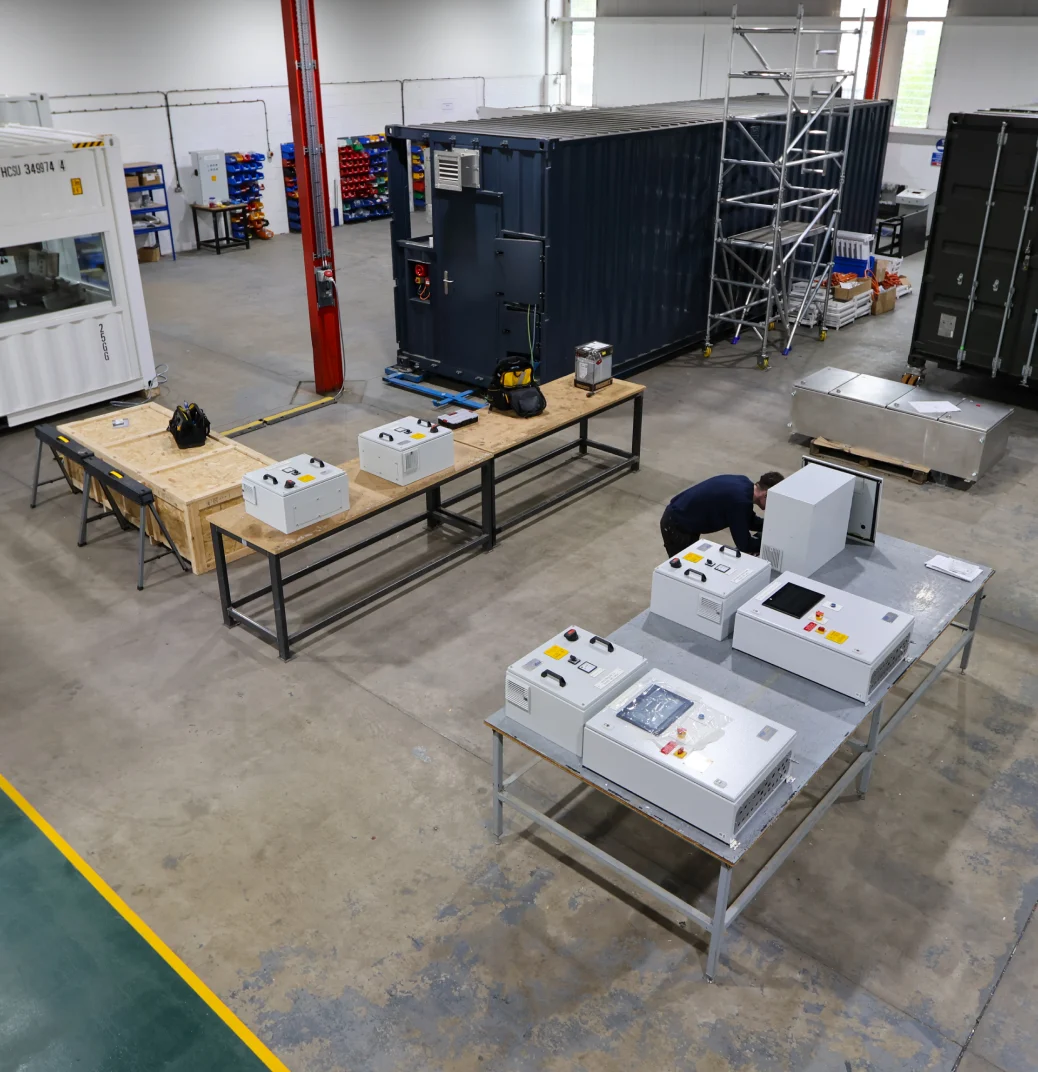
Integrated electrical power, switchboard, control and automation systems engineered, built and tested for demanding marine and offshore applications.
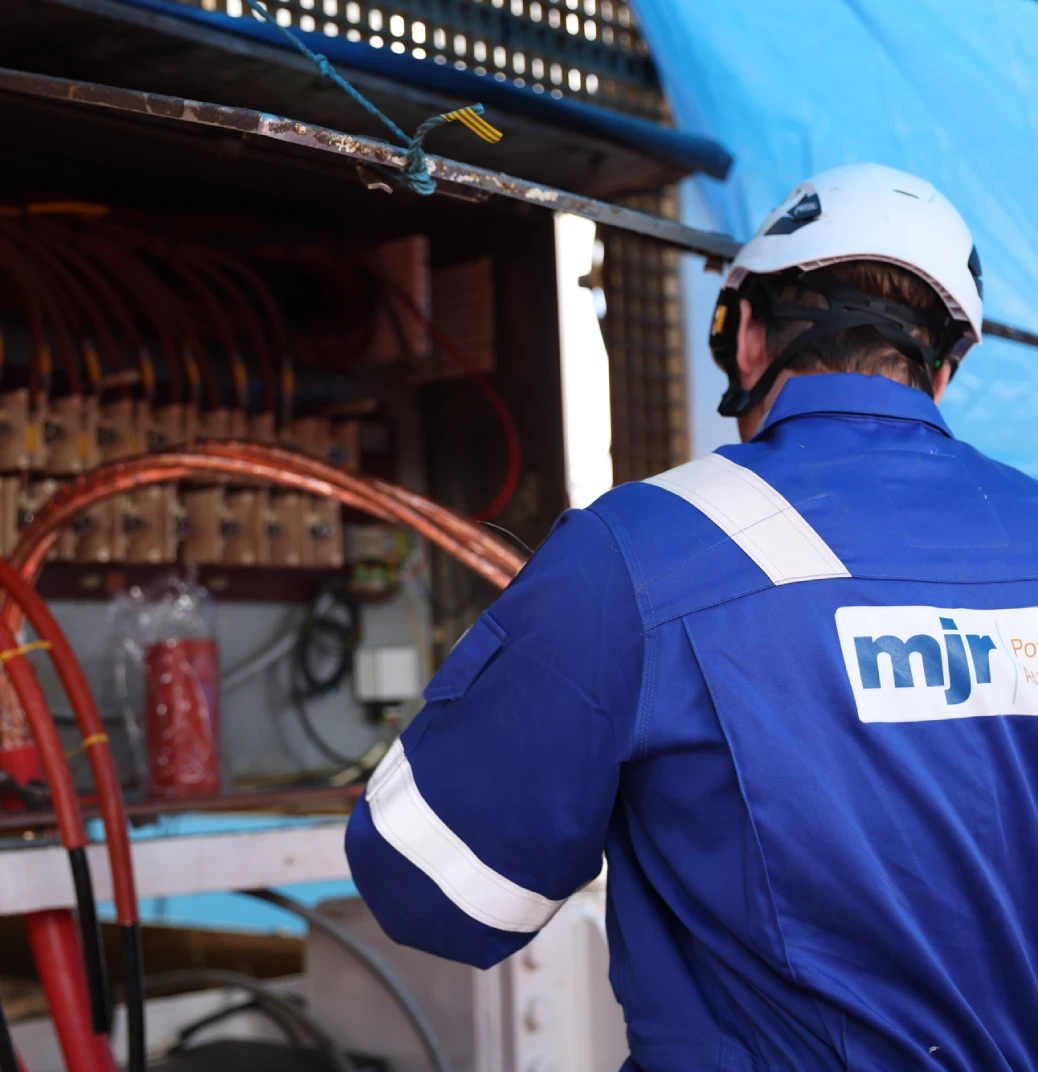
Marine electrical installation, onboard integration, vessel commissioning and functional testing through to technical handover.
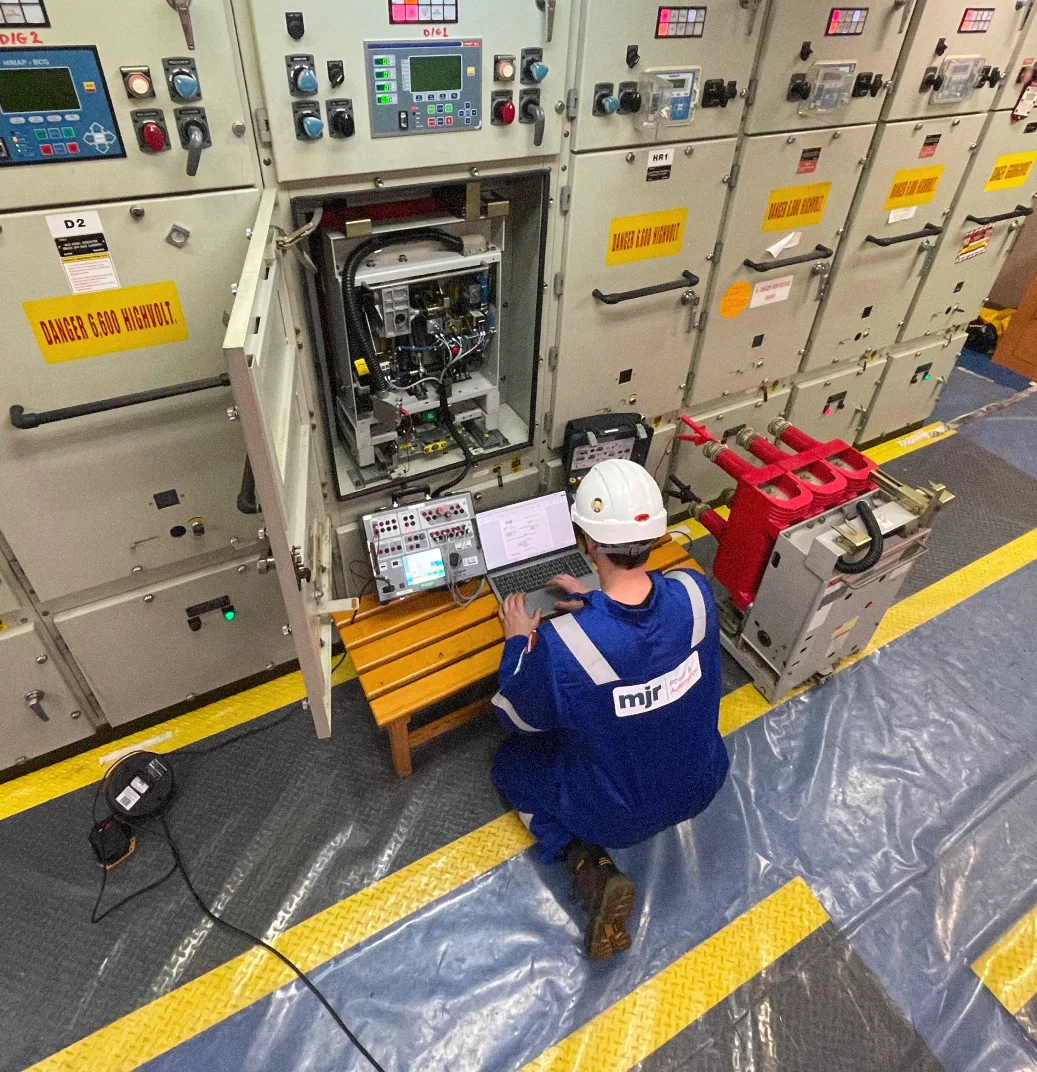
Marine electrical service, fault-finding, repair, testing, retrofit and lifecycle support for vessels and offshore assets.
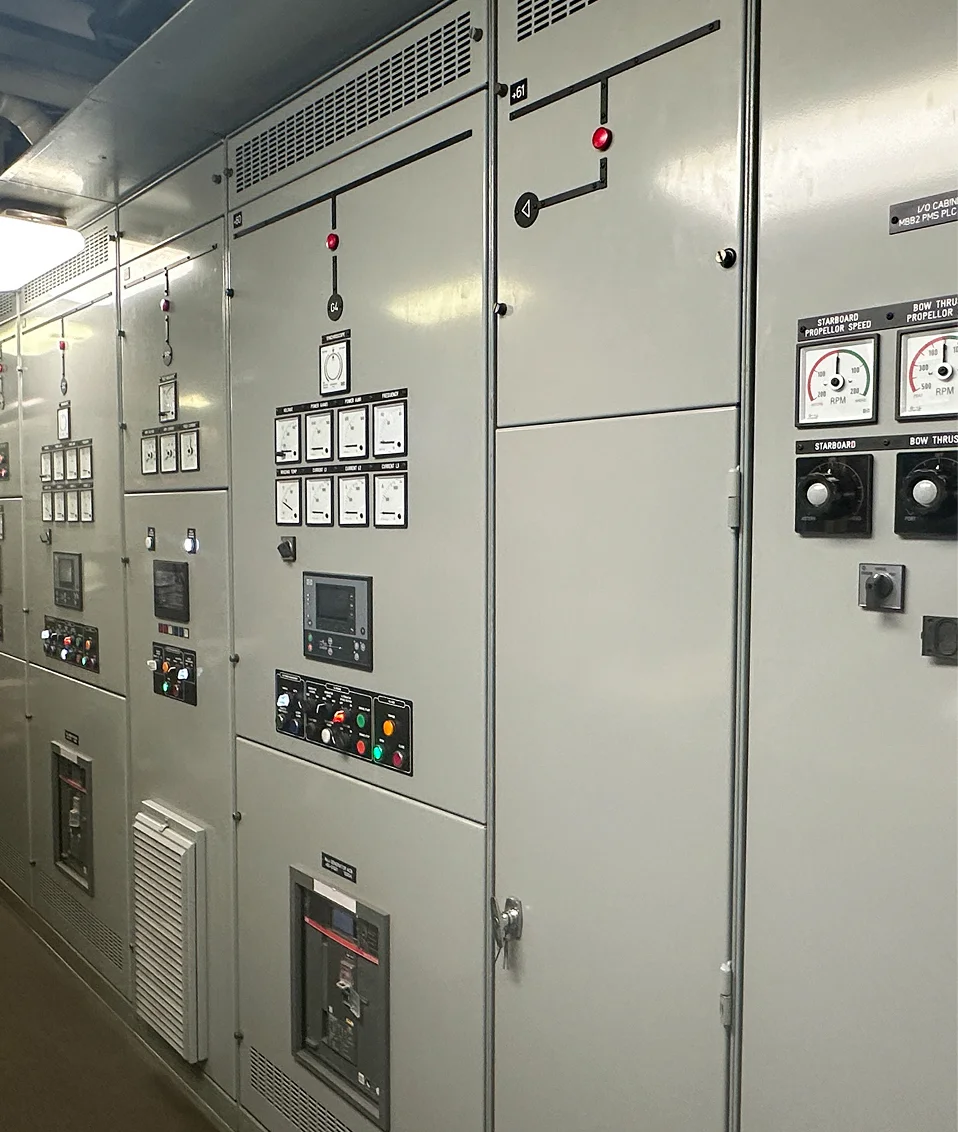
Marine power distribution systems covering generation, switchboards, power management systems, load sharing, protection and electrical distribution.
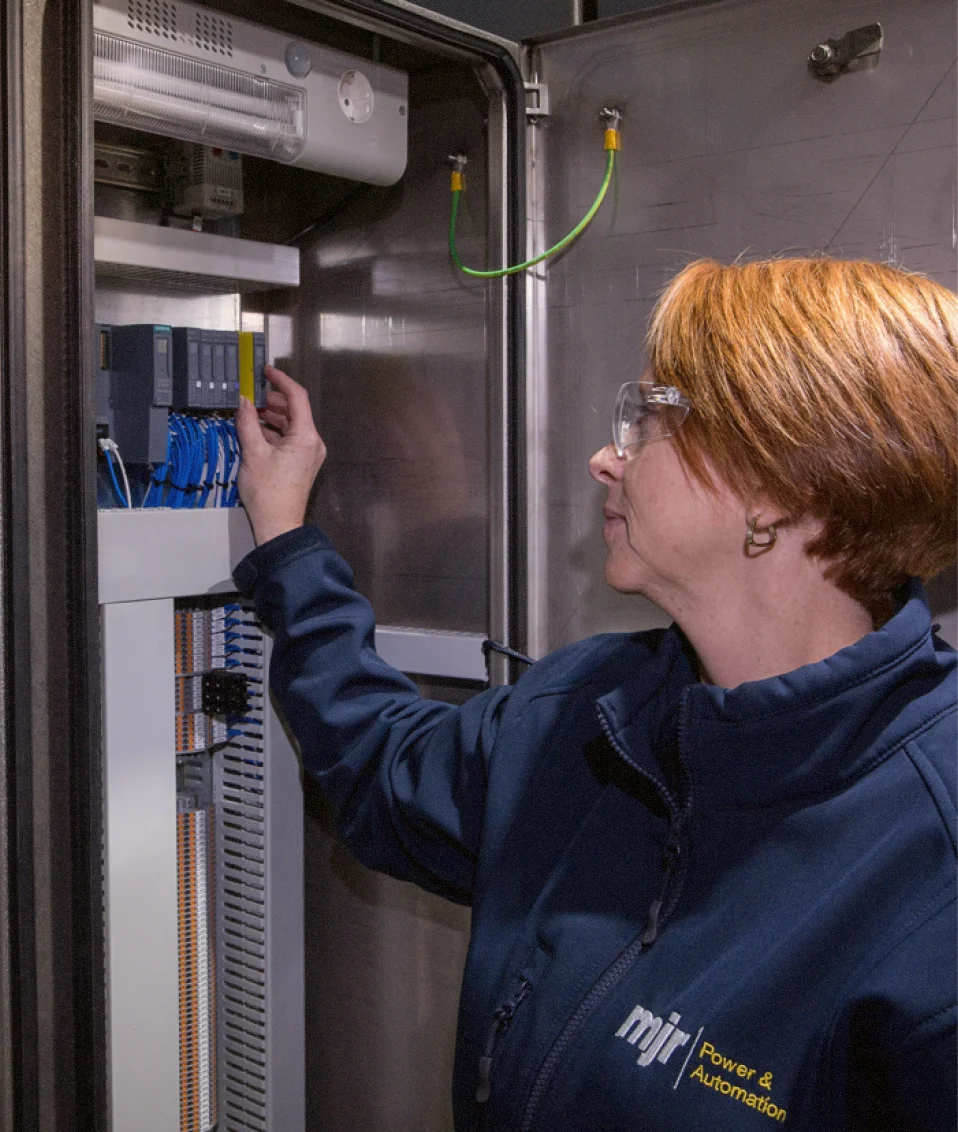
Marine automation systems integrating PLC, DCS, HMI, alarm monitoring, data logging, power management and vessel or offshore control.
Sectors we are Powering
Follow MJR project updates, company news and technical insight covering marine electrical engineering, automation, shore power, offshore vessel charging and vessel electrification.
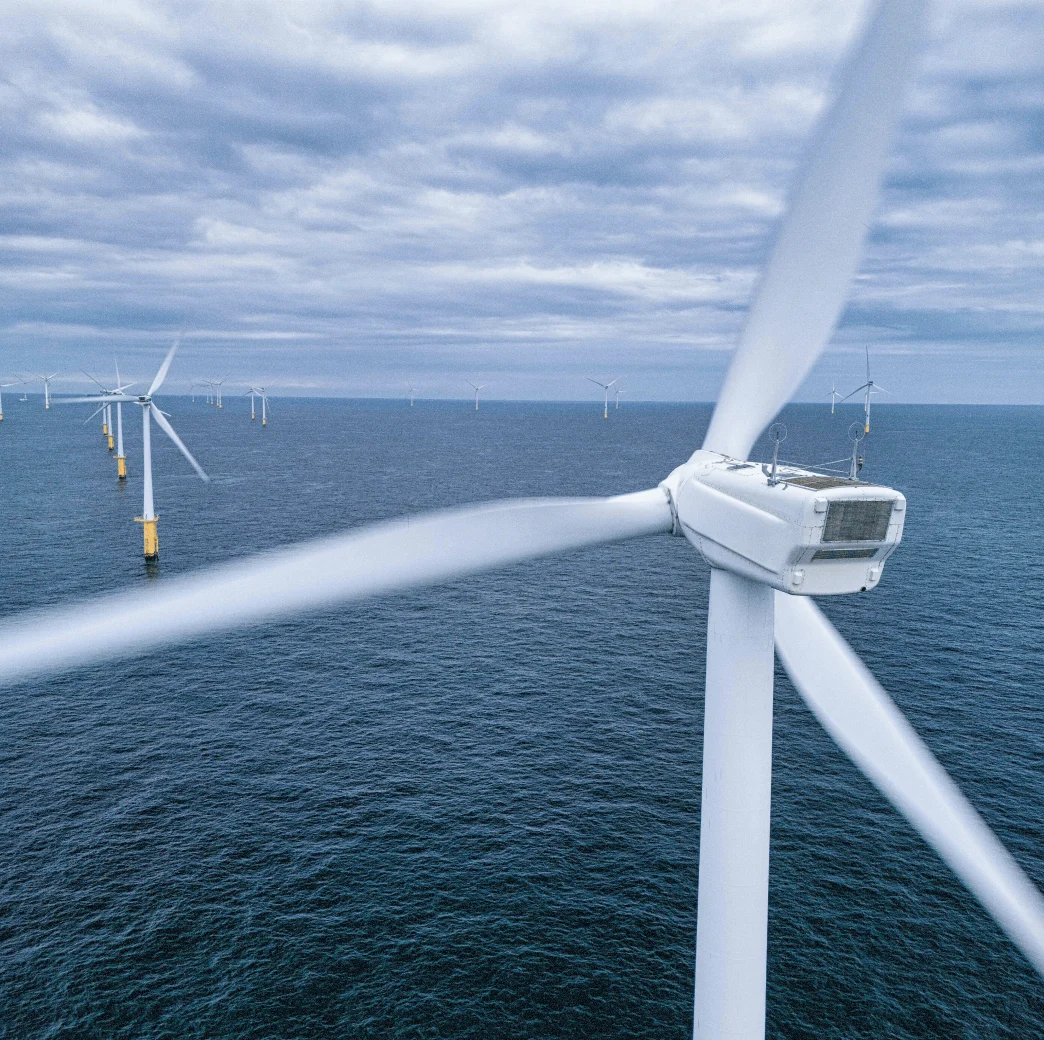
Show how MJR designs, installs, commissions and supports product systems.
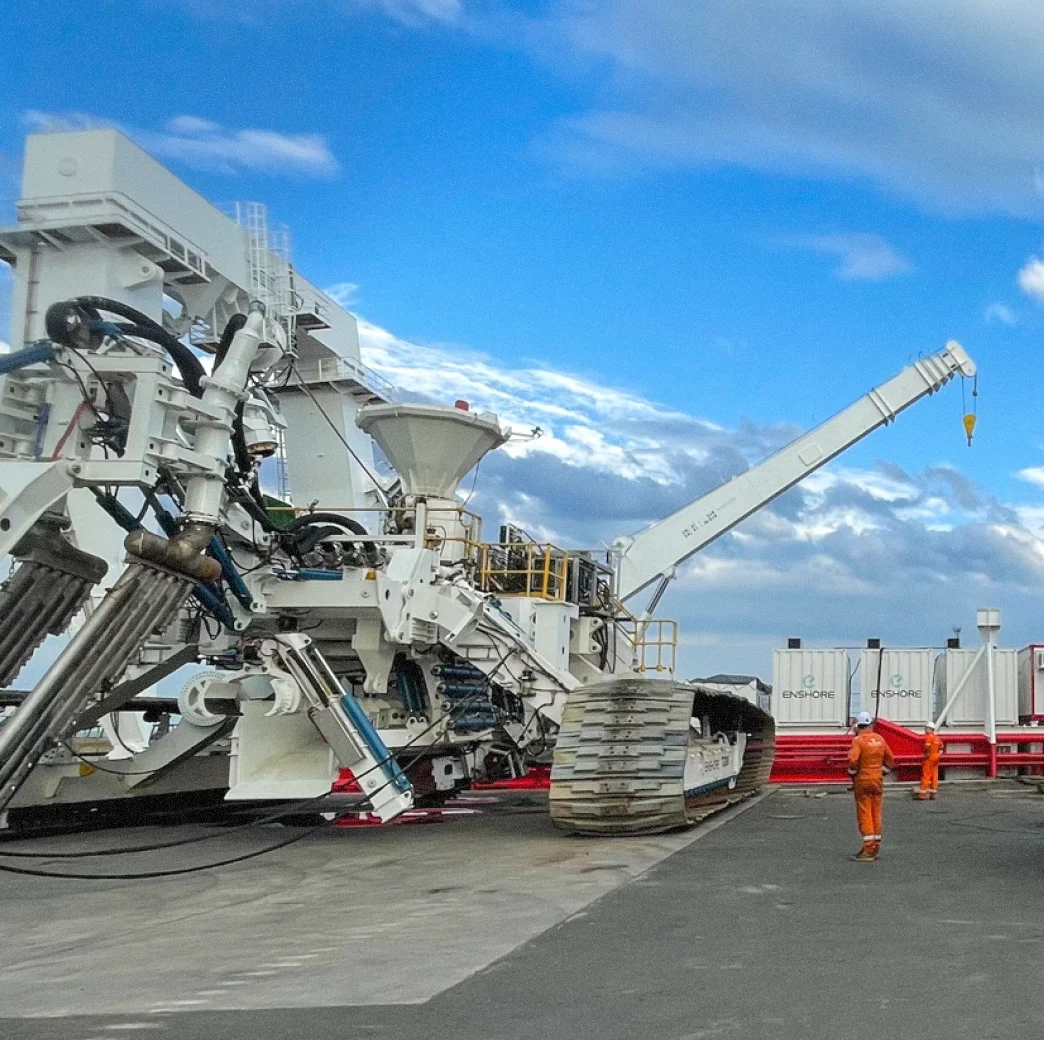
Show how MJR designs, installs, commissions and supports product systems.
Relevant Project Experience
Explore MJR projects involving vessel automation, monitoring, control and power management across newbuild, retrofit and upgrade programmes.
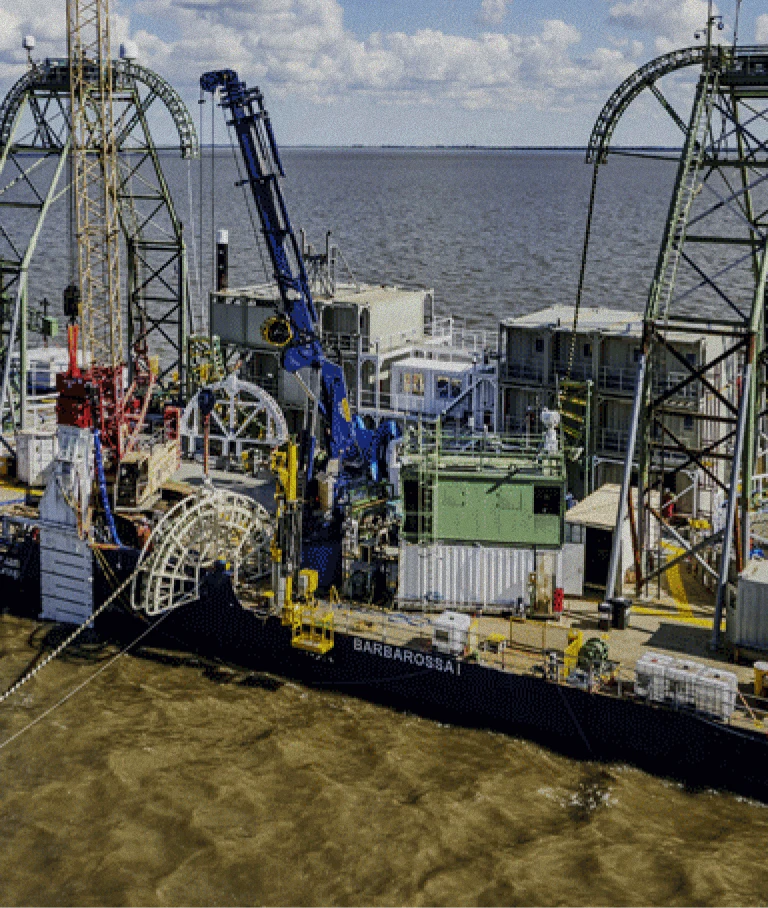
Mobilisation of Deck Equipment and Trenching Spreads — Three Ports, Two Countries
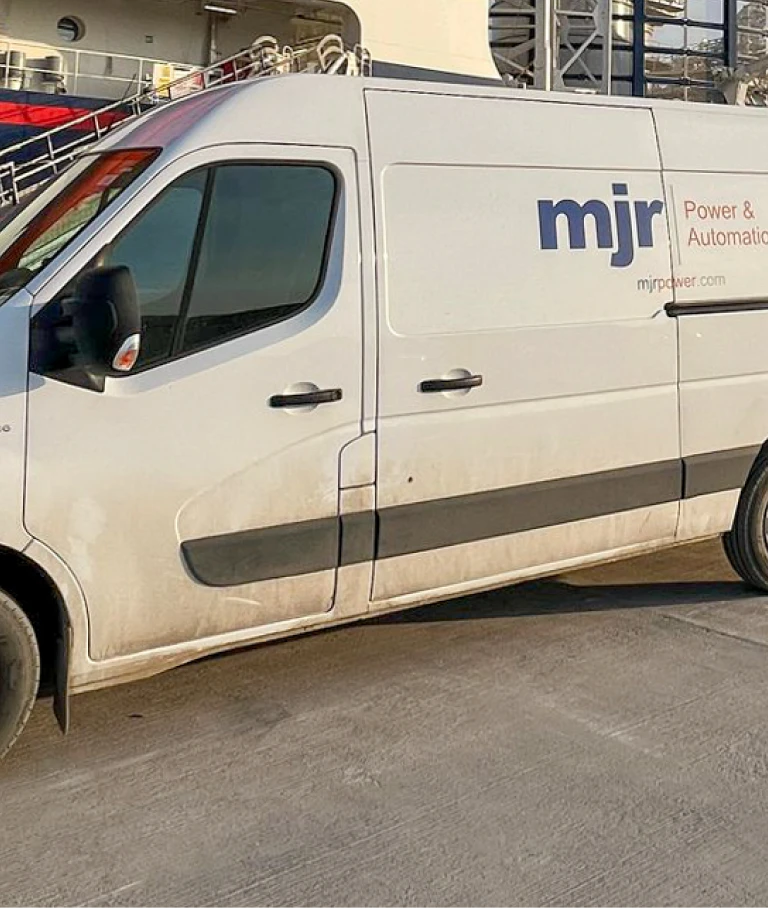
HydroPlow Spread Mobilisation — Port of Middlesbrough
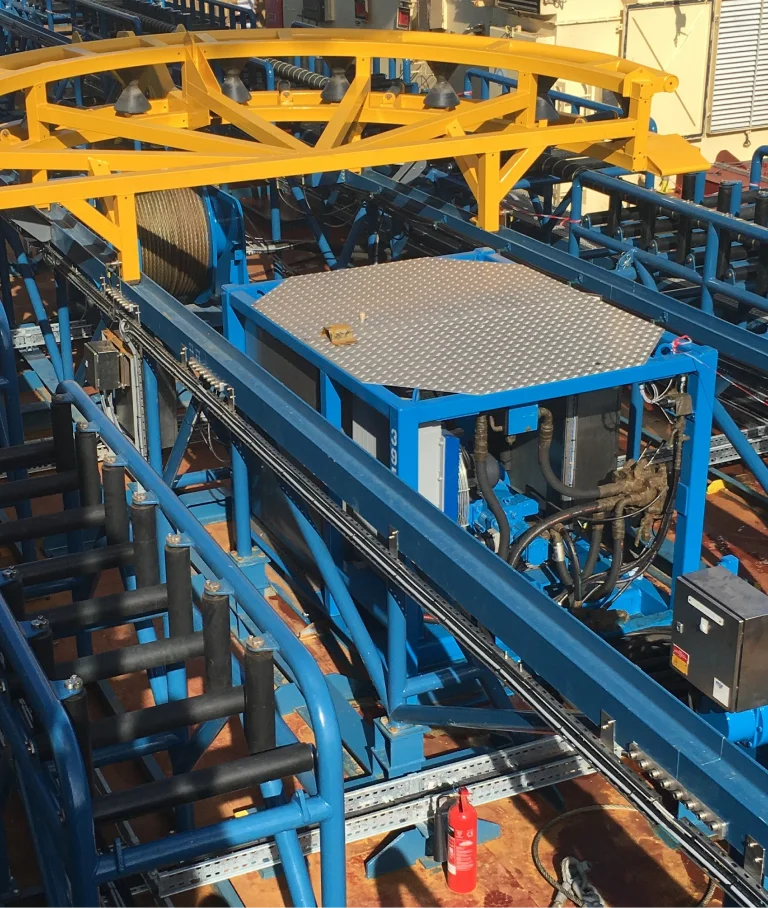
Deck Winch Constant Tension Control Upgrade & Reactivation
The Questions We Get Asked Most
Find answers to common questions about the project, including the systems involved, engineering approach, technical challenges and how the solution was delivered.