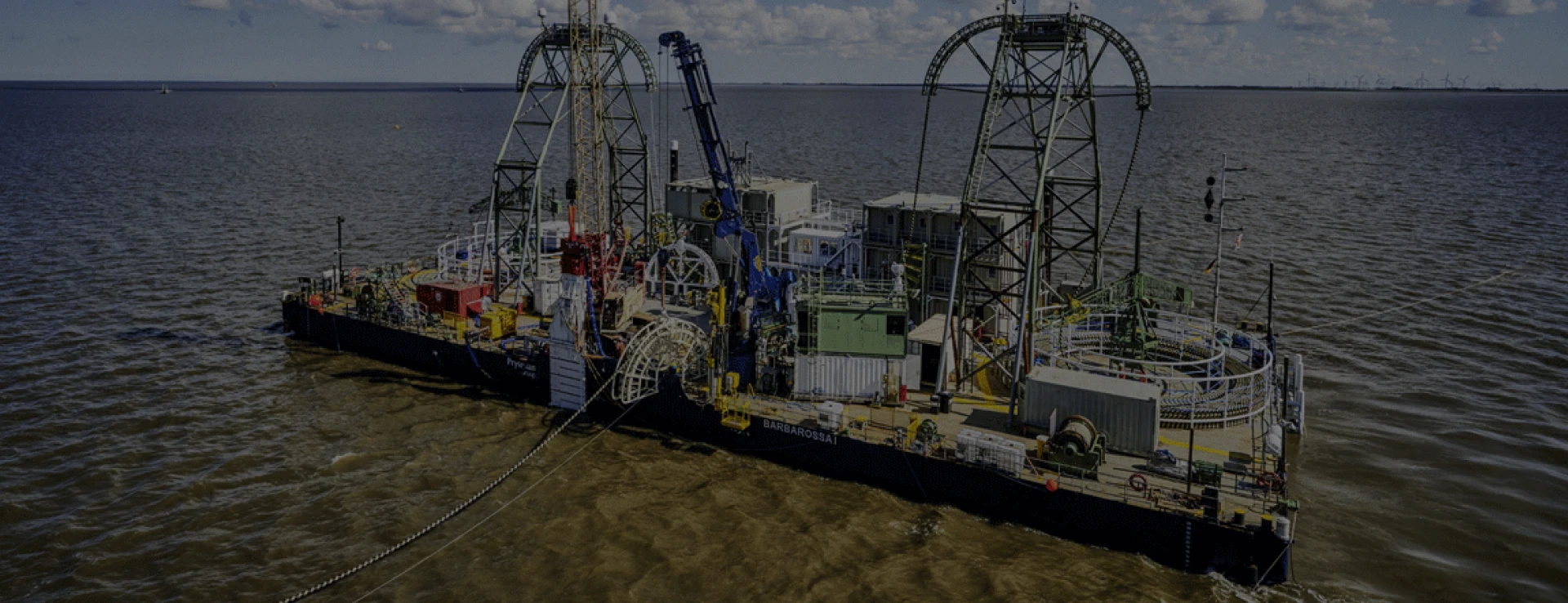
Mobilisation of Deck Equipment for Prysmian Barbarossa I
Mobilisation of Deck Equipment and Trenching Spreads — Three Ports, Two Countries
Project Overview
MJR Power & Automation Mobilises Trenching Spread and Deck Equipment onto Shallow Water Barge
Turnkey electrical installation across three ports in two countries — trenching tractor, on-deck generation, sixteen accommodation containers, hydraulic power units, a debris pump and a surveillance seadrone.
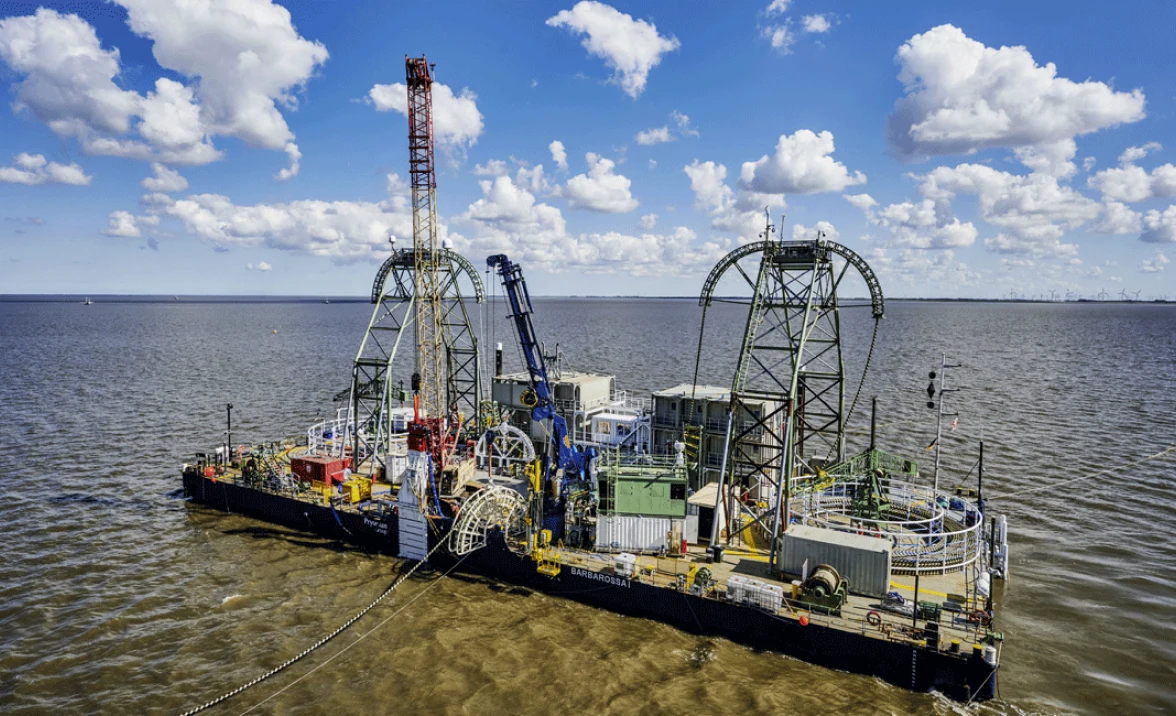
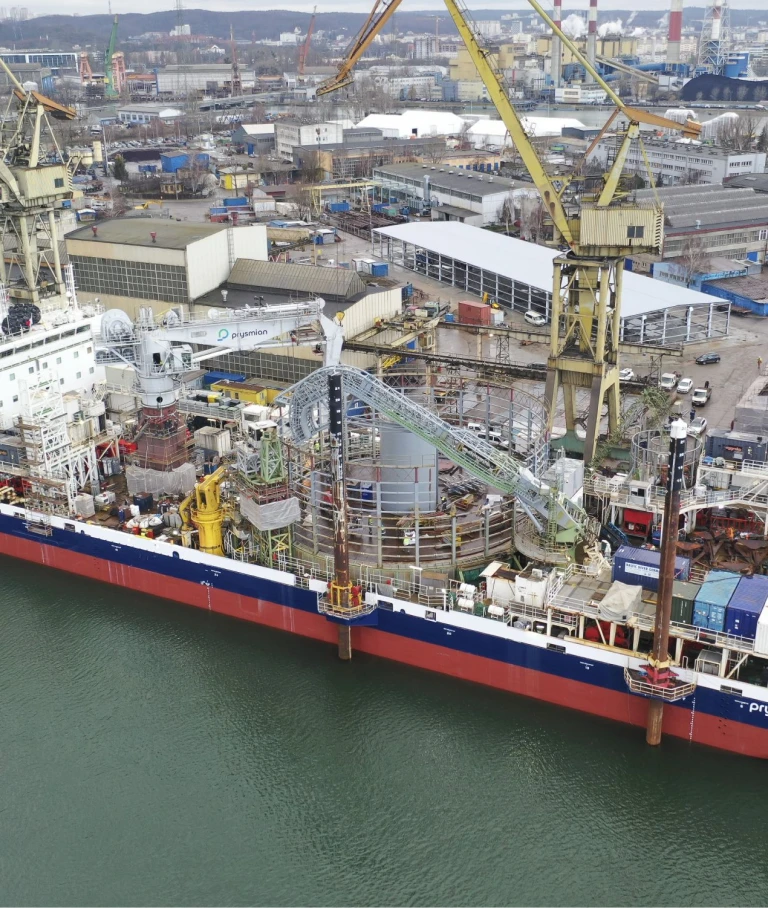
Prysmian Group operates a fleet of specialised cable-laying vessels serving the growing demand for submarine cable installation, particularly on offshore wind and interconnection projects. Barbarossa I is their shallow water trenching barge, 67 metres long, designed to work in ultra shallow areas where larger vessels cannot, and fitted with linear engines, winches, cable tanks and monitoring and control systems.
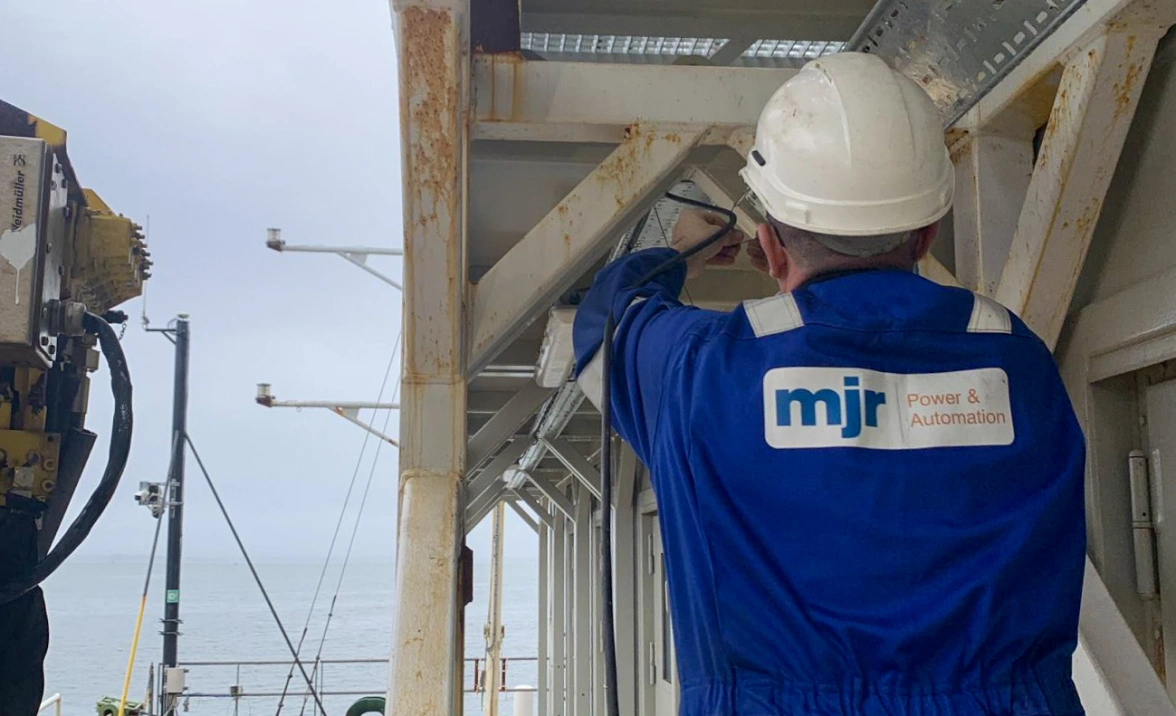
MJR Power & Automation provided the turnkey electrical installation on Barbarossa I, together with the mobilisation of deck equipment including generators, accommodation containers and the various spreads supporting her trenching operations.
The work was carried out in stages from ports in Middlesbrough, Falmouth and Brest. Two countries, three port calls, phased around the barge's programme.
Project significance A shallow water trenching barge is a platform, not a ship. Almost everything that makes it capable of doing a job is mobilised onto it for that job: the trencher, the power to run it, the hydraulics, the survey equipment, and on this occasion the accommodation for the thirty people operating it. The electrical mobilisation is what turns a barge into a working spread.
The challenge
Three ports, two countries, one spread.
Mobilisation was staged across Middlesbrough, Falmouth and Brest, with each phase planned around the barge's movements. Every port call meant getting the right people, equipment and materials to a different location on a date the vessel set.
A barge with limited installed power.
A trenching tractor drawing medium voltage, hydraulic power units, pumps and thirty people's accommodation all had to be supplied from generation that was itself brought aboard — two on-deck generators and a new distribution system installed as part of the scope.
Accommodation for thirty on a 67-metre barge.
Sixteen containers had to be positioned, powered, lit, alarmed and connected to public address, on a vessel with limited deck space, to a standard fit for people to live in for the duration of a campaign.
Several spreads, one electrical system
The trencher, the winch HPUs, a Van Heck debris pump and a survey seadrone all have different supply requirements and none of them arrived as a single package. Each had to be integrated into the same distribution.
Life safety systems across a temporary installation
Fire alarm, lighting and public address and general alarm systems had to cover a spread that did not exist a few weeks earlier, including the accommodation.
Scope of Work
Life safety systems across a temporary installation
Mobilisation conducted in stages from Middlesbrough, Falmouth and Brest:
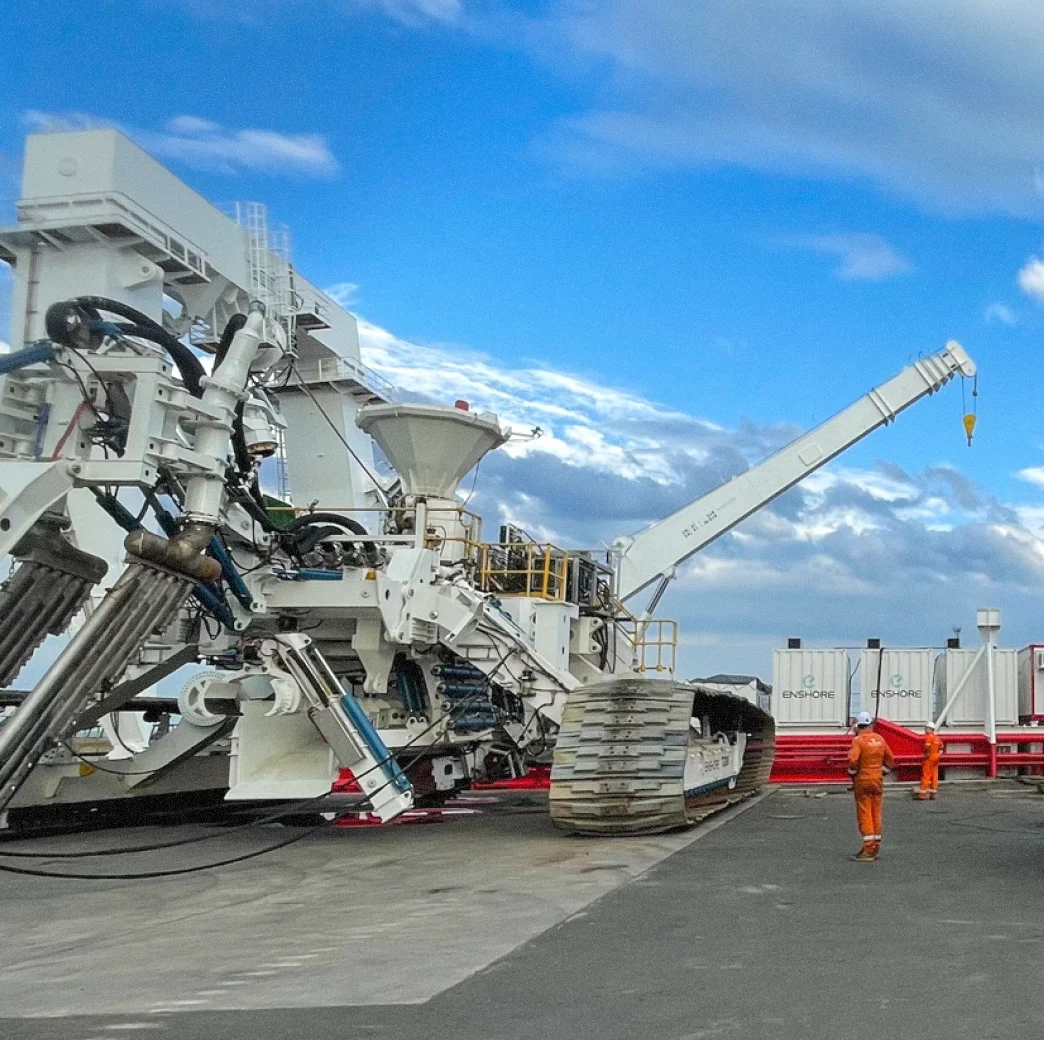
- Mobilisation of the SeaREX trenching tractor, capable of simultaneous cable lay and burial, including installation of PDUs and 3.3kV medium voltage cables to power the spread
- Installation of a new power distribution system, with two on-deck generators (500 and 100 kVA) and a 2,500A distribution board
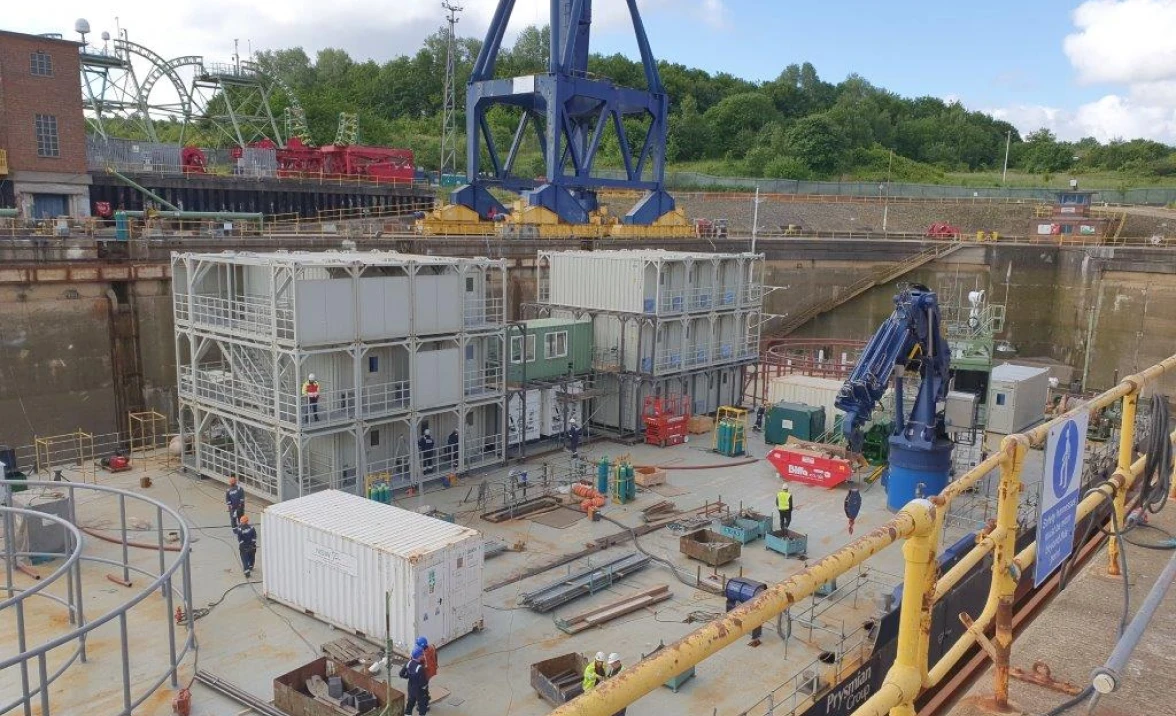
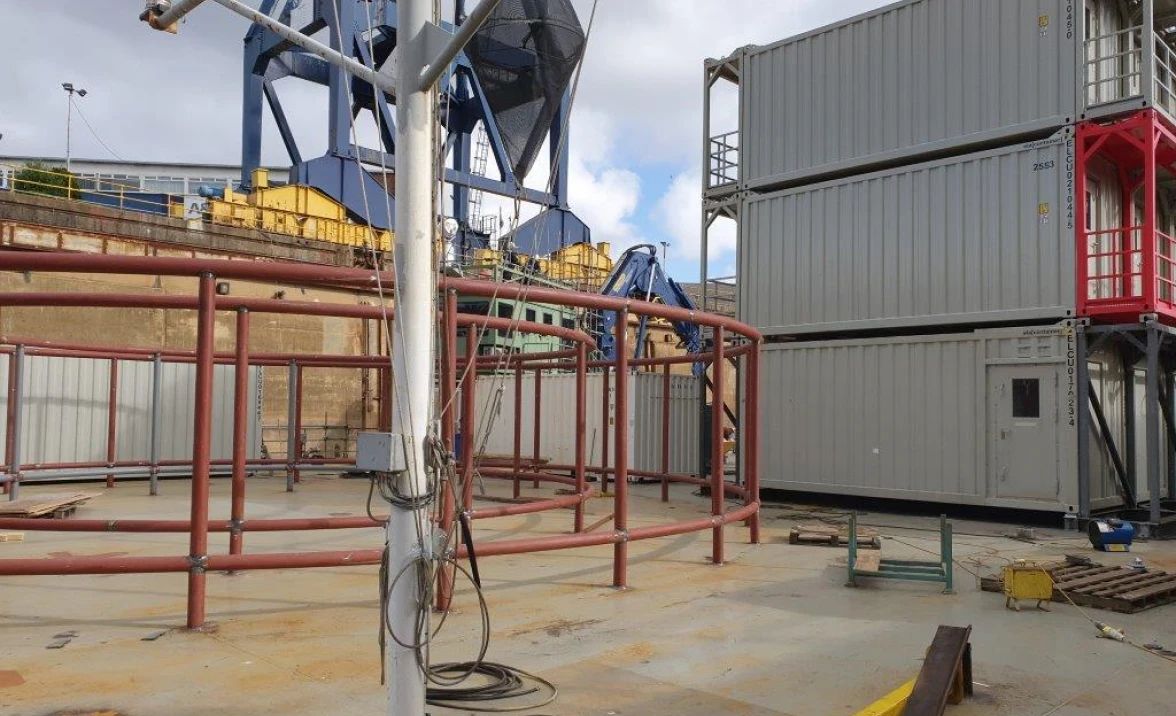
- Electrical mobilisation of 16 accommodation and recreation containers for the vessel's 30-person crew
- Electrical mobilisation of additional spreads, including hydraulic power units for the winches, a Van Heck pump for removing debris from cable laying operations, and the Otter surveillance and environmental monitoring seadrone
- Hooking up fire alarm, lighting and PAGA (public address and general alarm) systems
Scope of work:
- Power distribution installation and termination for 440V and 230V vessel networks
- Main switchboard modifications
- Installation of temporary containerised generator and power distribution systems
- Electrical load analysis
- Installation and termination of PA, lighting and fire detection systems
- Design of cable management systems, cable penetrations and cable schedules
- Installation of deck equipment including ROVs, winches and cable lay spreads
Solutions Delivered
The Generation — Power brought aboard
A new power distribution system was installed on the barge, built around two on-deck generators of 500 and 100 kVA feeding a 2,500A distribution board. Load analysis established what the assembled spread would draw and how it should be arranged, and the main switchboard was modified to suit.
The Trencher — Medium voltage to the SeaREX
The SeaREX trenching tractor lays and buries cable in a single pass. Powering it required installation of power distribution units and 3.3kV medium voltage cabling to bring supply from the new distribution to the spread.
Generator protection relays are integrated into the boards for overload protection and system monitoring, and the boards provide synchronisation and no-break transfer between the main generators and shore power. The vessel can move between its own generation and the quayside supply without dropping the load.
The Accommodation — Thirty people, sixteen containers, one barge less
Sixteen accommodation and recreation containers were electrically mobilised to host the vessel's thirty-person crew, complete with lighting, fire detection and public address coverage.
The consequence is the most significant outcome of the project: Barbarossa I no longer required an accommodation barge alongside. A second vessel, with its fuel, emissions, crew transfers and cost, was removed from the operation because the crew could live on the platform they were already working.
The Supporting Spreads — Everything else a trenching campaign needs
Hydraulic power units for the winches, a Van Heck pump to clear debris generated during cable laying, and the Otter seadrone used for surveillance and environmental monitoring were all electrically mobilised into the same system.
The Safety Systems — Covering an installation that did not exist
Fire alarm, lighting and PAGA systems were installed and terminated across the mobilised spread and the accommodation, so that a temporary installation carried the same life safety coverage as a permanent one.
Delivery & Approval
Delivered in Stages Across Three Ports
The mobilisation was completed in stages from Middlesbrough, Falmouth and Brest, with the barge configured for trenching operations at the end of it.
Technical Summary
- Client Prysmian Group
- Vessel Barbarossa I — shallow water trenching barge, 67 metres
- Length overall Ultra shallow water
- Sector Linear engines, winches, cable tanks, monitoring and control systems
- Main distribution Offshore Wind; Offshore Construction & Subsea
- Bus arrangement Turnkey electrical installation and spread mobilisation
- Generation SeaREX trenching tractor — simultaneous cable lay and burial
- Generator protection PDUs and 3.3kV medium voltage cabling
- Shore interface Two on-deck generators — 500 kVA and 100 kVA
- Harbour / shore board 2,500A distribution board; 440V and 230V vessel networks
- RSW switchboard 16 containers for a 30-person crew
- AC distribution Winch HPUs; Van Heck debris pump; Otter surveillance seadrone
- DC distribution Fire alarm, lighting and PAGA
- Segregation Middlesbrough, Falmouth and Brest, France
- Automation Phased across three port calls
Project Outcomes
A barge configured as a complete trenching spread
Trencher, generation, distribution, hydraulics, pumps, survey equipment, accommodation and safety systems all mobilised and integrated as one working installation.
Medium voltage power delivered to the trencher
PDUs and 3.3kV cabling installed to supply the SeaREX from generation brought aboard for the purpose.
Life safety coverage across a temporary installation
Fire alarm, lighting and PAGA extended across the mobilised spread and the accommodation.
An accommodation barge removed from the operation
Sixteen containers hosting thirty crew meant Barbarossa I no longer needed an accommodation barge alongside, reducing the environmental footprint of the campaign — and removing a second vessel's cost and marine traffic with it.
Delivered around the vessel's programme
Three port calls in two countries, phased so the barge could keep to its schedule.
Gallery
Share your vessel, equipment and interface requirements with MJR.
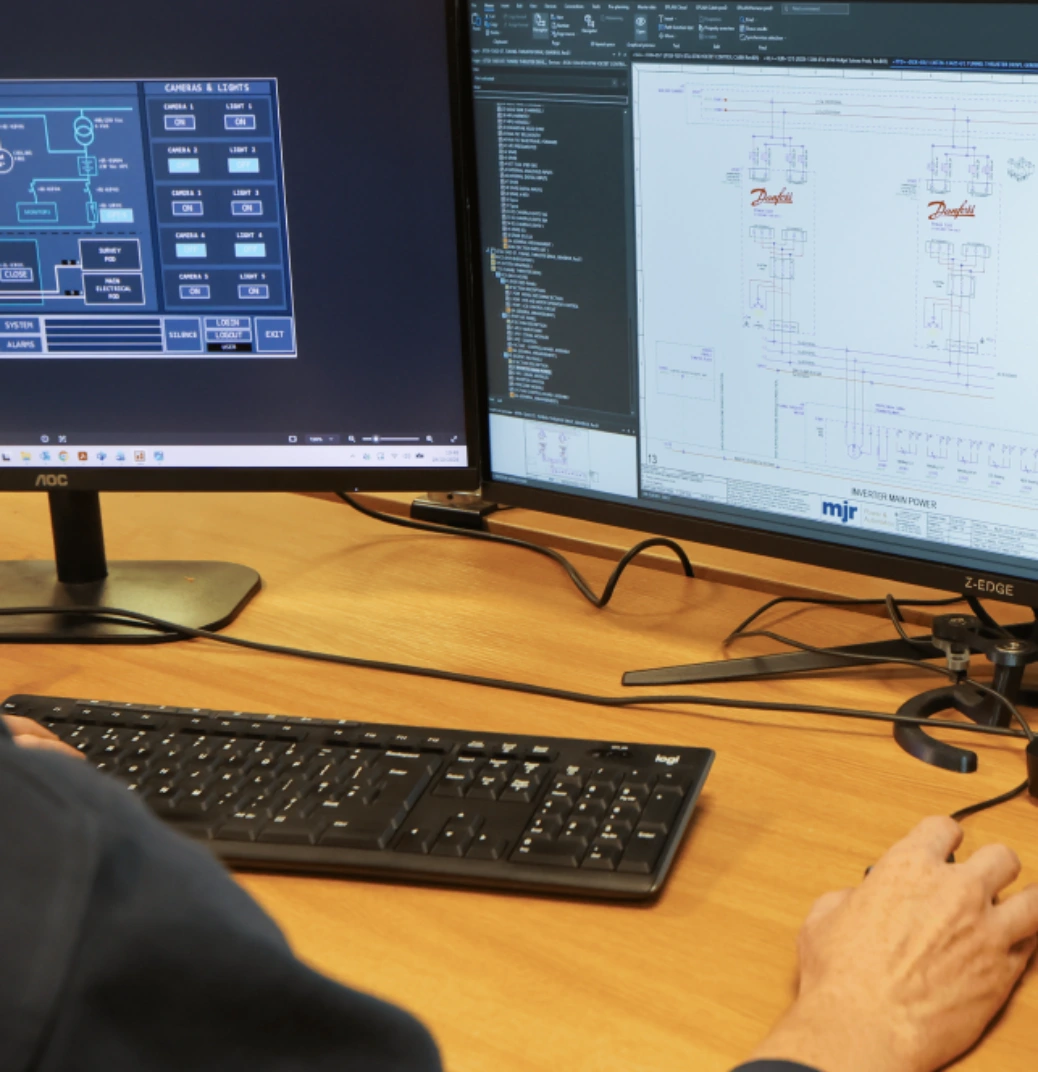
Marine electrical design, FEED studies, calculations and system engineering developed around vessel, offshore and project requirements.
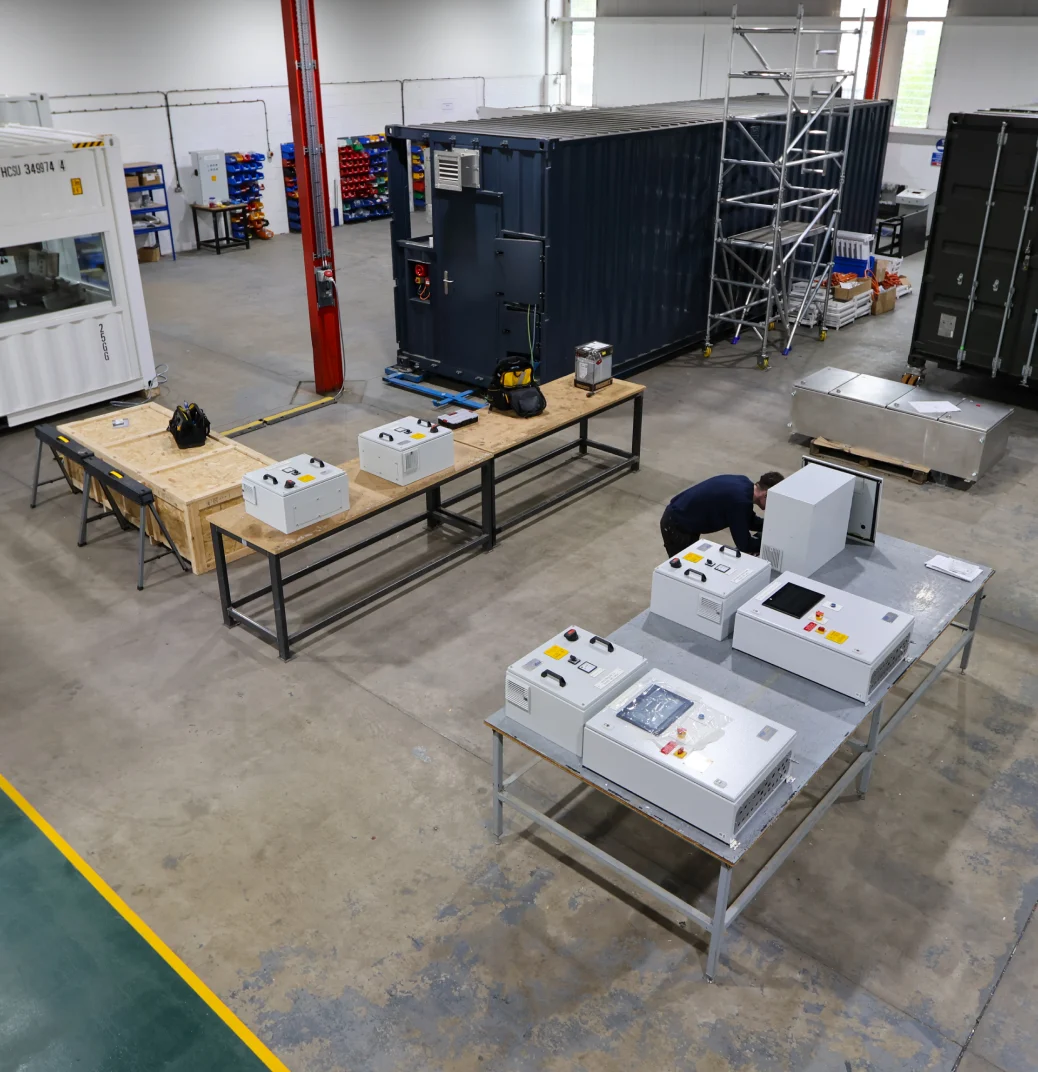
Integrated electrical power, switchboard, control and automation systems engineered, built and tested for demanding marine and offshore applications.
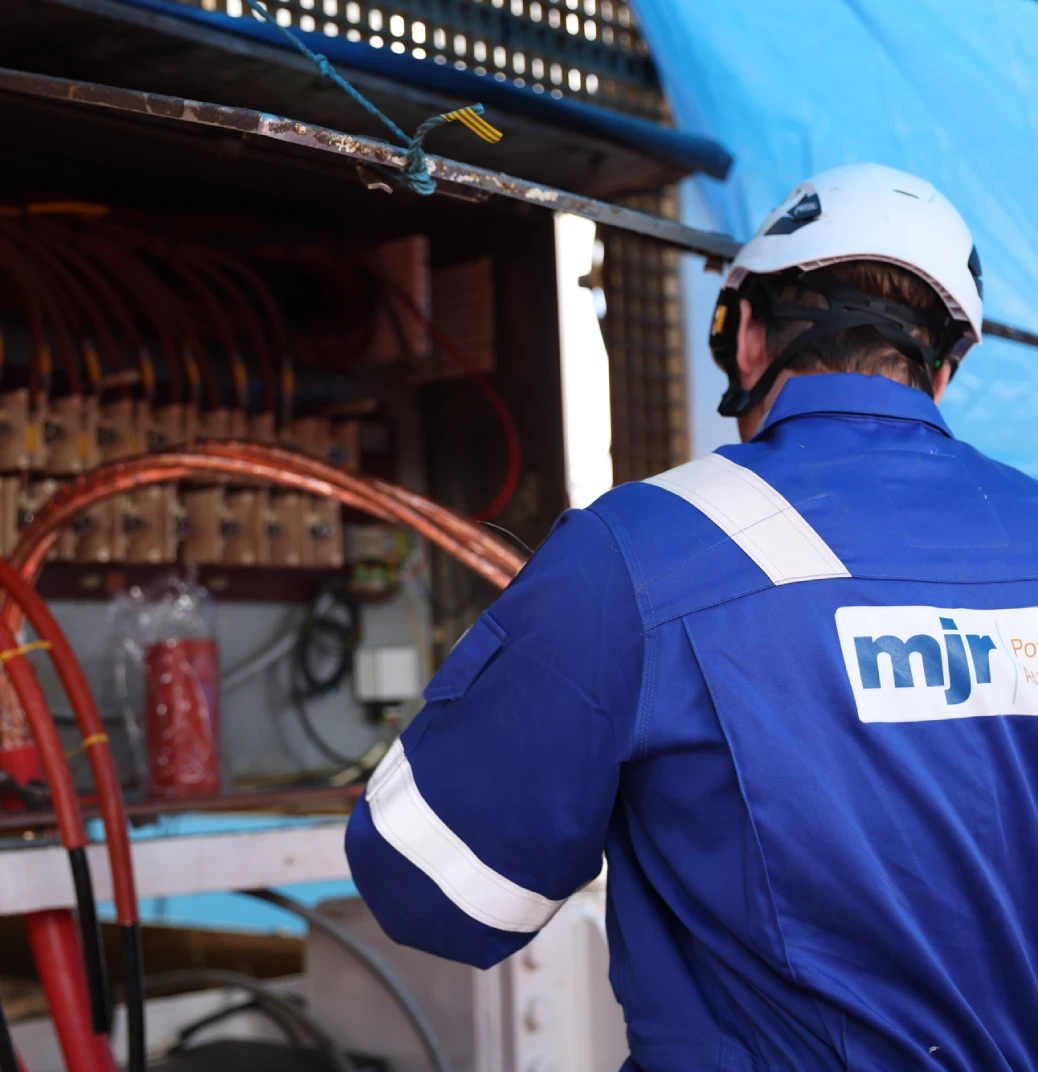
Marine electrical installation, onboard integration, vessel commissioning and functional testing through to technical handover.
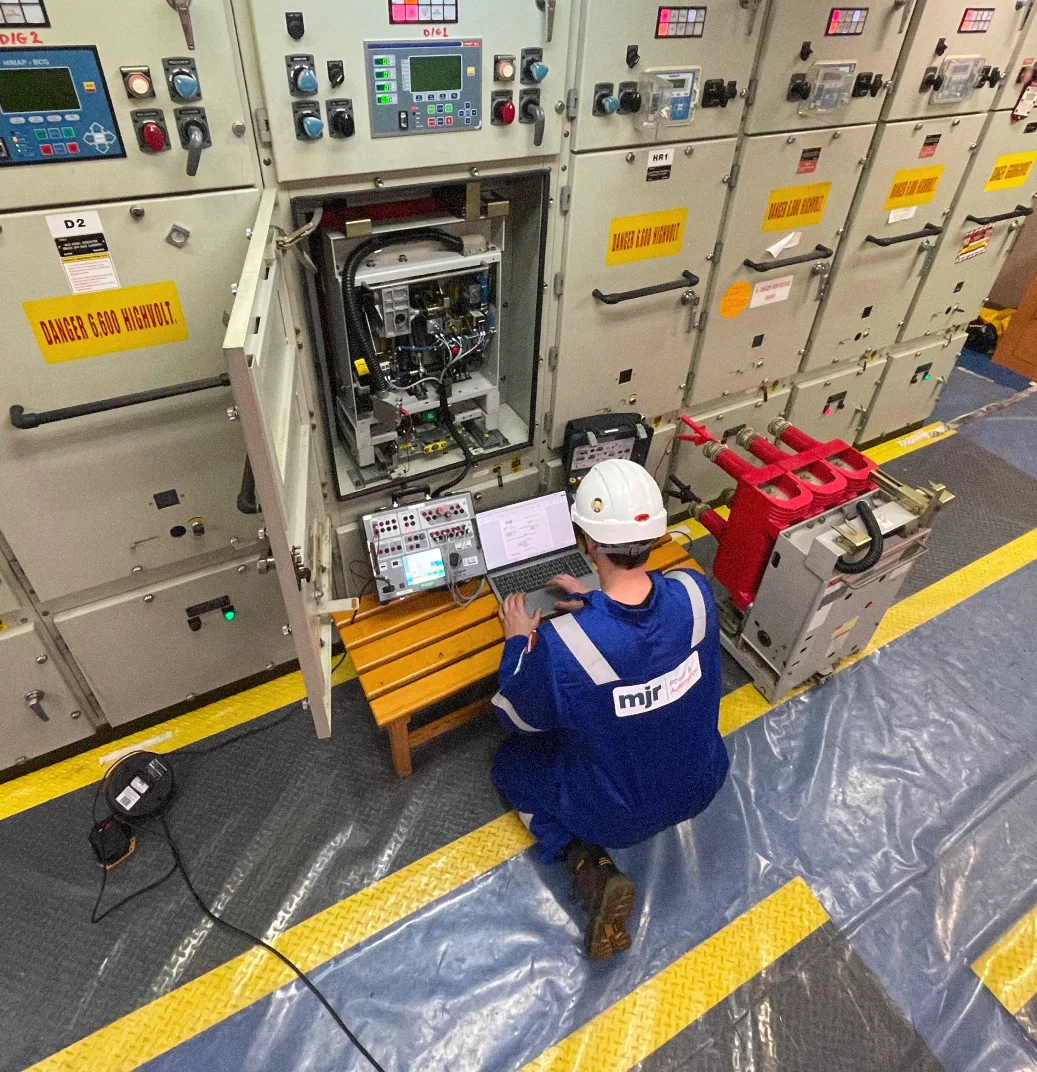
Marine electrical service, fault-finding, repair, testing, retrofit and lifecycle support for vessels and offshore assets.
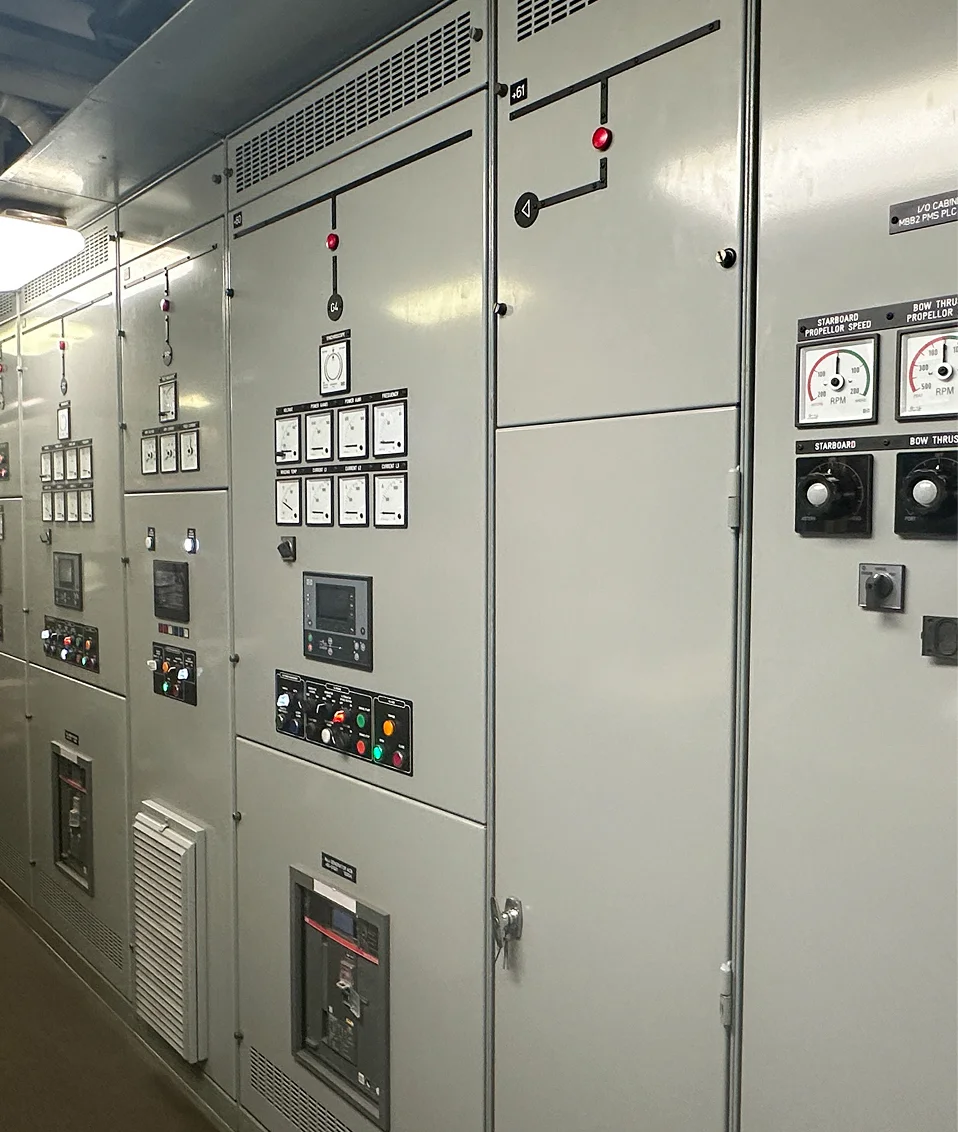
Marine power distribution systems covering generation, switchboards, power management systems, load sharing, protection and electrical distribution.
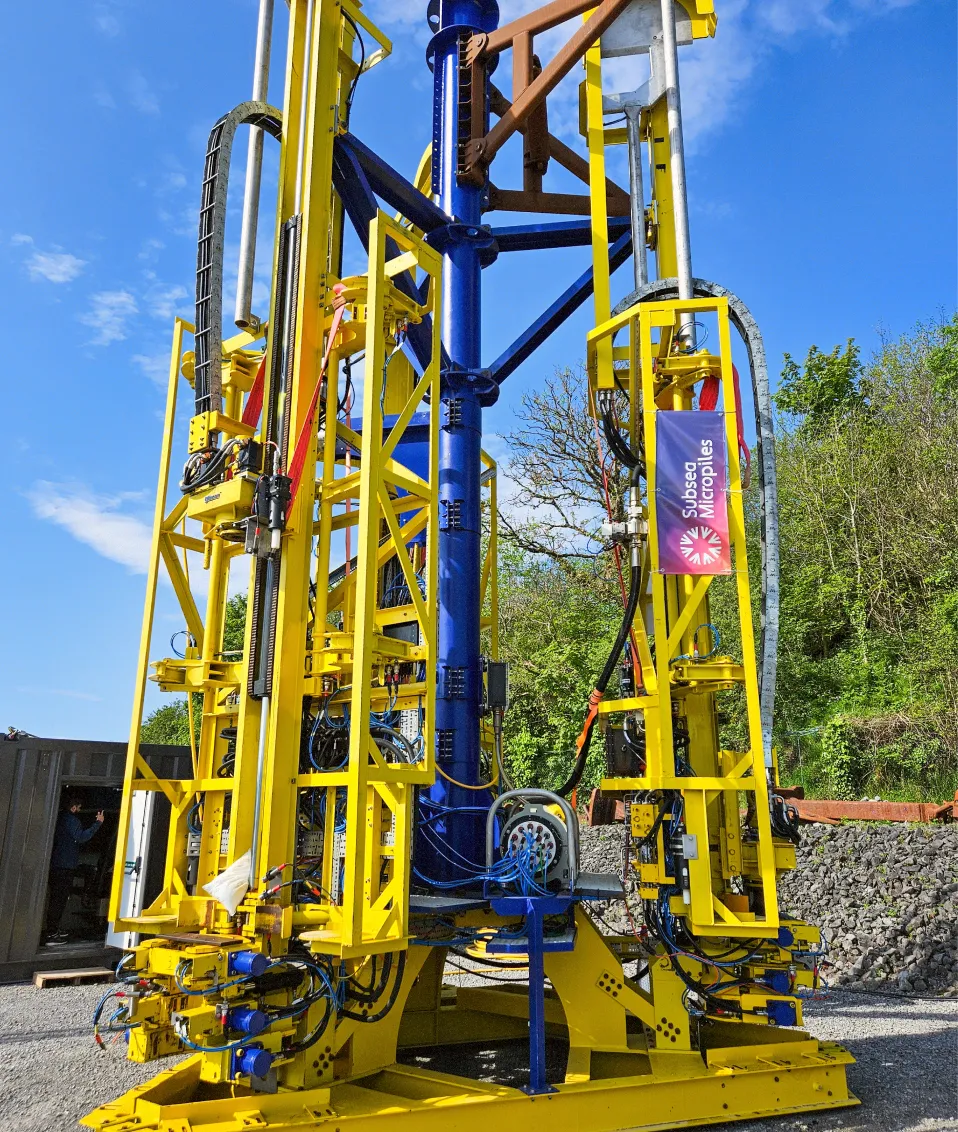
Integrated subsea power and control systems for ROVs, trenchers, ploughs, cable-lay equipment and specialist offshore and subsea machinery.
Sectors we are Powering
Follow MJR project updates, company news and technical insight covering marine electrical engineering, automation, shore power, offshore vessel charging and vessel electrification.
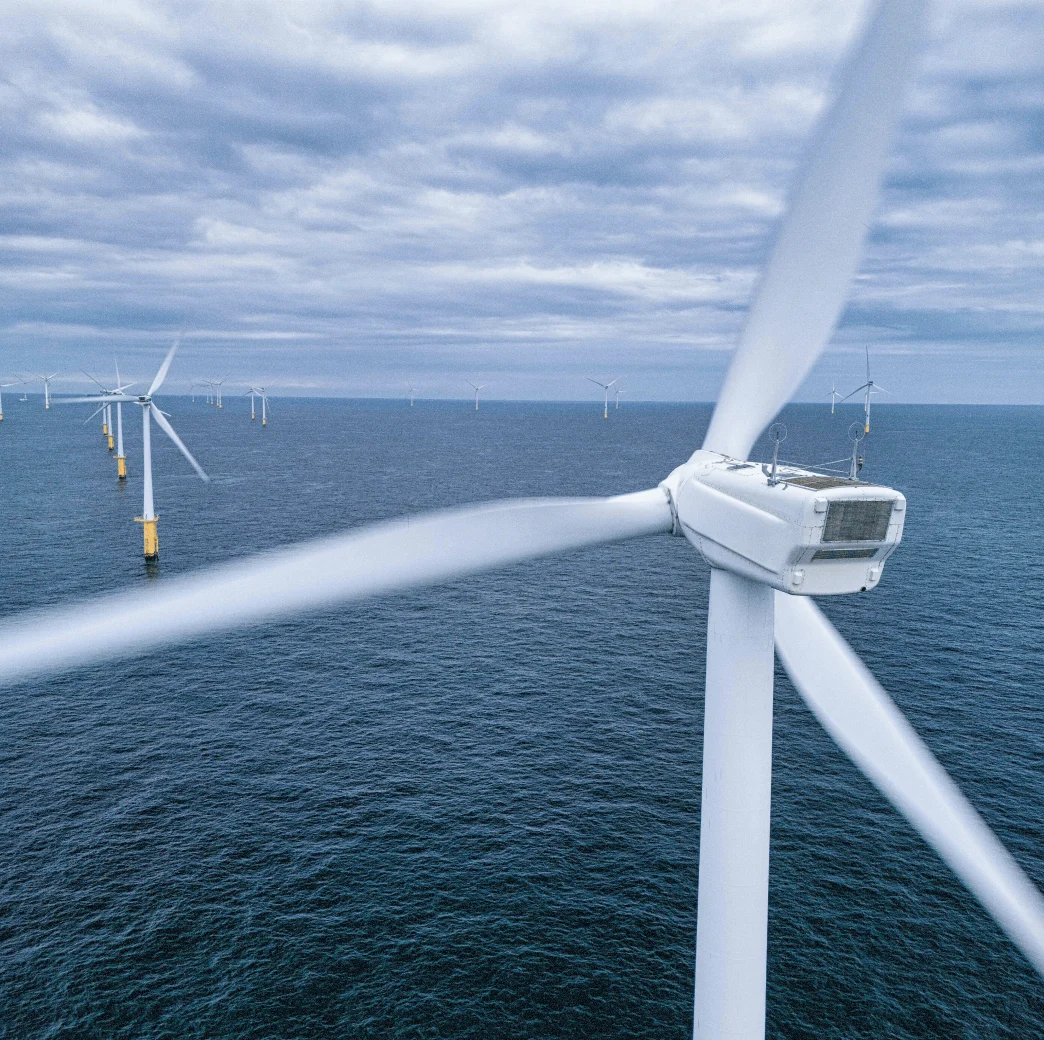
Show how MJR designs, installs, commissions and supports product systems.
Show how MJR designs, installs, commissions and supports product systems.
Relevant Project Experience
Explore MJR projects involving vessel automation, monitoring, control and power management across newbuild, retrofit and upgrade programmes.
Electrical Installation for an Active Heave Compensated Crane — Across Three Countries
HydroPlow Spread Mobilisation — Port of Middlesbrough

Electrical Mobilisation of the World's Most Powerful Subsea Trencher
Power Systems Upgrade for Heavy Deck Equipment — Design & Project Management
The Questions We Get Asked Most
Find answers to common questions about the project, including the systems involved, engineering approach, technical challenges and how the solution was delivered.