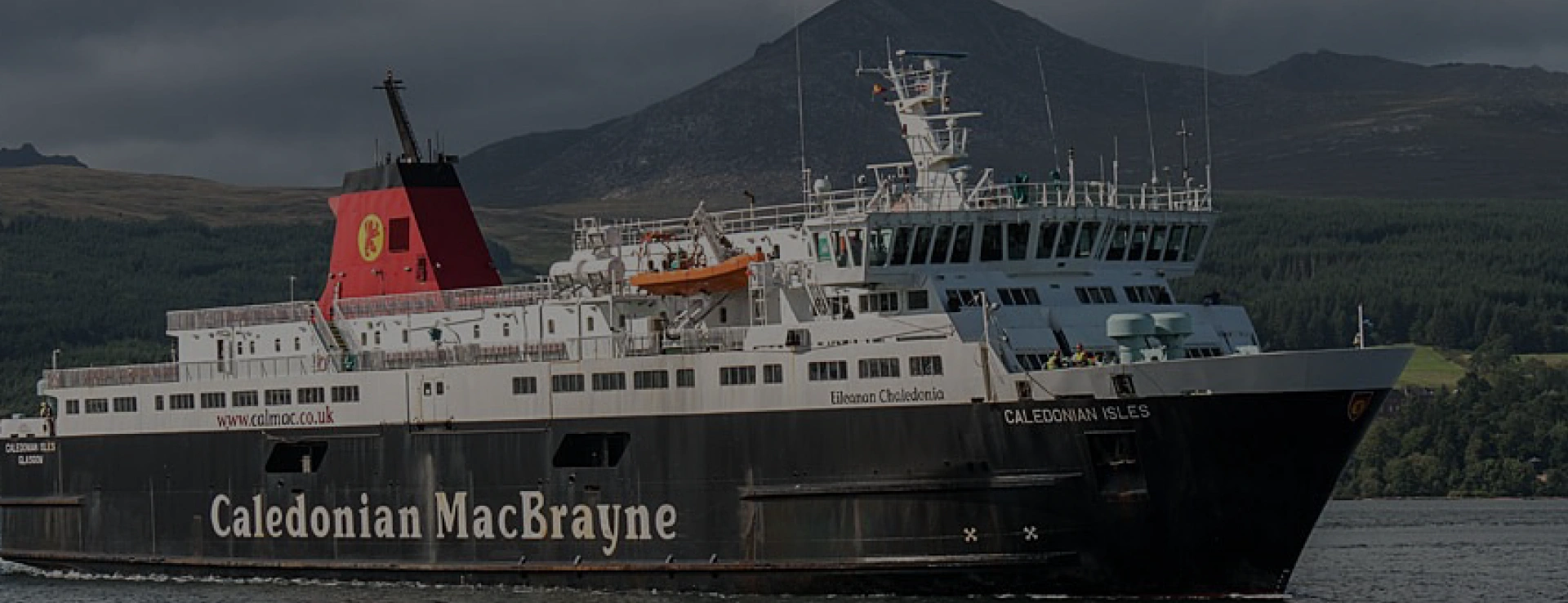
CalMac Ferries Multi Vessel System Upgrade
Pitch Control System Upgrade — Electrical & Cable Infrastructure, Four Ferries
Project Overview
MJR Power & Automation complete Propulsion and Pitch Control Updates Across Four CalMac Ferries
Over 15,000 metres of power, ethernet and fibre optic cable removed, installed, terminated and tested across four vessels, delivered by 26 personnel during dry dockings in Glasgow and Aberdeen.
CalMac Ferries is the UK's largest ferry operator, running more than 30 vessels across 29 routes on the West Coast of Scotland. Its services are lifeline connections for island communities, and its vessels operate to timetables that leave little room for unplanned time alongside.
MJR Power & Automation was contracted by CalMac Ferries to deliver the power and control cable upgrade supporting the Rolls-Royce Helicon X pitch control system upgrade on four vessels: MV Caledonian Isles, MV Hebrides, MV Isle of Lewis and MV Clansman. The scope covered removal of existing cabling, then supply, installation, termination and testing of over 15,000 metres of new marine power, ethernet and fibre optic cable.
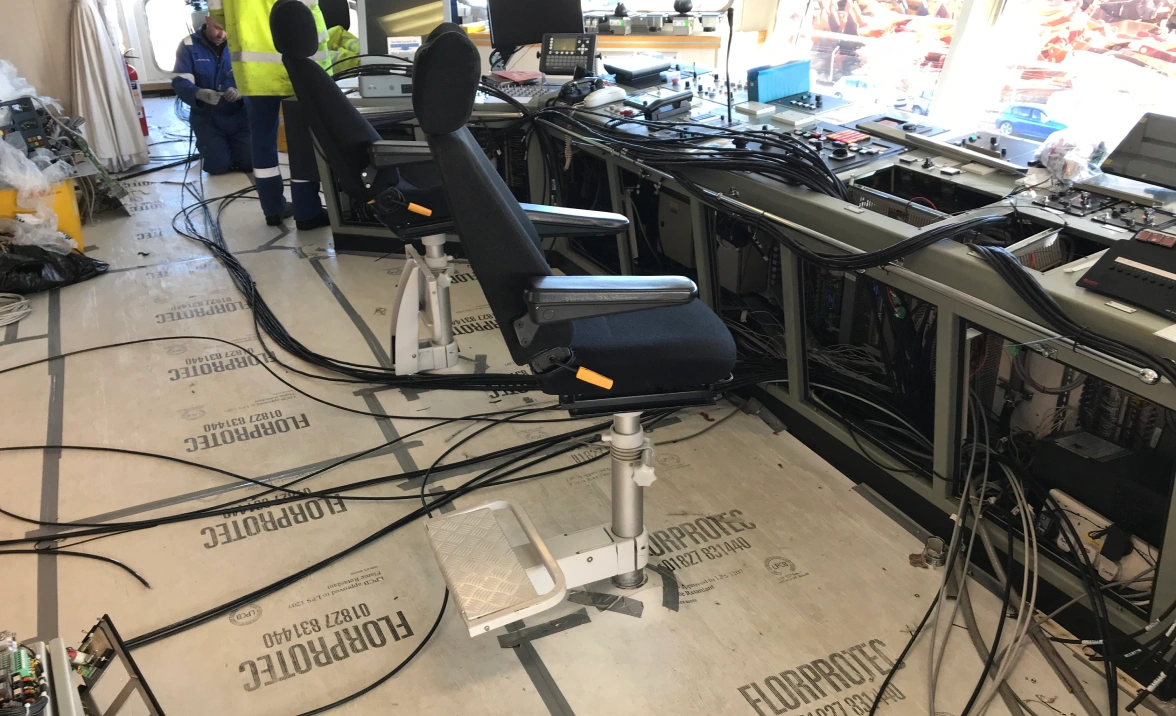
Site works were carried out during the vessels' dry dockings in Glasgow and Aberdeen, with cable routes running between the bridge, engine room and bow thruster spaces. MJR Power & Automation deployed 26 personnel across the four vessels.
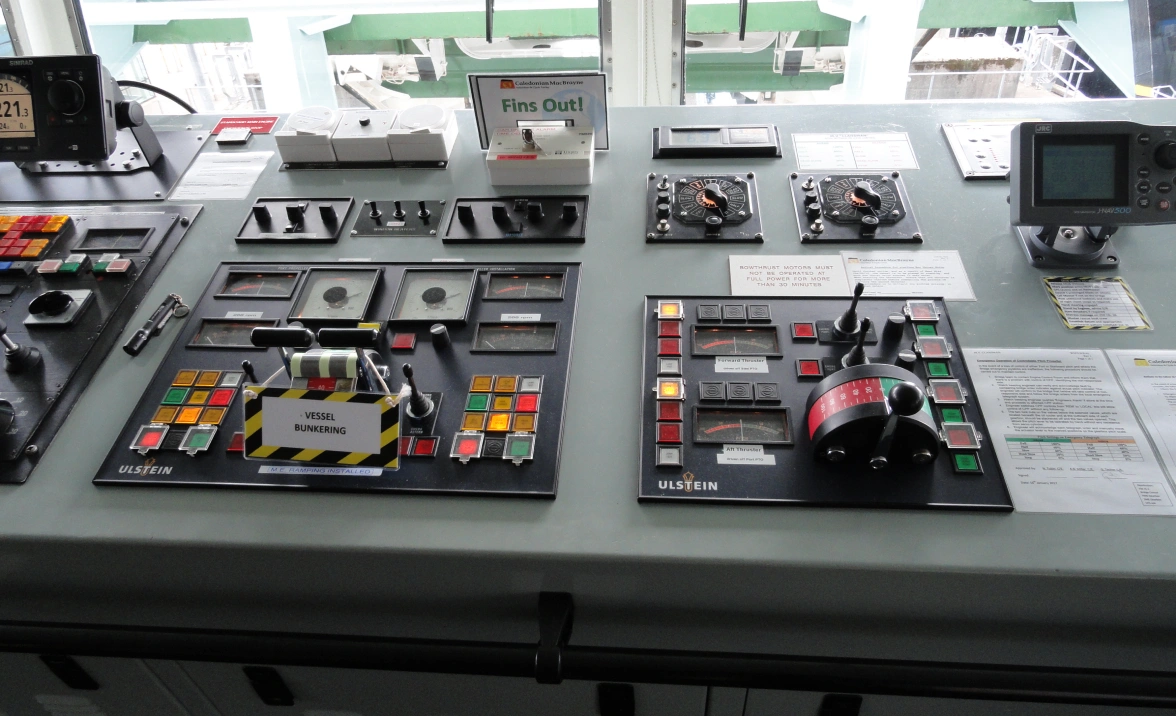
Project significance Pitch control governs how a controllable pitch propeller converts engine power into thrust. It sits between the bridge lever and the propeller itself, and it is central to how the vessel manoeuvres and berths. Upgrading it means new control and data routes between the bridge, the machinery spaces and the thrusters, on four vessels that each had to be back on service at the end of their booked dock.
The challenge
Four vessels, each with its own fixed dock window.
Dry dockings are booked far in advance, shared with every other item of planned maintenance and expensive to overrun. Four separate windows had to be met, each with the full removal, installation, termination and testing scope completed inside it.
Two ports, one resource pool.
Work ran across dry docks in Glasgow and Aberdeen. Twenty-six personnel had to be planned, mobilised and moved between locations without leaving either vessel short at a critical point in its dock.
Existing cable had to be assessed, not just replaced.
Rather than stripping everything out, existing cables were disconnected and tested first to establish whether they could be reused. That takes engineering judgement and test time up front but avoids replacing cable that is still fit for service.
Routes through the busiest parts of the vessel.
Cable runs connected the bridge, engine room and bow thruster spaces. Routes crossing multiple decks and passing through machinery spaces where access is tight and other trades are working.
Three cable types, three sets of requirements.
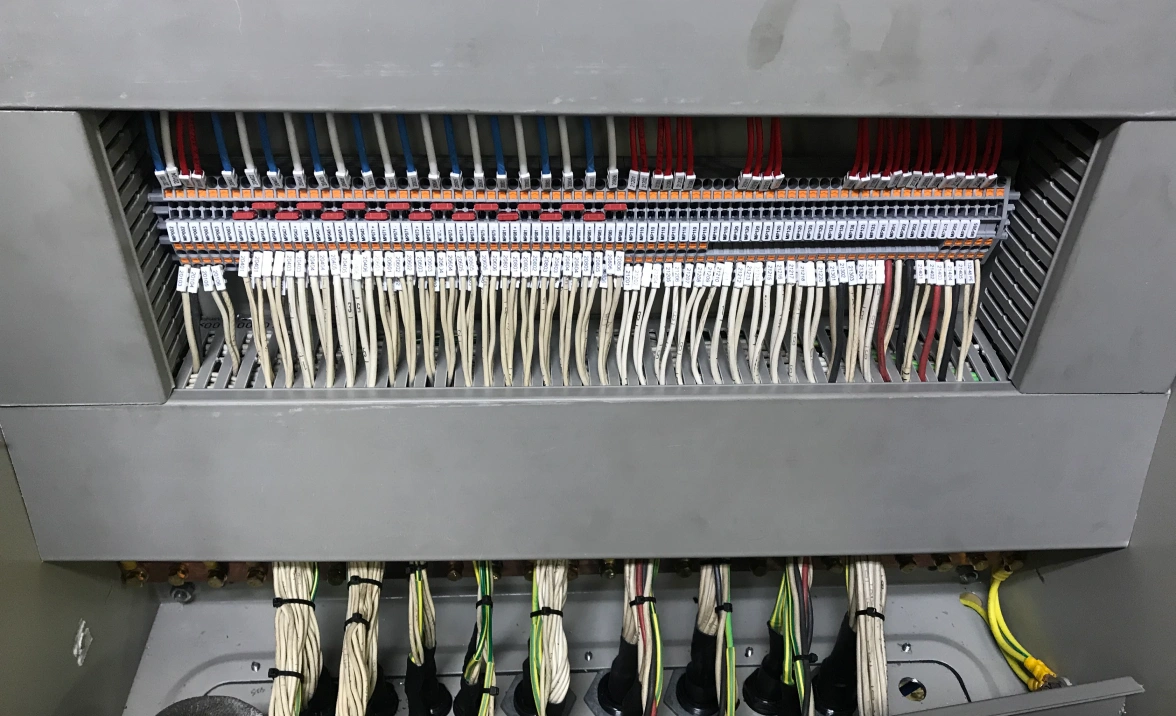
Marine power cable, Cat5 ethernet and fibre optic each have distinct handling, bend radius, termination and testing requirements. Fibre had to be spliced, terminated and OTDR tested to prove performance before handover.
Fire and watertight integrity across four hulls.
Old transits were re-packed and new transits installed. Every penetration forms part of a vessel's fire and watertight subdivision, so this is certification work carried out four times over.
Another party's system at the end of every run.
The infrastructure served Rolls-Royce's Helicon X upgrade. Cable had to be in, tested and proven so that commissioning could proceed without waiting on it.
Scope of Work
Delivered across four vessels during dry dockings in Glasgow and Aberdeen:
- Disconnection and testing of existing cabling to determine re-use or replacement
- Removal of cabling identified for replacement
- Supply and installation of over 15,000 metres of new marine cable in total
- Cat5 ethernet cable — supplied, installed and tested
- Fibre optic cable — spliced, terminated and OTDR tested
- Marine power cable — supplied, installed and tested
- Cable containment installation
- Existing cable transits re-packed
- New cable transits installed
- Termination and testing throughout
- Cable routes between bridge, engine room and bow thruster spaces
Delivered by a team of 26 personnel across the four vessels.
Solutions Delivered
The Assessment — Test before replace
Existing cables were disconnected and tested before any decision was taken on them, so that cable still fit for service could be re-used rather than replaced on assumption. This front-loads test time into the programme, but it reduces both the quantity of new cable required and the volume of cable pulled out of containment during a dock window where time is the binding constraint.
The Power and Control — Over 15,000 metres installed
New marine power, Cat5 ethernet and fibre optic cable was supplied, installed and terminated across the four vessels, connecting the bridge, engine room and bow thruster spaces to serve the upgraded pitch control system. Fibre runs were spliced, terminated and OTDR tested, giving a documented record of loss and continuity across every link.
OTDR testing matters on a scope of this size. It proves each fibre run performs to specification along its whole length rather than simply confirming that light arrives, and it leaves a per-run baseline that makes a future fault traceable to a position on the vessel rather than to a cable.
The Containment — Routes and penetrations across four hulls
New containment was installed along the cable routes, existing transits were re-packed and new transits fitted where new routes required penetrations, maintaining fire and watertight subdivision on each vessel.
The Method — 26 personnel across two ports
Site works were delivered by MJR Power & Automation installation teams totalling 26 personnel, working during the vessels' dry dockings in Glasgow and Aberdeen. The project was completed on time and within budget.
Delivery & Approval
On Time, Within Budget, and Followed by Further Fleet Contracts
The project was completed on time and within budget across all four vessels. MJR was subsequently awarded further marine power and automation upgrade contracts by CalMac Ferries across their fleet.
Quote — Ryan Reilly, Sales and Business Development Manager, MJR Power & Automation:
"With the project delivered on time and within budget, further demonstrating the professionalism and dedication of MJR's marine installation team in successfully delivering these scopes of works. This was further cemented by the award of further marine power and automation upgrade contracts by CalMac Ferries across their fleet."
Technical Summary
- Client Agri-Food and Biosciences Institute — see naming note
- Vessel Corystes — fisheries research vessel, built 1988
- Sector Commercial Marine — passenger and vehicle ferries
- System replaced Obsolete Laurence Scott DC diesel electric main and auxiliary propulsion
- Main propulsion Two tandem 600 kW main propulsion motors
- Thruster One 450 kW thruster motor
- Control stations Four remote control stations, retained and interfaced
- Drives ABB DCS880 series DC drives
- Control platform ABB AC500 PLC, redundant
- Class approval Lloyd's Register of Shipping
- Pre-installation testing Full system hook up and FAT against dummy ship interface with client and class
- Programme 16 calendar weeks, contract award to sea trials, including Christmas
- On-board phase 2 weeks, arrival to successful sea trials
- Case study date March 2017
Project Outcomes
Sixteen weeks from order to sea trial
A complete propulsion drive and control replacement, including class approval and trials, delivered inside a programme that included the Christmas shutdown.
Two weeks on board
Removal of the old system, installation and commissioning of the new one, and sea trials — all completed within the vessel's availability window.
Obsolescence and operational risk eliminated
An unsupportable system was replaced with current equipment backed by spares and service available worldwide from MJR and ABB.
Better propulsion performance
Digital drives delivered substantially improved motor dynamic performance compared with the original analogue drives.
Faster fault finding
A simple operator interface with readable diagnostics replaced an arrangement that made troubleshooting slow, which matters on a vessel whose crew has to resolve problems at sea.
Class approved and proven at sea
Delivered with Lloyd's Register approval, factory testing witnessed by class, and successful harbour and sea trials.
Gallery
Share your vessel, equipment and interface requirements with MJR.
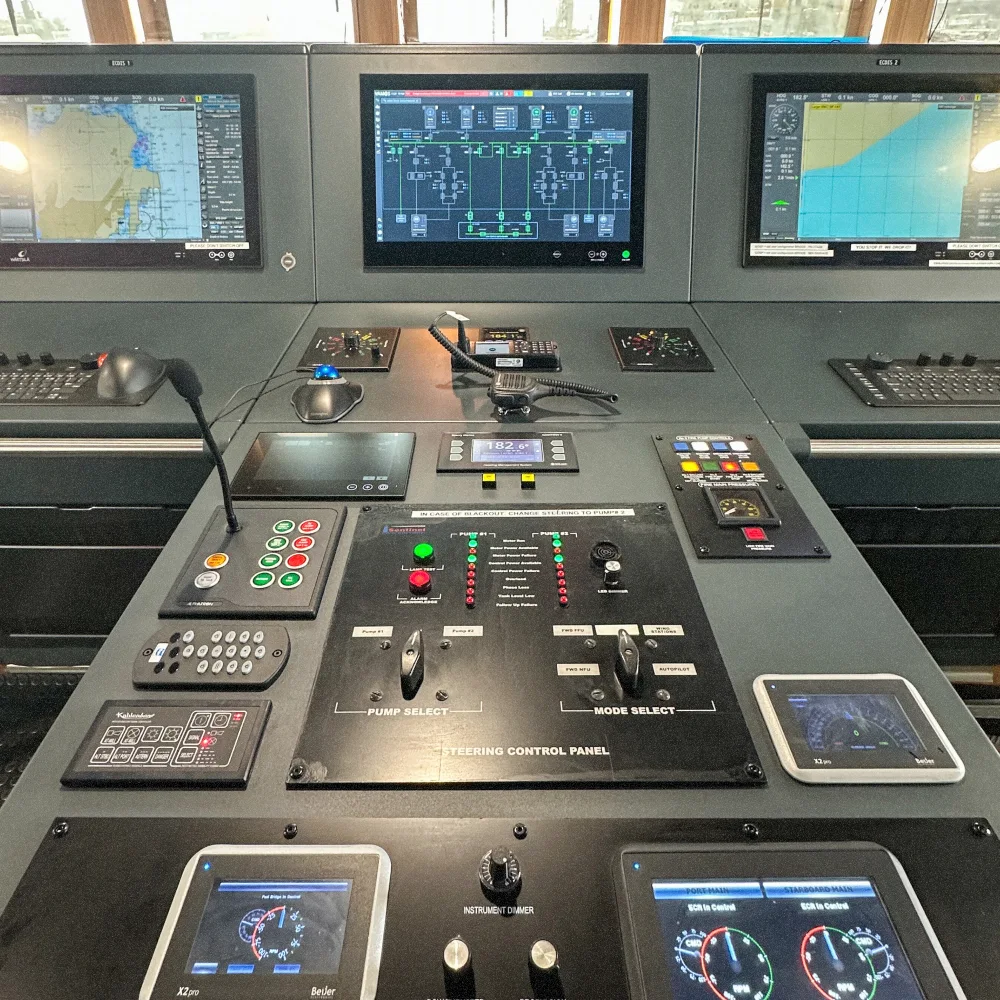
VAMOS the marine automation platform for vessel control, alarms, monitoring, power management and operational visibility.
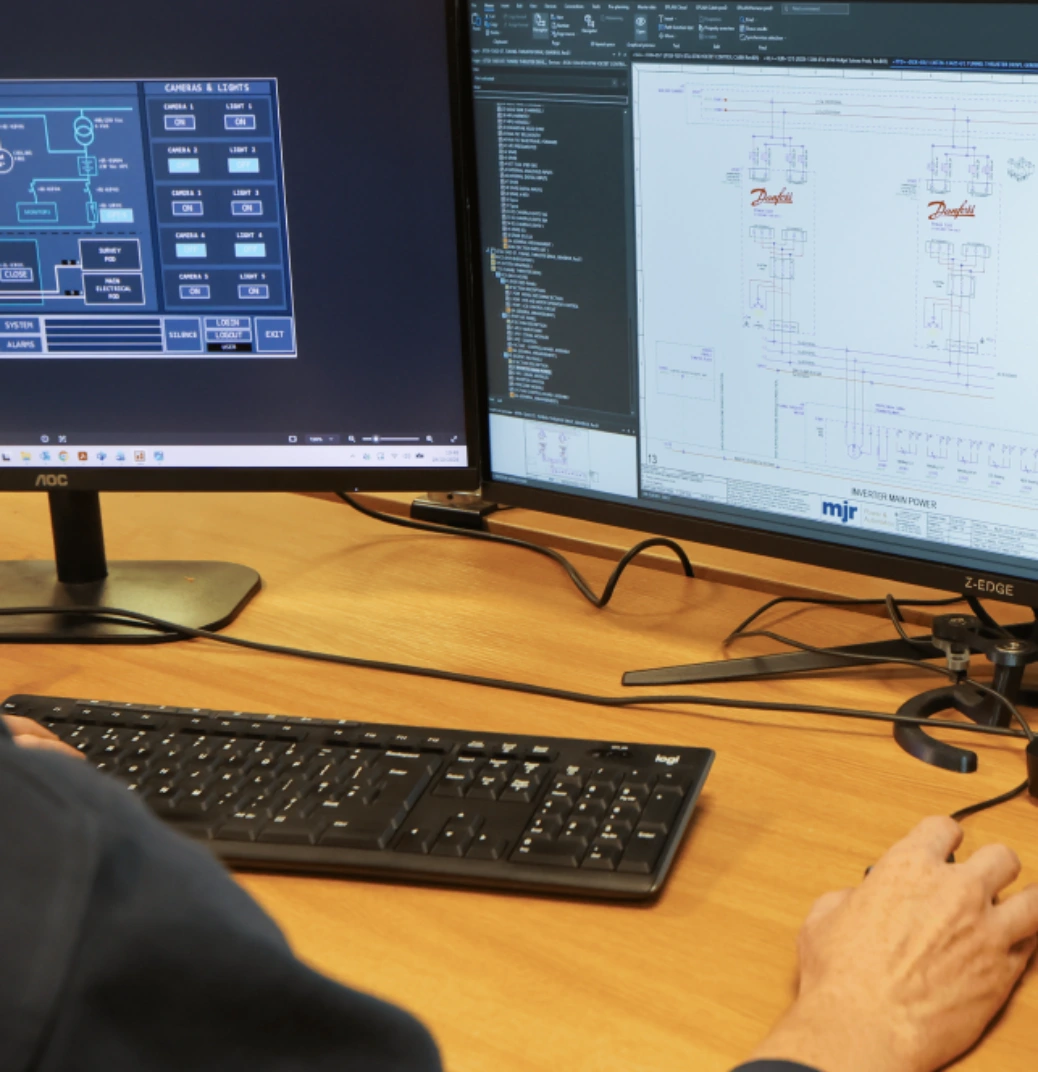
Marine electrical design, FEED studies, calculations and system engineering developed around vessel, offshore and project requirements.
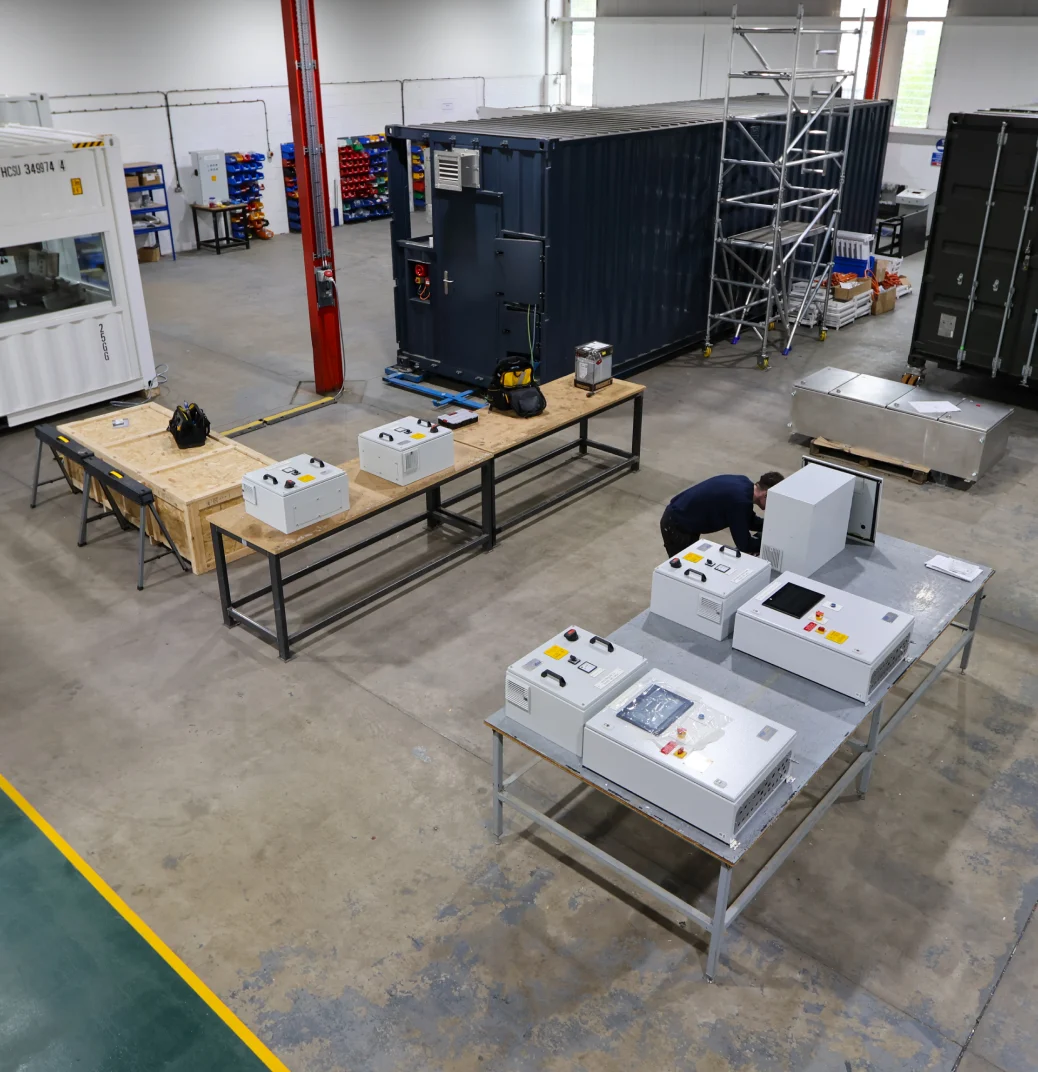
Integrated electrical power, switchboard, control and automation systems engineered, built and tested for demanding marine and offshore applications.
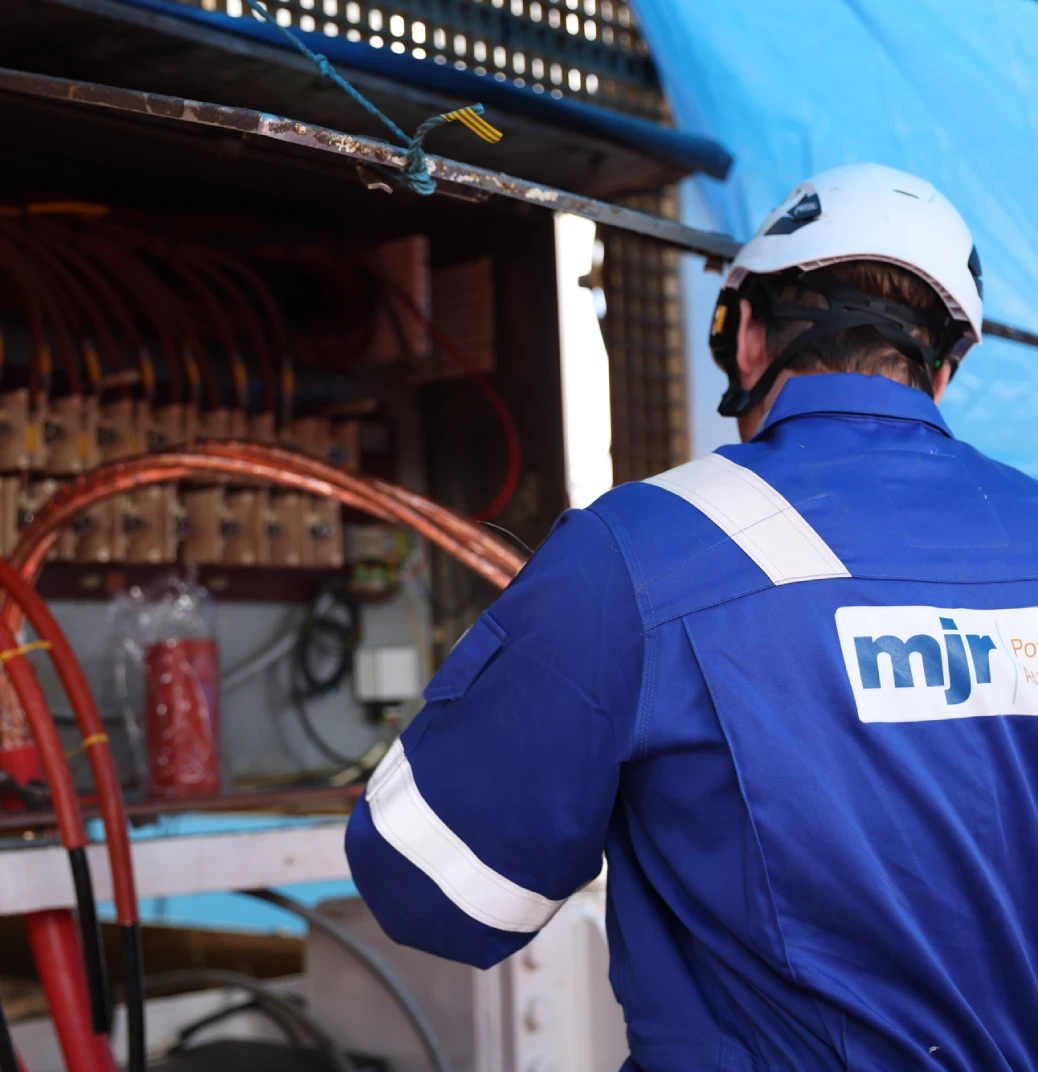
Marine electrical installation, onboard integration, vessel commissioning and functional testing through to technical handover.
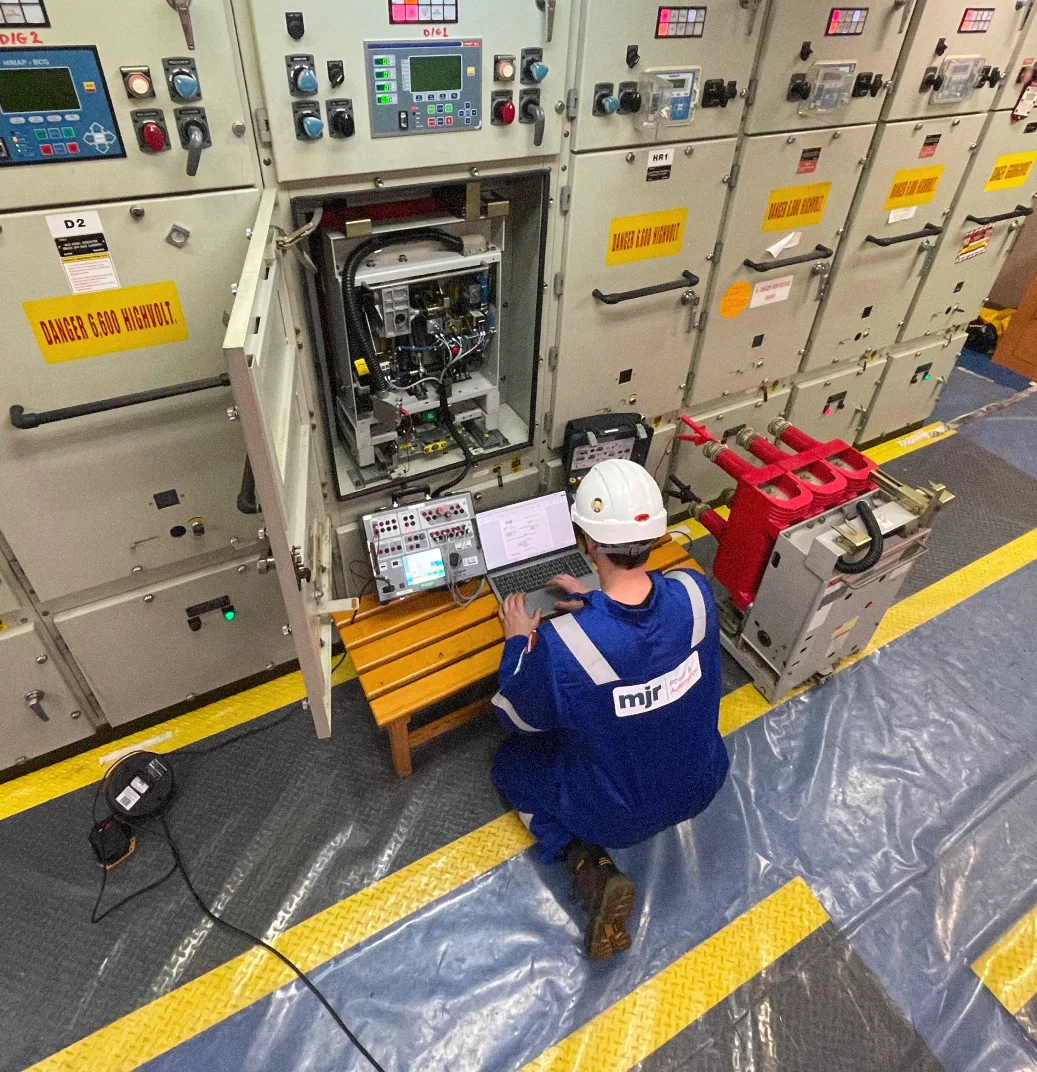
Marine electrical service, fault-finding, repair, testing, retrofit and lifecycle support for vessels and offshore assets.
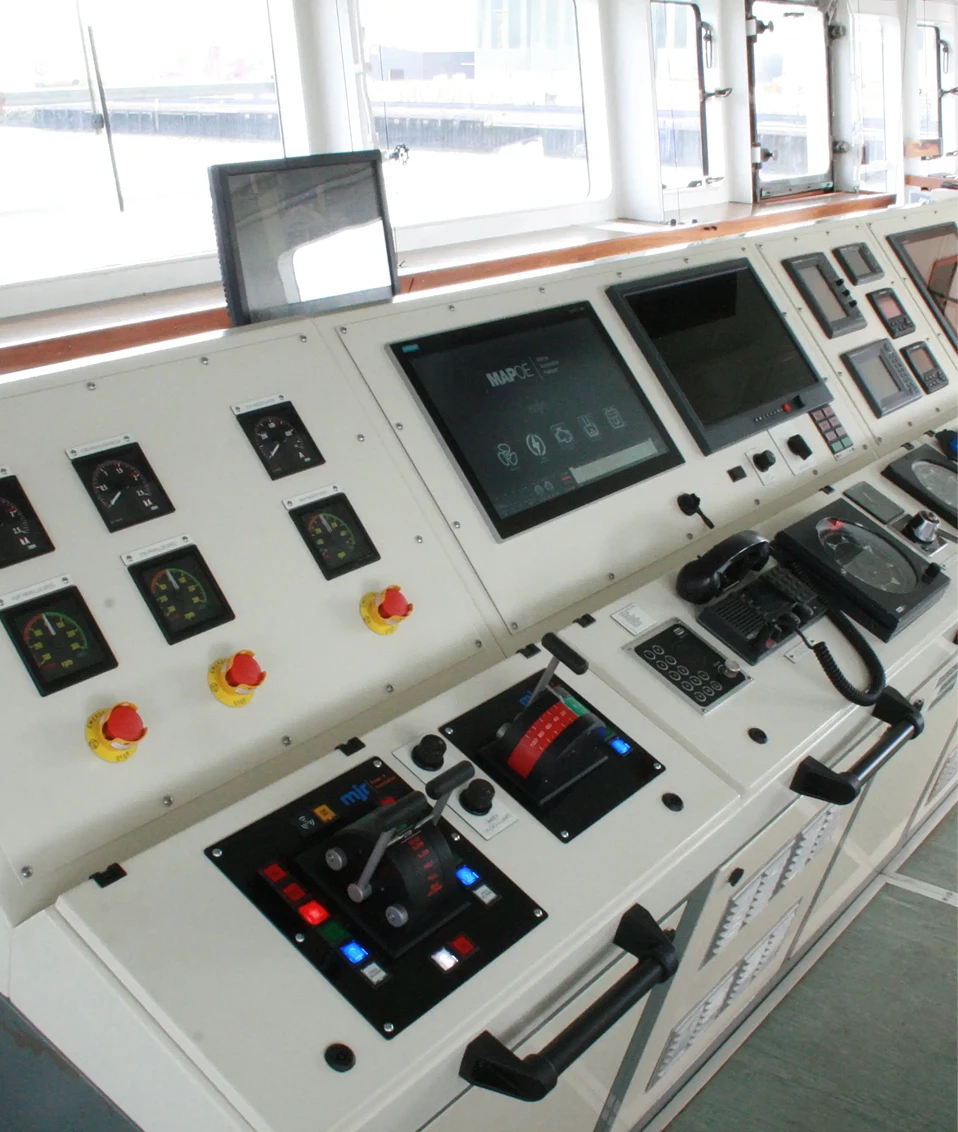
Integrated marine propulsion systems covering electric drives, propulsion control, drive integration, retrofit engineering and commissioning for newbuild and existing vessels.
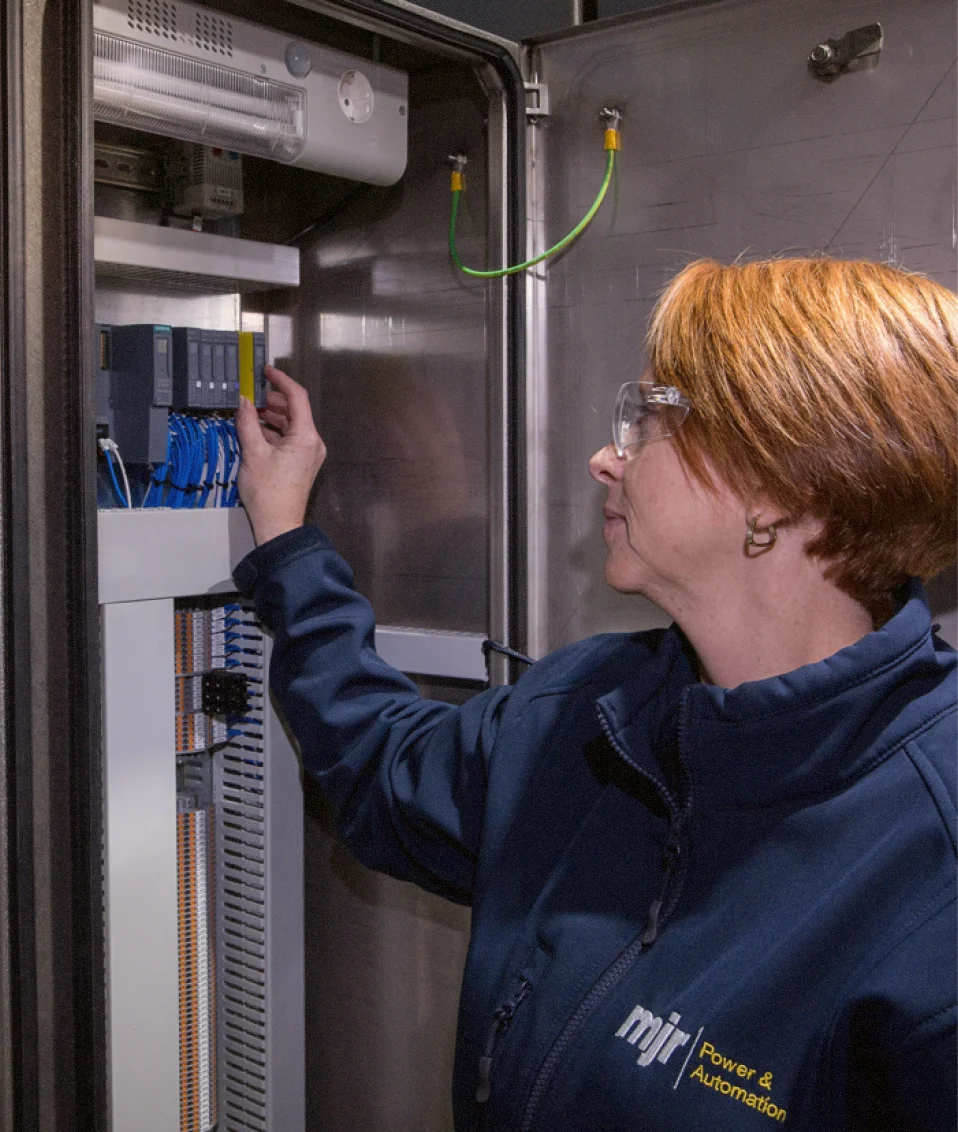
Marine automation systems integrating PLC, DCS, HMI, alarm monitoring, data logging, power management and vessel or offshore control.
Sectors we are Powering
Follow MJR project updates, company news and technical insight covering marine electrical engineering, automation, shore power, offshore vessel charging and vessel electrification.
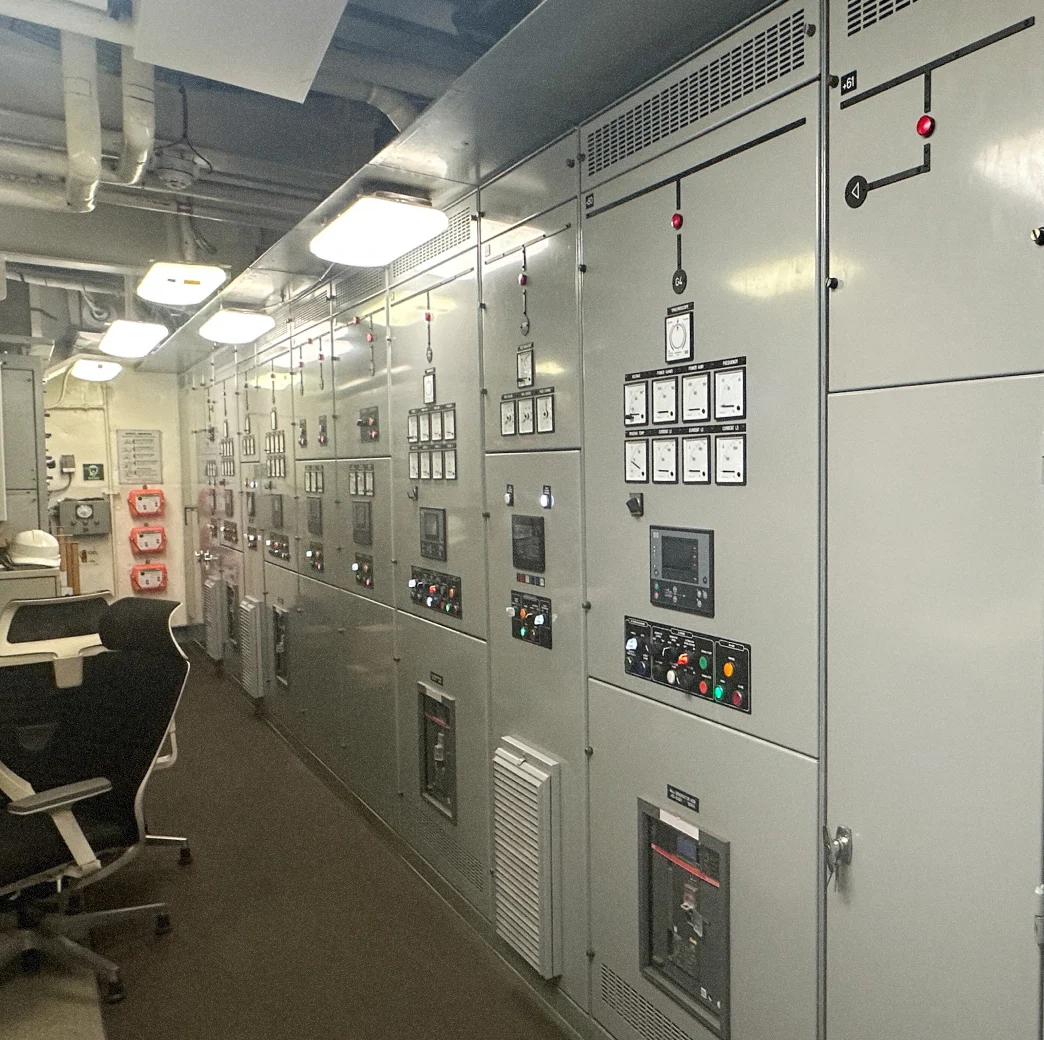
Show how MJR designs, installs, commissions and supports product systems.
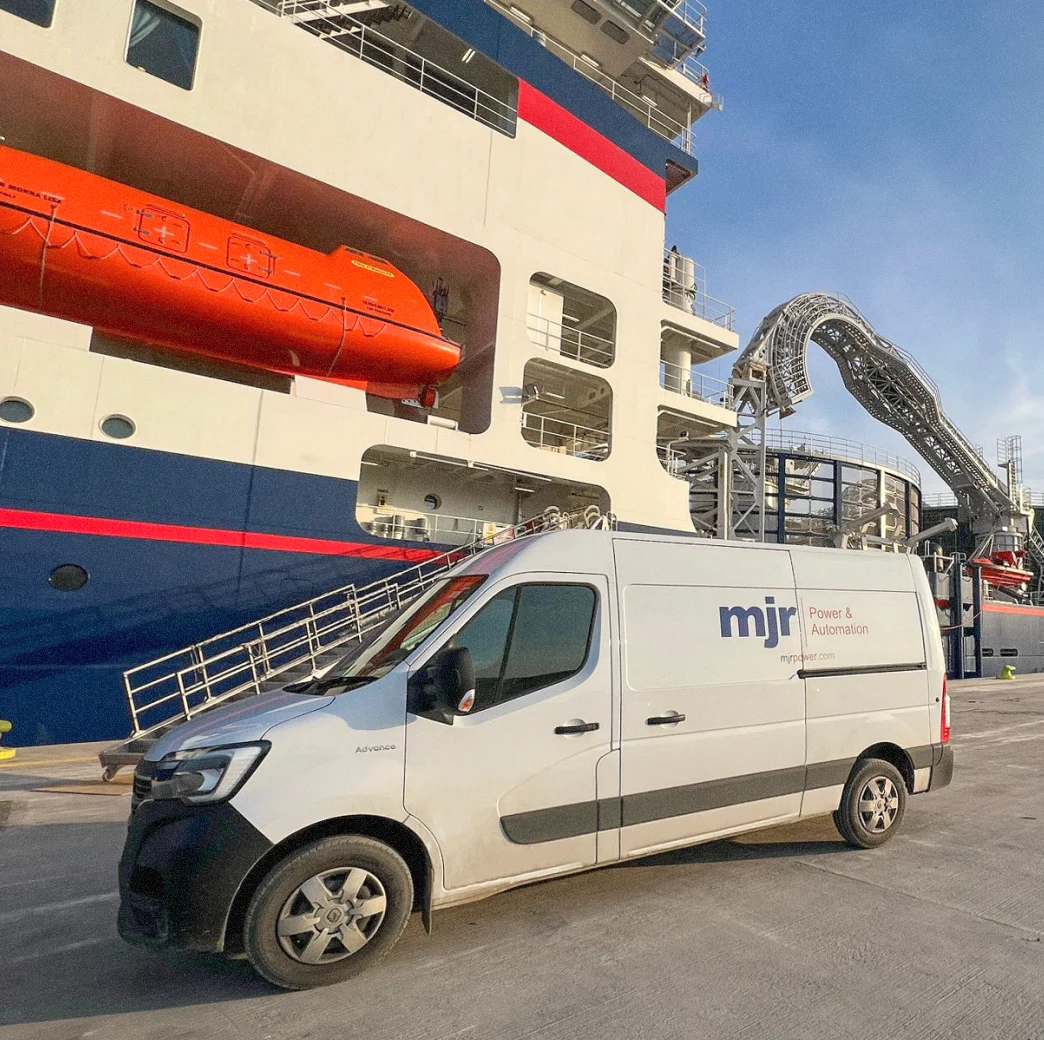
Show how MJR designs, installs, commissions and supports product systems.
Relevant Project Experience
Explore MJR projects involving vessel automation, monitoring, control and power management across newbuild, retrofit and upgrade programmes.
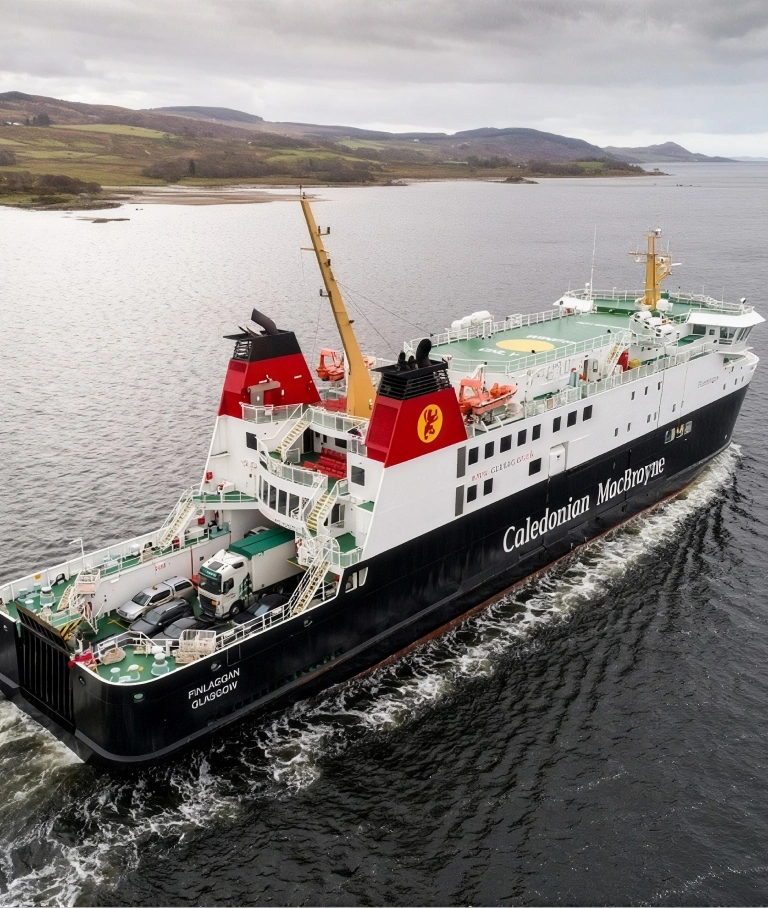
Design, Supply & Installation for Four Ferries
Cable Installation for Kongsberg IAS System Upgrade
Ballast Control System Replacement — Installed In Service
The Questions We Get Asked Most
Find answers to common questions about the project, including the systems involved, engineering approach, technical challenges and how the solution was delivered.