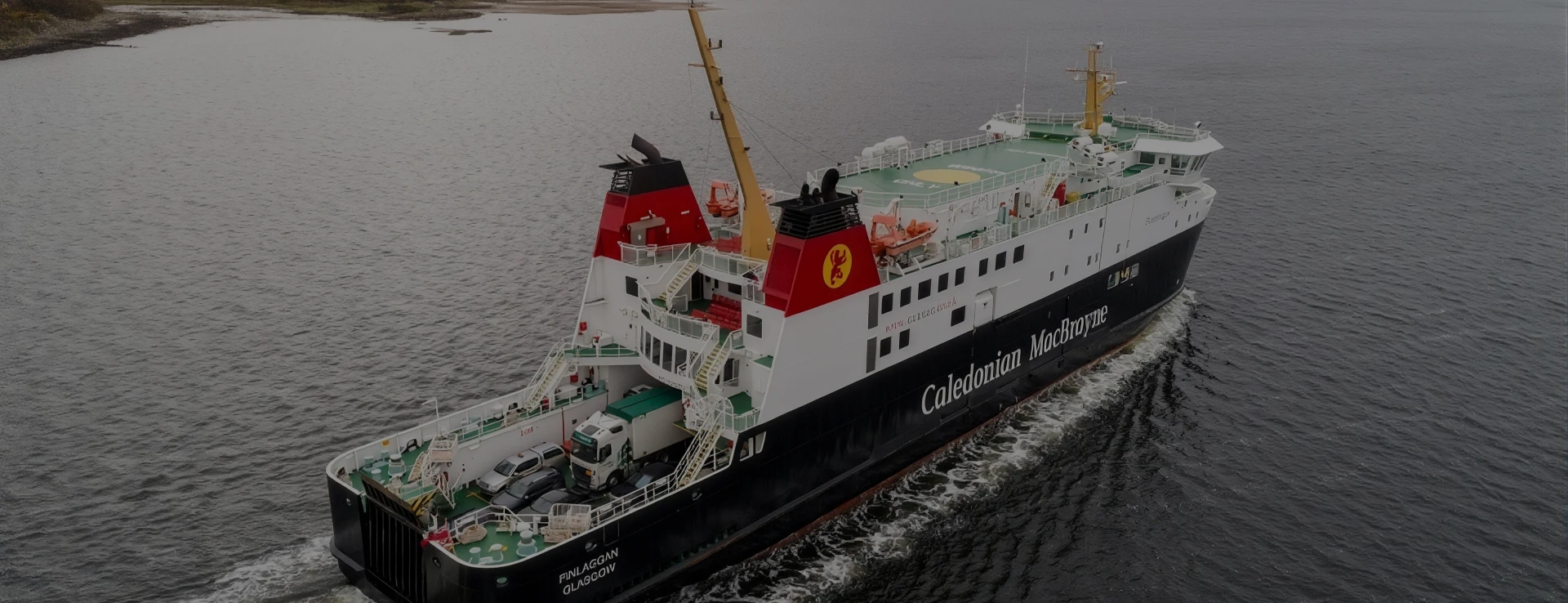
Marine CCTV Systems
Design, Supply & Installation for Four Ferries
Project Overview
MJR Power & Automation Delivers Fleet-Wide Marine CCTV Upgrade for CalMac Ferries
Turnkey design, supply, installation and commissioning of marine-certified CCTV systems across three vessels, integrated around ferry operations and dry dock maintenance.
CalMac Ferries is the UK's largest ferry operator, running more than 30 vessels across 29 routes on the West Coast of Scotland. Its services are lifeline connections for island communities, which makes unplanned time out of service costly for the operator and disruptive for the people who depend on it.
As CalMac's framework partner for electrical installations and upgrades, MJR Power & Automation was contracted to design, install and commission a new marine CCTV system across three vessels, including the Caledonian Isles, the Isle of Mull and the Loch Shira. The scope covered the full system, over 125 marine-certified IP cameras, 25 operator displays, recording servers and more than 8,500 metres of Cat6 network cable running from the bridge to the machinery spaces.
The installation was sequenced around the fleet's operating programme. Cable installation was carried out while the ferries remained in service, with the CCTV equipment fitted, terminated and commissioned during each vessel's scheduled dry docking maintenance period.
Project significance CalMac's vessels carry passengers, vehicles and freight on routes that cannot easily be covered by another ship. The CCTV upgrade had to deliver consistent, marine-certified coverage across a mixed fleet while absorbing almost none of each vessel's limited maintenance window.
The challenge
Vessels that could not come off service
CalMac's routes are lifeline services. Taking a vessel out of the timetable to run cable through it was not a realistic option, so the majority of the installation had to be planned as live work alongside normal passenger and vehicle operations.
Short, fixed dry dock windows
Dry docking periods are booked far in advance and shared with every other item of planned maintenance. Any work that could only be done out of service had to be pre-planned, pre-fabricated and executed to a fixed window.
A harsh operating environment
Cameras on exposed decks, in vehicle decks and in machinery spaces are subject to salt spray, wash-down, vibration, and wide temperature swings. Commercial-grade equipment would not survive; the system had to be built from marine-certified components throughout.
Three vessels, one consistent system
The ferries differ in age, layout and deck arrangement, but CalMac needed a common system its crews could operate the same way on every ship, and its shore teams could support with a single spares holding and one set of procedures.
Scope of Work
Turnkey delivery across four vessels:
- Full system design for each vessel, including camera positions and coverage
- Supply of over 125 marine-certified IP cameras
- Supply and installation of 25 operator displays (23" and 15")
- Supply and installation of recording servers
- Installation of over 8,500 metres of Cat6 cable, bridge to machinery space
- Network infrastructure, containment and terminations
- In-service cable installation
- Equipment installation during scheduled dry dockings
- Full system commissioning and handover
- Marine certification of the installed system
The Solution.
The System — Marine-certified IP camera network
Over 125 marine-certified IP cameras were installed across the four vessels, covering areas from the bridge through to the machinery spaces. Digital IP cameras rated for harsh environments were specified throughout, so the same system could be deployed on exposed and internal locations without changing technology between zones.
The Network — 8,500 metres of structured cabling
More than 8,500 metres of Cat6 cable was supplied and installed across the three vessels, running from the bridge down to the machinery spaces. The cabling was routed and installed while the ferries were in operation, which required the runs to be planned deck by deck and the work sequenced around passenger areas, vehicle decks and crew spaces in use.
The Interface — Operator stations and displays
More than 8,500 metres of Cat6 cable was supplied and installed across the three vessels, running from the bridge down to the machinery spaces. The cabling was routed and installed while the ferries were in operation, which required the runs to be planned deck by deck and the work sequenced around passenger areas, vehicle decks and crew spaces in use.
The Method — Installed in service
The delivery approach split the work in two. Cable installation, the longest and most disruptive element, was carried out while the ferries were running their normal routes. Equipment installation, termination and commissioning were then completed during each vessel's scheduled dry docking maintenance period, so the CCTV upgrade consumed as little of that window as possible.
Delivery & Approval
MJR Power & Automation delivered the project as CalMac Ferries' framework partner for electrical installations and upgrades. The system was delivered to marine standards and certification as a turnkey package, with MJR responsible for design, supply, installation and commissioning throughout.
"As CalMac Ferries framework partner for electrical installations and upgrades, we were delighted to be awarded the turnkey project for the new CCTV system to marine standards and certification. It further demonstrates the trusted relationship built with CalMac over previous successful installations and upgrades to deliver fit for purpose systems for the CalMac fleet." – Ryan Reilly, Sales and Business Development Manager
Technical Summary
- Client CalMac Ferries
- Sector Commercial Marine — passenger and vehicle ferries
- Vessels Three, including Caledonian Isles, Isle of Mull and Loch Shira
- Cameras 125+ marine-certified IP cameras
- Operator displays 25, in 23" and 15" formats
- Recording Servers providing recording and playback, all vessels
- Network cable 8,500+ metres of Cat6
- Coverage Bridge to machinery spaces
- Scope Turnkey — design, supply, installation and commissioning
- Contract route CalMac electrical installations and upgrades framework
- Installation approach Cabling installed in service; cameras, displays, servers and commissioning during scheduled dry docking
Project Outcomes
Coverage from bridge to machinery space.
Each vessel received full-vessel camera coverage on a single marine-certified platform, replacing whatever arrangement was in place before.
No additional service disruption.
By moving the cabling work into normal operations, the upgrade was absorbed into planned dry docking rather than requiring extra time out of service.
A common standard across three ships.
Crews moving between vessels operate the same system, and shore support works from one set of equipment, spares and procedures.
Equipment matched to the environment.
Marine-certified, harsh-environment-rated cameras and hardware were used throughout, rather than commercial equipment adapted to marine use.
A framework relationship extended.
The project built on previous installations and upgrades delivered for CalMac under the same framework.
Gallery


Share your vessel, equipment and interface requirements with MJR.
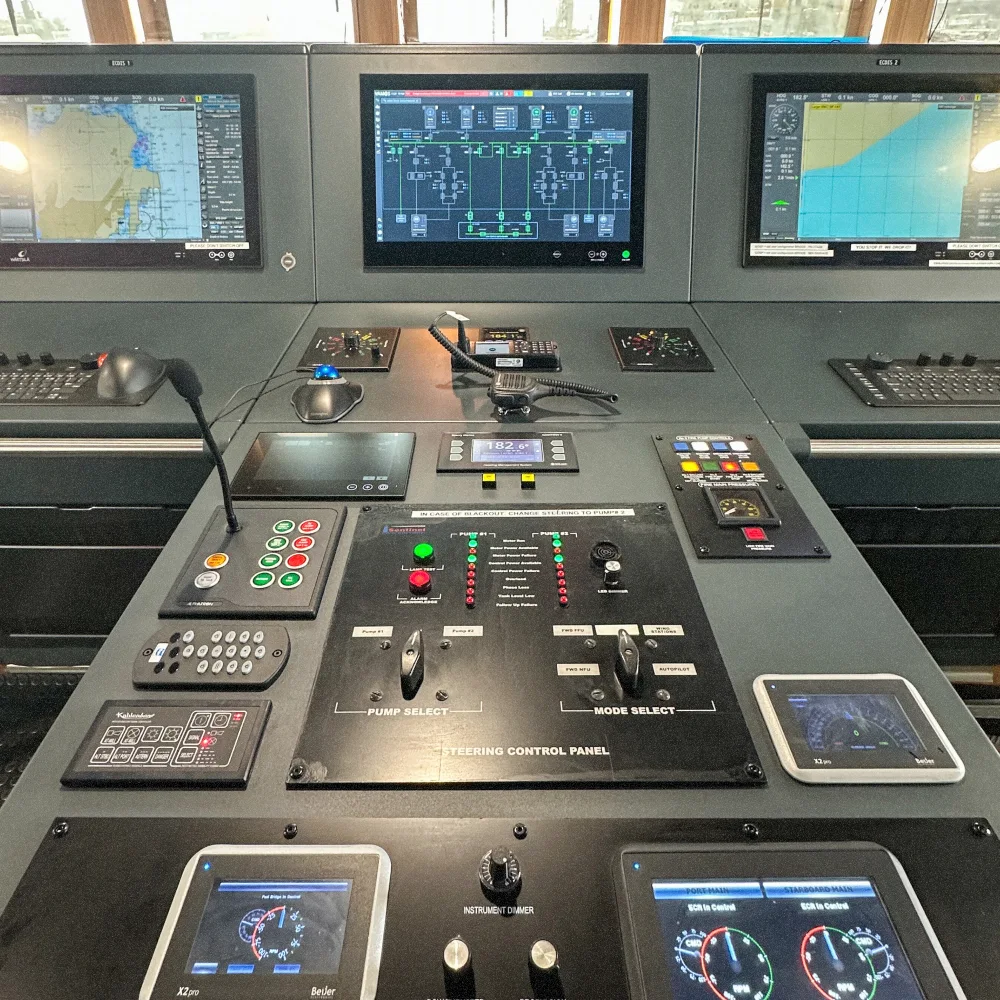
VAMOS the marine automation platform for vessel control, alarms, monitoring, power management and operational visibility.
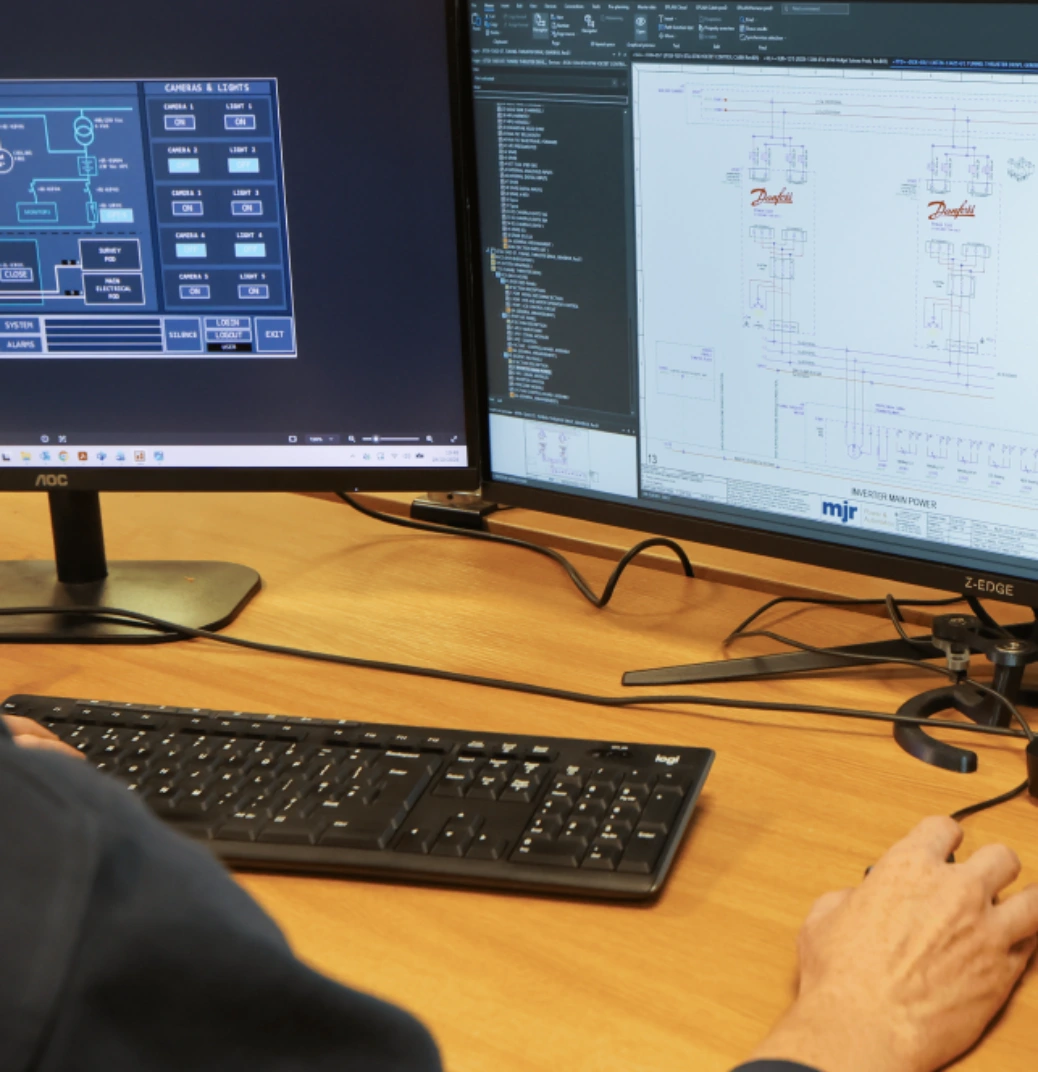
Marine electrical design, FEED studies, calculations and system engineering developed around vessel, offshore and project requirements.
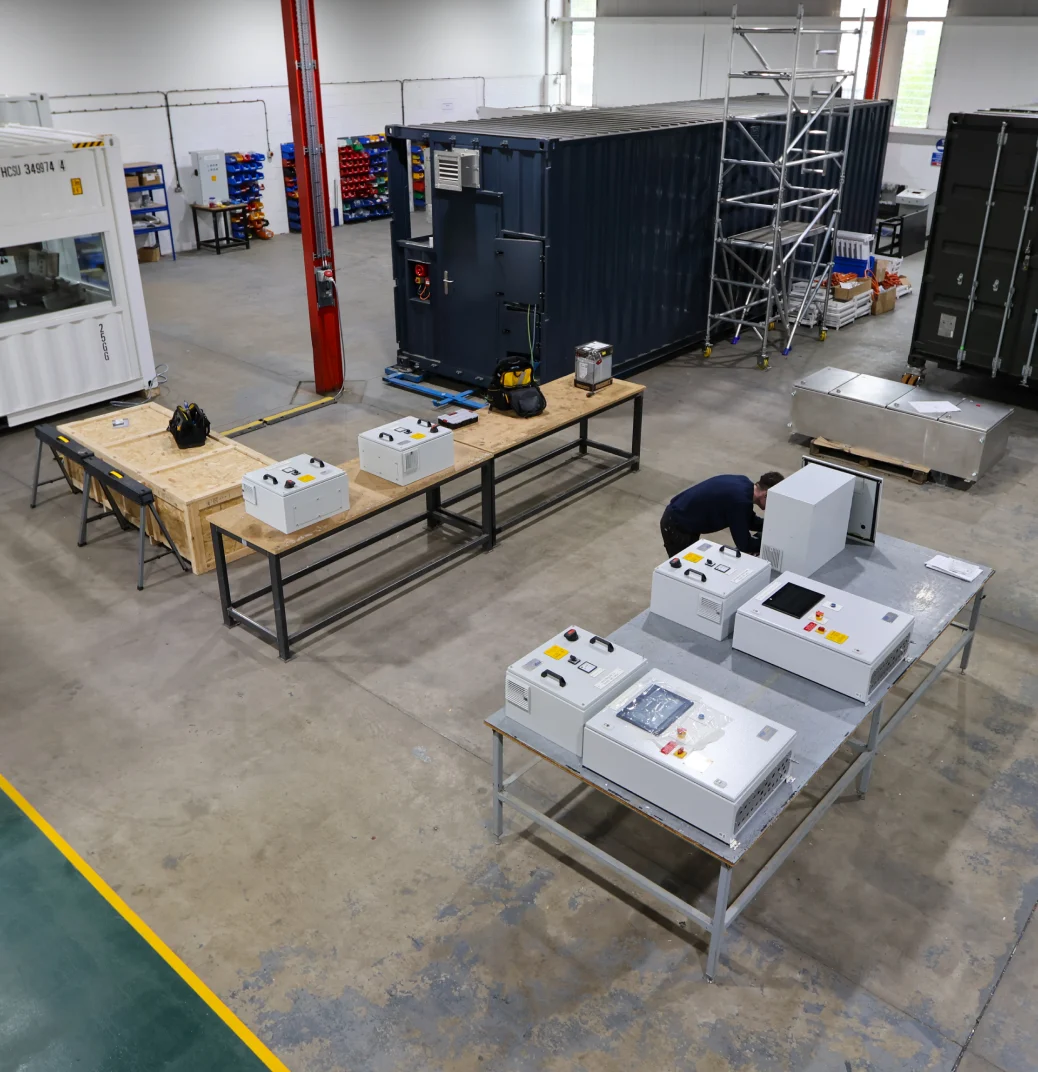
Integrated electrical power, switchboard, control and automation systems engineered, built and tested for demanding marine and offshore applications.
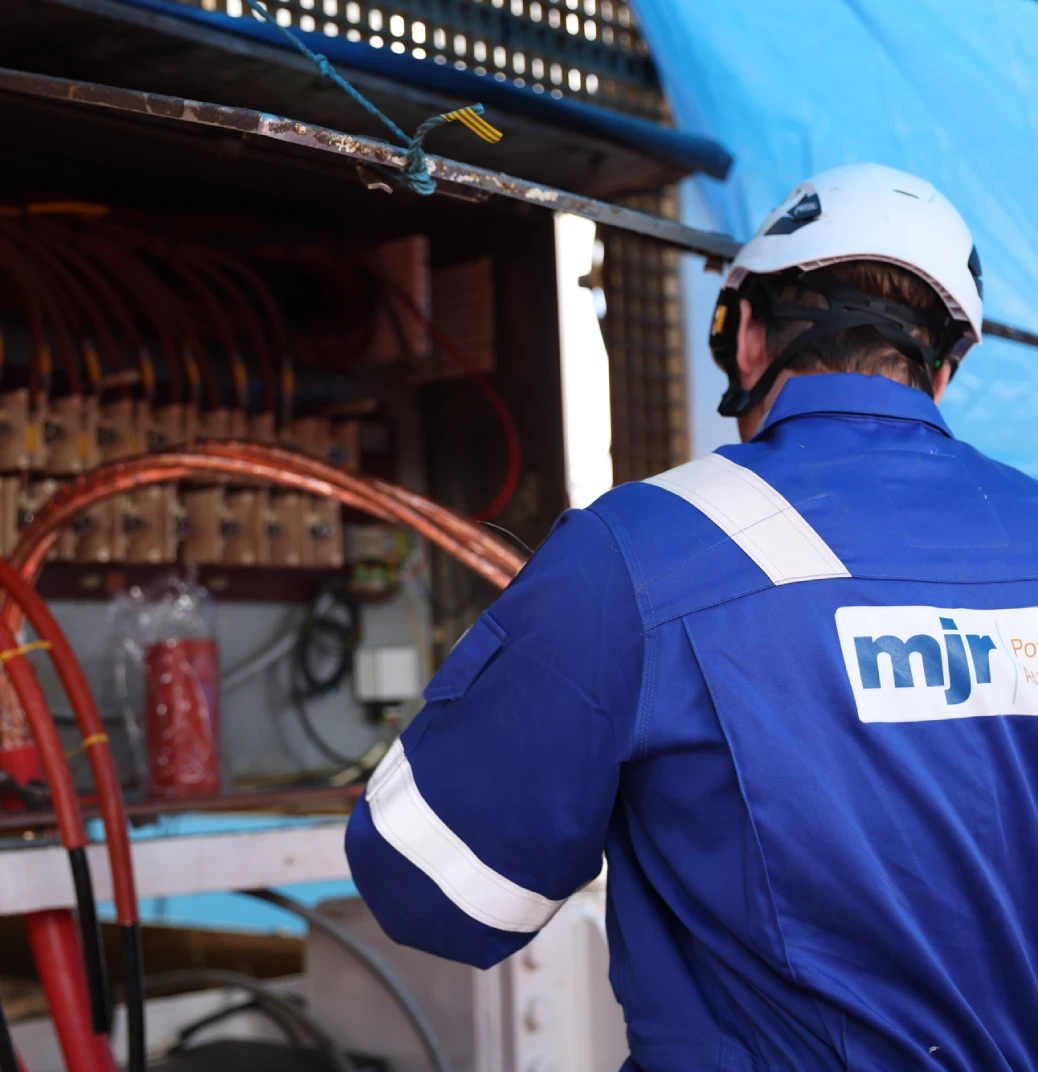
Marine electrical installation, onboard integration, vessel commissioning and functional testing through to technical handover.
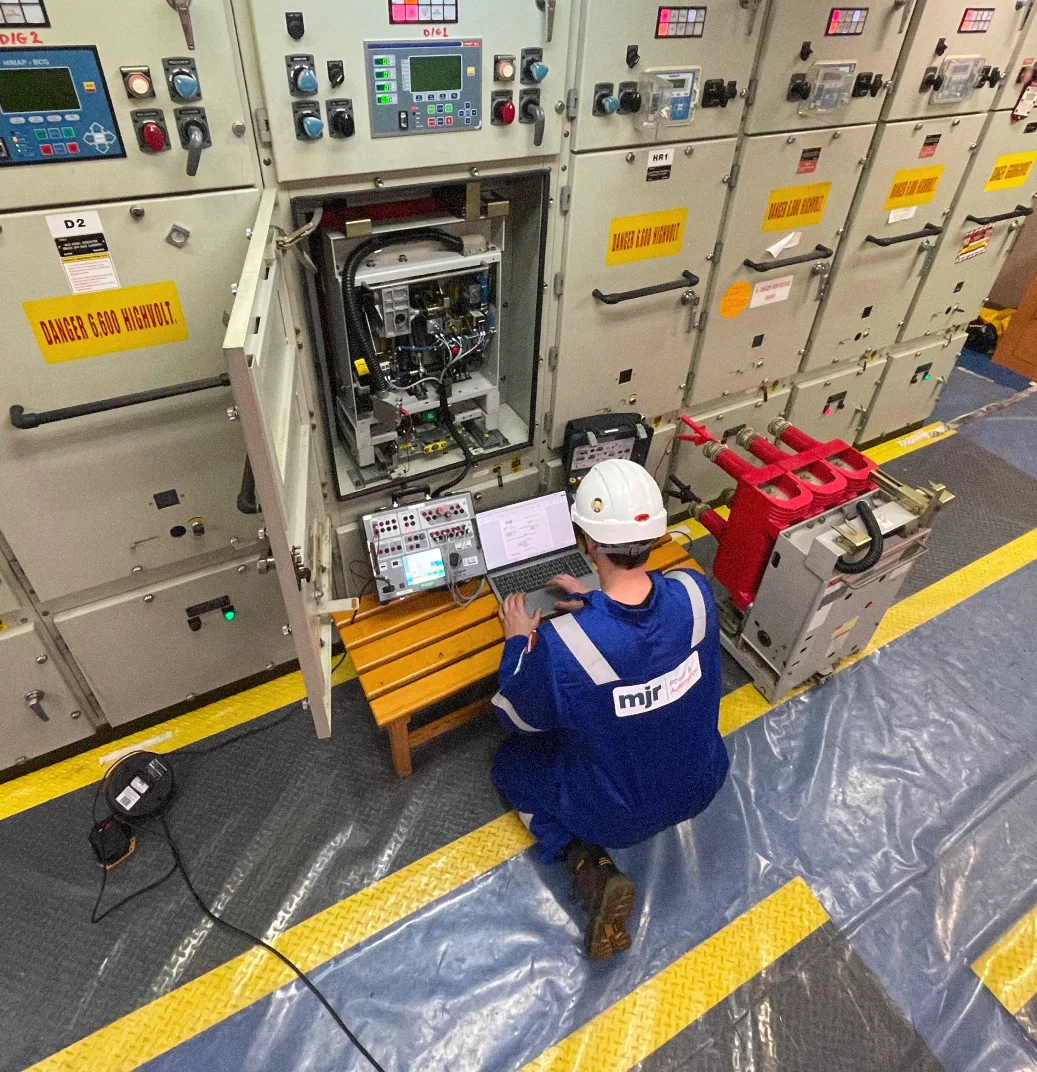
Marine electrical service, fault-finding, repair, testing, retrofit and lifecycle support for vessels and offshore assets.
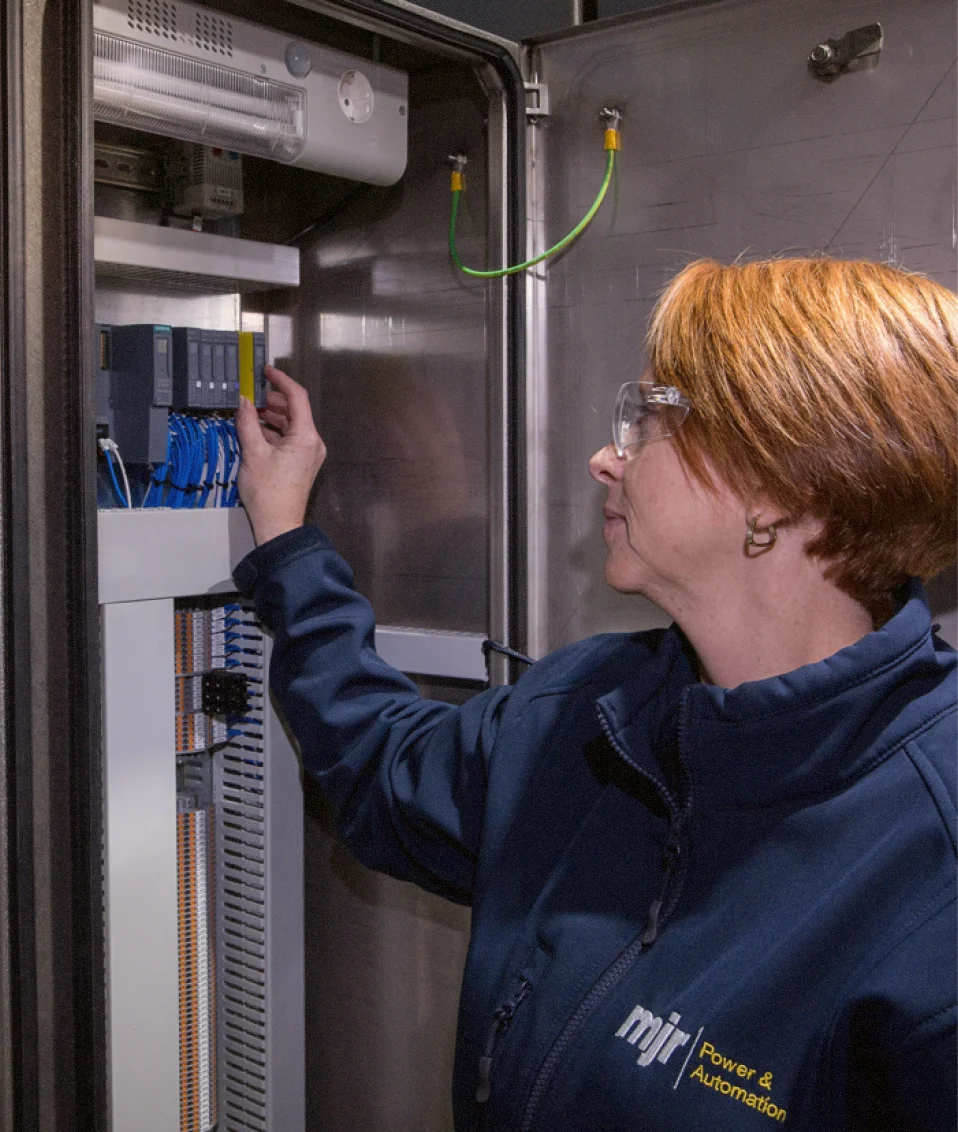
Marine automation systems integrating PLC, DCS, HMI, alarm monitoring, data logging, power management and vessel or offshore control.
Sectors we are Powering
Follow MJR project updates, company news and technical insight covering marine electrical engineering, automation, shore power, offshore vessel charging and vessel electrification.
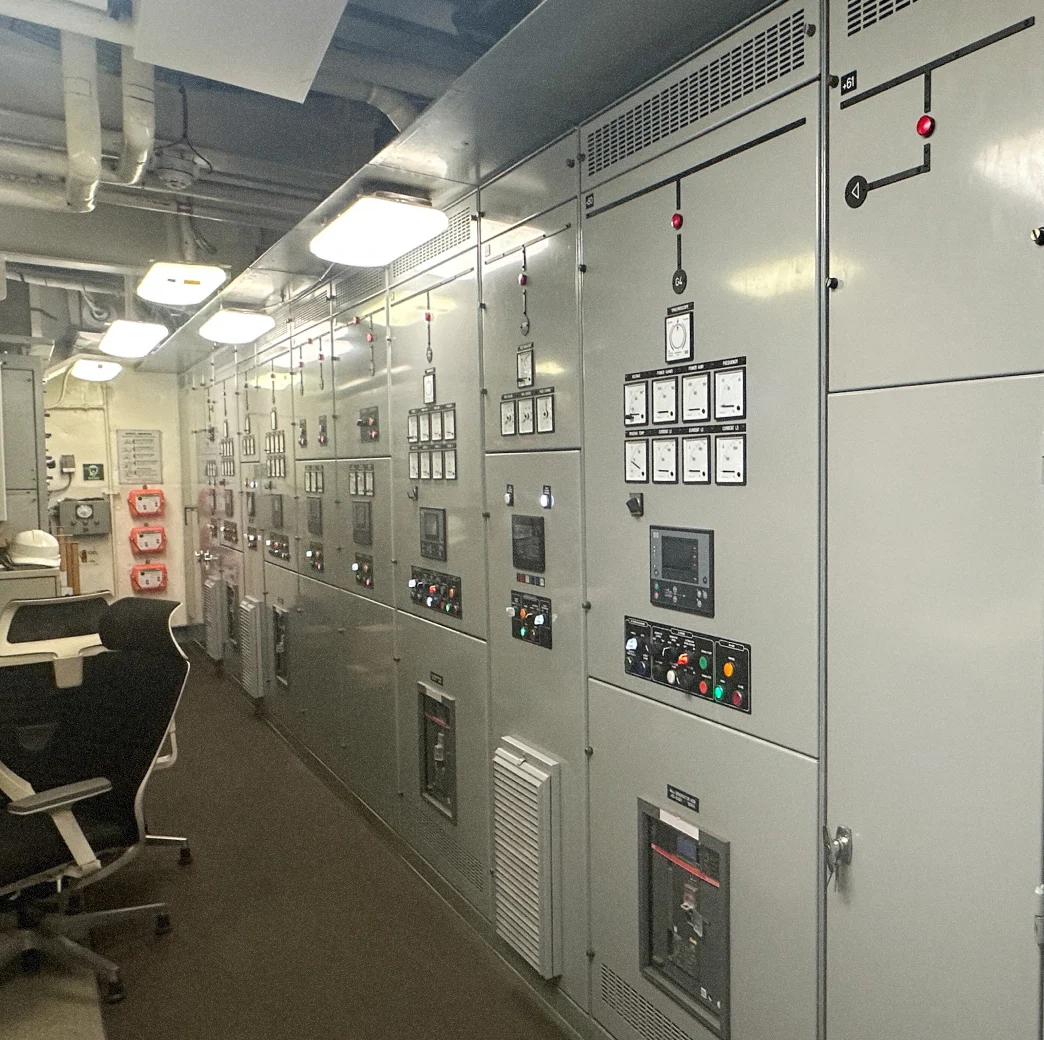
Show how MJR designs, installs, commissions and supports product systems.
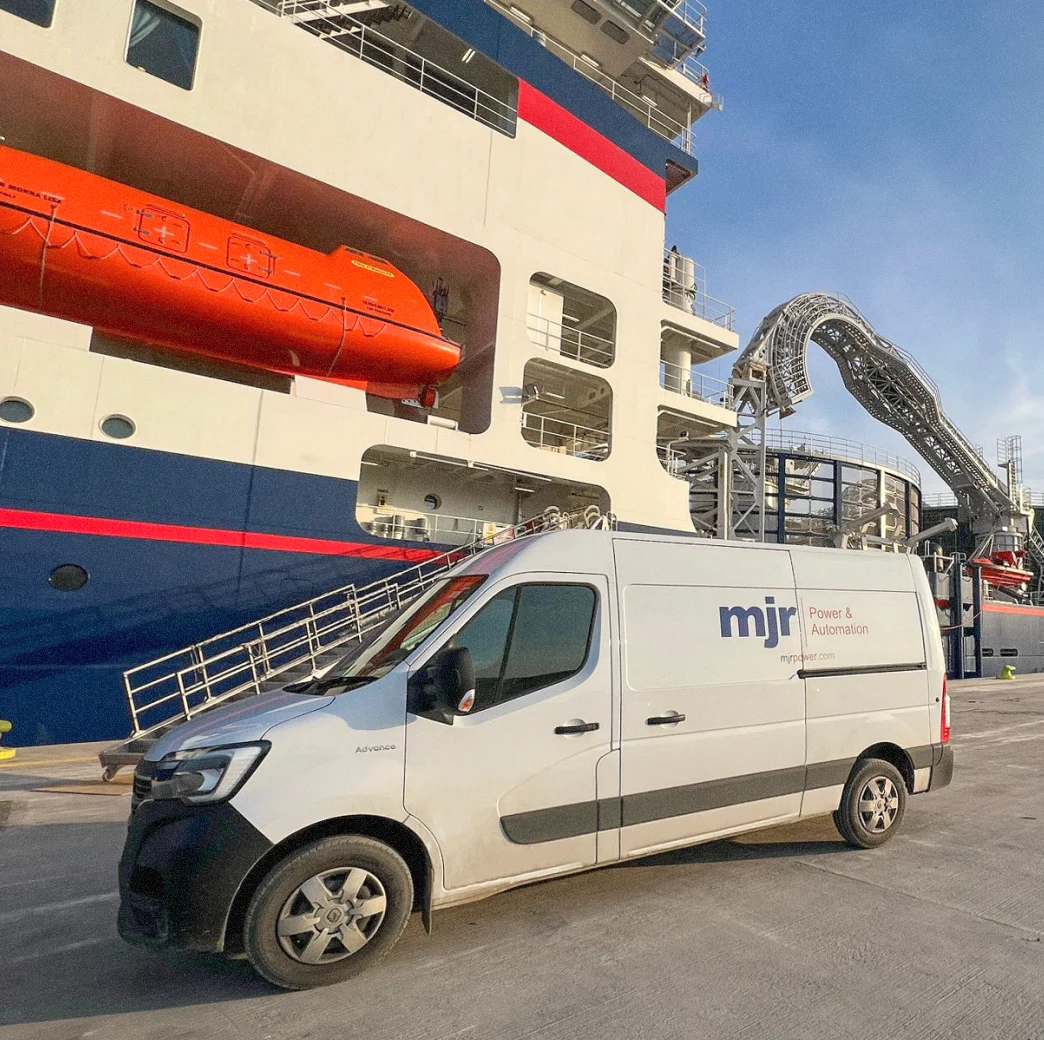
Show how MJR designs, installs, commissions and supports product systems.
Relevant Project Experience
Explore MJR projects involving vessel automation, monitoring, control and power management across newbuild, retrofit and upgrade programmes.

Pitch Control System Upgrade — Electrical & Cable Infrastructure, Four Ferries
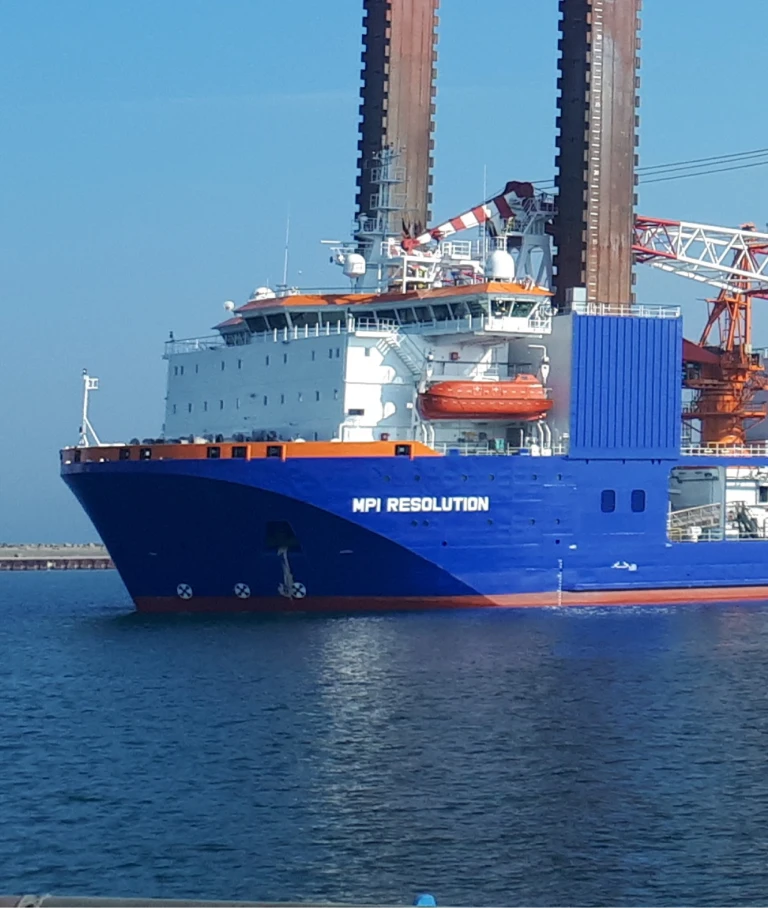
Cable Installation for Kongsberg IAS System Upgrade
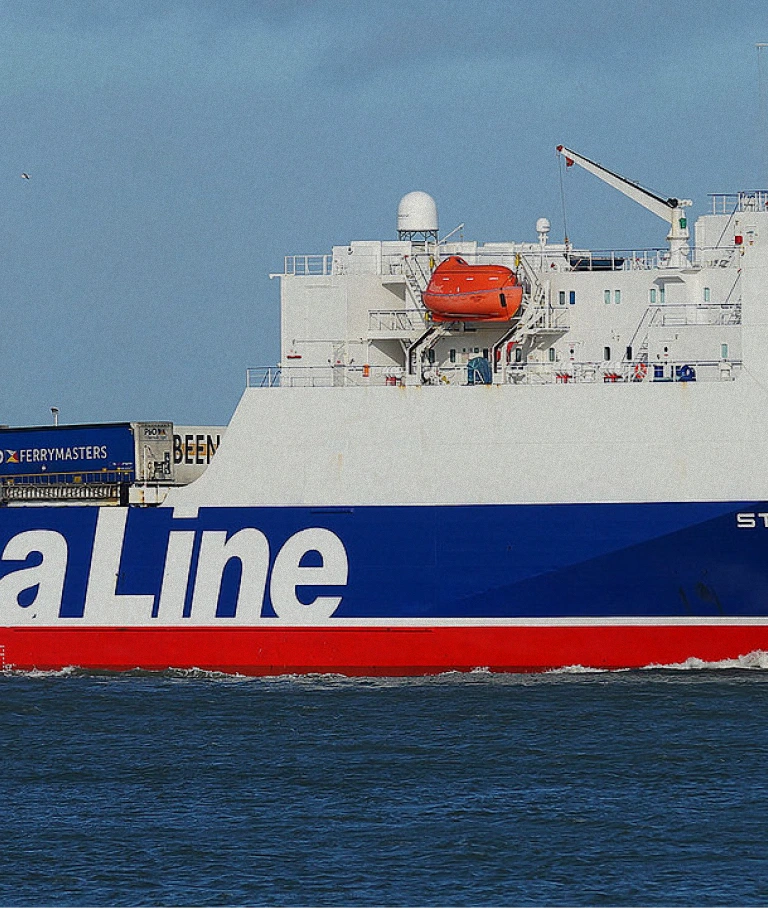
Ballast Control System Replacement — Installed In Service
The Questions We Get Asked Most
Find answers to common questions about the project, including the systems involved, engineering approach, technical challenges and how the solution was delivered.