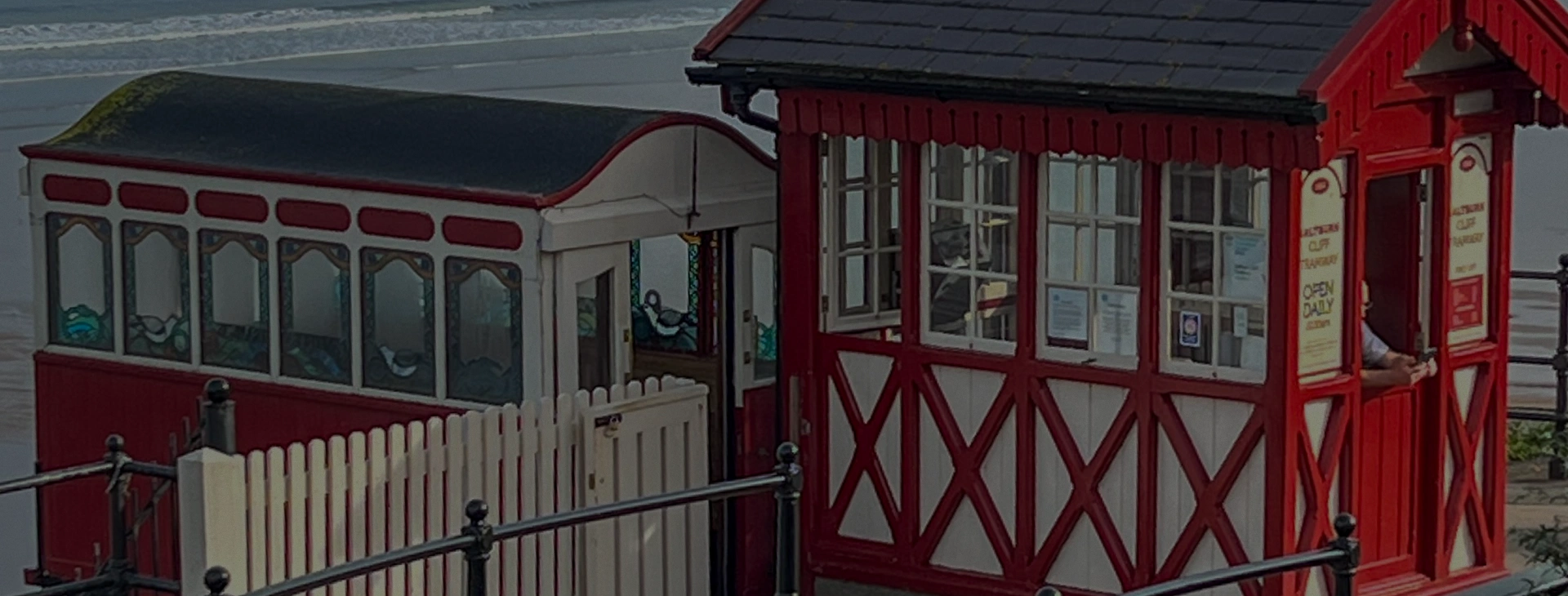
Electrical Engineering Works for Saltburn Cliff Tramway Post-2024 Fire
Safety-compliant PLC controls across five stations and trams, linked by industrial WiFi.
Project Overview
MJR Power & Automation Replaces the Control System at Saltburn Cliff Tramway, Post 2024-Fire
A new PLC-based control system across five stations and both trams, delivered to current functional safety standards, with industrial WiFi replacing the radio communications that had caused intermittent faults for years.
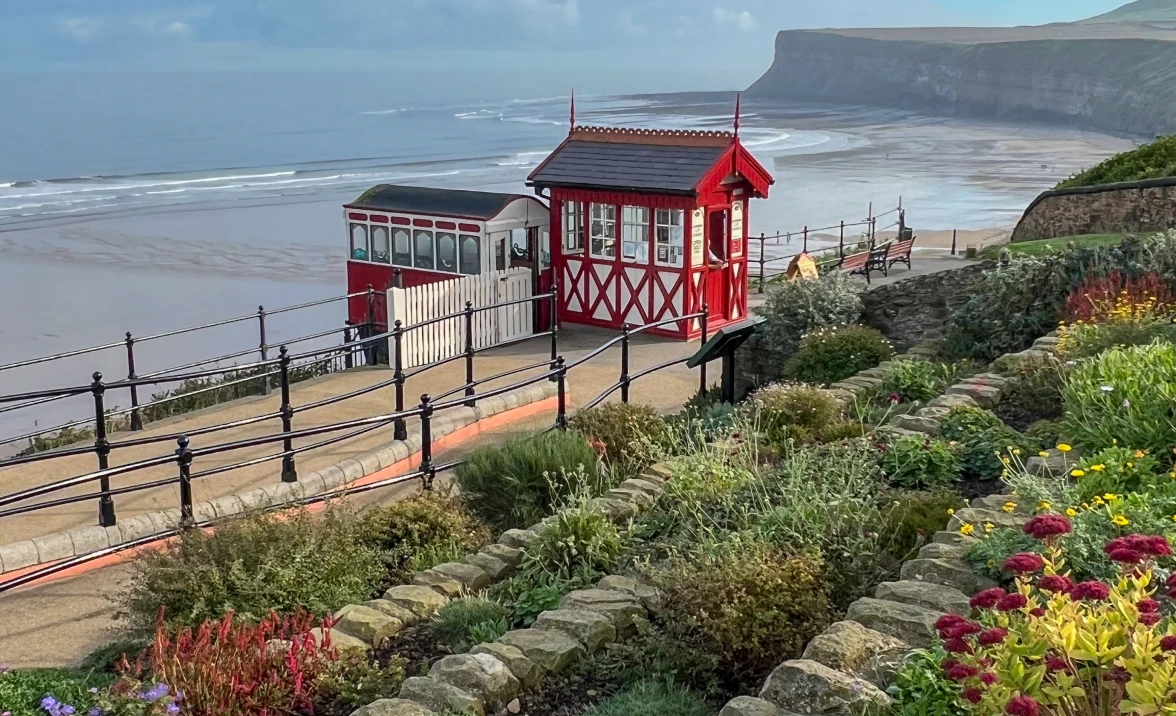
The Saltburn Cliff Tramway is a water-balanced funicular railway connecting the pier to the old town, saving its passengers a climb of 173 steps. At capacity, it carries more than 100,000 people a year, and it has been part of how Saltburn works as a town for well over a century.
In January 2024, a significant fire caused serious damage to the control system. MJR Power & Automation was engaged by Rapid Consulting to undertake the critical electrical and control systems works as part of the restoration.
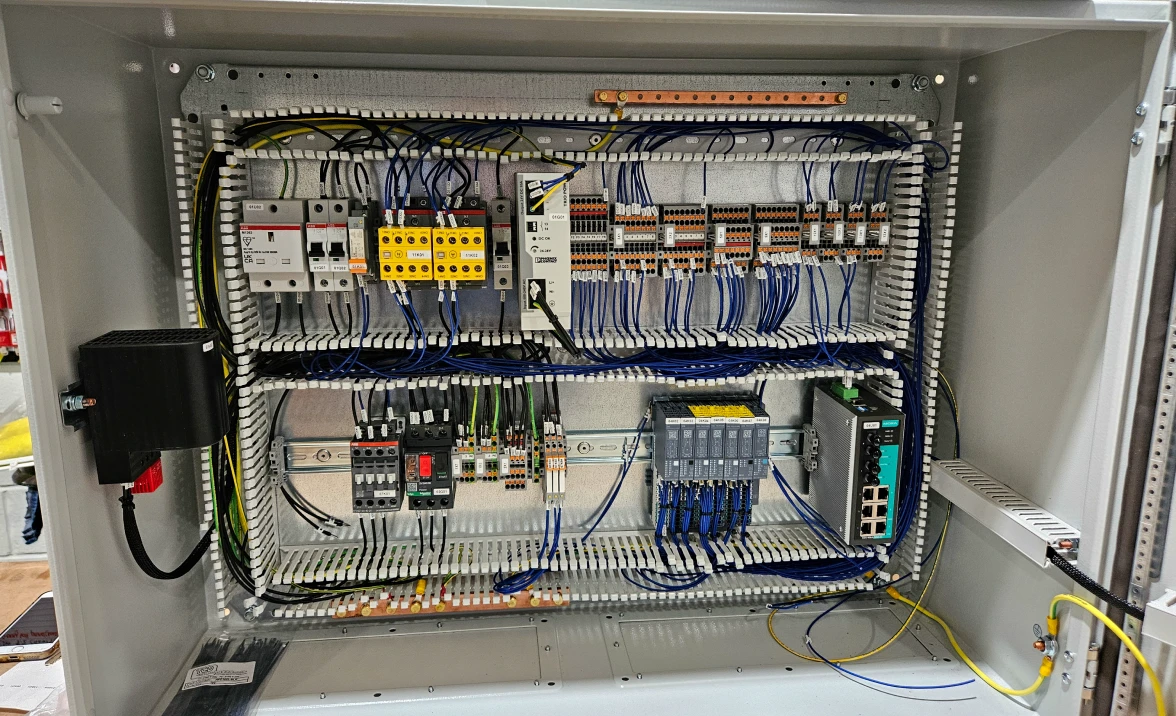
The upgraded system replaced the existing controls entirely, adding safety and emergency functionality to bring the tramway into compliance with current functional safety standards. MJR Power & Automation carried out the design engineering and construction for five control stations, the top control station, main panel, bottom station panel and the control panels for both the Saltburn and Marske trams, built around PLC operation, a graphical operator console and industrial WiFi communication to each tram.
The tramway reopened in September 2024.
Project significance A funicular is two vehicles permanently connected, moving in opposite directions, carrying members of the public up and down a cliff. The control system is not monitoring the operation - it is the operation. Rebuilding it after a fire, to current safety standards, in time for a seaside town to have its tramway back for the following season, is a different kind of engineering pressure from a vessel programme, and a more visible one.
The challenge
A fire had destroyed the existing controls.
The January 2024 fire caused significant damage. The control system was not repaired but replaced entirely, across all five stations.
Modern safety standards, on a Victorian machine
The replacement had to comply with current functional safety standards and add safety and emergency functionality the original arrangement did not have, while working with a water-balanced mechanism that is unchanged in principle since the 19th Century.
Passengers, not cargo
More than 100,000 people a year at capacity. Every safety function has to be demonstrably right, because the consequence of getting it wrong is not equipment damage.
A chronic communications fault to fix, not reproduce
The previous radio communications between the control system and the trams had historically caused intermittent comms faults that stopped operations. Restoring like-for-like would have restored the fault with it.
A season to be ready for
A seaside town's tramway closed over a summer is a loss to the local economy as well as an inconvenience. The restoration had a date that mattered to more people than the client.
Scope of Work
Replacement of the five main control stations:
- Top control station
- Main panel
- Bottom station panel
- Saltburn tram control panel
- Marske tram control panel
Control and automation:
- PLC-based operation
- Graphical console providing visual feedback of the system
- Industrial WiFi communication to each tram
- Additional safety and emergency functionality for compliance with current functional safety standards
Solutions Delivered
The Safety System — Built to current standards, not restored to old ones
The replacement control system added safety and emergency functionality that the previous arrangement did not have, bringing the tramway into compliance with current functional safety standards. On a passenger-carrying system this is the substance of the project: the tramway did not simply get its controls back, it got controls designed to a standard that did not exist when the original was installed.
The Communications — Fixing a fault that predated the fire
Industrial WiFi replaced the radio communications previously used to reach each tram. The source is clear that the old RF link had historically caused intermittent communications faults that stopped operations — so the replacement did not just restore the tramway, it removed a chronic reliability problem the operators had lived with for years.
This is the outcome most likely to be noticed by the people who run the tramway every day, and it deserves more prominence than a clause at the end of a scope list.
The Interface — Visual feedback for the operator
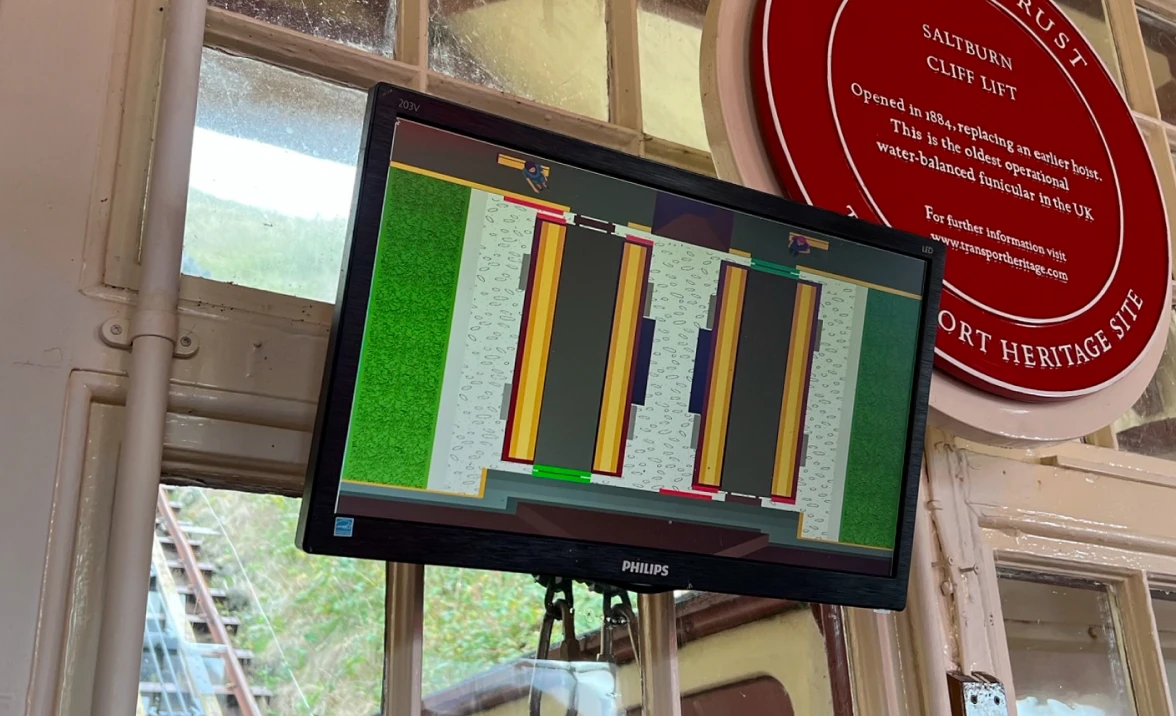
A graphical console provides visual feedback of the system state, including a network view showing the top and bottom control stations, both trams and the communications between them. An operator can see what the system is doing rather than inferring it from indicator lamps
The Stations — Five panels, one system
Design engineering and construction covered all five control stations: top and bottom of the incline, the main panel, and a control panel on each of the two trams. On a funicular, the two vehicles are mechanically linked and always move together, so the control of both, and the communication between them and the fixed stations, has to behave as a single system.
Delivery & Approval
Following MJR Power & Automation's work, Saltburn Cliff Tramway reopened in September 2024, eight months after the fire.
MJR's role was pivotal in the electrical recommissioning, with its experience in designing and implementing functional safety systems laying the groundwork for safe and reliable tram operations.
Technical Summary
- Asset Saltburn Cliff Tramway — water-balanced funicular railway
- Location Saltburn-by-the-Sea, North Yorkshire
- Function Connects the pier to the old town, avoiding 173 steps
- Capacity More than 100,000 passengers a year
- Engaged by Rapid Consulting
- Trigger Significant fire, January 2024
- MJR scope Design engineering and construction of the replacement control system
- Control stations Five — top control station, main panel, bottom station panel, Saltburn tram panel, Marske tram panel
- Operation PLC based
- Operator interface Graphical console with visual system feedback
- Communications Industrial WiFi to each tram, replacing previous RF
- Safety Additional safety and emergency functionality to current functional safety standards
- Platform MAP-OE
- Reopened September 2024
Project Outcomes
The tramway reopened in September 2024
Eight months from a significant fire to carrying passengers again.
Compliance with current functional safety standards
The replacement control system added safety and emergency functionality the original did not have, rather than restoring what was there before.
A long-standing reliability problem solved
A new emergency switchboard with blackout starting and auto-connect, on a vessel carrying passengers.
Power alongside without the main plant.
Industrial WiFi replaced RF communications that had historically caused intermittent faults and stopped operations. The tramway came back more reliable than it was before the fire.
Operator visibility improved
A graphical console replaced an arrangement that gave the operator far less information about system state
A community asset safeguarded
More than 100,000 passengers a year, and a landmark that matters to Saltburn's economy as well as its character.
Gallery
Share your vessel, equipment and interface requirements with MJR.
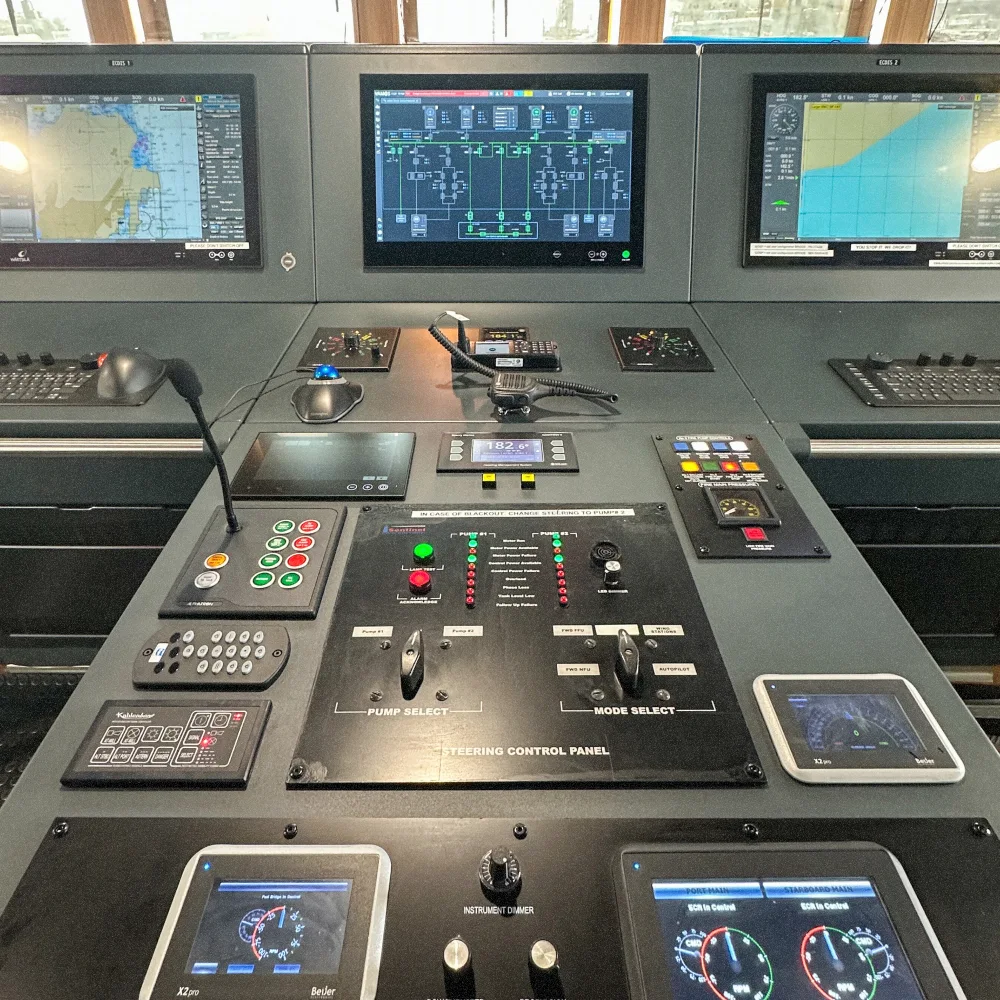
VAMOS the marine automation platform for vessel control, alarms, monitoring, power management and operational visibility.
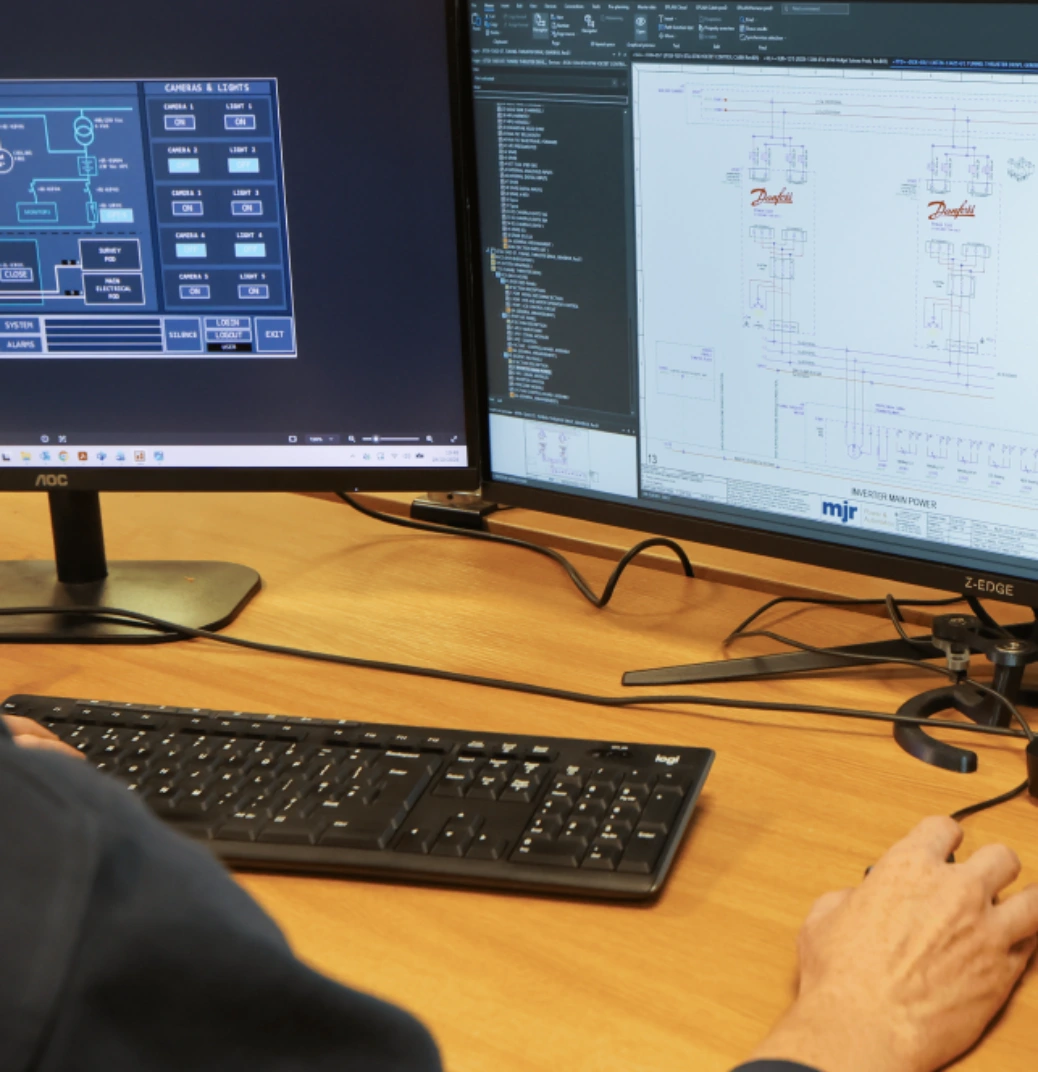
Marine electrical design, FEED studies, calculations and system engineering developed around vessel, offshore and project requirements.
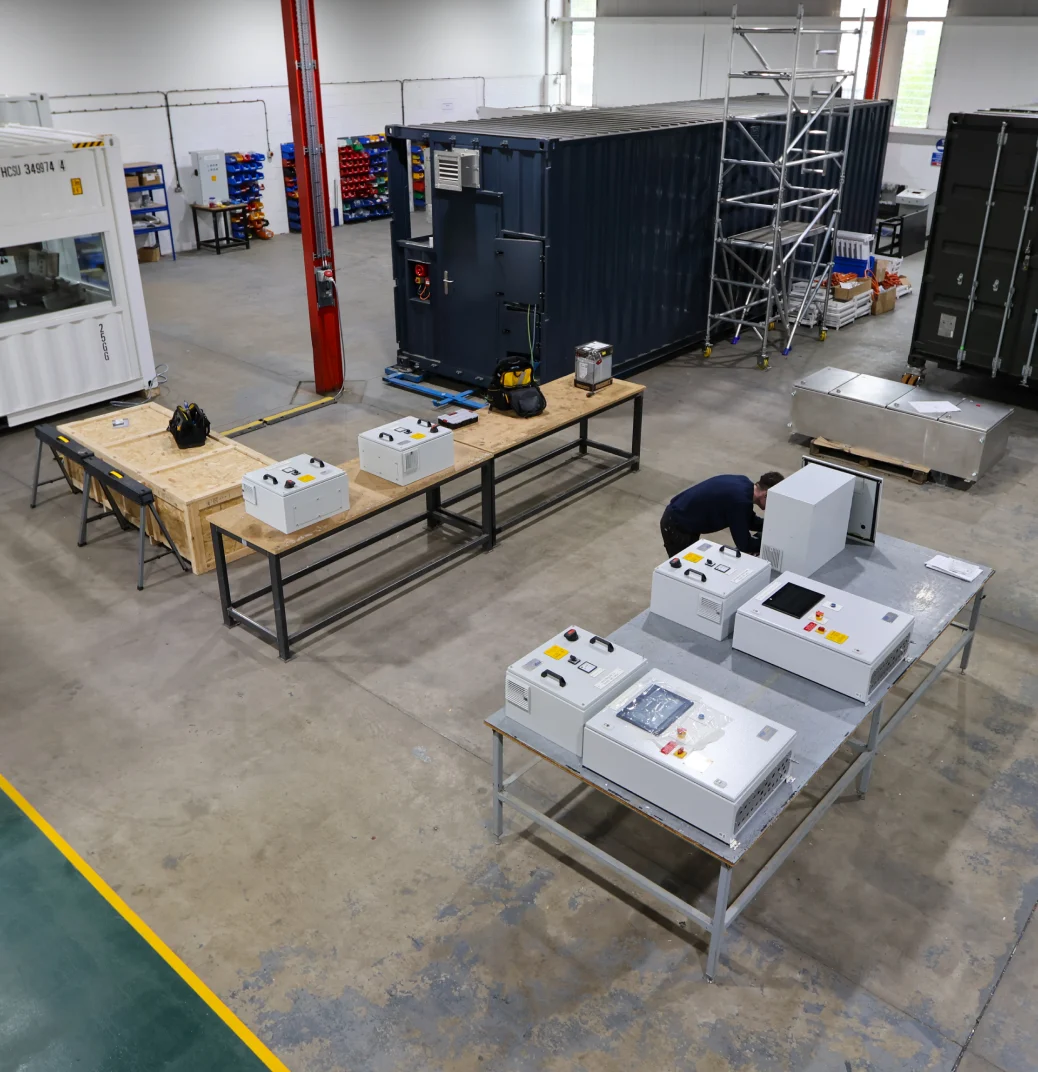
Integrated electrical power, switchboard, control and automation systems engineered, built and tested for demanding marine and offshore applications.
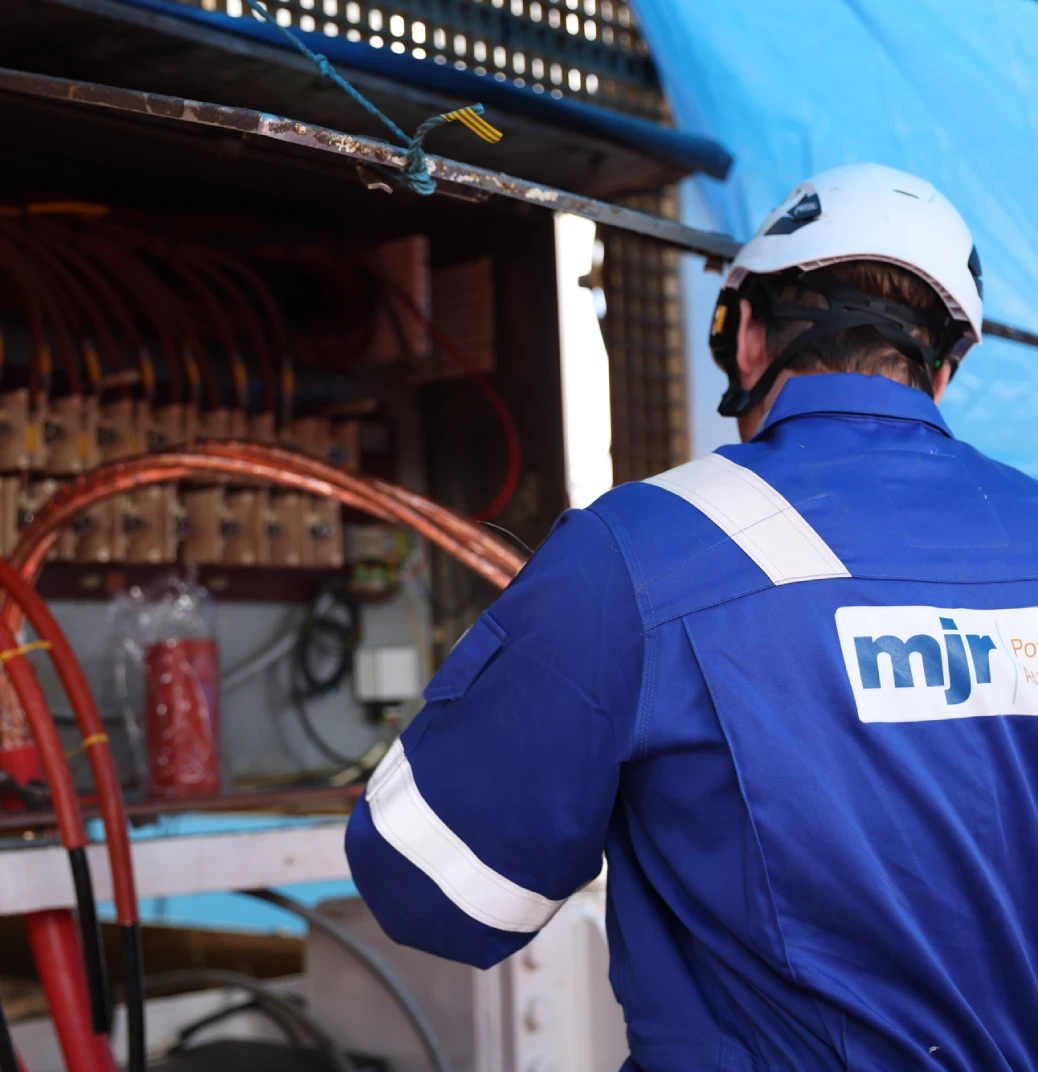
Marine electrical installation, onboard integration, vessel commissioning and functional testing through to technical handover.
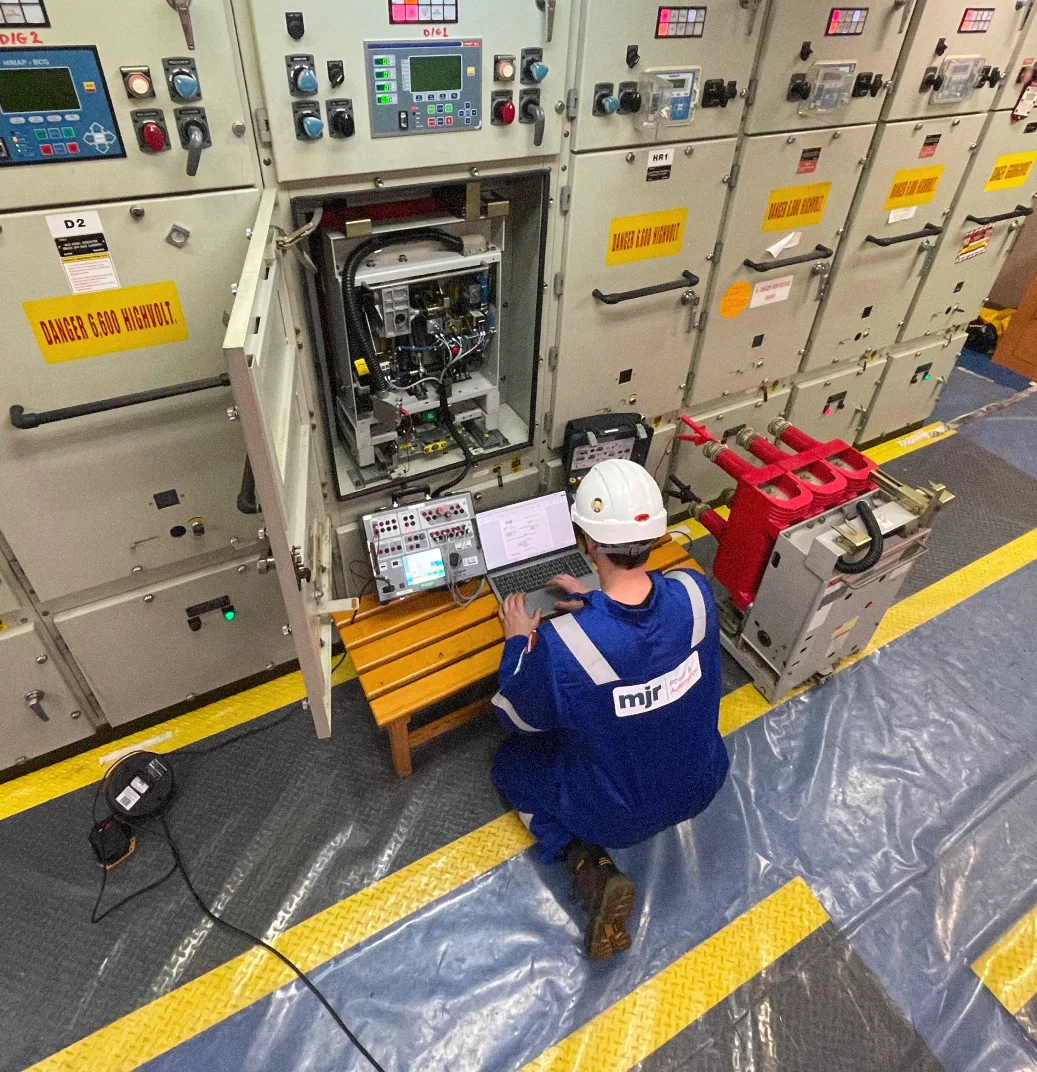
Marine electrical service, fault-finding, repair, testing, retrofit and lifecycle support for vessels and offshore assets.
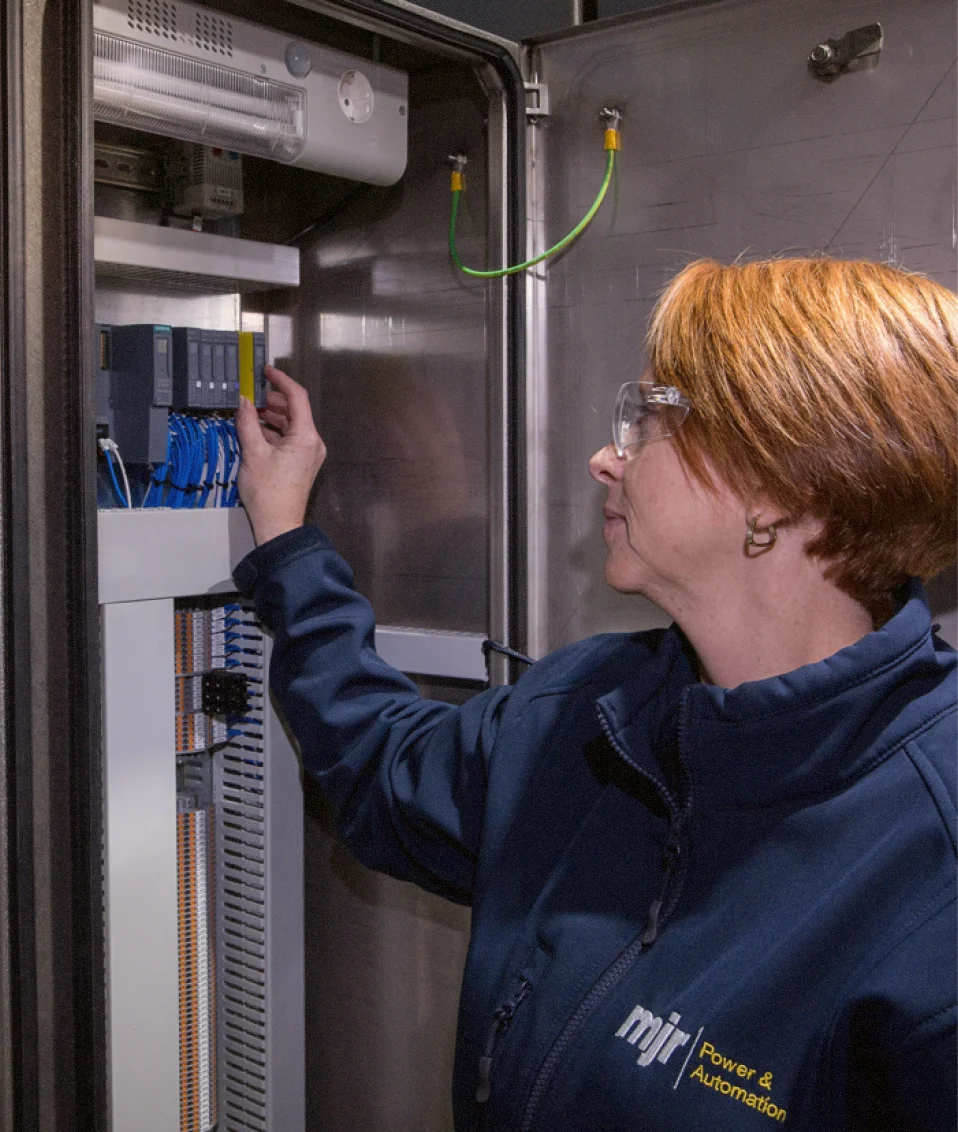
Marine automation systems integrating PLC, DCS, HMI, alarm monitoring, data logging, power management and vessel or offshore control.
Relevant Project Experience
Explore MJR projects involving vessel automation, monitoring, control and power management across newbuild, retrofit and upgrade programmes.
Electrical Installation for an Active Heave Compensated Crane — Across Three Countries
ABS-Approved Life Extension & Repowering — Power, Propulsion, Automation and Control

Dredger Life Extension — Power, Propulsion, Dredging & Automation
The Questions We Get Asked Most
Find answers to common questions about the project, including the systems involved, engineering approach, technical challenges and how the solution was delivered.