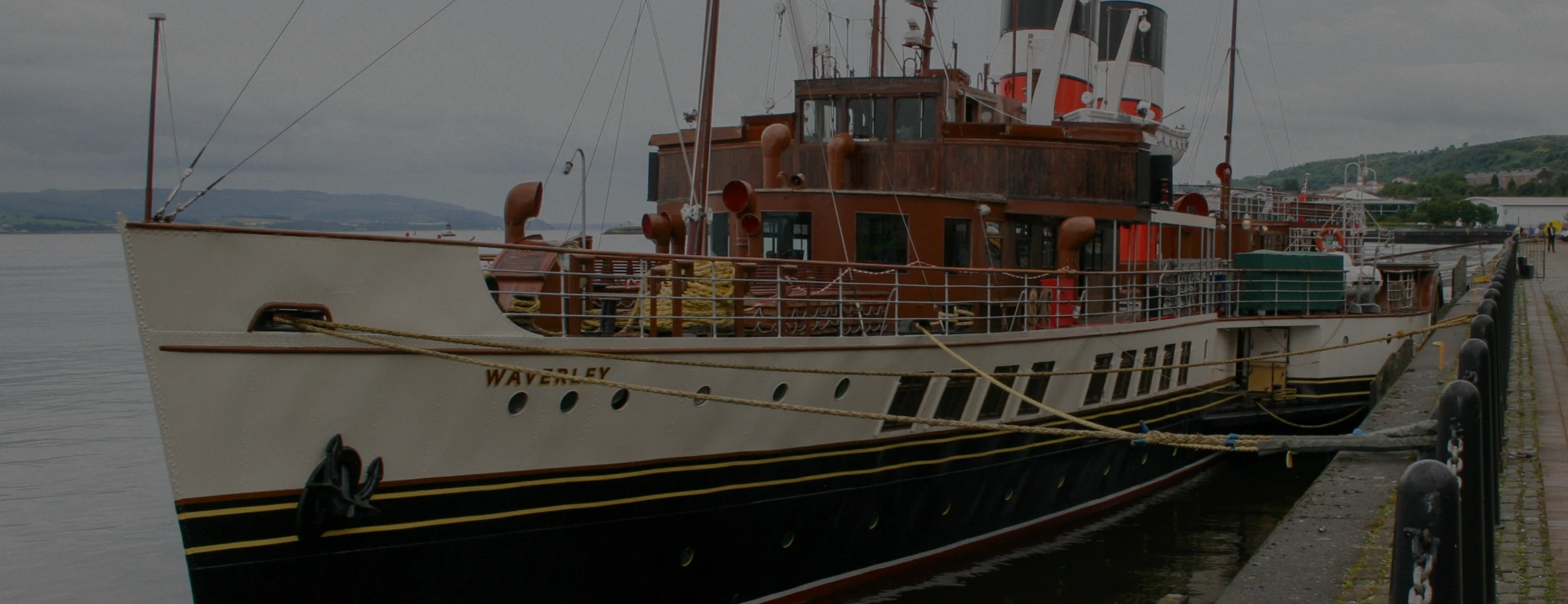
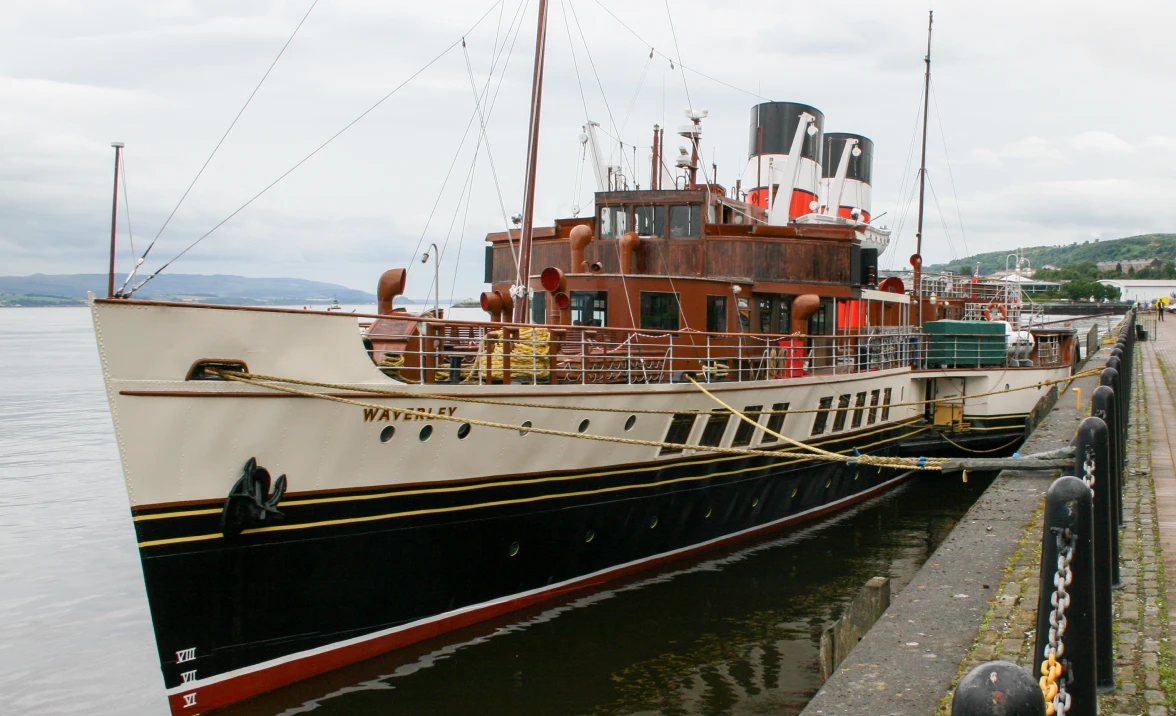
PS Waverley - Electrical Upgrade of the World’s Last Seagoing Paddle Steamer
Alarm & Monitoring System Upgrade — Retaining the Existing Cabling
Project Overview
MJR Power & Automation Overhauls the Power System of the World's Last Seagoing Paddle Steamer
A comprehensive retrofit modernising switchboards and power management systems while preserving the vessel's historic features.
PS Waverley is the world's last seagoing passenger paddle steamer still in operation. She worked the Firth of Clyde on regular passenger services until she was withdrawn in 1973, was bought for £1 by the Paddle Steamer Preservation Society and returned to service in 1975. Since then, she has operated seasonally on the Clyde and around the wider UK, carrying more than six million passengers from over sixty ports.
MJR Power & Automation was contracted by ABB Marine & Ports to provide a complete overhaul of the vessel's power generation and electrical system.
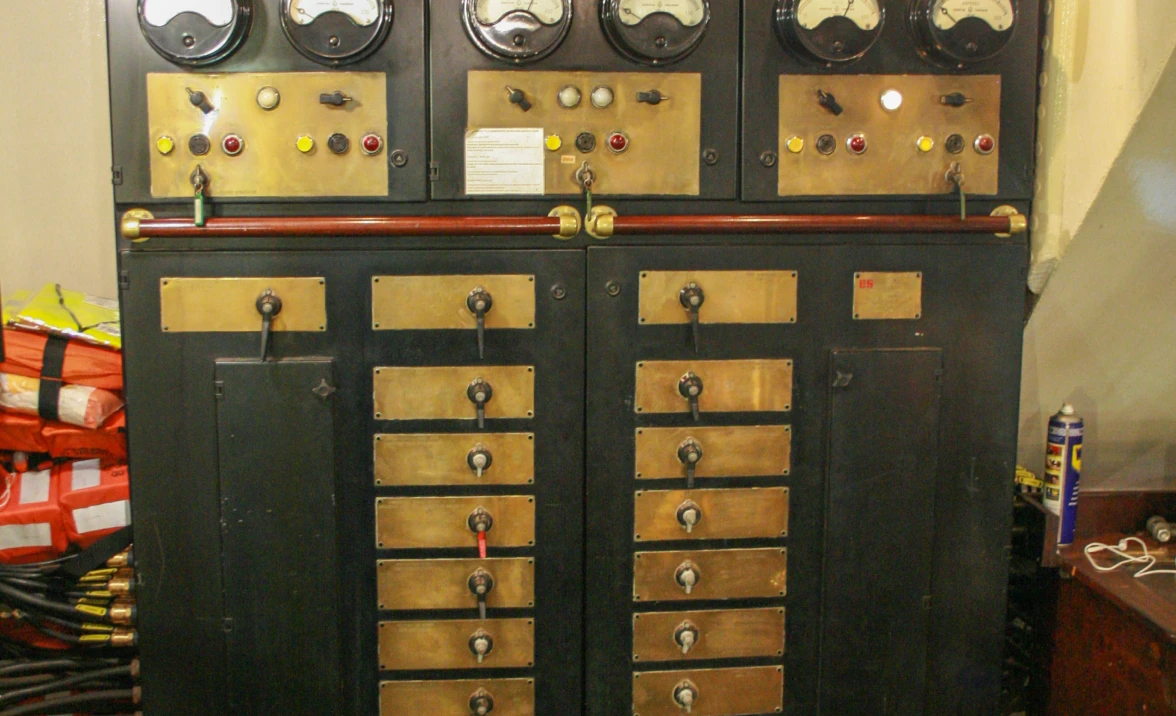
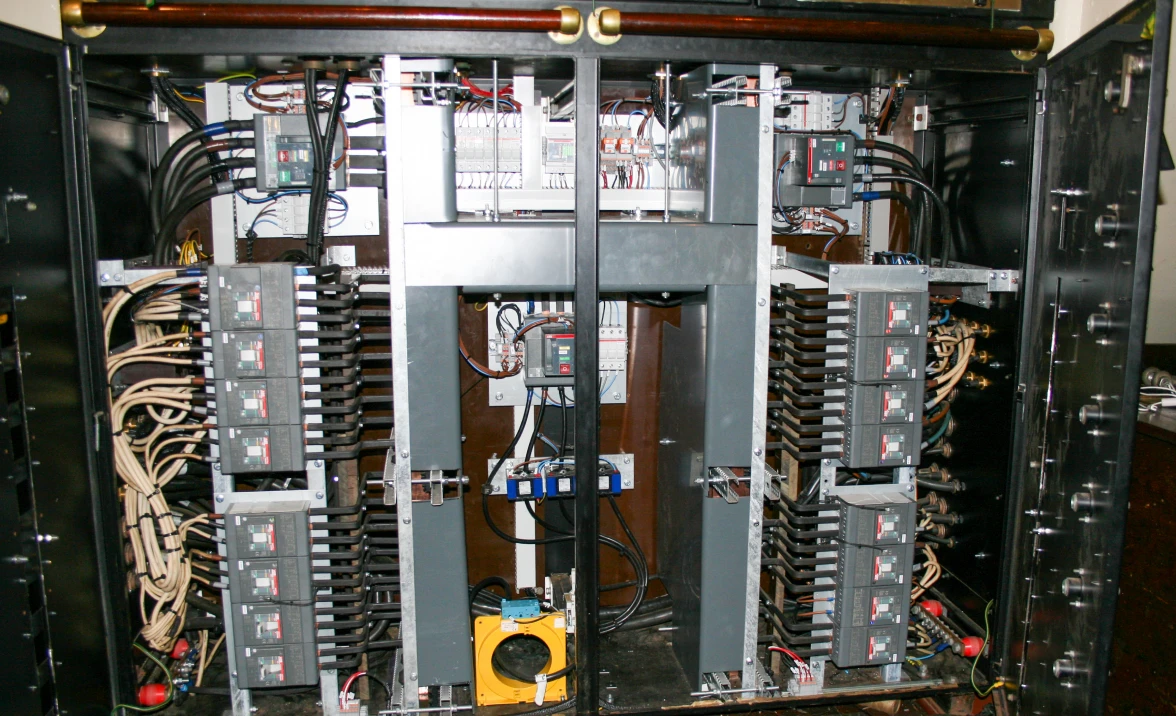
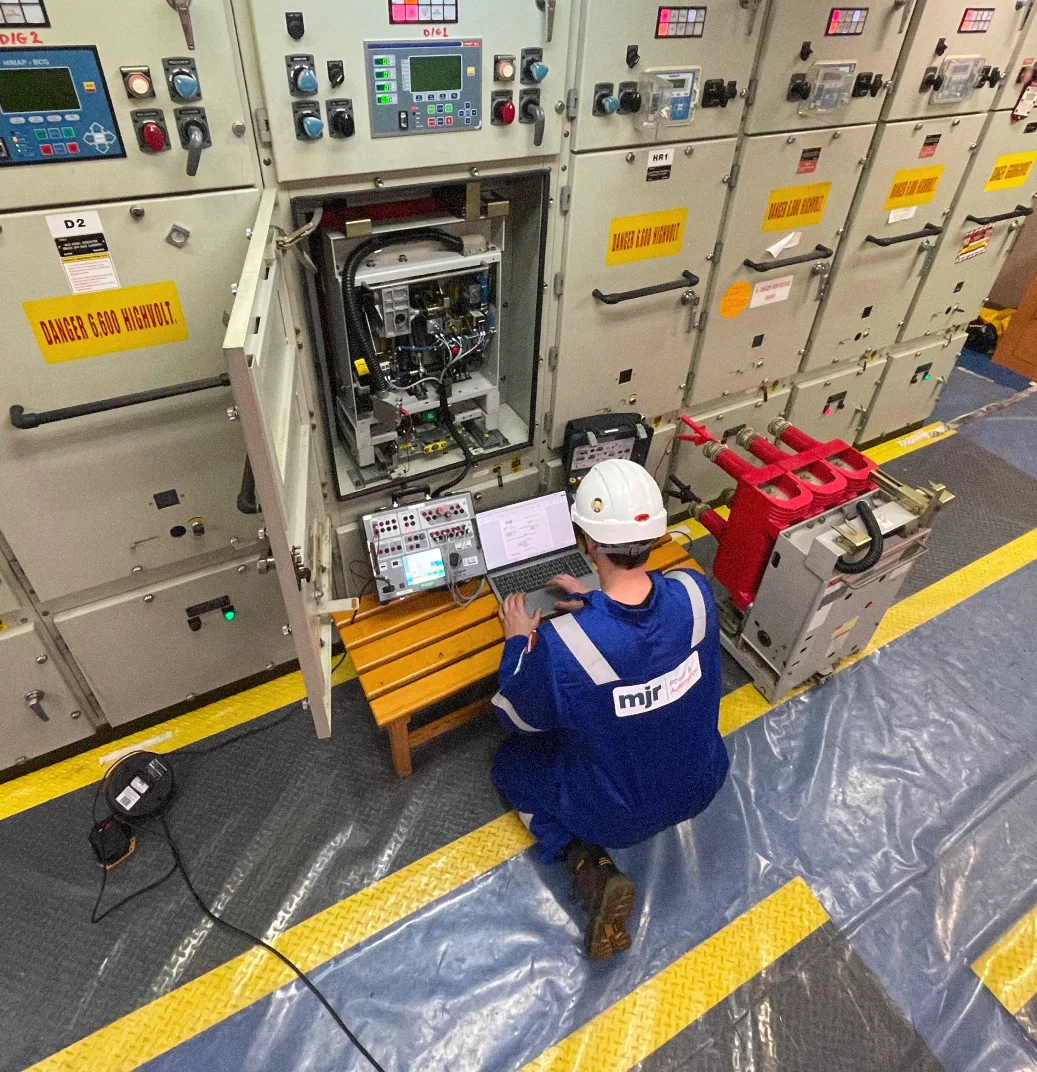
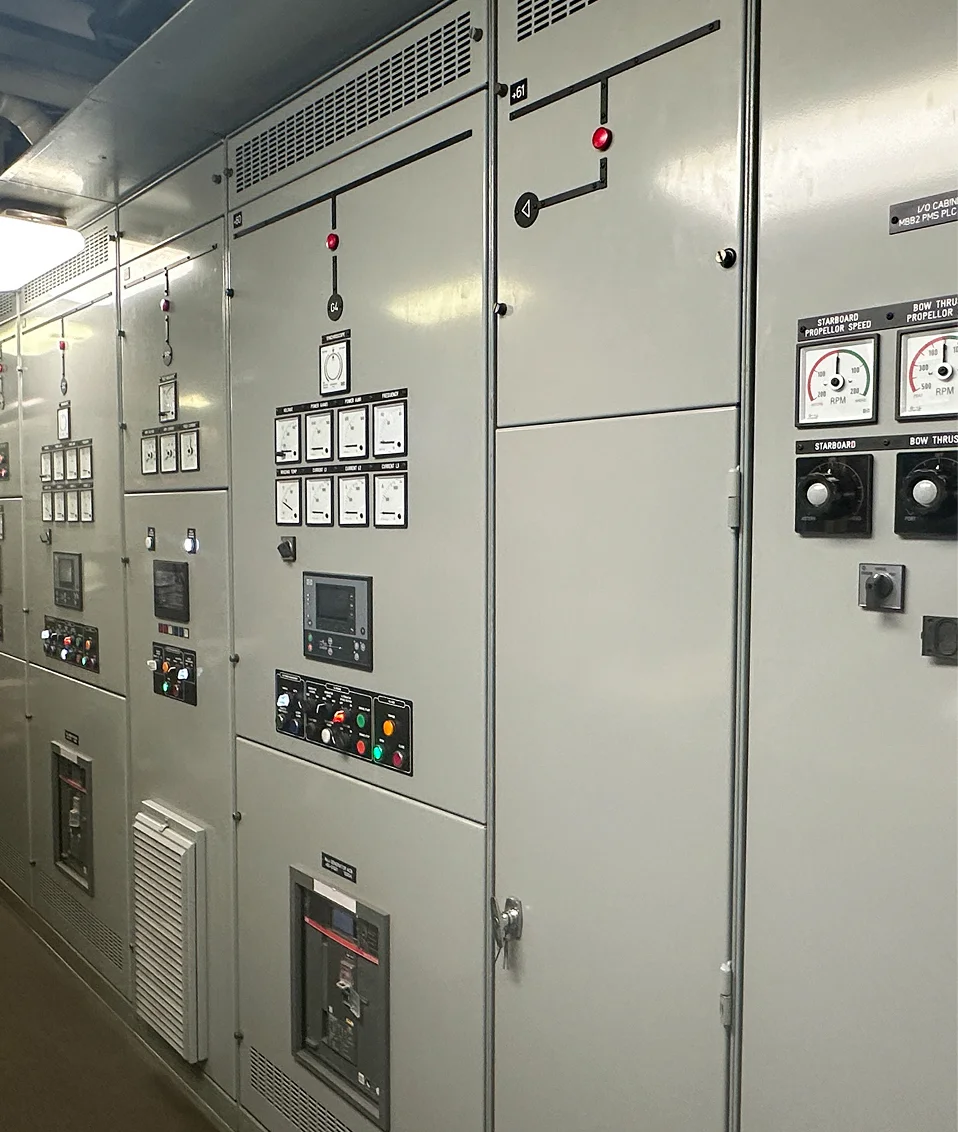
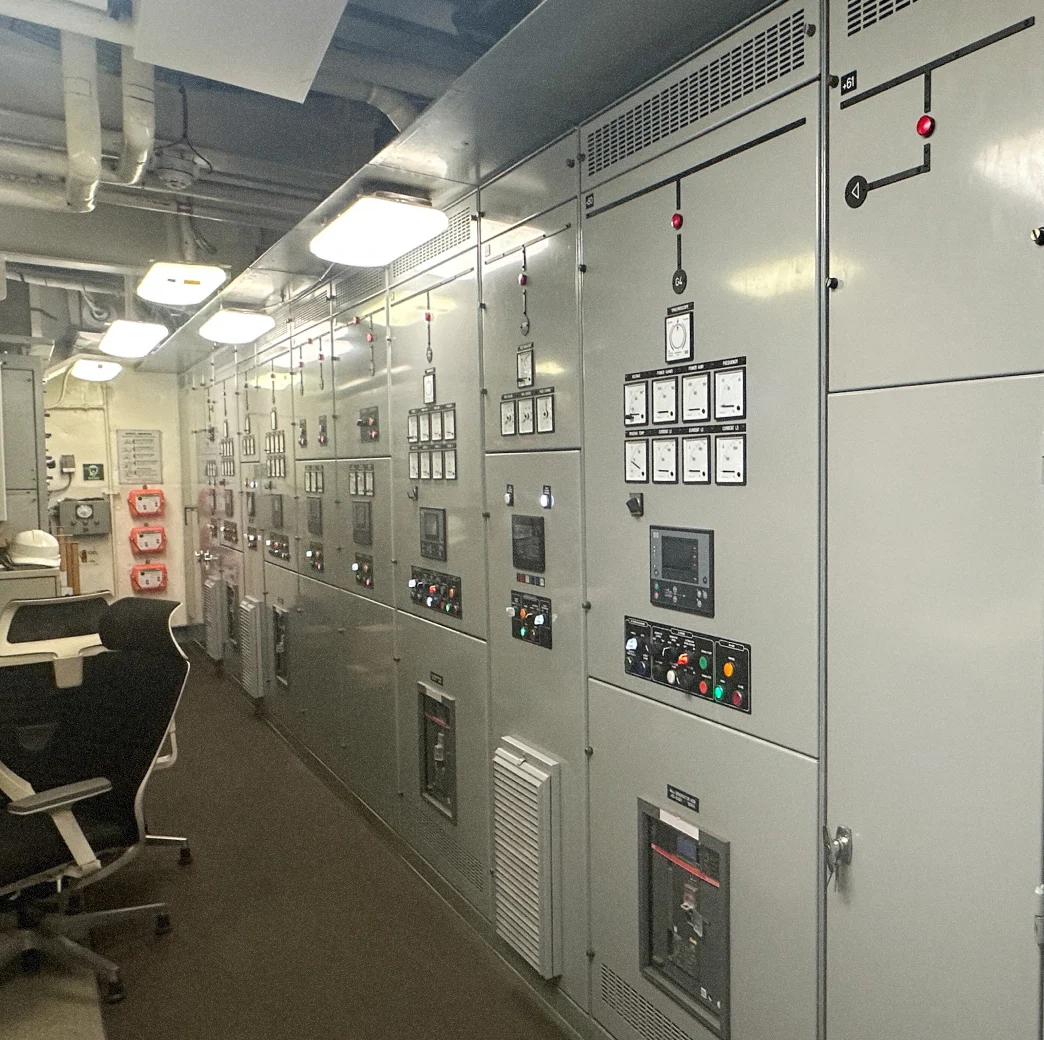
The centrepiece was the main switchboard. Everything behind the panel was replaced with a modern AC switchboard, new power management and a new emergency switchboard, while the exterior character of the vessel was preserved, with the original dials and meters retained on the face. MJR Power & Automation also supervised the boiler room rewire during the boiler replacement and added a harbour generator arrangement to the existing shore supply.
Project significance Most electrical retrofits are constrained by space, budget or programme. This one was constrained by the obligation not to change the ship’s historic features. A modern switchboard had to fit inside the panel space of the original, and every existing circuit had to be traced before it could be replaced, because there is no reliable record of a ship that has been running and altered since 1947.
The challenge
The panel face could not change.
The exterior character of the vessel, including the original dials and meters, had to be retained. That means a modern AC switchboard designed to fit behind a fixed façade rather than a façade designed around modern equipment.
Existing panel space, not new panel space.
The replacement had to integrate with the space available. On a preserved vessel there is no option to extend into an adjacent compartment, and no appetite for altering the structure to suit the switchgear.
Every circuit had to be traced first.
All existing wiring had to be traced in order to retain the vessel's original features. On a ship in service since the 1940s and modified repeatedly since, that is slow, careful work with no shortcut.
Boilers coming out, cables in the way.
The boiler replacement required a significant number of cables to be removed simply to create the space to get the old boilers out and the new ones in — so the electrical works were on the critical path of a mechanical job.
A passenger ship with a season to meet.
Waverley operates seasonally. Work of this kind happens in the winter and has to be finished for the excursion season, which sets a date that does not move.
Scope of Work
Complete Overhaul of the Power Generation and Electrical System
- Main switchboard upgraded, with all power and controls replaced — a modern AC switchboard integrated behind the vessel's original dials and meters
- New power management system, interfaced to the main generators and the main switchboard, providing automatic paralleling and load sharing through an operator interface
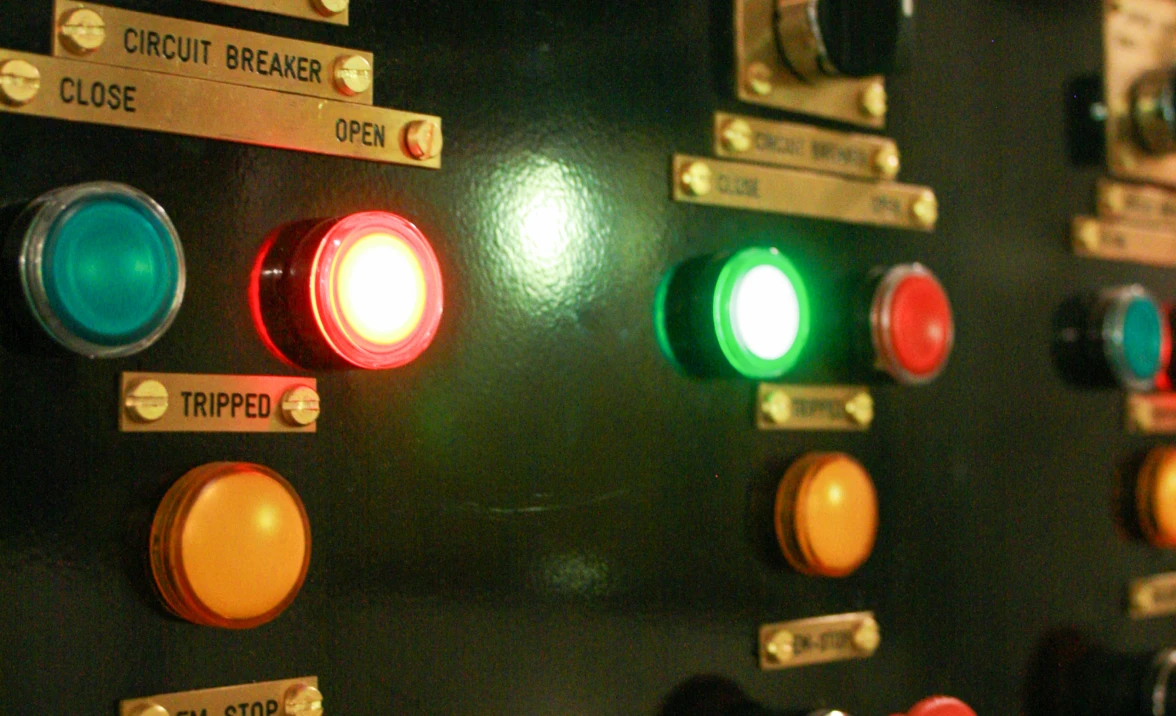
- New emergency switchboard, with blackout starting and auto-connect
- Supervision of the boiler room rewire during boiler replacement, including removal of cabling to create access for the old boilers out and the new boilers in
- Addition of a harbour generator, using the existing shore supply arrangement, with additional equipment and controls to the shore supply switchboard and a changeover switch allowing the incomer to serve either shore supply or harbour generator
Solutions Delivered
The Switchboard — Modern inside, original outside
The main switchboard was upgraded with all power and controls replaced by a modern AC arrangement. The design had to work within the existing panel space and preserve the exterior character of the vessel, so the original dials and meters remain on the face of the board.
This is the part of the project worth dwelling on. A switchboard is normally designed from the inside out — the equipment determines the enclosure. Here the enclosure and its appearance were fixed, and everything else had to be arranged to suit. The source calls the design complex and technically challenging, and on this evidence that is not marketing language.
The Tracing — Finding out what was there
Before anything could be replaced, all existing wiring had to be traced so that the vessel's original features could be retained rather than lost during the works. On a vessel of Waverley's age and history, that means establishing what every circuit does by following it, rather than by consulting a drawing that may no longer be accurate.
The Power Management — Automatic paralleling and load sharing
A new power management system was installed, interfaced to the main generators and the main switchboard, providing automatic paralleling and load sharing through an operator interface. What was previously a manual operation carried out by the engineers is now managed by the system.
The Harbour Generator — Power alongside without the main plant
A harbour generator arrangement was added using the existing shore supply infrastructure, with additional equipment and controls fitted to the shore supply switchboard and a changeover switch allowing the incomer to be used for either shore supply or the harbour generator.
The practical effect is that the vessel can be powered alongside without running her main plant and can take shore power where it is available, which reduces fuel use, emissions and noise in port.
Delivery & Approval
Quote — Paul Cairns, Managing Director, MJR Power & Automation:
"This was a very unique project and required intricate design skills to develop a working solution that would integrate with existing panel space whilst also tracing all existing wiring to retain the vessel's original features. It is great to see this iconic vessel, bursting with history, set sail again."
Technical Summary
- Vessel PS Waverley — the world's last seagoing passenger paddle steamer
- Operating history Firth of Clyde services until withdrawal in 1973; returned to service 1975
- Since restoration Over 6 million passengers from more than 60 UK ports
- Engaged by ABB Marine & Ports
- Sector Commercial Marine — passenger
- MJR scope Complete overhaul of power generation and electrical system
- Main switchboard Modern AC switchboard, all power and controls replaced
- Heritage constraint Original dials and meters retained; existing panel space; all wiring traced
- Power management Automatic paralleling and load sharing via operator interface
- Emergency switchboard Blackout starting and auto-connect
- Boiler room Rewire supervised during boiler replacement
- Harbour generator
Project Outcomes
A modern electrical system inside preserved fabric.
Power, controls and protection brought up to current standards behind a panel face that looks as it always has.
Automatic generator management.
Paralleling and load sharing handled by the system rather than by hand, through an operator interface.
Automatic recovery from blackout.
A new emergency switchboard with blackout starting and auto-connect, on a vessel carrying passengers.
Power alongside without the main plant.
A harbour generator and shore supply changeover arrangement reducing fuel, emissions and noise in port.
The vessel's original features retained.
Achieved by tracing existing wiring rather than stripping and starting again.
The last seagoing paddle steamer back in service.
Carrying passengers around the UK coast for another generation.
Gallery
Share your vessel, equipment and interface requirements with MJR.
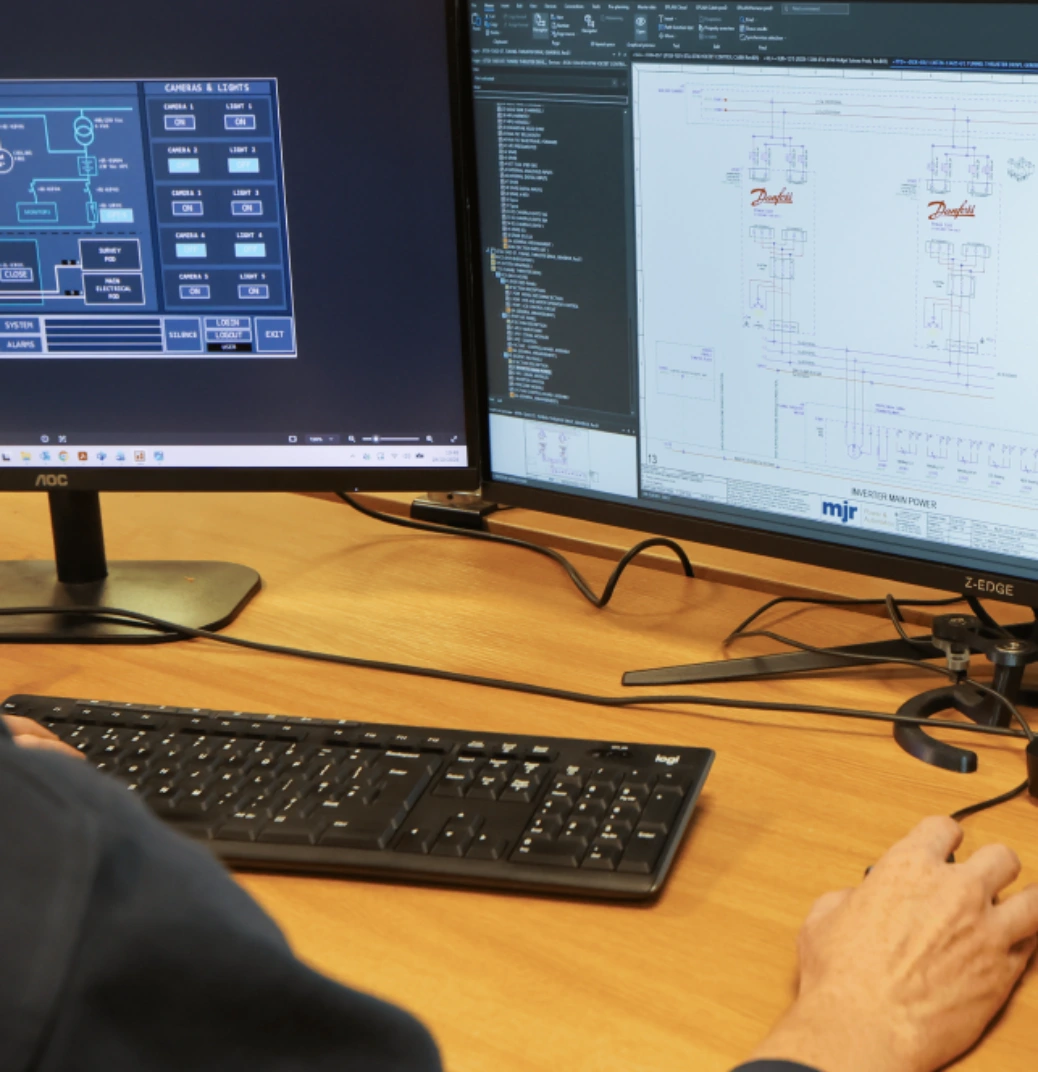
Marine electrical design, FEED studies, calculations and system engineering developed around vessel, offshore and project requirements.
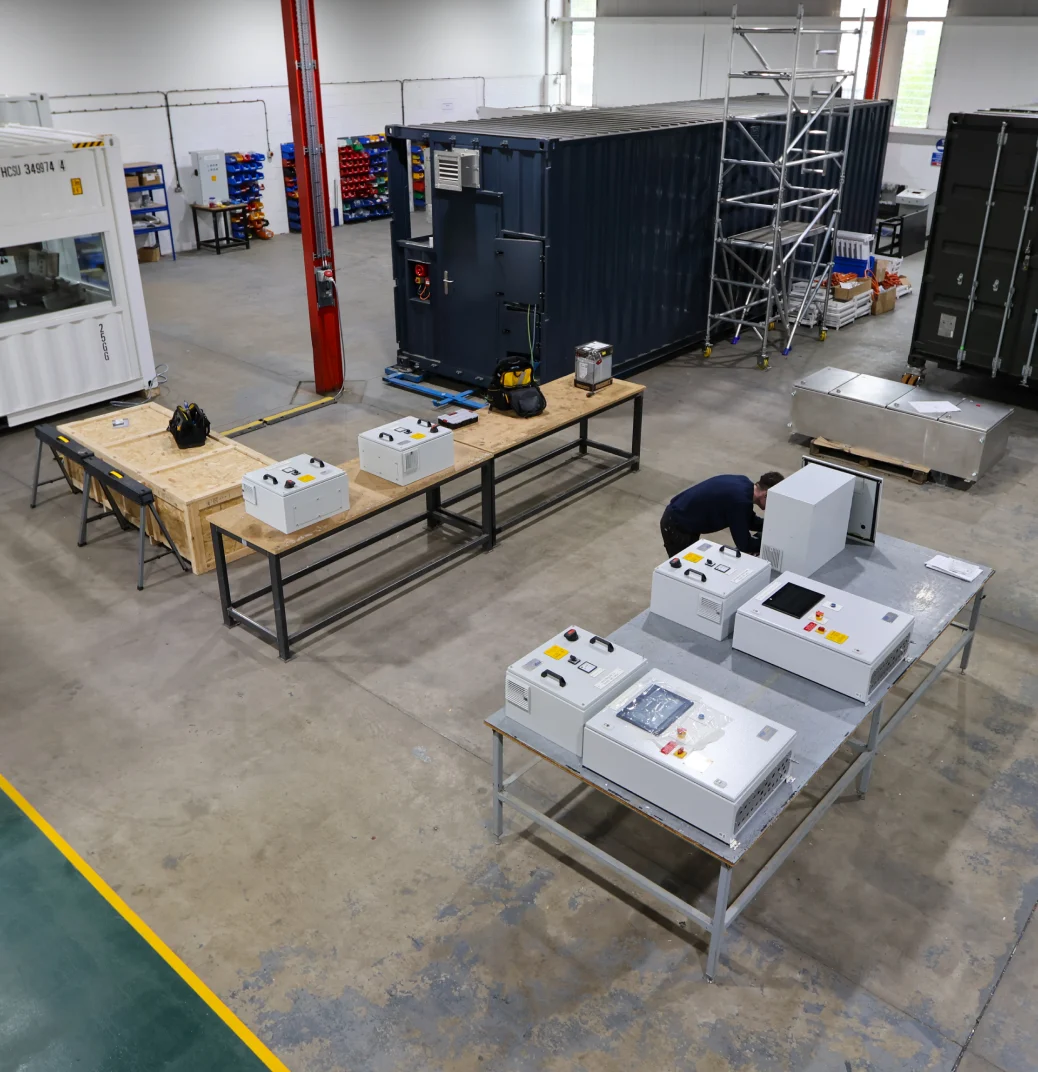
Integrated electrical power, switchboard, control and automation systems engineered, built and tested for demanding marine and offshore applications.
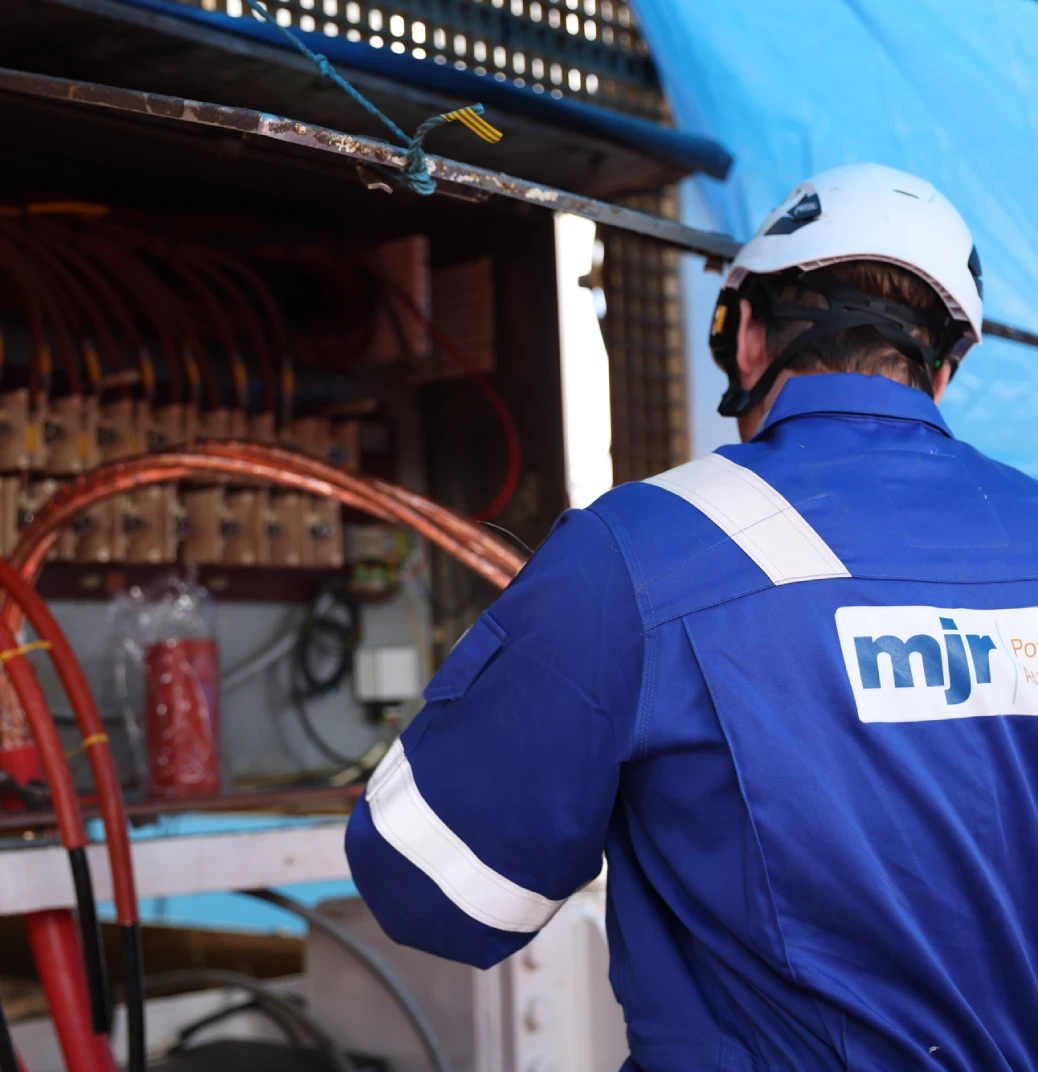
Marine electrical installation, onboard integration, vessel commissioning and functional testing through to technical handover.
Marine electrical service, fault-finding, repair, testing, retrofit and lifecycle support for vessels and offshore assets.
Marine power distribution systems covering generation, switchboards, power management systems, load sharing, protection and electrical distribution.
Marine automation systems integrating PLC, DCS, HMI, alarm monitoring, data logging, power management and vessel or offshore control.
Sectors we are Powering
Follow MJR project updates, company news and technical insight covering marine electrical engineering, automation, shore power, offshore vessel charging and vessel electrification.
Show how MJR designs, installs, commissions and supports product systems.
Relevant Project Experience
Explore MJR projects involving vessel automation, monitoring, control and power management across newbuild, retrofit and upgrade programmes.
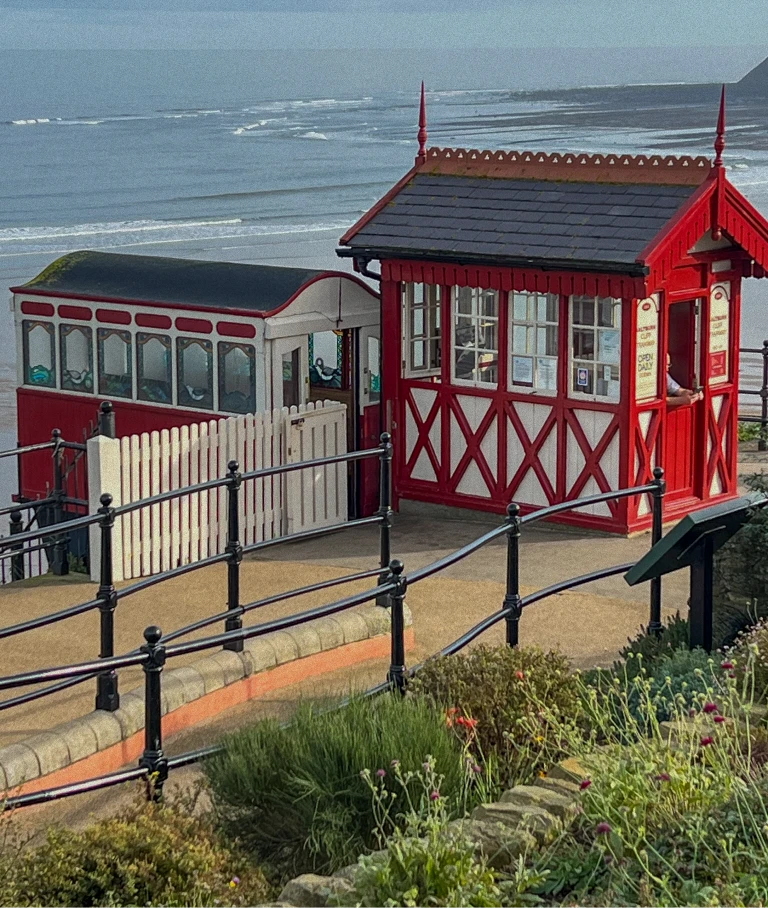
Safety-compliant PLC controls across five stations and trams, linked by industrial WiFi.
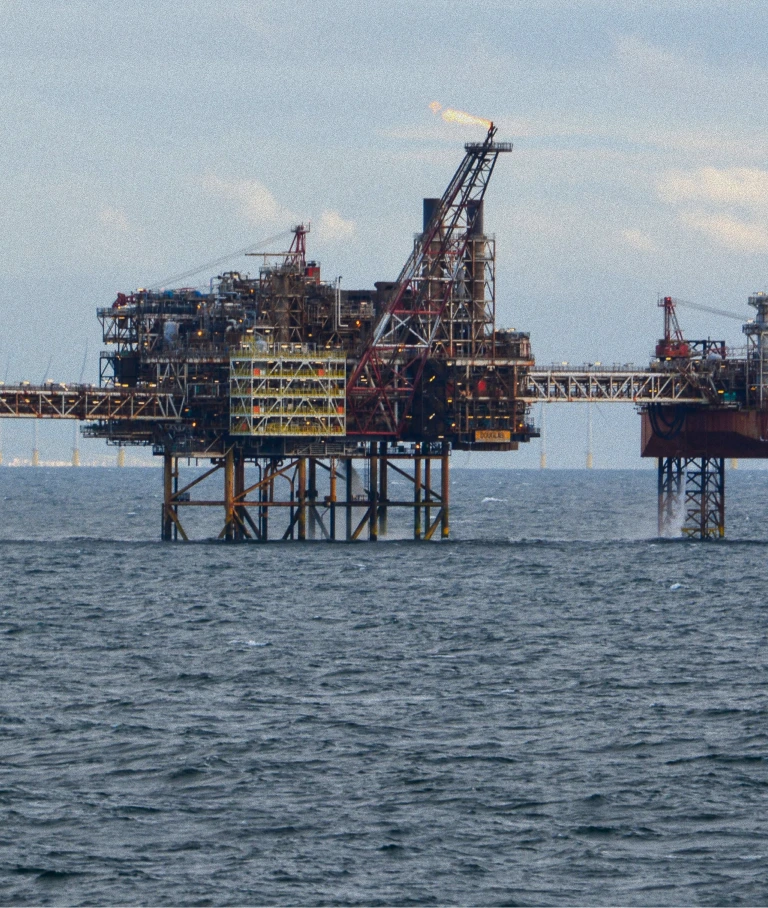
VFD Switchboard Replacement for Downhole Pumps — Delivered in a Shutdown Window
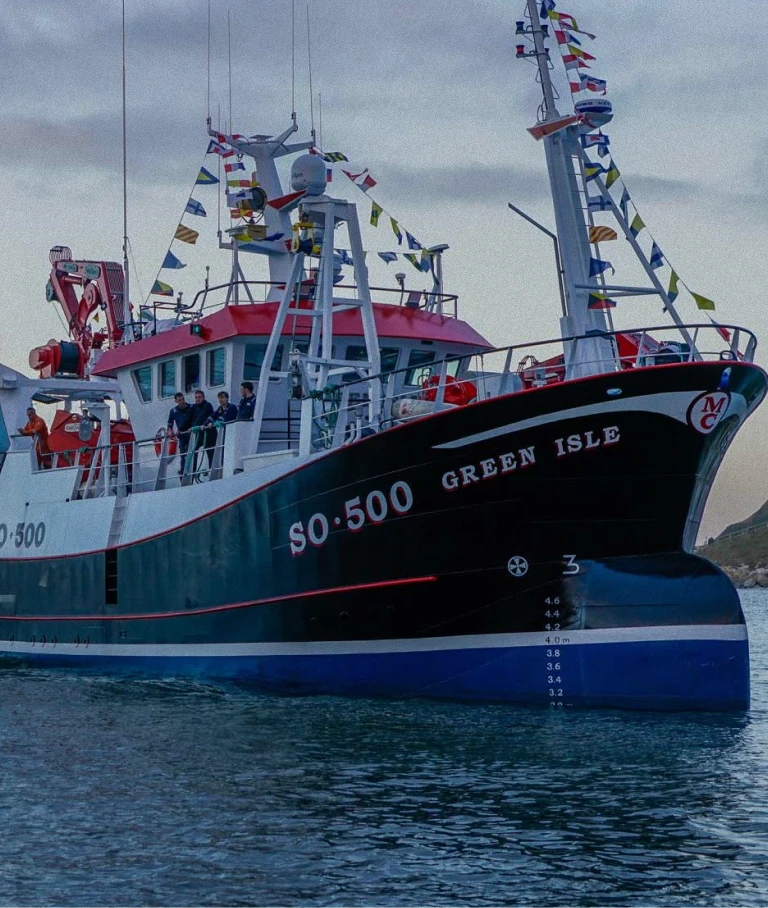
Complete Main and Auxiliary Power Plant for a 22.2m New Build Trawler

Dredger Life Extension — Power, Propulsion, Dredging & Automation
The Questions We Get Asked Most
Find answers to common questions about the project, including the systems involved, engineering approach, technical challenges and how the solution was delivered.