Havilla Phoenix Power, Electrical and Controls Upgrade Project
Power Systems Upgrade for Heavy Deck Equipment — Design & Project Management
Project Overview
MJR Power & Automation delivers extensive power system upgrade for Deep Ocean’s multi-role offshore construction vessel Havilla Phoenix
Turnkey electrical design and project management for a vessel lengthening and power systems conversion, supporting a 2.4MW trenching tractor, a 2000Te carousel and a new 690V heavy consumer switchboard.
Delivering complex subsea construction work cost-effectively depends on having vessels and equipment capable of doing more per day at sea. DeepOcean invested in upgrading Havilla Phoenix, its multi-role offshore construction vessel, with some of the most advanced and powerful back deck equipment then available. Equipment whose electrical demand exceeded anything the vessel had been built to supply.
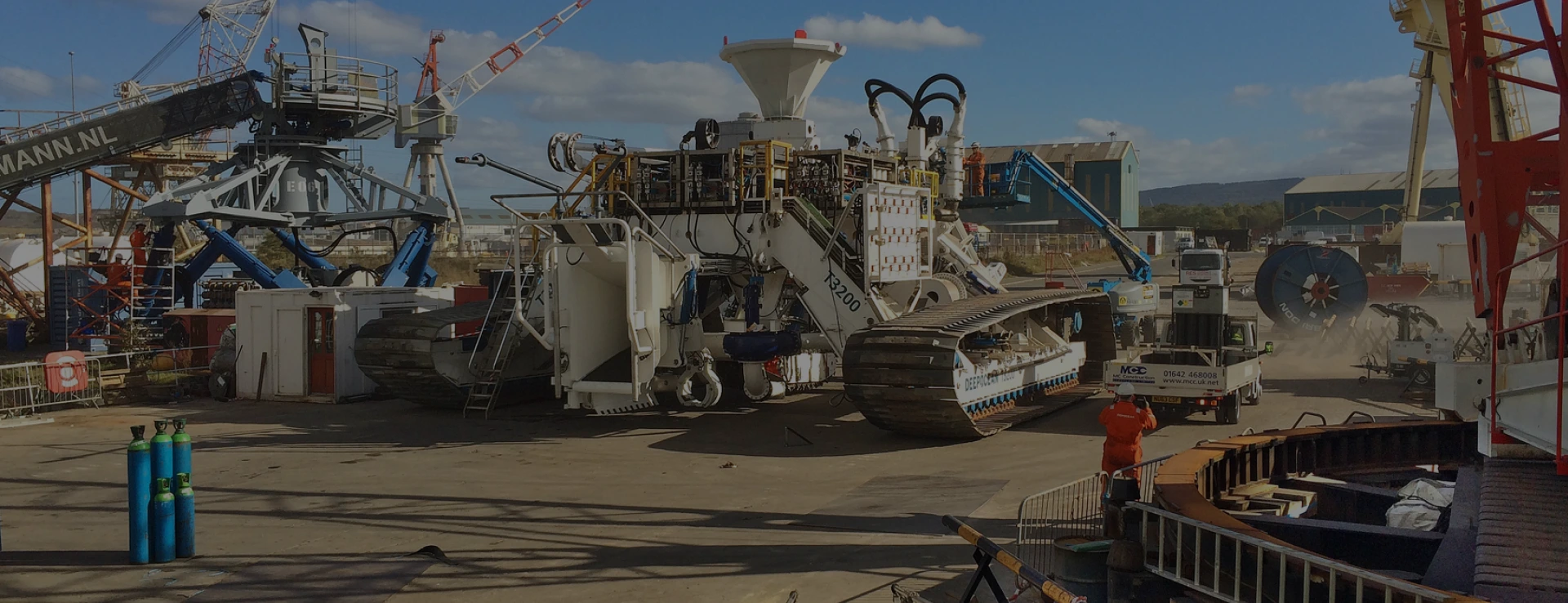
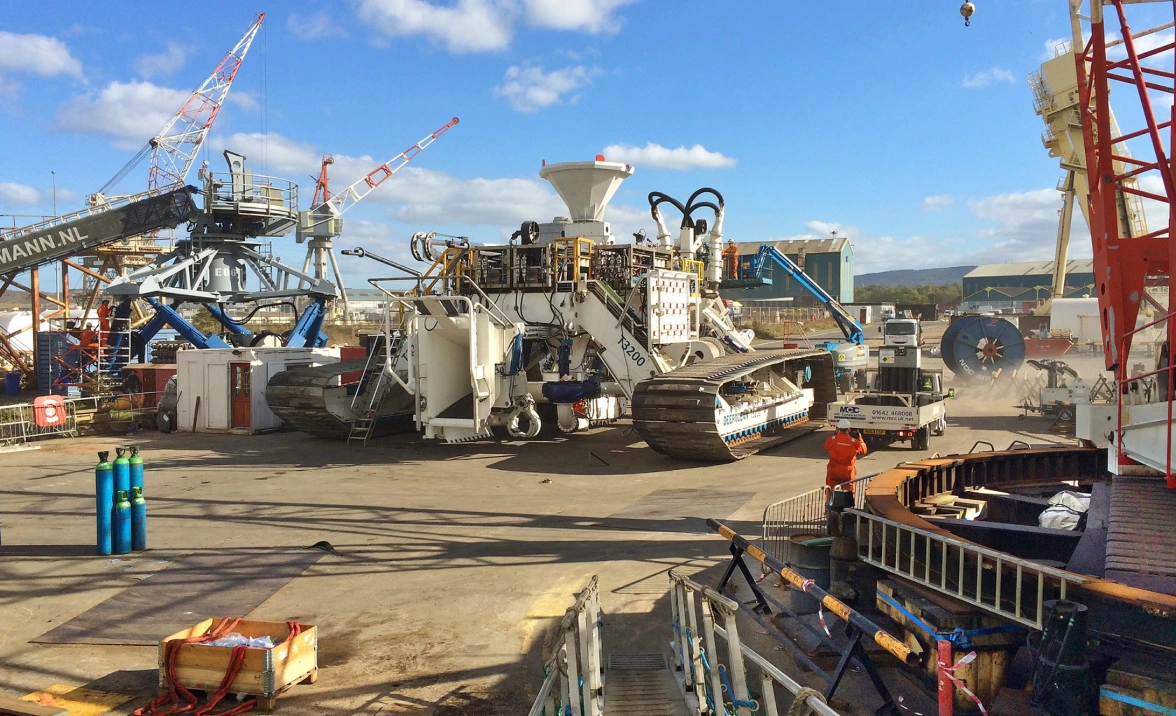
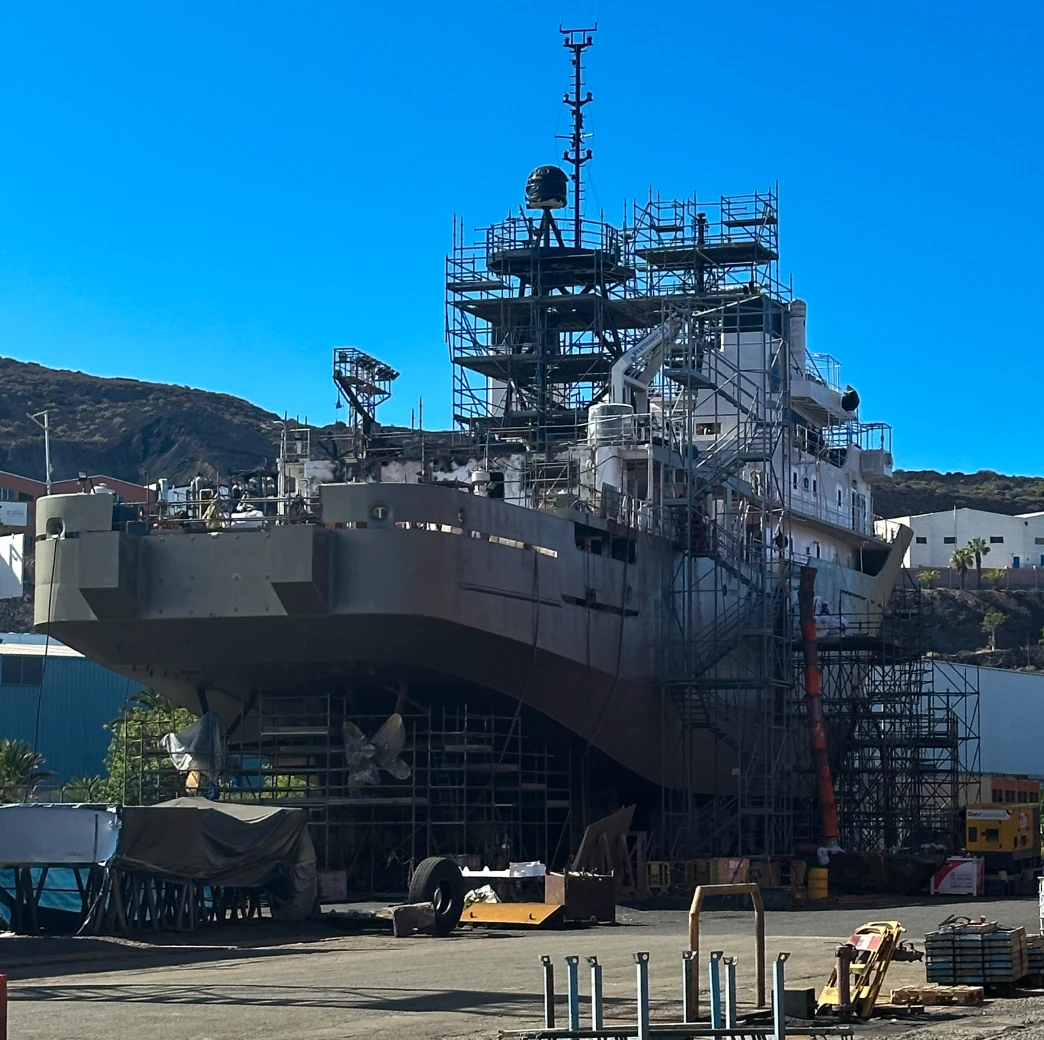
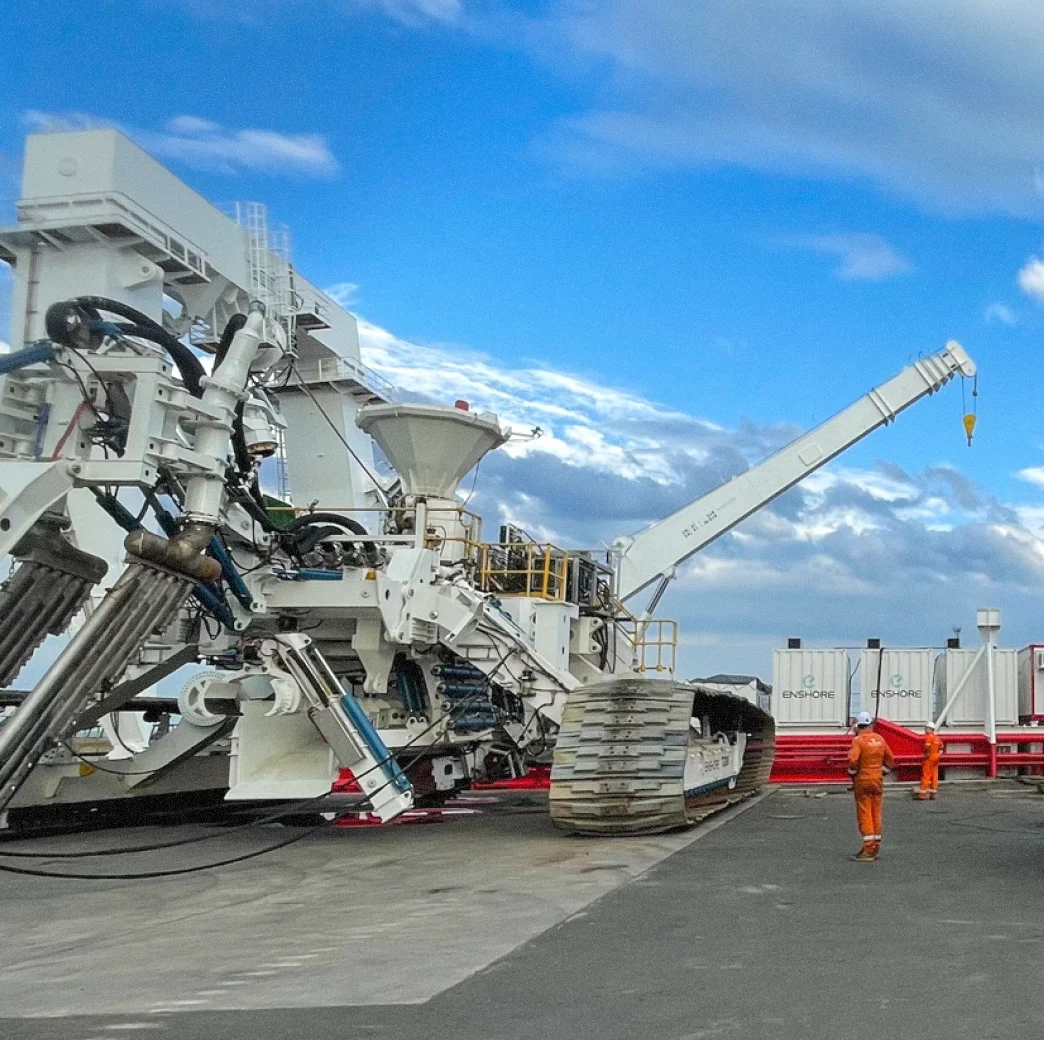
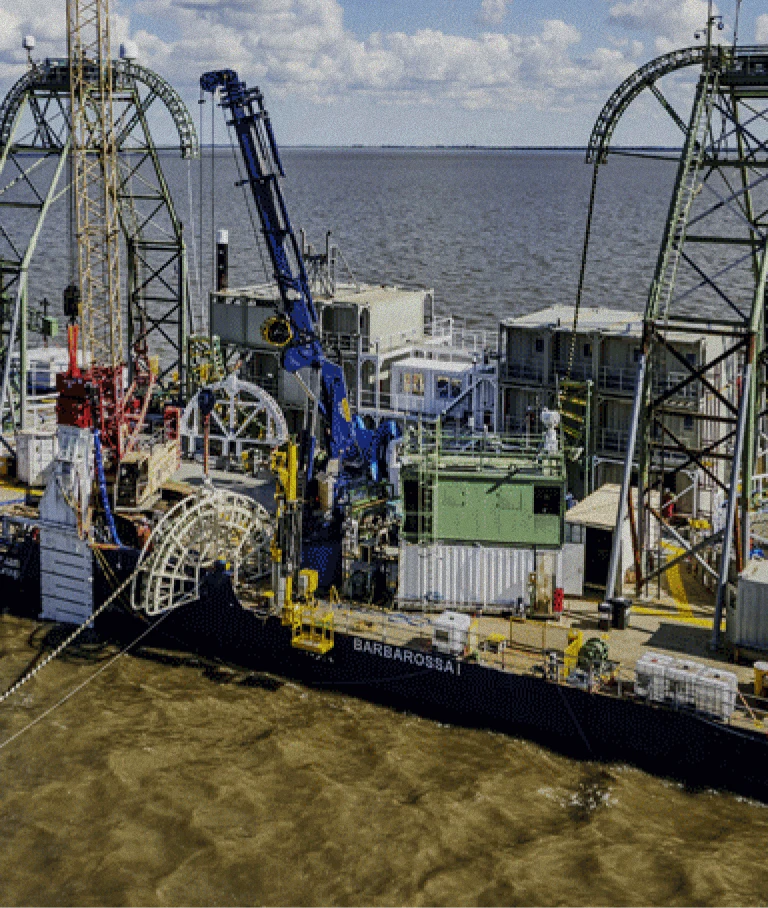
To accommodate the spread, the vessel was lengthened by 17.5 metres at Havyard Ship Technology's shipyard in Leirvik, Norway, and underwent a major power systems upgrade. The equipment it had to support comprised a 2000Te 280kW carousel, a T1000 750kW trenching tractor, a T3200 2.4MW trenching tractor, described at the time as the world's most powerful trenching vehicle, and a new 690V 2 x 2500A heavy consumer deck equipment switchboard.
MJR Power & Automation provided turnkey design and project management services for the electrical conversion. MJR electrical engineers spent five months working between DeepOcean's Darlington office and Leirvik, supporting DeepOcean's engineering team and overseeing the shipyard as the work was carried out. MJR was responsible for the power distribution design across six voltage levels and for taking every modification through DNV class approval and certification.
Project significance Havilla Phoenix is a dynamically positioned vessel. Drawing megawatts off its power plant to run a trencher is not simply a distribution problem. It directly affects what the vessel has left for station keeping. Designed carelessly, a back deck upgrade degrades the vessel's ability to hold position, which is the capability the whole spread depends on. That is the reason this scope needed a power systems engineer rather than a cable contractor.
The challenge
Powering the World's Most Powerful Trencher Without Compromising the Vessel
Heavy consumers on a dynamically positioned vessel.
Havilla Phoenix holds position on its thrusters using the same power plant that now had to run a 2.4MW trencher alongside a 750kW trencher and a 280kW carousel. Load of that magnitude has to be designed in with the vessel's station keeping requirement understood, or the upgrade degrades the capability it exists to support.
Six voltage levels in one distribution design.
The upgraded system spans 3.3kV, 1kV, 690V, 440V, 230V and 110V networks. Each interacts with the others through transformers and protection, and the whole has to be coordinated as a single design rather than six separate ones.
Protection that has to discriminate.
With heavy intermittent consumers on the same system as vessel services, protection selectivity matters enormously. A fault on the back deck must not trip supplies the vessel needs to keep station, which requires full short circuit and coordination studies rather than component-level protection settings.
A vessel being physically lengthened at the same time.
The 17.5 metre lengthening changed the vessel itself while the electrical conversion was being designed and executed, so cable routes, penetrations and equipment locations were all moving targets within a live shipyard programme.
Class approval for every modification.
DNV approval and certification was required across all modifications. On power system changes to a DP vessel that is a substantial body of evidence, and it has to be built into the design from the start rather than assembled afterwards.
Working through someone else's yard, in another country.
The physical work was carried out by Havyard's shipyard in Norway. MJR Power & Automation's role was to design it, get it approved, and make sure what was built matched what was designed, from an office in Darlington and on site in Leirvik.
Scope of Work
Turnkey Electrical Design, Class Approval and Project Management
Scope of supply:
- Power distribution system design for 3.3kV, 1kV, 690V, 440V, 230V and 110V networks
- Load analysis
- Short circuit calculations
- Protection studies including selectivity and coordination analysis
- Design of clear-coms, data, CCTV, lighting and fire detection systems
- Design and specification of the power management system interface to deck equipment heavy consumers
- Design of cable management systems, cable penetrations and cable schedules
- DNV approval and certification of all modifications
Delivered alongside five months of on-site project management between DeepOcean's Darlington office and the shipyard in Leirvik, followed by a riding squad passage and full UK mobilisation.
Solutions Delivered
The Design — Six networks, coordinated as one system
MJR Power & Automation designed the vessel's upgraded power distribution across 3.3kV, 1kV, 690V, 440V, 230V and 110V networks, supported by load analysis, short circuit calculations and protection studies covering selectivity and coordination. Coordination is what ensures a fault clears at the nearest device rather than tripping something further upstream — on a vessel where the upstream supply is holding station, that distinction is the difference between a nuisance and an incident.
The design scope also covered the vessel's clear-coms, data, CCTV, lighting and fire detection systems, and the cable management systems, penetrations and schedules that carry all of it through a hull that was being lengthened at the same time.
The Interface — Power management for heavy consumers
MJR designed and specified the interface between the vessel's power management system and the deck equipment heavy consumers. This is where the vessel's power plant and the back deck spread negotiate with each other , the mechanism by which the trenchers and carousel draw what they need without taking more than the vessel can give.
The Oversight — Five months between Darlington and Leirvik
Our electrical engineers spent five months working between DeepOcean's Darlington office and the shipyard in Leirvik, supporting DeepOcean's engineering team and overseeing Havyard as the electrical conversion work was carried out. Design authority sitting alongside the client and present at the yard is what keeps a conversion of this complexity matching its drawings.
The Riding Squad and Mobilisation — Finishing the job at sea and at home
After the vessel was re-delivered from the conversion, MJR Power & Automation supplied a multi-disciplined riding squad to sail with her back to the UK, installing HV cabling from the container garage to the equipment junction boxes during the passage in preparation for mobilising the T3200 spread. Using the transit as working time rather than dead time compressed the overall programme.
Once back in the UK, MJR carried out the full mobilisation, delivering 1,040 zero incident man hours in this final phase.
Delivery & Approval
All modifications were approved and certified by DNV. The vessel was re-delivered from Havyard's yard following the conversion, sailed to the UK with MJR engineers aboard, and the T3200 spread was mobilised in the UK to complete the project.
Quote — Paul Cairns, Managing Director, MJR Power & Automation:
"Electrical power systems upgrades on sophisticated diesel electric, dynamically positioned vessels on this scale require extensive experience. Taking large amounts of power from the vessel to power back deck and subsea equipment can affect operability of the vessel and unless designed and planned carefully can adversely affect vessel performance. Also gaining class approval for such modifications is not a trivial matter and requires an in-depth knowledge of vessel power generation, networks and power management systems. The successful delivery of the project further demonstrates MJR's extensive capabilities in the marine electrical power engineering field."
Technical Summary
- Client DeepOcean
- Vessel Havilla Phoenix — multi-role offshore construction vessel, diesel electric, DP
- Sector Offshore Construction & Subsea
- MJR role Turnkey electrical design and project management
- Shipyard Havyard Ship Technology, Leirvik, Norway
- Vessel modification Lengthened by 17.5m
- Equipment supported 2000Te 280kW carousel; T1000 750kW trenching tractor; T3200 2.4MW trenching tractor
- New switchboard 690V 2 x 2500A heavy consumer deck equipment switchboard
- Networks designed 3.3kV, 1kV, 690V, 440V, 230V, 110V
- Studies Load analysis, short circuit calculations, protection selectivity and coordination
- Additional systems Clear-coms, data, CCTV, lighting, fire detection, cable management
- Class DNV — approval and certification of all modifications
- On-site oversight 5 months, Darlington and Leirvik
- Final phase Riding squad passage plus UK mobilisation — 1,040 zero incident man hours
Project Outcomes.
The spread was supported without compromising the vessel.
The upgraded power systems allowed Havilla Phoenix to run a 2.4MW trencher, a 750kW trencher and a 2000Te carousel from a diesel electric plant that also holds the vessel on position.
Every modification class approved.
DNV approval and certification was obtained across all modifications — a substantial evidence exercise on power system changes to a DP vessel.
1,040 zero incident man hours in the final phase.
The UK mobilisation was delivered without a safety incident, which on offshore work is an outcome in its own right and not a footnote.
Transit time used as working time.
The riding squad installed HV cabling during the passage from Norway, so the vessel arrived in the UK already part-prepared for mobilisation.
Design authority maintained throughout.
Five months of MJR engineers embedded between the client's office and the shipyard kept the built conversion matching the approved design.
Gallery

Share your vessel, equipment and interface requirements with MJR.
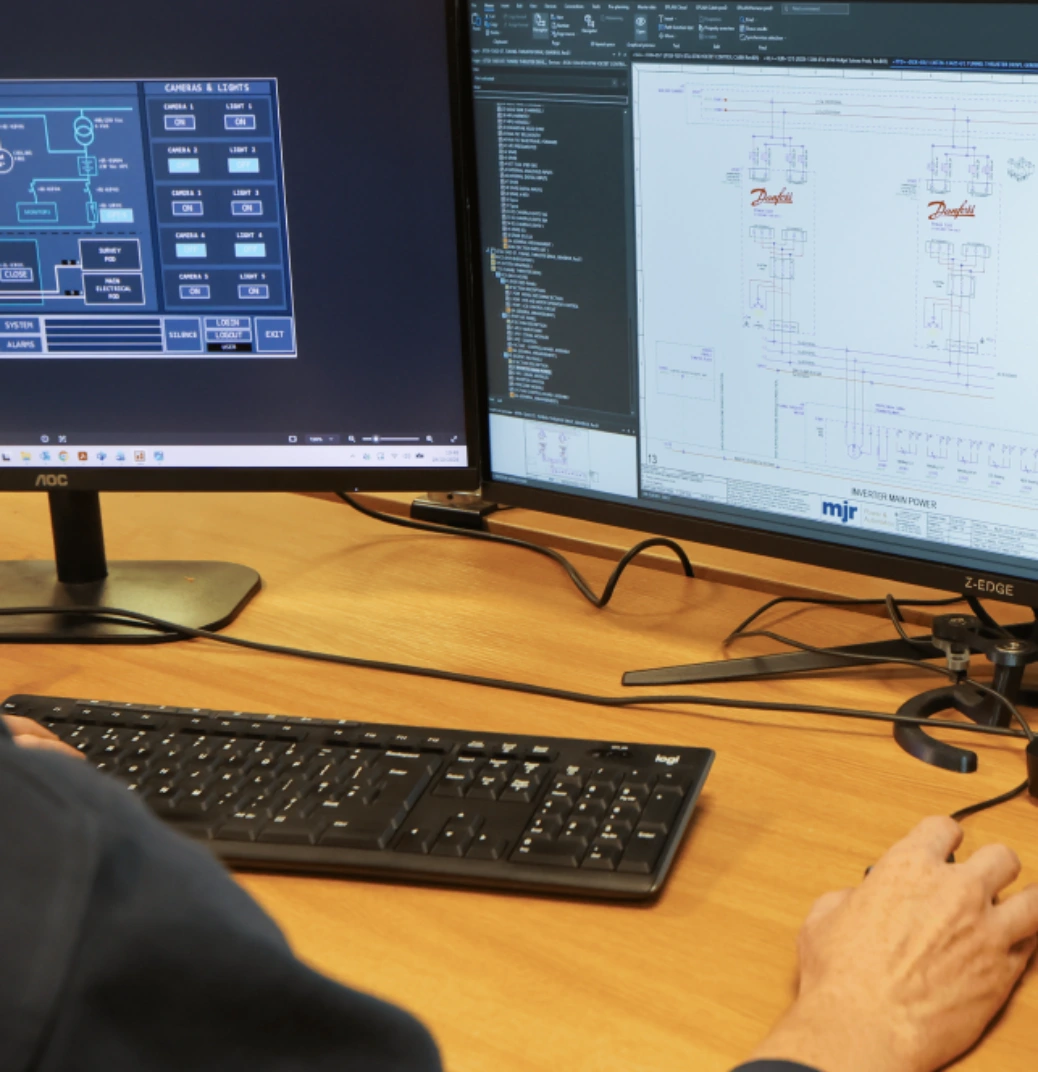
Marine electrical design, FEED studies, calculations and system engineering developed around vessel, offshore and project requirements.
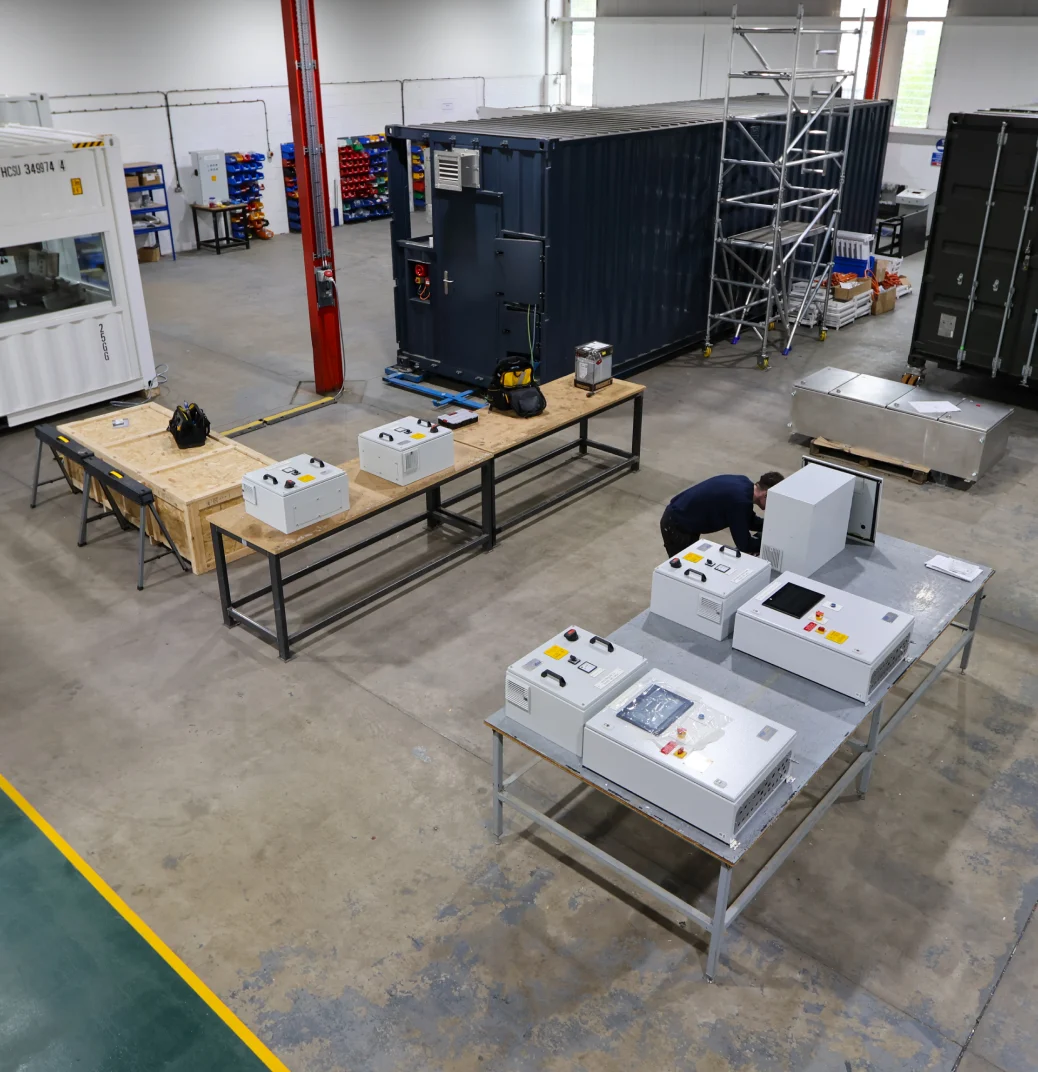
Integrated electrical power, switchboard, control and automation systems engineered, built and tested for demanding marine and offshore applications.
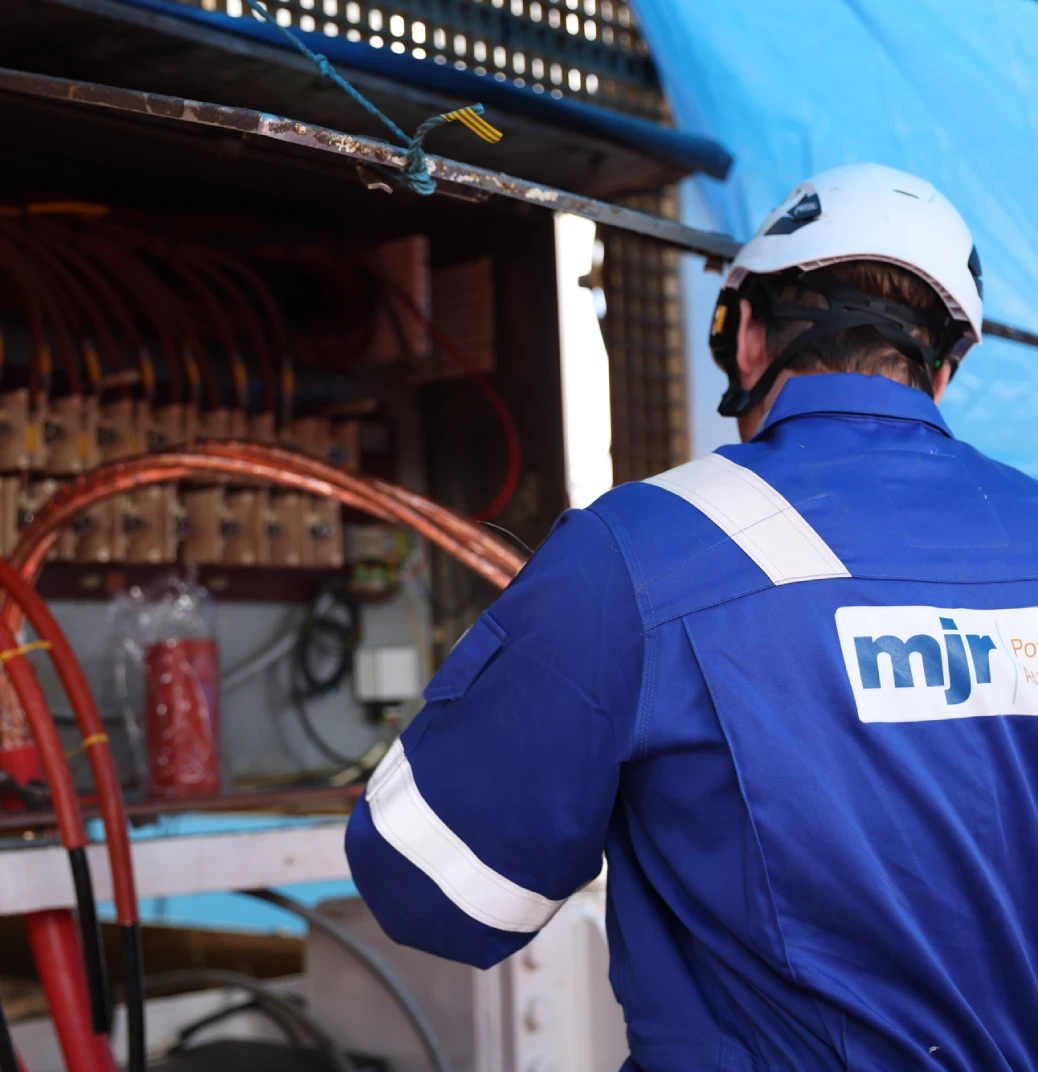
Marine electrical installation, onboard integration, vessel commissioning and functional testing through to technical handover.
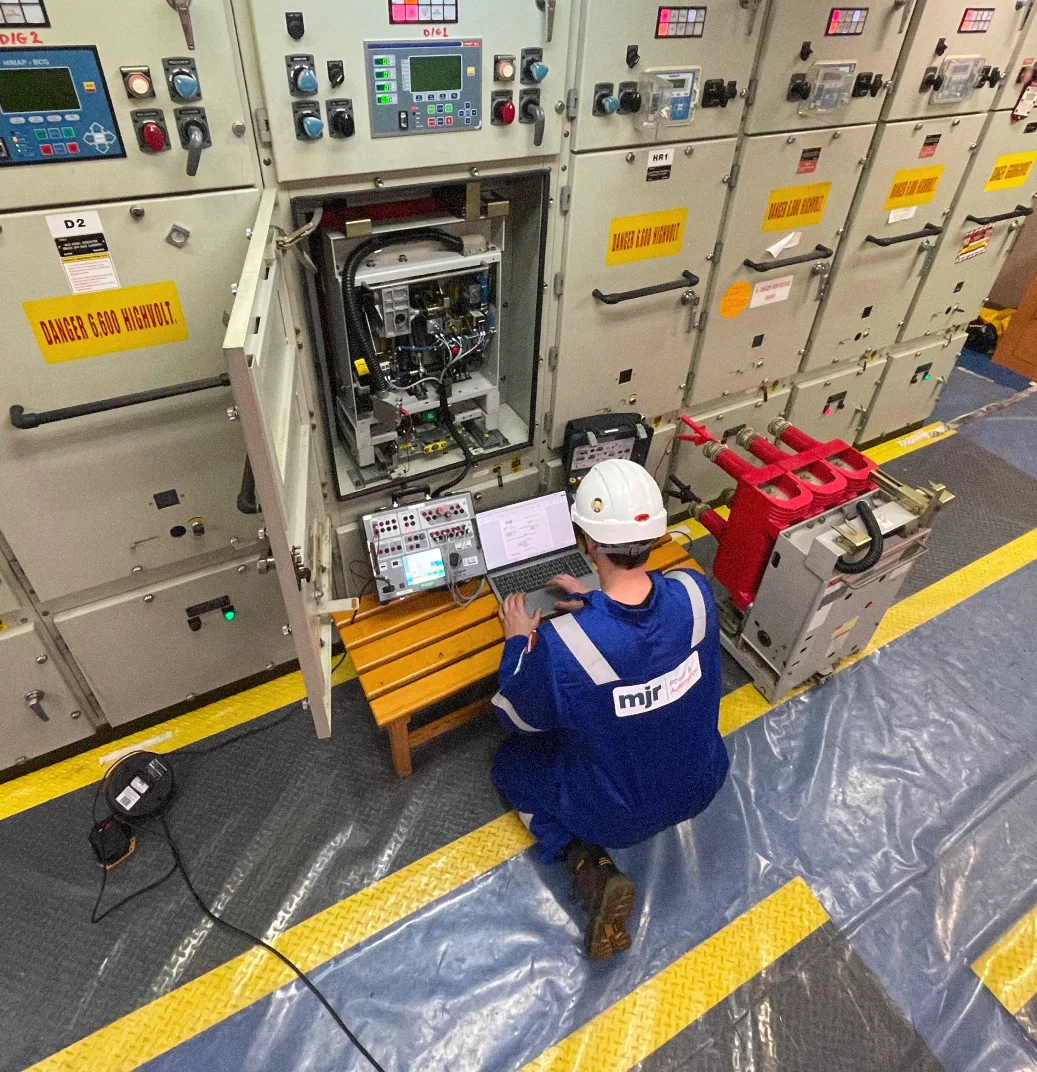
Marine electrical service, fault-finding, repair, testing, retrofit and lifecycle support for vessels and offshore assets.
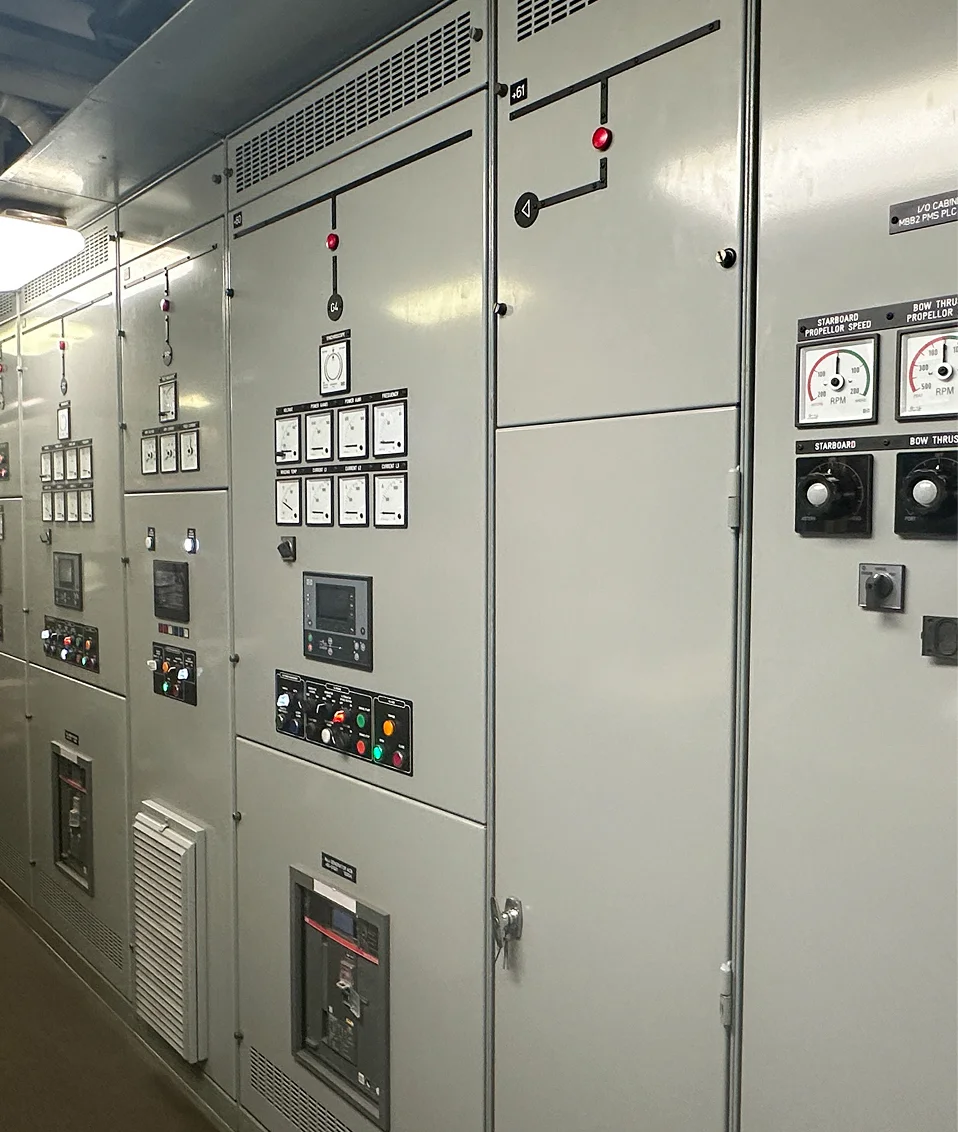
Marine power distribution systems covering generation, switchboards, power management systems, load sharing, protection and electrical distribution.
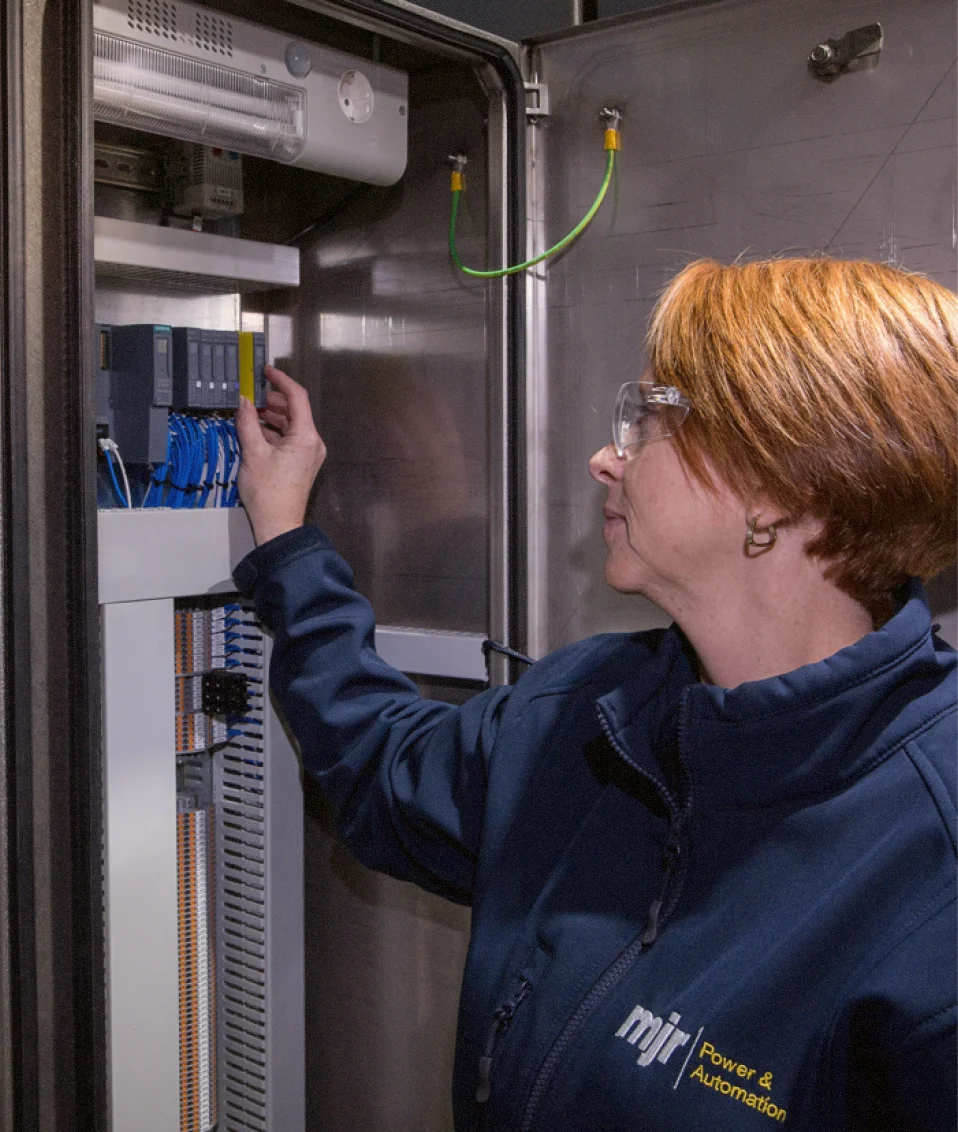
Marine automation systems integrating PLC, DCS, HMI, alarm monitoring, data logging, power management and vessel or offshore control.
Sectors we are Powering
Follow MJR project updates, company news and technical insight covering marine electrical engineering, automation, shore power, offshore vessel charging and vessel electrification.
Show how MJR designs, installs, commissions and supports product systems.
Show how MJR designs, installs, commissions and supports product systems.
Show how MJR designs, installs, commissions and supports product systems.
Relevant Project Experience
Explore MJR projects involving vessel automation, monitoring, control and power management across newbuild, retrofit and upgrade programmes.

Electrical Mobilisation of the World's Most Powerful Subsea Trencher
Deck Winch Constant Tension Control Upgrade & Reactivation
Mobilisation of Deck Equipment and Trenching Spreads — Three Ports, Two Countries

Five-Year Electrical Healthcare and Drive Maintenance — Six Countries, Four Continents
The Questions We Get Asked Most
Find answers to common questions about the project, including the systems involved, engineering approach, technical challenges and how the solution was delivered.