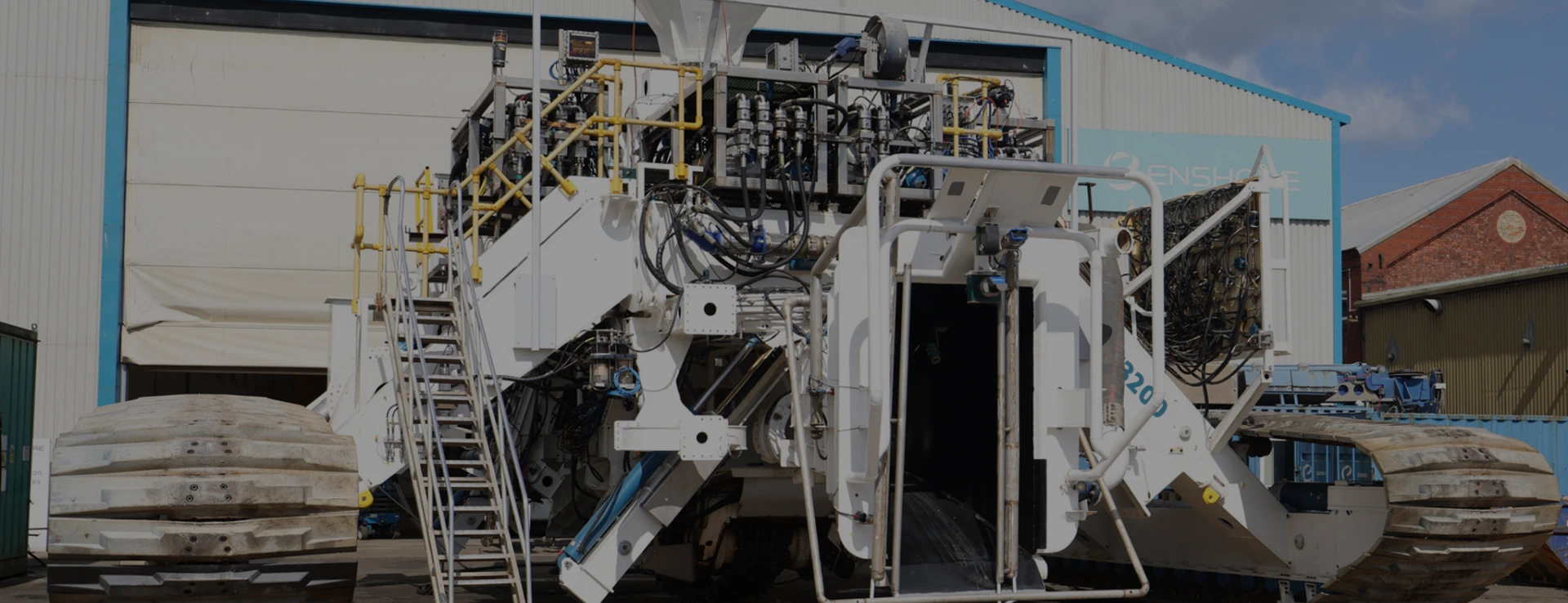
T3200 Trencher Electrical Mobilisation
Electrical Mobilisation of the World's Most Powerful Subsea Trencher
Project Overview
Mobilisation of the World's Largest Subsea Trencher
Turnkey vessel electrical mobilisation of Enshore Subsea's T3200 trencher, including MV/LV cabling termination and containerised switchboards.
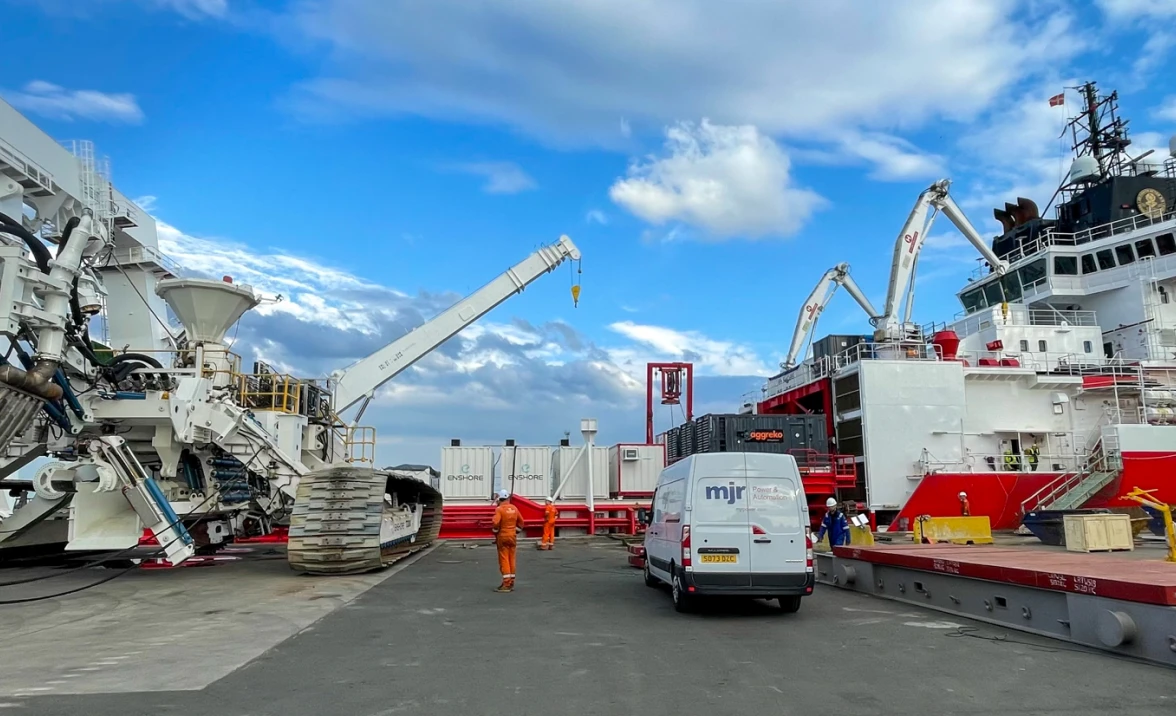
JD Assister is a specialised subsea construction vessel built for a range of roles — deep water anchor handling, rig towing, subsea and ROV support, and general supply and cargo work. Enshore Subsea contracted MJR Power & Automation to provide the electrical mobilisation of their T3200 trenching tractor spread aboard her.
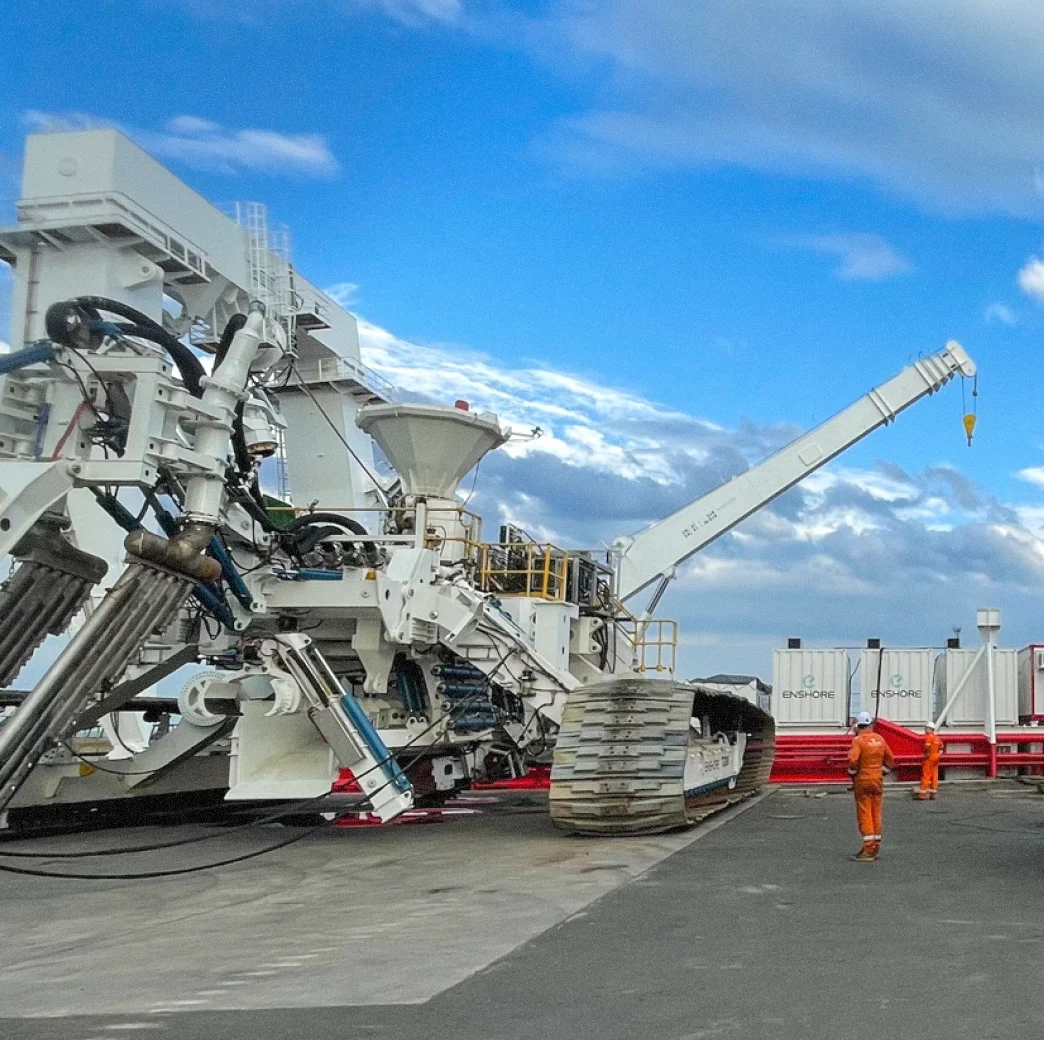
The T3200 is the world's largest and most powerful subsea trencher, drawing 2.4MW. Putting a machine of that size to work from a vessel that was not built around it is an electrical problem before it is anything else: the power has to be generated, synchronised, distributed and delivered to the trencher, and everything the spread needs alongside it, workshops, stores, winches, has to be fed too.
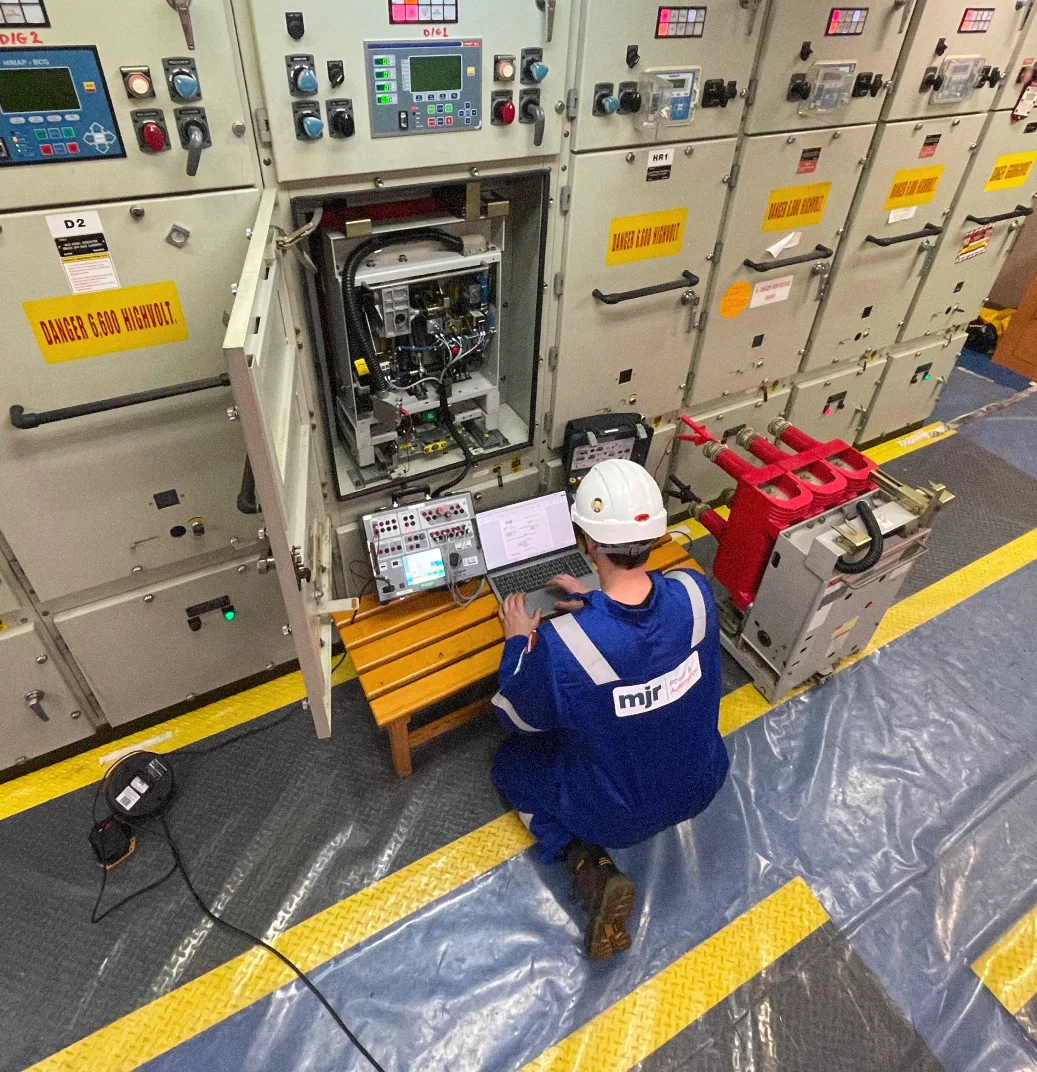
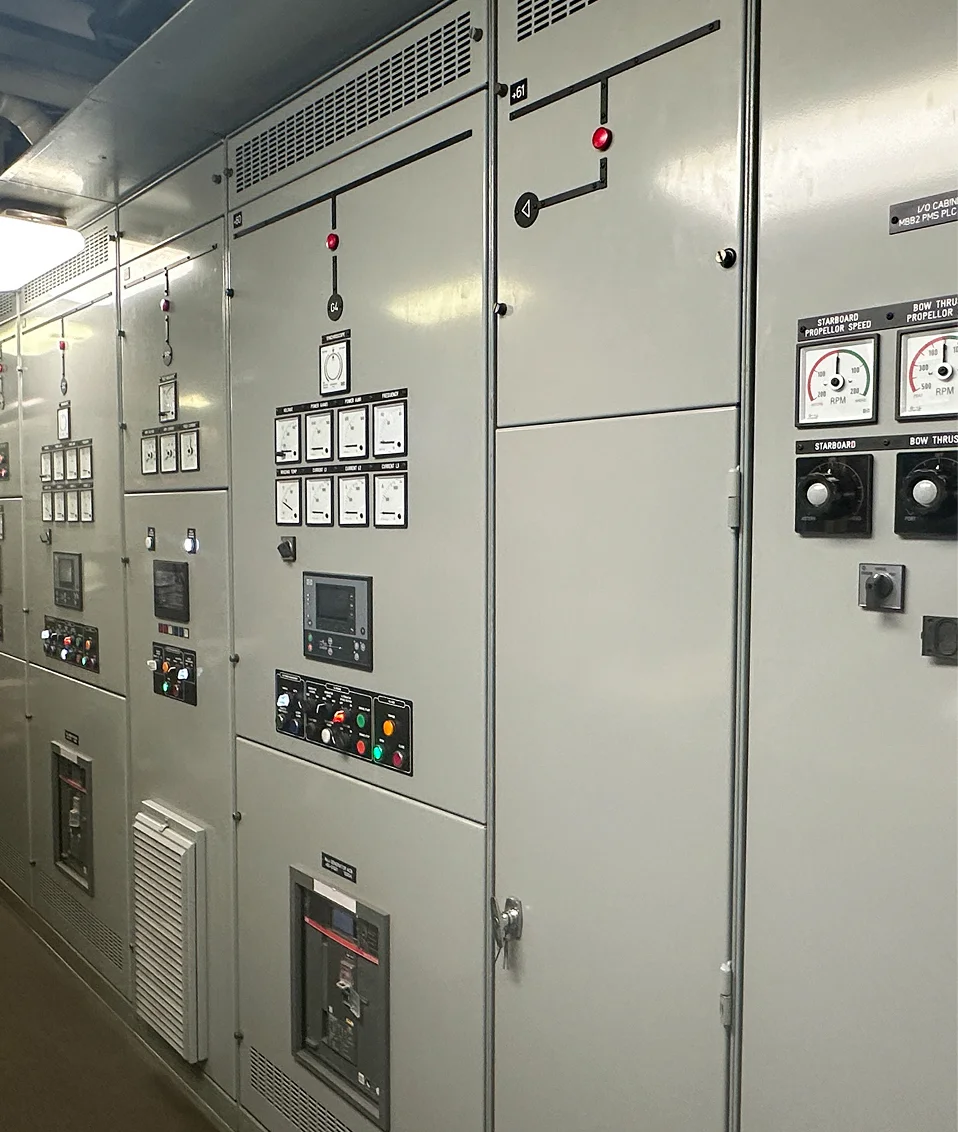
MJR Power & Automation installed a 3000A containerised switchboard allowing the three on-deck generators to be synchronised and their power distributed, ran the containment and cables between the generators and the new switchboard, installed all the medium and low voltage cabling to the trencher, and provided the power and auxiliary supplies for the rest of the spread.
The electrical site team completed the work in 14 days of 24 hour working at South Harbour Terminal, Port of Blyth.
Project significance The T3200 trencher moves from vessel to vessel, and each new host has to be made to run a 2.4MW machine it was never designed for. On JD Assister, MJR Power & Automation helped build that capability from nothing: a temporary power station on deck, synchronised, distributed and commissioned in fourteen days.
The challenge
A fixed sailing date
Mobilisation windows do not move. The vessel had a campaign to reach, and the entire electrical scope, design, installation, termination, testing and commissioning, had to be complete before she sailed. The team worked twenty-four hours a day for fourteen days to achieve it.
2.4MW from generators that had to be made to work together
Three on-deck generators had to be synchronised and their output distributed through a single 3000A containerised switchboard that was installed as part of the scope. Until that switchboard was in and commissioned, the trencher had no power.
Four voltage networks in one temporary system
Temporary power distribution had to be installed and commissioned across 3.3kV, 440V, 230V and 110V networks — medium voltage for the trencher, and progressively lower voltages for the workshops, stores, winches and services the spread depends on.
A vessel not built for this spread.
Cable management systems, penetrations and schedules all had to be designed for the installation rather than taken from an existing arrangement, and the temporary system had to integrate with the vessel's own fire alarm system rather than sit alongside it.
Scope of Work
Turnkey Vessel Electrical Modification and Installation
- 3000A containerised switchboard, allowing the three on-deck generators to be synchronised and their power distributed
- Containment and cabling between the generators and the new switchboard
- All medium voltage and low voltage cabling to the T3200 2.4MW trenching tractor
- Temporary power distribution installation and commissioning across 3.3kV, 440V, 230V and 110V vessel networks
- Design of cable management systems, cable penetrations and cable schedules
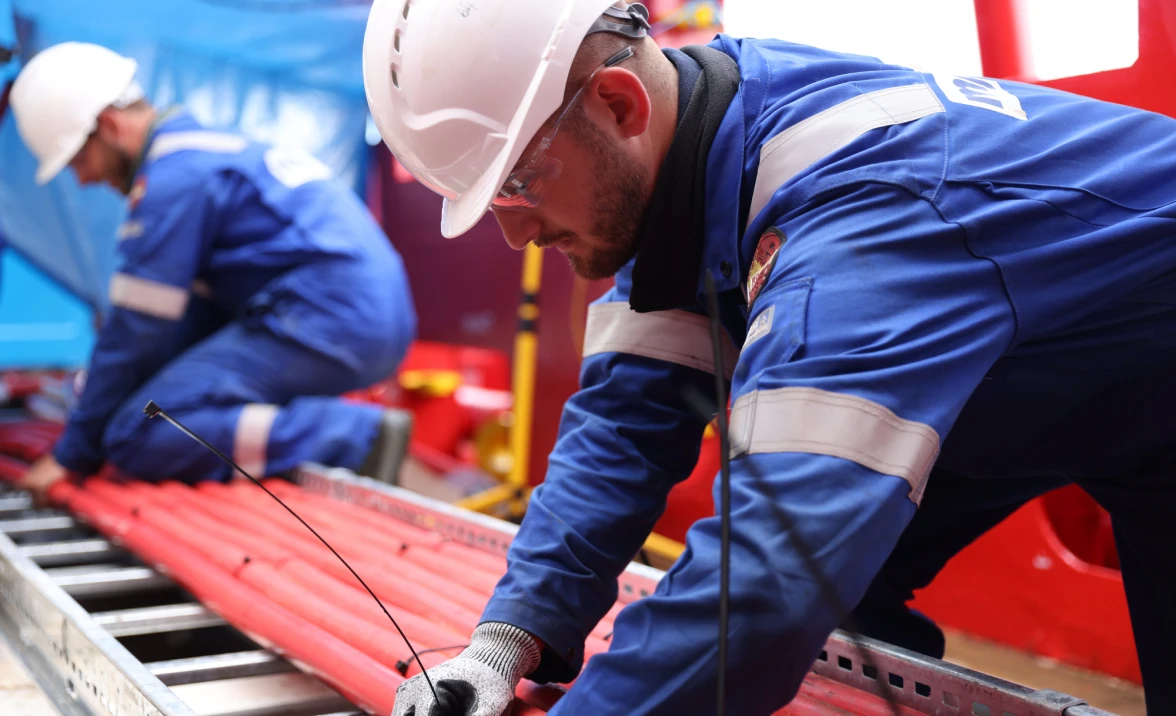
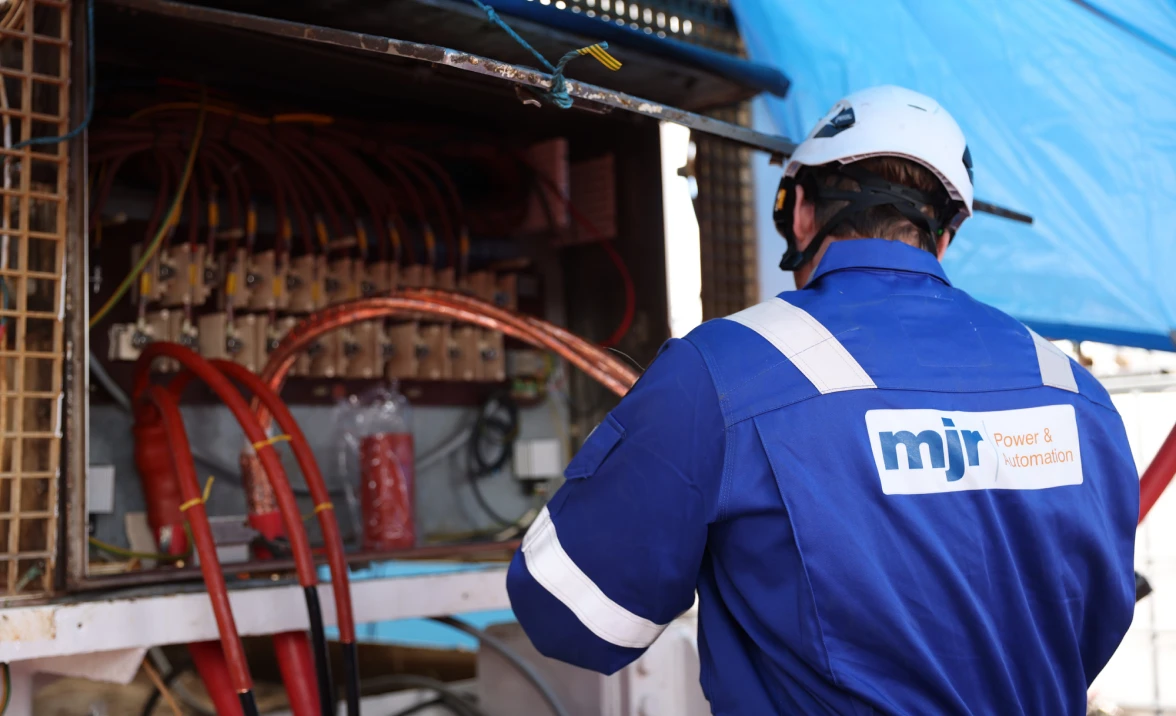
- MV and LV cable installation, termination and testing
- Power, electrical and auxiliary supplies for the wider spread — mechanical and electrical workshops, stores and winches
- Integration with the vessel's fire alarm system
- Additional deck lighting installations
Delivered in 14 days of 24 hour working at South Harbour Terminal, Port of Blyth.
The Solution.
Completed to the Sailing Date, and Working in the USA
A 3000A containerised switchboard was installed to bring the three on-deck generators together, synchronise them and distribute their combined output. Synchronising is what turns three independent machines into one power station: without it the trencher could only ever draw what a single generator could supply, and there would be no redundancy if one were lost.
The Distribution — Four networks for one spread
Temporary power distribution was installed and commissioned across 3.3kV, 440V, 230V and 110V. Medium voltage feeds the trencher itself; the lower voltages serve the mechanical and electrical workshops, the stores, the winches and the auxiliary supplies that make a spread workable rather than merely powered.
Cable management systems, penetrations and schedules were designed for the installation, with all medium and low voltage cable installed, terminated and tested.
The Integration — Working with the vessel, not around it
The temporary system was integrated with the vessel's existing fire alarm system, and additional deck lighting was installed. A mobilisation that ignores the vessel's own systems creates two safety regimes on one deck; integrating them keeps it as one.
The Method — Fourteen days, twenty-four hours a day
The electrical site team worked round the clock for fourteen days at South Harbour Terminal, Port of Blyth, completing the modification, installation, termination, testing and commissioning that connected the Assister and the spread.
Delivery & Approval
Completed to the Sailing Date, and Working in the USA
The mobilisation was completed at the Port of Blyth and the vessel sailed. JD Assister is now carrying out inter-array cable trenching in the United States.
Quote — Ryan Reilly, Sales & Business Development Manager, MJR Power & Automation:
"We are pleased that Enshore Subsea has once again entrusted MJR Power & Automation with the turnkey electrical installation of their T3200 trenching tractor. This is a spread MJR has mobilised many times in the past, which further demonstrates the trusted relationship built with Enshore Subsea over previous successful mobilisations."
Technical Summary
- Client Enshore Subsea
- Vessel JD Assister — specialised subsea construction vessel
- Equipment T3200 trenching tractor spread — 2.4MW, world's most powerful subsea trencher
- Sector Offshore Wind; Offshore Construction & Subsea
- MJR scope Turnkey vessel electrical modification and installation
- Switchboard 3000A containerised, synchronising three on-deck generators
- Networks 3.3kV, 440V, 230V and 110V
- Cabling MV and LV installation, termination and testing
- Additional supplies Mechanical and electrical workshops, stores, winches
- Vessel integration Fire alarm system integration; additional deck lighting
- Location South Harbour Terminal, Port of Blyth
- Duration 14 days, 24 hour working
- Current deployment Inter-array cable trenching, United States
Project Outcomes
A Critical Asset Deployed, and Now Trenching Offshore Wind Cable in the US
The spread sailed on time.
Fourteen days of round-the-clock working delivered the complete electrical scope to the vessel's sailing date.
The world's most powerful subsea trencher put to work.
A 2.4MW machine supplied from three synchronised on-deck generators through a switchboard installed for the purpose.
Working in the offshore wind supply chain.
JD Assister is now carrying out inter-array cable trenching in the United States — the mobilisation directly enabled renewable energy infrastructure delivery.
A repeat client, again.
Enshore Subsea has entrusted MJR with mobilising this spread many times. The relationship is the outcome as much as the installation is.
One safety regime on deck.
Integration with the vessel's fire alarm system and additional deck lighting kept the temporary spread within the vessel's own safety arrangements.
Gallery

Share your vessel, equipment and interface requirements with MJR.
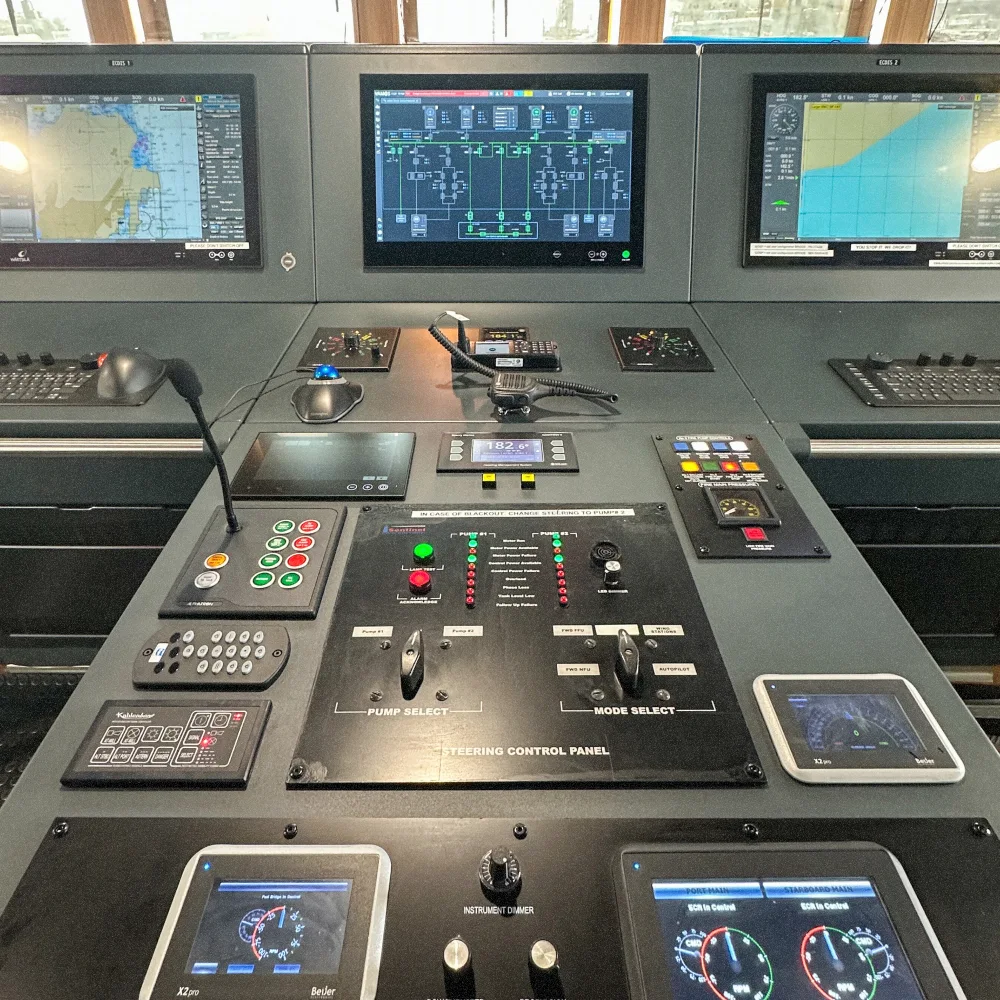
VAMOS the marine automation platform for vessel control, alarms, monitoring, power management and operational visibility.
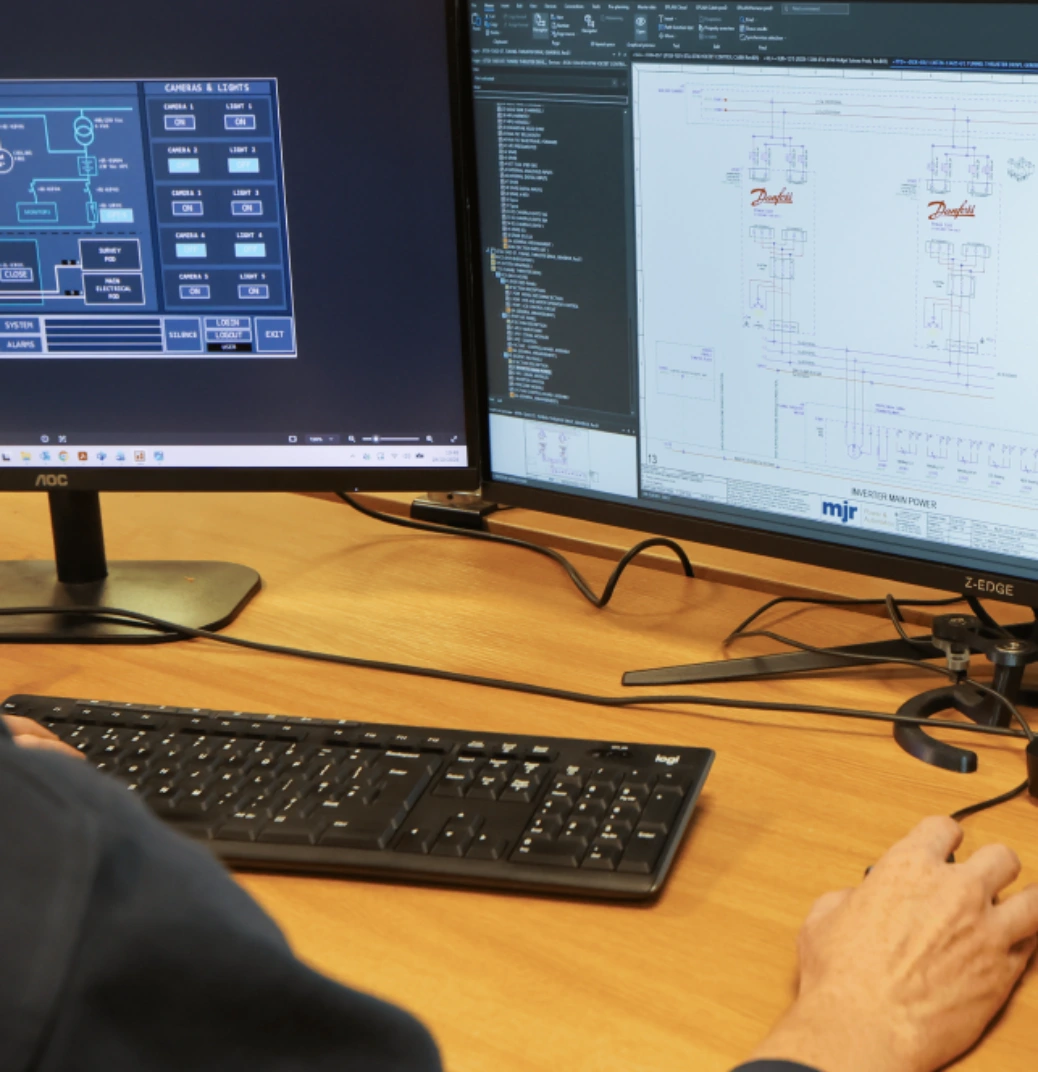
Marine electrical design, FEED studies, calculations and system engineering developed around vessel, offshore and project requirements.
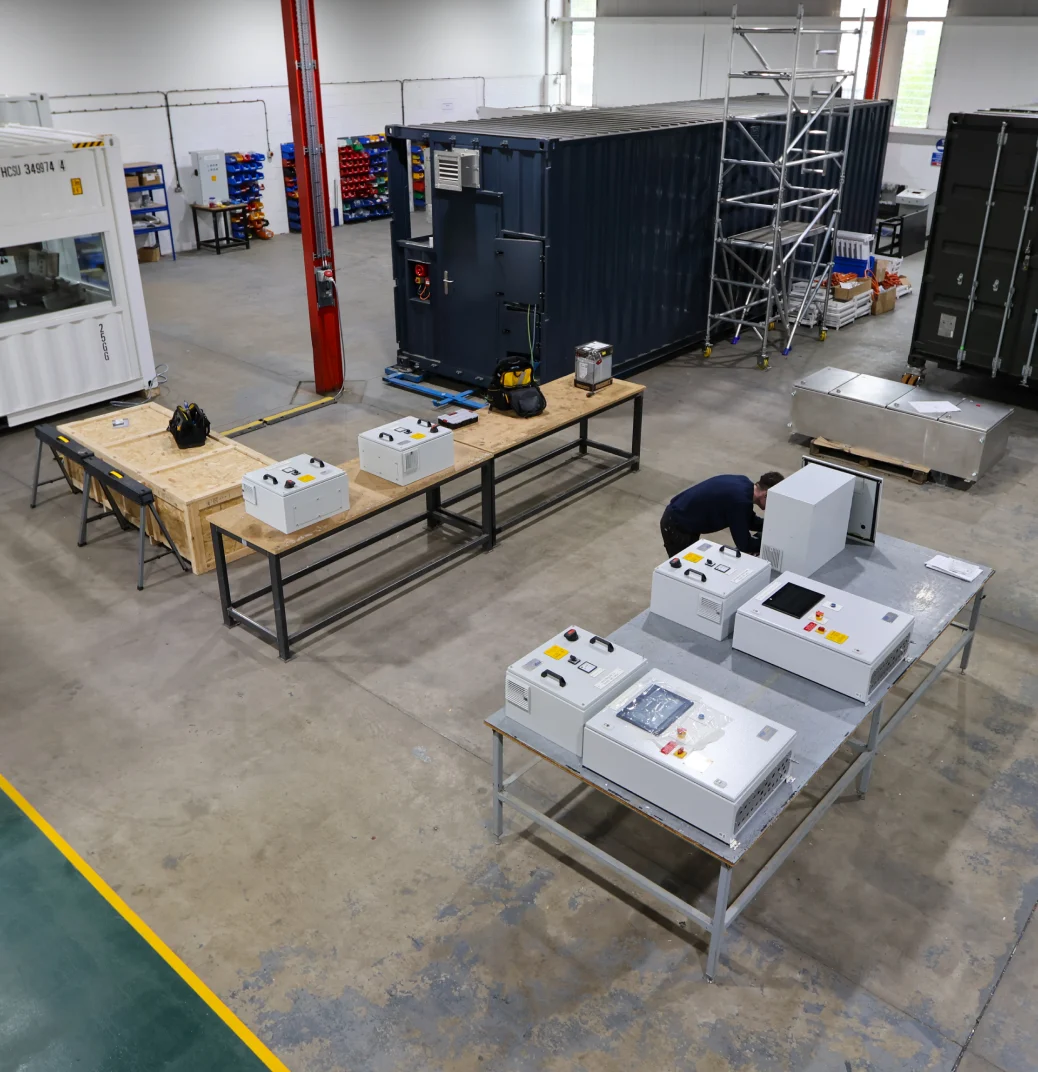
Integrated electrical power, switchboard, control and automation systems engineered, built and tested for demanding marine and offshore applications.
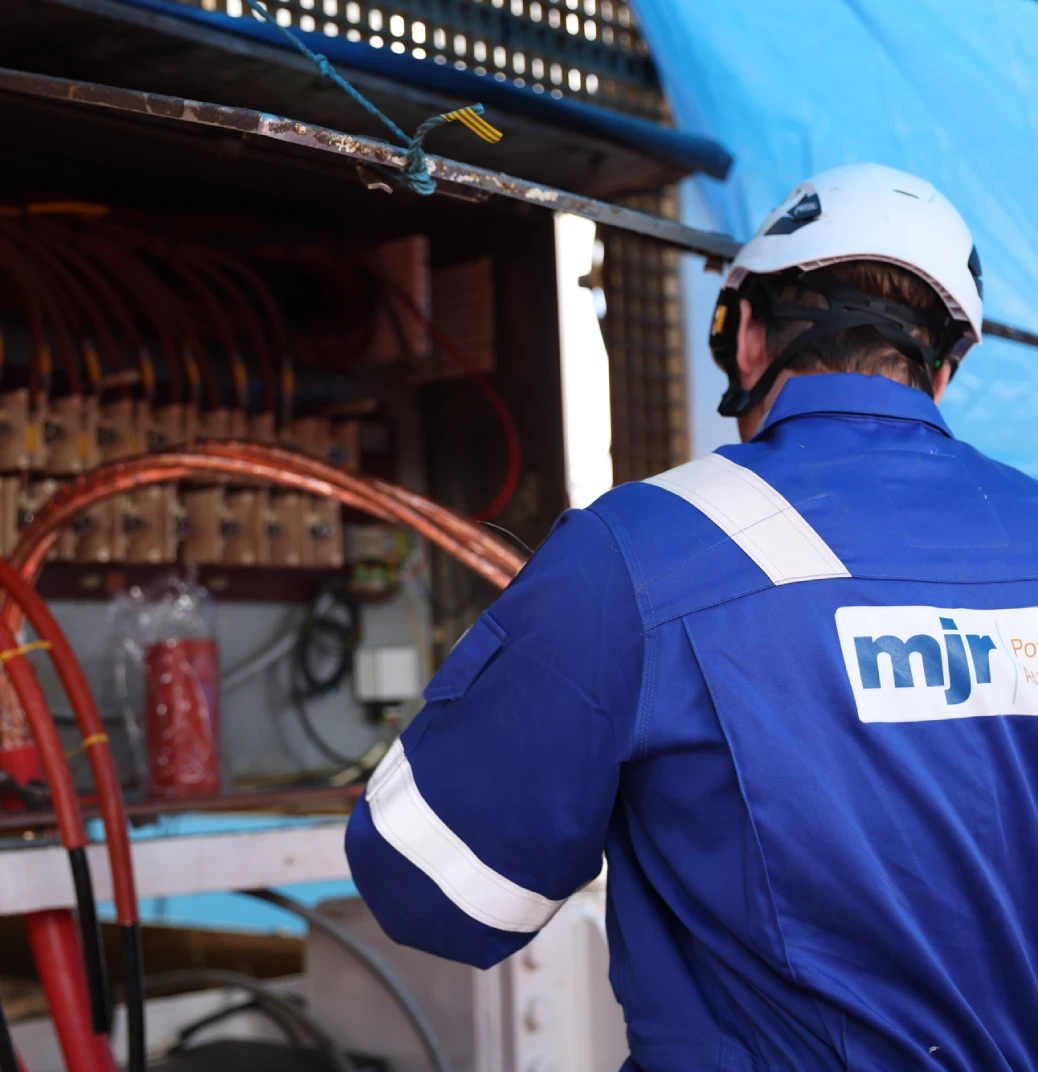
Marine electrical installation, onboard integration, vessel commissioning and functional testing through to technical handover.
Marine electrical service, fault-finding, repair, testing, retrofit and lifecycle support for vessels and offshore assets.
Marine power distribution systems covering generation, switchboards, power management systems, load sharing, protection and electrical distribution.
Marine automation systems integrating PLC, DCS, HMI, alarm monitoring, data logging, power management and vessel or offshore control.
Sectors we are Powering
Follow MJR project updates, company news and technical insight covering marine electrical engineering, automation, shore power, offshore vessel charging and vessel electrification.
Show how MJR designs, installs, commissions and supports product systems.
Show how MJR designs, installs, commissions and supports product systems.
Relevant Project Experience
Explore MJR projects involving vessel automation, monitoring, control and power management across newbuild, retrofit and upgrade programmes.
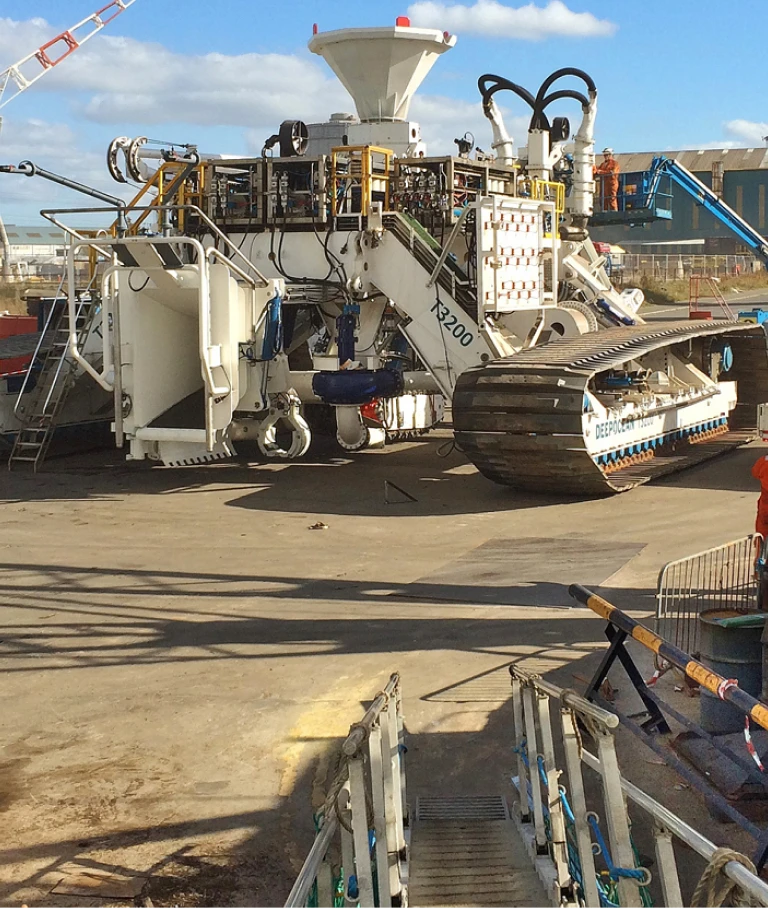
Power Systems Upgrade for Heavy Deck Equipment — Design & Project Management
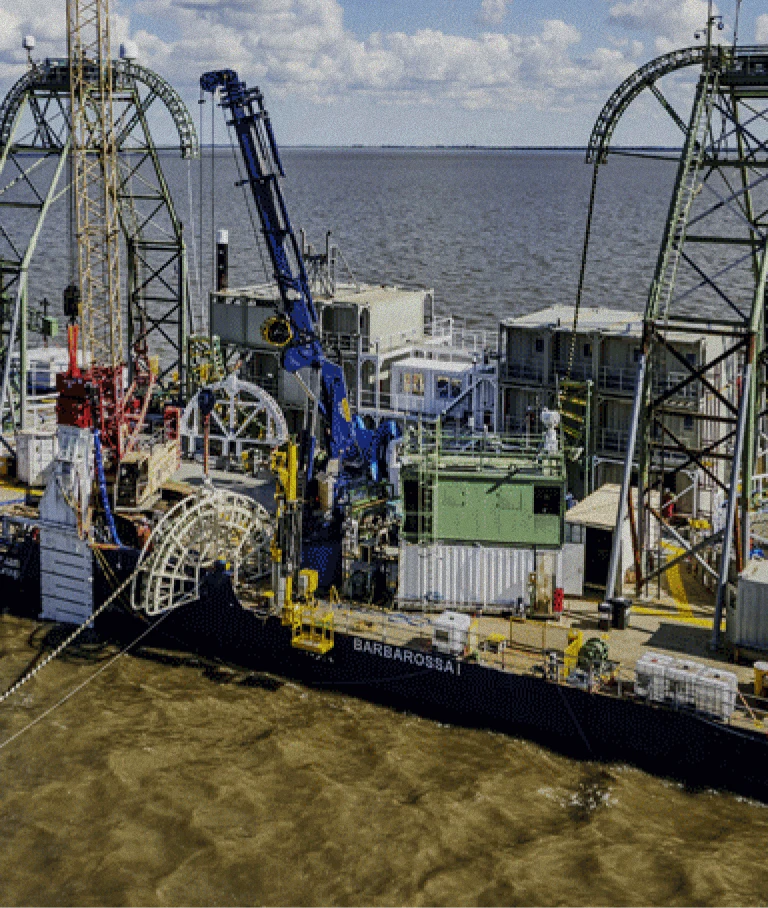
Mobilisation of Deck Equipment and Trenching Spreads — Three Ports, Two Countries
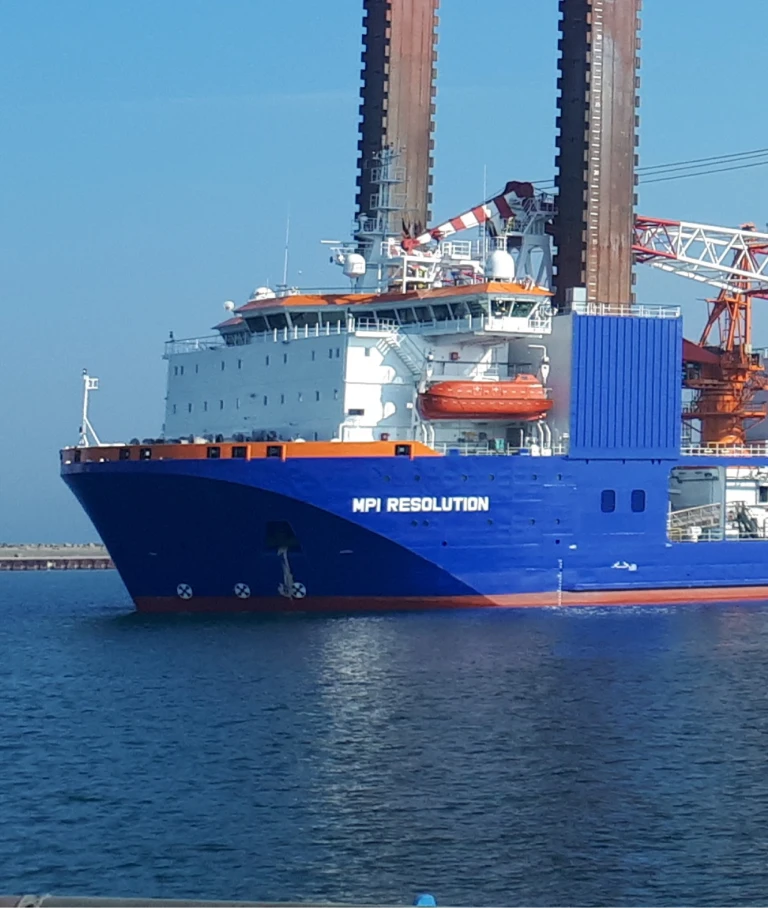
Cable Installation for Kongsberg IAS System Upgrade
The Questions We Get Asked Most
Find answers to common questions about the project, including the systems involved, engineering approach, technical challenges and how the solution was delivered.