Pipelay Energy Storage System for TechnipFMC
Supercapacitor storage retrofitted to pipelay tensioner and winch drive systems.
Project Overview
Pipelay Energy Storage System Delivered for TechnipFMC's Deep Energy
Deep Energy is one of the largest pipelay vessels ever constructed, capable of installing rigid and flexible pipe and umbilicals in water depths of up to 3,000 metres. MJR Power & Automation was appointed by TechnipFMC to improve capabilities on the vessel, including the integration of a pipelay extended supply failure ride-through system, the first of its kind in the world.
The vessel's pipelay tower carries tandem upper and lower tensioners which must remain in complete synchronicity while the pipe is in the water. A loss of supply that stops them suddenly and without control is the failure mode the system exists to prevent.
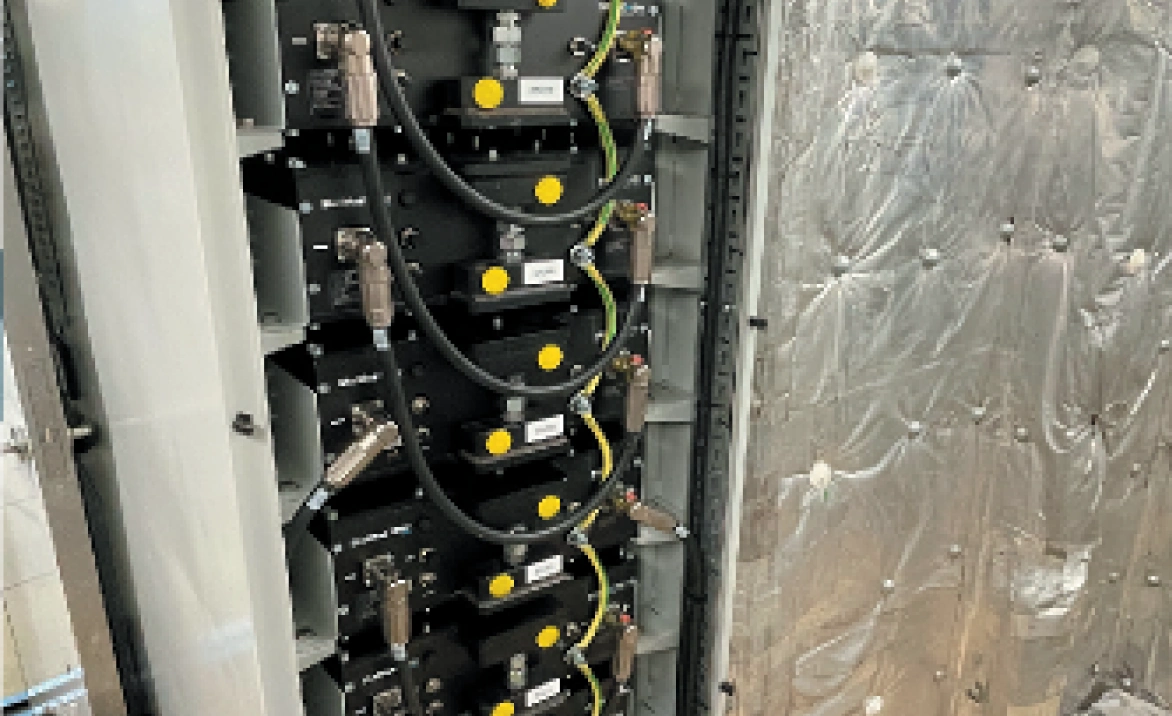
Supercapacitor energy storage provides instantaneous back-up power, bridging any gap until the vessel's main back-up system can respond, and where a stop cannot be avoided, allowing it to be a controlled one. The system is the first supercapacitor installation globally to comply with and be certified to the DNV-GL regulations, and it is monitored and controlled through MJR's MAP-OE platform.
Project significance The value is not in the energy stored, which is small. It is in how quickly it arrives. Supercapacitors respond in milliseconds, which is faster than a generator can pick up and faster than tensioner synchronisation is lost. So a disturbance that would have become an uncontrolled stop, with kilometres of pipe hanging in the water, becomes nothing the operation notices.
The challenge
Two Tensioners, Perfect Synchronicity, and No Room for a Blackout
Tandem tensioners on the pipelay tower.
The tower carries both upper and lower tensioners, working the same pipe simultaneously. Neither can act independently of the other while the product is under load.
Complete synchronicity is not optional.
The two tensioners must stay exactly in step. If one responds to a supply disturbance differently from the other, the pipe between them takes the difference.
A blackout means a sudden, uncontrolled stop.
The requirement was to eliminate the possibility of any blackout during operations that would cause a sudden and uncontrolled stop — which, with pipe suspended to as much as 3,000 metres, is the scenario the whole system exists to prevent.
The main back-up cannot respond fast enough.
Conventional back-up takes time to pick up. The interval between the disturbance and the back-up responding is precisely where synchronisation is lost, and it is that interval the energy storage had to cover.
No certification route existed.
No supercapacitor system had previously been certified to the DNV-GL regulations, so the approval path had to be established rather than followed.
Scope of Work
Design, Certification, Build, Test and Integration
From the two source documents together:
- FEED study
- Basis and detailed design for power, electrical and automation
- DNV-GL marine classification system approval — the first for a supercapacitor system
- Supercapacitor energy storage on both port and starboard drive systems
- MAP-OE monitoring and control, with local and remote operational views
- Construction
- Full system testing at MJR Power & Automation's plant prior to vessel installation
- Installation and commissioning as a retrofit to the existing machinery drive systems
Skeleton Technologies supplied the supercapacitor energy storage system design and production, and the supercapacitor integration engineering.
Solutions Delivered
The Response — Instantaneous back-up, and a controlled stop
The energy storage delivers instantaneous back-up power, bridging any gap until the main back-up system can respond. Where the disturbance is short, the operation continues uninterrupted. Where it is not, the stored energy is what allows the spread to come to a controlled safe stop instead of a sudden uncontrolled one.
That distinction — between no stop and a controlled stop — is the clearest statement of value in either document, and it is the framing the rebuilt page should lead with.
The Control — MAP-OE operational view
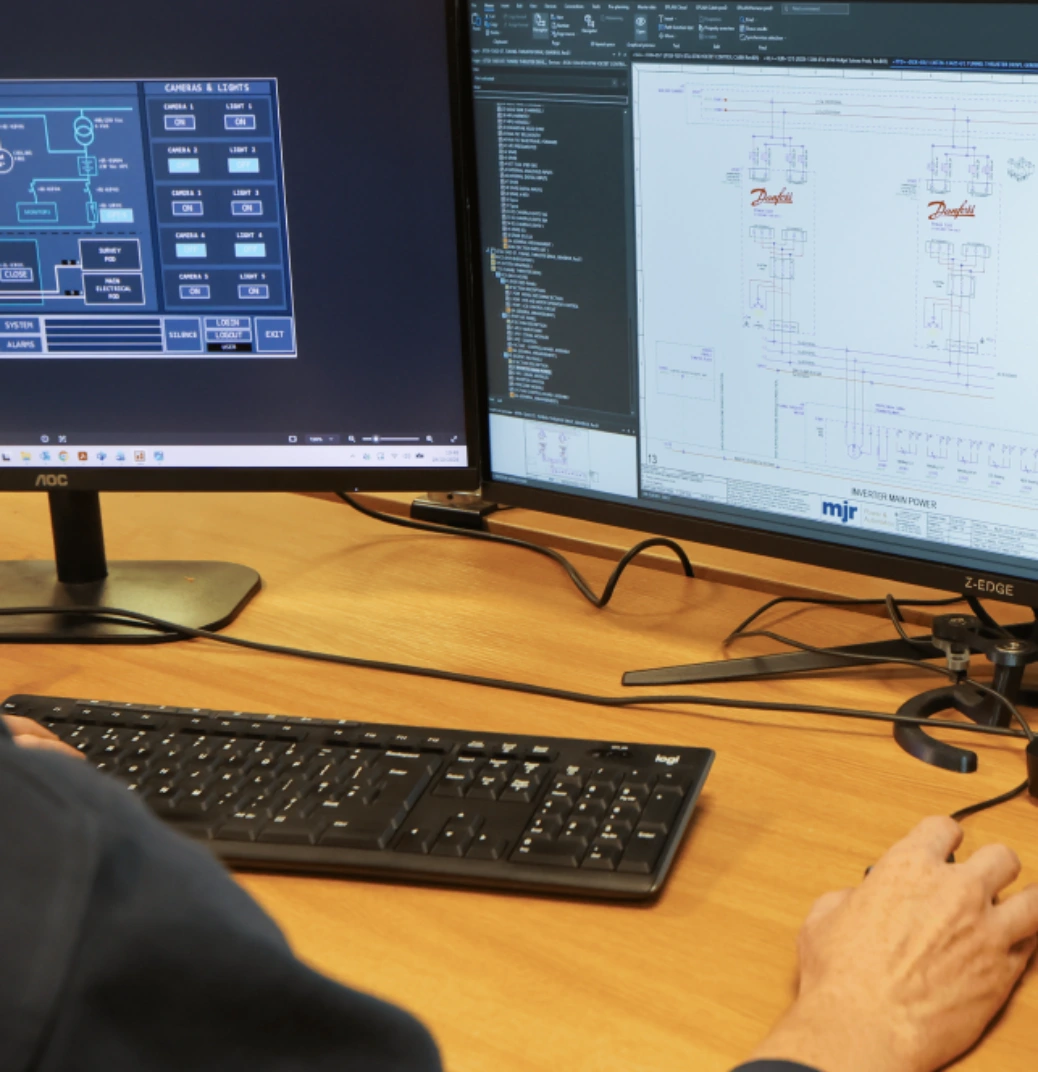
The system is monitored and controlled through MJR Power & Automation's MAP-OE platform, with an operational view showing state of charge, voltage and highest cell temperature for each capacitor string, DC bus and capacitor voltages, and charge, connect and discharge control. Local and remote operating modes are provided, with a restricted access level.
The Integration — Non-intrusive, and proven before it went aboard
The complete system was fully tested at MJR's plant before vessel installation, then integrated as a retrofit to the existing machinery drive systems with minimal risk to systems already in service. The source describes the integration as complete but non-intrusive — the spread gained a capability without its existing arrangements being disturbed.
Supercapacitors were selected over alternative storage technologies as the optimised solution on CAPEX, and as a proven technology offering lifetime operation with minimal maintenance.
Delivery & Approval
A World First, Certified by DNV-GL
The system is the first supercapacitor installation globally to comply with and be certified to the DNV-GL regulations. It was fully tested at MJR Power & Automation's plant before installation and integrated aboard the vessel as a retrofit.
Technical Summary
- Client TechnipFMC
- Vessel Deep Energy — one of the largest pipelay vessels ever constructed
- Capability Rigid and flexible pipe and umbilicals to 3,000m water depth
- Sector Offshore Construction & Subsea
- System Pipelay extended supply failure ride-through — first of its kind in the world
- Technology Supercapacitor energy storage
- Partner Skeleton Technologies — energy storage design, production and integration engineering
- Protected equipment Tandem upper and lower pipelay tensioners
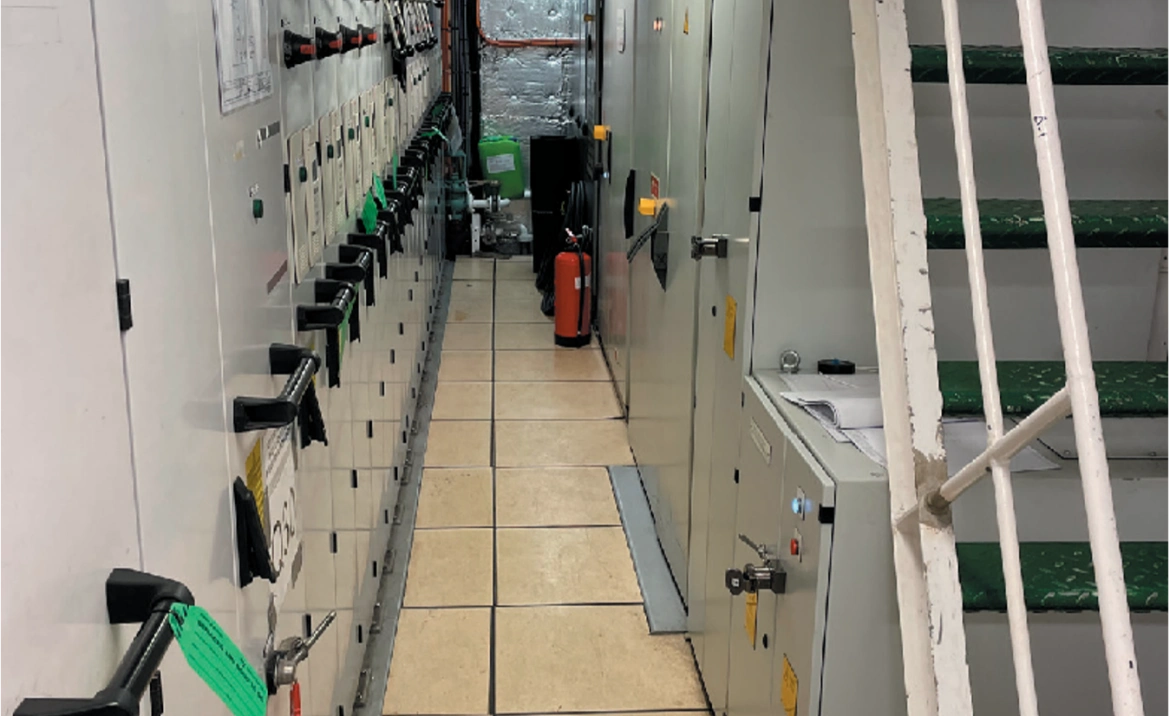
- Architecture Port and starboard drive systems; 2 MVA isolation transformers, 1810 kVA supply units, 3 x 940 kVA brake choppers per side
- Control platform MJR MAP-OE, with local and remote operational views
- Class First supercapacitor system globally certified under DNV-GL regulations
- Pre-installation Full system testing at MJR's plant
- Integration Non-intrusive retrofit to existing machinery drive systems
Project Outcomes
The first class-certified supercapacitor system in the world.
First to comply with and be certified under the DNV-GL regulations.
Blackout risk removed from pipelay operations.
Instantaneous back-up power bridges any supply gap until the main back-up responds, keeping the tandem tensioners synchronised through disturbances that would previously have threatened them.
A controlled stop instead of an uncontrolled one.
Where a stop cannot be avoided, the stored energy allows it to happen safely and deliberately.
Delivered without disturbing what already worked.
A complete but non-intrusive integration, with minimal risk to systems already in service and full testing completed ashore.
Better on CAPEX than the alternatives.
Assessed as the optimised solution against other energy storage options, using a proven technology with lifetime operation and minimal maintenance.
Gallery
Share your vessel, equipment and interface requirements with MJR.
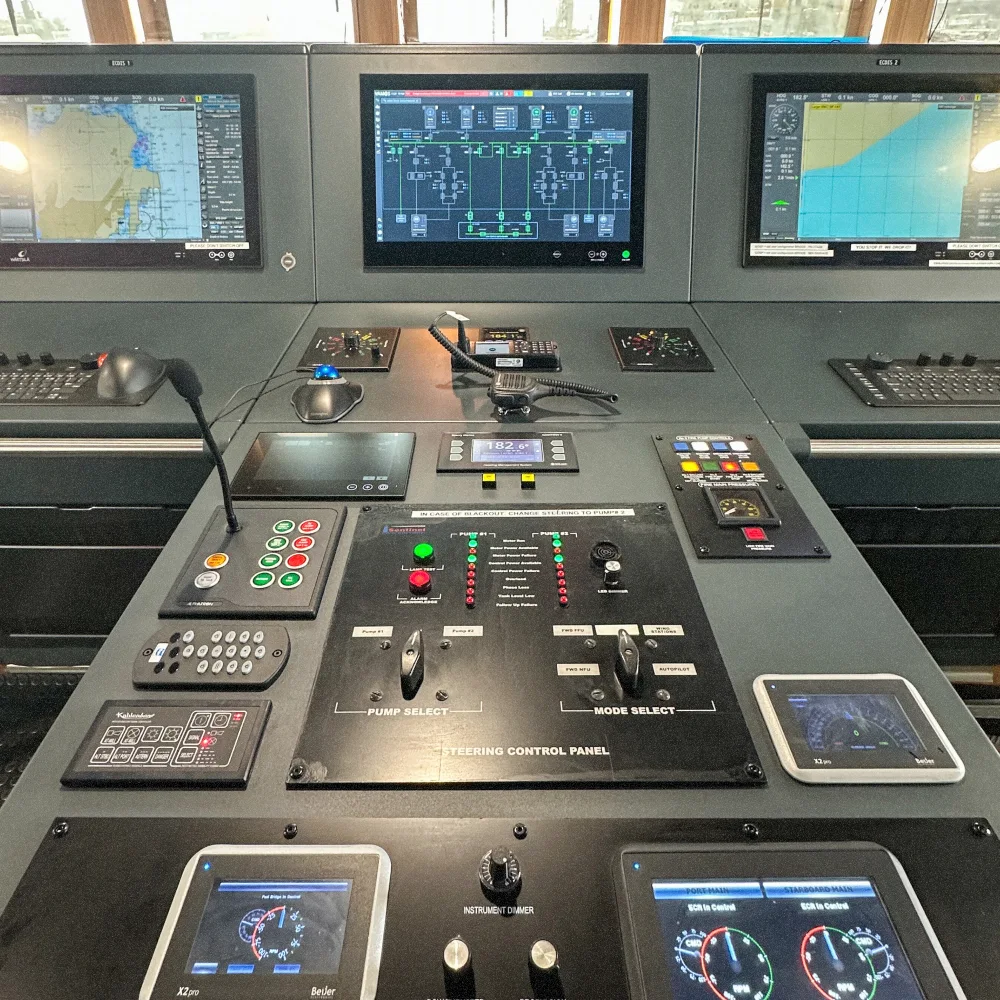
VAMOS the marine automation platform for vessel control, alarms, monitoring, power management and operational visibility.
Marine electrical design, FEED studies, calculations and system engineering developed around vessel, offshore and project requirements.
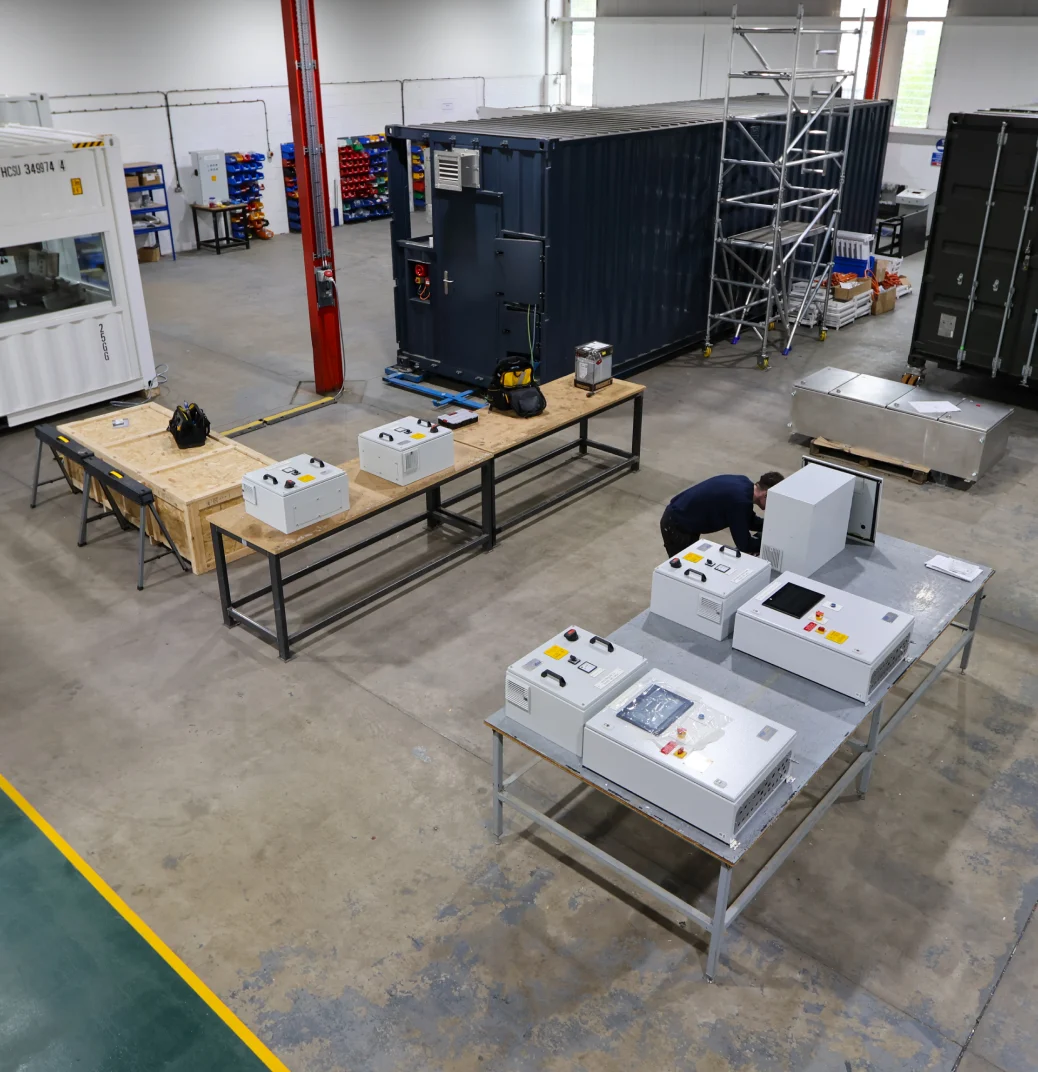
Integrated electrical power, switchboard, control and automation systems engineered, built and tested for demanding marine and offshore applications.
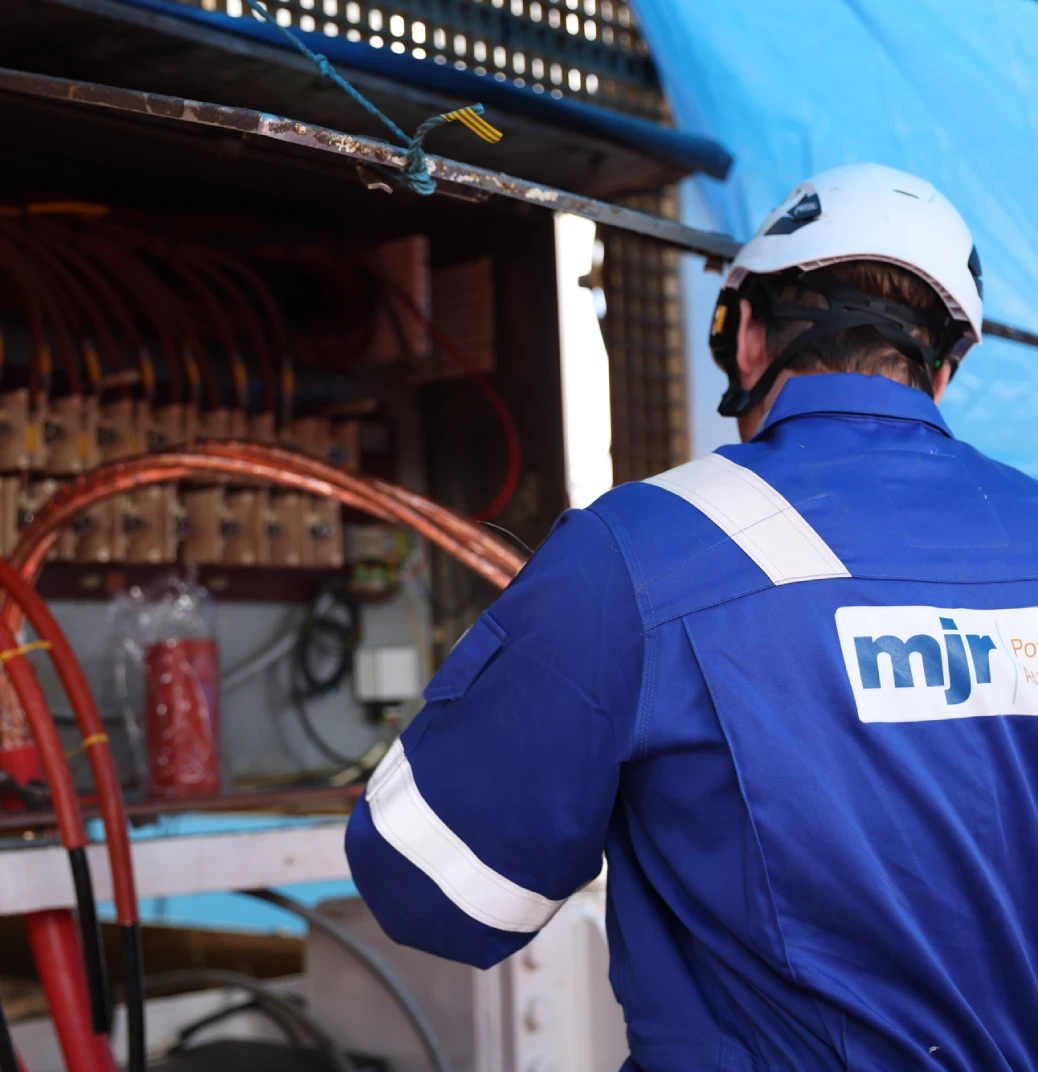
Marine electrical installation, onboard integration, vessel commissioning and functional testing through to technical handover.
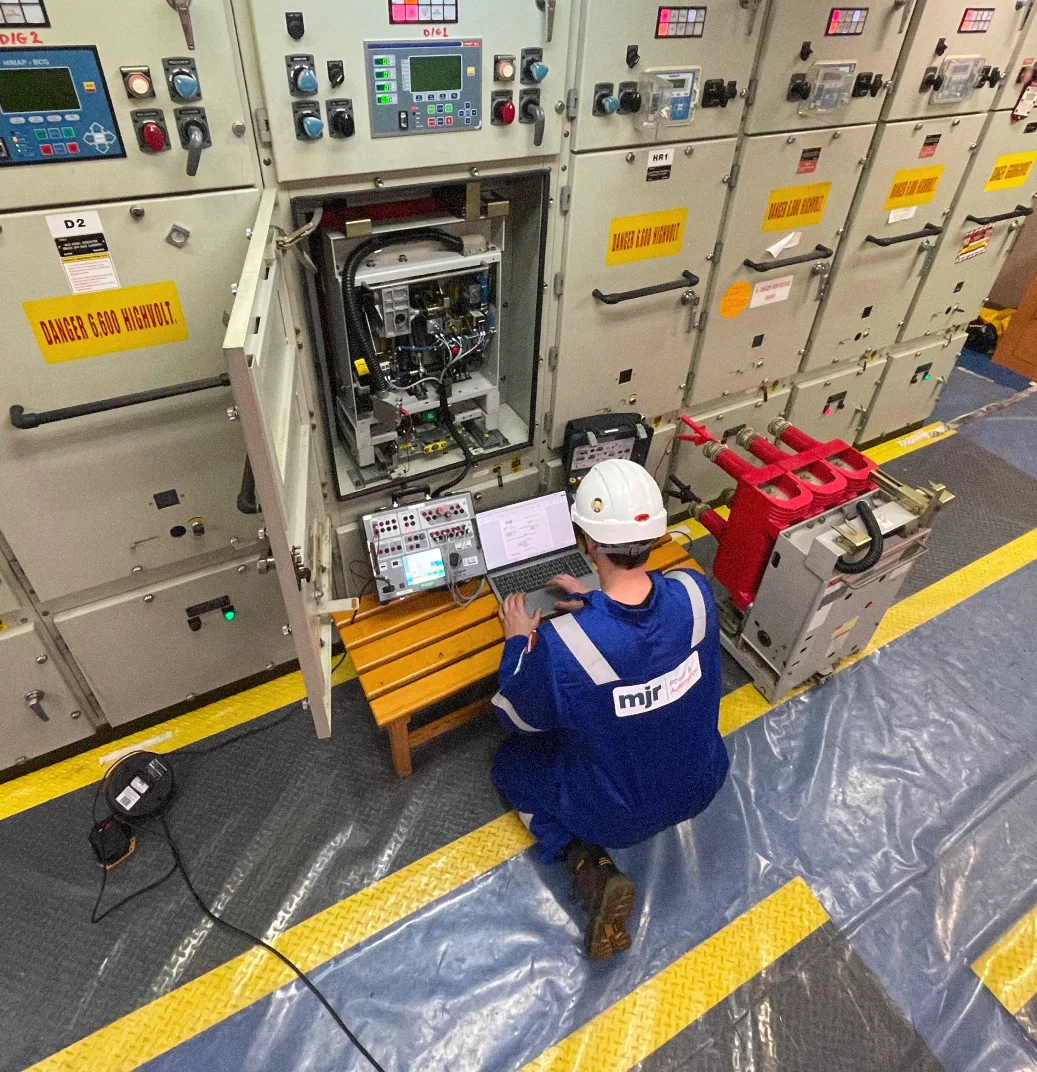
Marine electrical service, fault-finding, repair, testing, retrofit and lifecycle support for vessels and offshore assets.
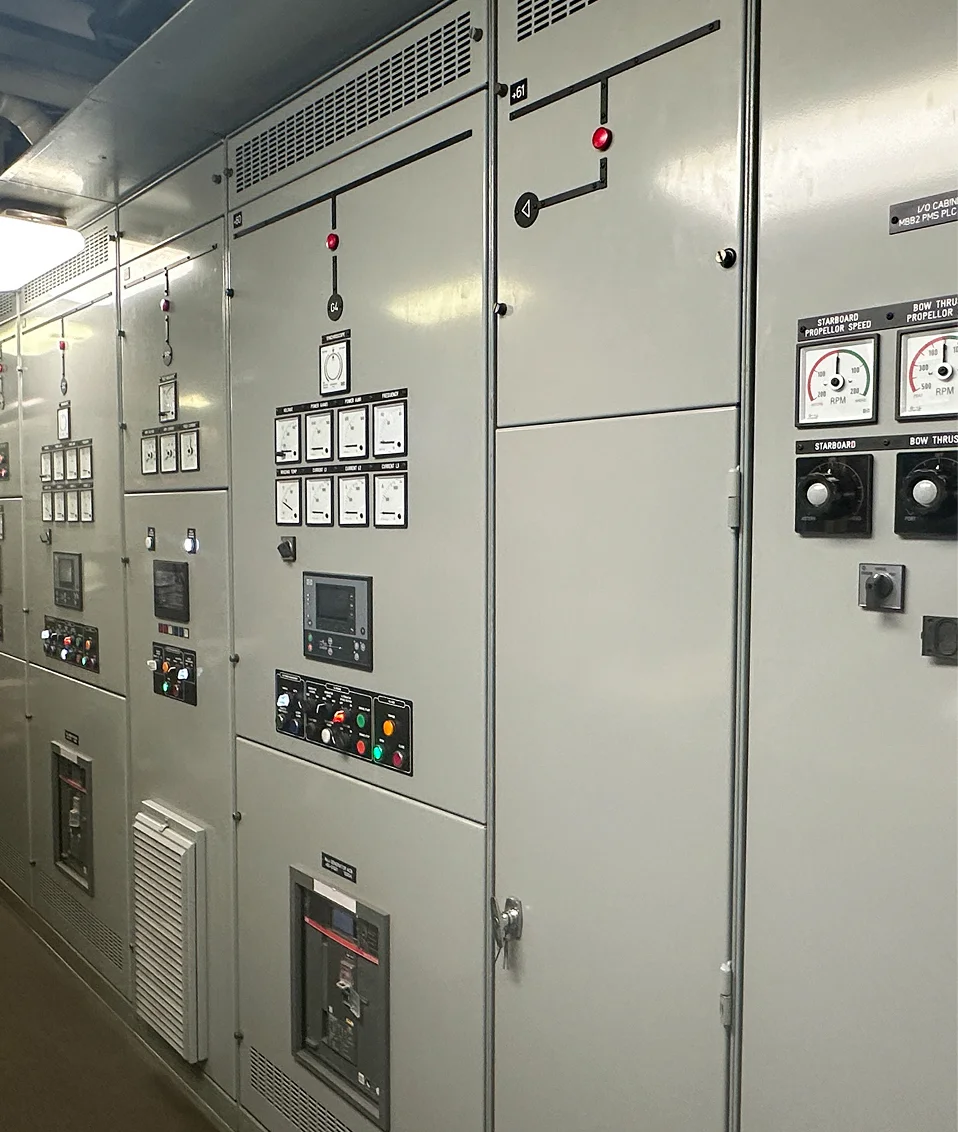
Marine power distribution systems covering generation, switchboards, power management systems, load sharing, protection and electrical distribution.
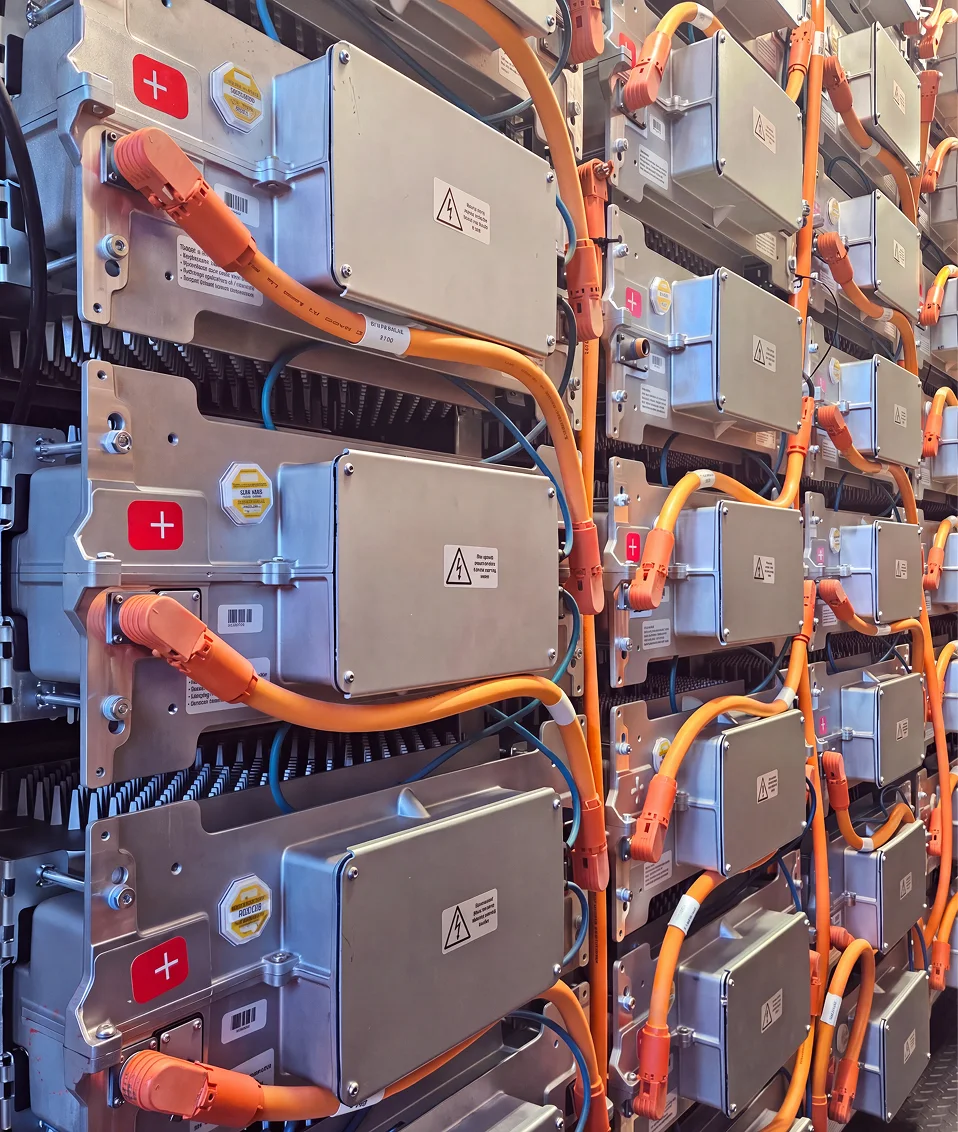
Marine energy storage systems including battery energy storage, BESS integration, supercapacitors, peak shaving, backup power and hybrid power support.
Sectors we are Powering
Follow MJR project updates, company news and technical insight covering marine electrical engineering, automation, shore power, offshore vessel charging and vessel electrification.
Show how MJR designs, installs, commissions and supports product systems.
Relevant Project Experience
Explore MJR projects involving vessel automation, monitoring, control and power management across newbuild, retrofit and upgrade programmes.
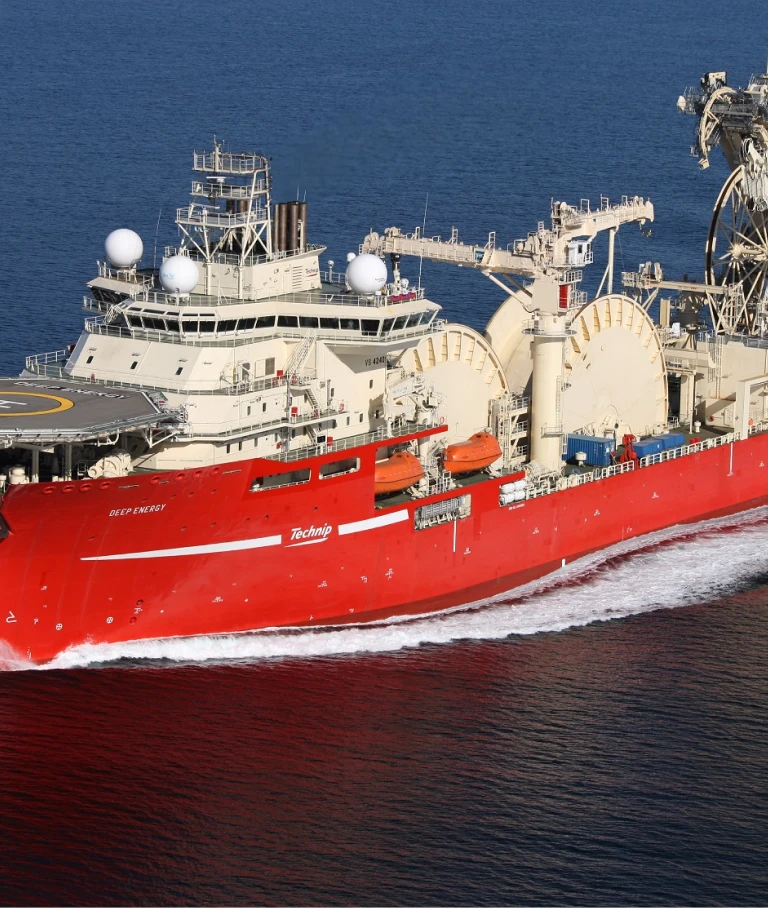
Deck Winch Constant Tension Control Upgrade for Deep Energy
AHTS Battery Hybrid Conversion — Switchboard Rebuild, PMS & Automation Replacement
Ballast Control System Replacement — Installed In Service
The Questions We Get Asked Most
Find answers to common questions about the project, including the systems involved, engineering approach, technical challenges and how the solution was delivered.