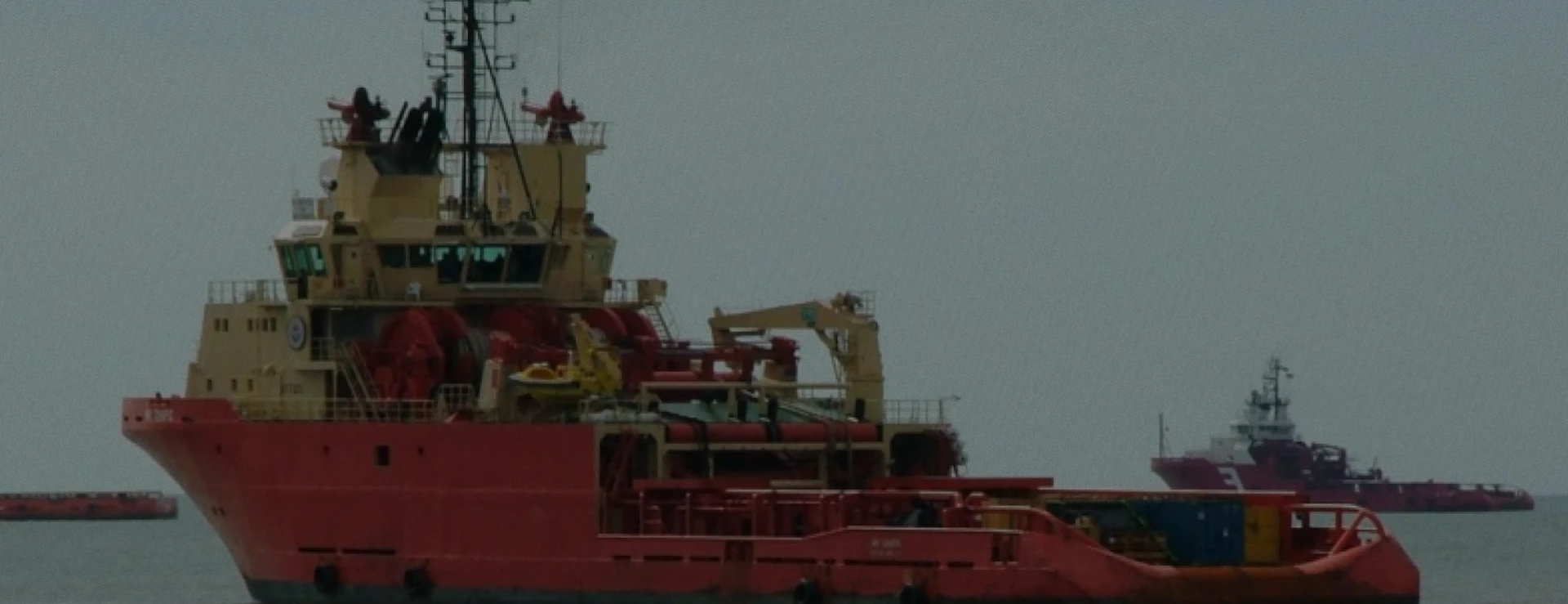
Hybrid Power Retrofit for Edison Chouest Offshore
AHTS Battery Hybrid Conversion — Switchboard Rebuild, PMS & Automation Replacement
Project Overview
MJR Power & Automation Converts an AHTS vessel to Battery Hybrid Operation
A main switchboard rebuild, power management system upgrade and VAMOS replacement, with batteries and converters integrated.
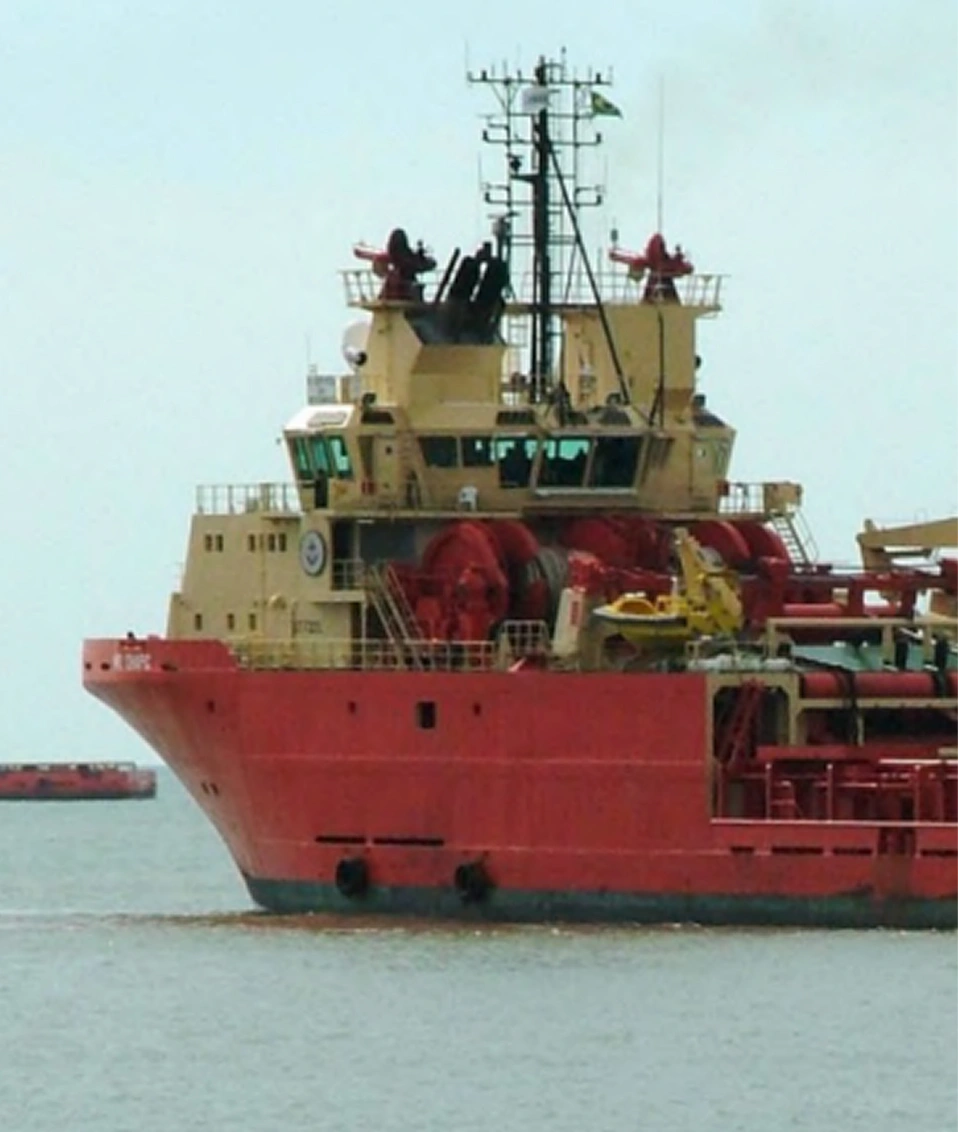
Mr Chafic is a classic Ulstein UT 722 anchor handling tug supply vessel, delivered in 2004 with conventional diesel mechanical propulsion. Alongside her two main engine driven controllable pitch propellers, two 2,400 kW shaft generators supply the vessel and its four electrically driven thrusters during normal dynamic positioning operations.
An AHTS spends a great deal of its working life standing by, holding position or loitering near an installation with the main engines running purely to keep the electrical plant alive. That is expensive fuel burned for very little useful work. To address it, the vessel was converted to hybrid operation with two 375kWh containerised battery systems, each capable of delivering 1.2MW peak.
Adding batteries to a vessel built without them is not a bolt-on. The existing main switchboard had to be redesigned and rebuilt to integrate the battery systems and their converters, a replacement power and energy management system was needed to control the new hybrid architecture, and the vessel's integrated automation and machinery control system was replaced alongside it.
MJR carried out the basic and detailed design through 2024, manufactured the electrical hardware at its Teesside facilities and the automation system at ELSYS in Vigo, Spain, and with the assistance of Navship shipyard in Brazil, installed and commissioned the system in late 2024.
Project significance The vessel did not just get more efficient; she got more capable. The conversion took her from DNV DPS-1 to DPS-2 with Battery (Safety) notation, which changes the work she is eligible for. A fuel saving improves margin on the jobs a vessel already does. A class notation upgrade changes which jobs those are.
The Challenge
No spare space, and nowhere to extend.
The battery energy storage systems required additional air circuit breakers in the main switchboard, and the shaft generators needed new breakers to isolate them from the heavy consumer busbars. There was very limited spare space in the existing switchboard and no space in the compartment to extend it. The source calls this extremely challenging, and it is the defining constraint of the whole project.
A supply dip is enough to break synchronisation.
The original 450V main switchboard was a conventional design controlled by a single PLC. It had never been intended to manage energy storage, coordinate charge and discharge against generation, or support the operating modes a hybrid plant needs.
The electrical architecture had to allow the main engines to stop.
The whole point of the conversion is loitering without main engines. That required new circuit breakers to isolate the shaft generators from the heavy consumer busbars, so thrusters could be fed from batteries and auxiliary generators instead — a reconfiguration of how the vessel's power is distributed, not simply an addition to it.
A class notation upgrade on top of the conversion.
Moving from DPS-1 to DPS-2 with Battery (Safety) notation raised the bar on redundancy and on the safety case for the batteries themselves, and that had to be designed in from the start rather than demonstrated afterwards.
Three locations, one system.
Electrical hardware was built at Teesside, the automation system at Vigo, and installation took place at a shipyard in Brazil — with the design, the FAT and the commissioning all having to line up across them.
Scope of Work
Turnkey — Design, Approval, Build, Supply, Installation and CommissioningInstalled scope:
- 2 x 4000A shaft generator isolation air circuit breakers
- 2 x 2500A battery energy storage air circuit breakers
- Modification of 450VAC main switchboard control circuits and instrumentation
- Hybrid power management system
- Integrated automation and machinery control system
- New extension alarm system
- New dead man alarm system
- New tank gauging and valve control systems
- Interface to the DP system and the stability and loading computer
Design and engineering:
- Single line diagram
- General arrangement drawings and layouts
- Main switchboard electrical schematics
- Short circuit calculations
- Protection study
- Load balance
- Harmonic analysis
- I/O list and alarm list
- IAS mimic screen design
- PMS system design
- Tank gauging system design
Class approval:
MJR Power & Automation was responsible for DNV approval of the full electrical power and automation design, with FAT of the integrated automation and machinery control system and the power management system carried out at ELSYS in Vigo.
Solutions Delivered
The Starting Point — A conventional AHTS power plant
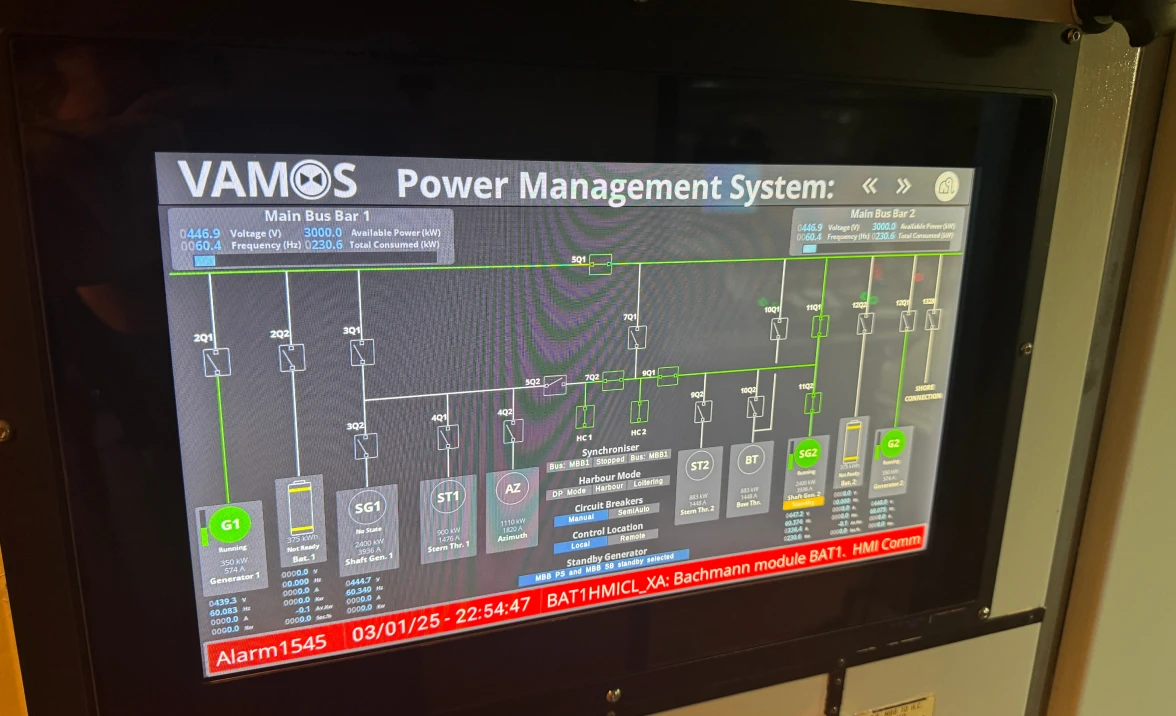
Two main bus bars at 440V, 60Hz. Two 350kW auxiliary generators, two 2,400 kW shaft generators, and the vessel's thrusters and heavy consumers distributed across the two sides. In normal DP mode the main engines run at constant speed, the bus ties are open, and each shaft generator feeds its own side of the board — port side supplying the stern thruster and azimuth thruster, starboard supplying the bow and stern thrusters.
It works, and it is how these vessels have always operated. It also means the main engines run whenever the vessel needs electrical power, including through long periods of standby when very little of that power is doing anything useful.
The Modification — New breakers, and a board with no room for them
Two changes to the switchboard made the hybrid architecture possible. New air circuit breakers connect each 375kWh battery system to its respective main busbar, and further breakers were added to isolate the shaft generators from the heavy consumer busbars — the latter being what allows the main engines to be shut down while the thrusters keep running.
Both had to be fitted into a switchboard with very limited spare space, in a compartment with no room to extend it.
The First Gain — Peak shaving and spinning reserve
In normal DP mode the batteries sit connected to their busbars in standby. They absorb load peaks that would otherwise have to be met by generation, and they stand as spinning reserve against the loss of a shaft generator or a main engine. That second point is a safety improvement as much as an efficiency one. On a conventional plant, losing a shaft generator during DP means an immediate scramble for power. With batteries connected, the gap is covered instantly.
The Main Gain — Low power loitering with the main engines stopped
The largest savings come when the vessel is standing by outside the 500 metre safety zone. In the hybrid configuration the main engines can be stopped entirely, with two thrusters operated at low power from the batteries and auxiliary generators.
The sequence is worth stating plainly, because it is the heart of the project: the azimuth thruster and one stern thruster are started from the shaft generators while those are still running, the batteries are connected, the shaft generators are then disconnected and isolated by opening the new breakers, and the main engines are stopped. The main busbars are then supplied from the auxiliary generators and batteries, with the auxiliary generators either running continuously in parallel or starting and stopping automatically on battery state of charge, starting at 30% and stopping at 90%.
Other modes are available, including battery-only operation in port with the auxiliary generators periodically starting to recharge.
The Control — Hybrid power management and VAMOS
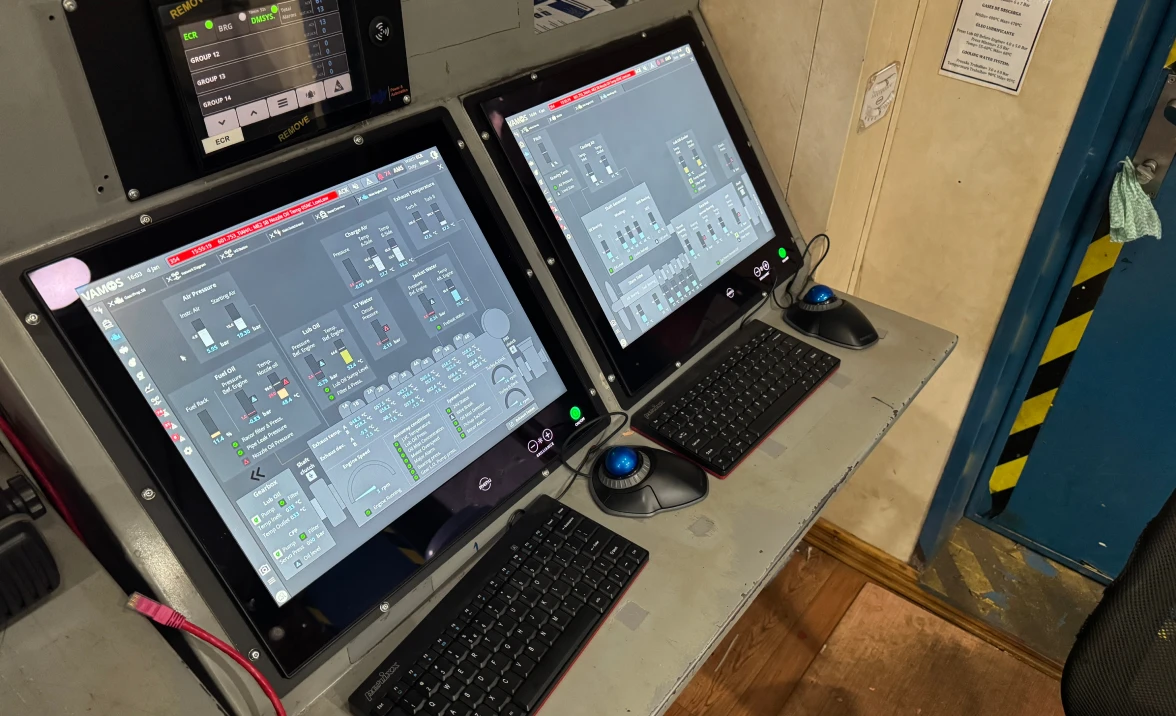
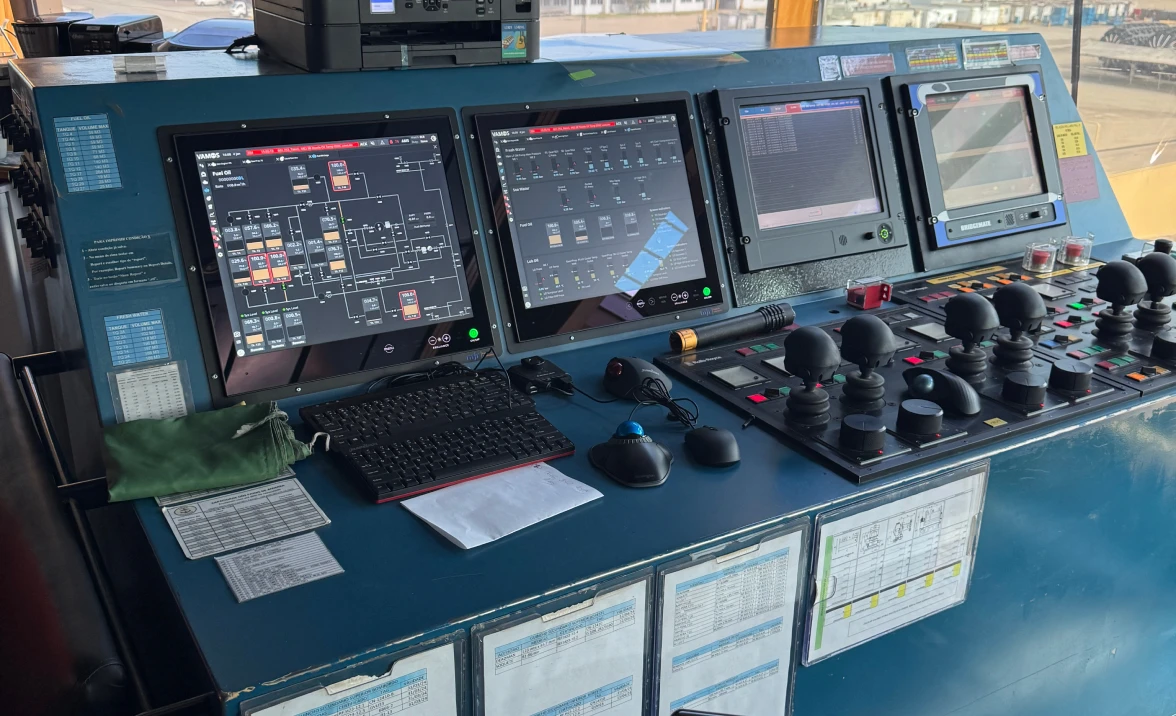
At the heart of the upgrade is the ELSYS VAMOS vessel automation and machinery operating system, installed together with an advanced power management system to automate the vessel's new hybrid generation architecture. Operator stations were installed on the bridge DP console and in the engine control room, with VAMOS 21" colour LED displays, alongside software synchroscope HMIs fitted to each generator, a local main switchboard HMI, and extension alarm system panels on the bridge and in the crew mess.
Delivery & Approval
Basic and detailed design ran through 2024. Electrical hardware was manufactured at MJR's Teesside facilities and the automation system at ELSYS in Vigo, Spain, where the FAT of the integrated automation and machinery control system and the power management system was carried out.
In late 2024, with the assistance of Navship shipyard in Brazil, MJR Power & Automation and ELSYS carried out the installation and commissioning of the supplied system. MJR was responsible for DNV approval of the full electrical power and automation design, including the upgrade from DPS-1 to DPS-2 with Battery (Safety) notation.
Technical Summary
- Vessel Mr Chafic — Ulstein UT 722 AHTS, delivered 2004
- Sector Offshore Construction & Subsea
- Original propulsion Conventional diesel mechanical, 2 x controllable pitch propellers
- Shaft generators 2 x 2,400 kW, main engine driven
- Auxiliary generators 2 x 350 kW
- Thrusters Four, electrically driven
- Main switchboard 450V AC
- Battery systems 2 x 375kWh containerised, 2 x 1.2MW peak power delivery
- New switchgear 2 x 4000A shaft generator isolation ACBs; 2 x 2500A BESS ACBs
- Automation platform ELSYS VAMOS, with 21" colour LED operator stations
- Power management Hybrid PMS with peak shaving, spinning reserve and SoC-dependent generator start/stop (start 30%, stop 90%)
- Class DNV — upgrade from DPS-1 to DPS-2 / Battery (Safety)
- Design MJR Power & Automation, throughout 2024
- Manufacture Electrical hardware — MJR Power & Automation, Teesside; automation — ELSYS,Vigo
- Installation Late 2024, Navship shipyard, Brazil
Project Outcomes
Main engines can be stopped during standby.
In low power loitering mode the vessel holds position on two thrusters supplied by batteries and auxiliary generators, with the main engines shut down entirely — which is where the fuel saving comes from.
Class notation upgraded from DPS-1 to DPS-2.
With Battery (Safety) notation. The vessel became eligible for work she previously was not, which is a commercial outcome rather than a technical one.
Peak shaving and spinning reserve in normal DP.
The batteries absorb load peaks and stand ready against the loss of a shaft generator or main engine, improving both efficiency and safety during normal operations.
Battery-only operation in port.
With auxiliary generators starting periodically to recharge — removing engine running, noise and emissions alongside.
A modern automation platform across the vessel.
VAMOS operator stations on the bridge and in the ECR, extension alarm panels, dead man alarm, tank gauging and valve control, with interfaces to the DP system and the stability and loading computer.
A twenty-year-old vessel positioned for the next decade.
The conversion addresses the operating cost and emissions profile that increasingly determines whether an older vessel keeps winning work.
Gallery
Share your vessel, equipment and interface requirements with MJR.
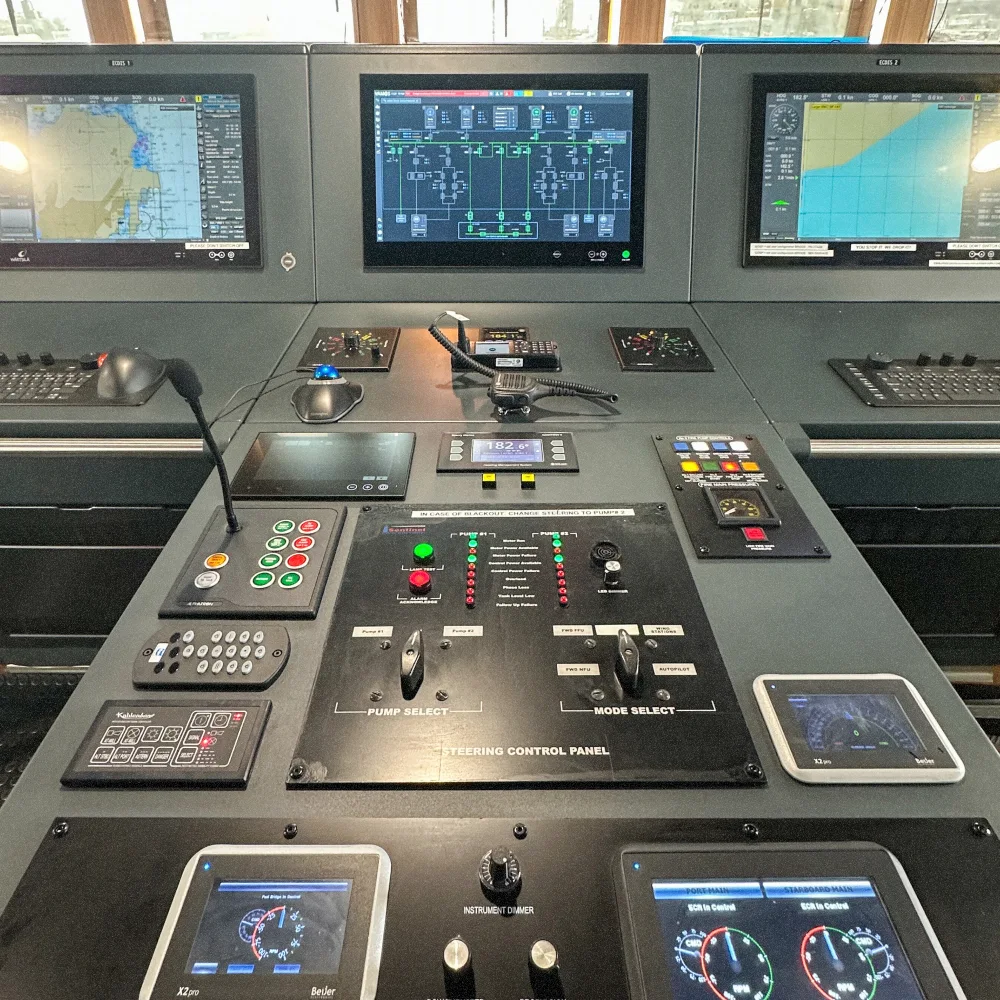
VAMOS the marine automation platform for vessel control, alarms, monitoring, power management and operational visibility.
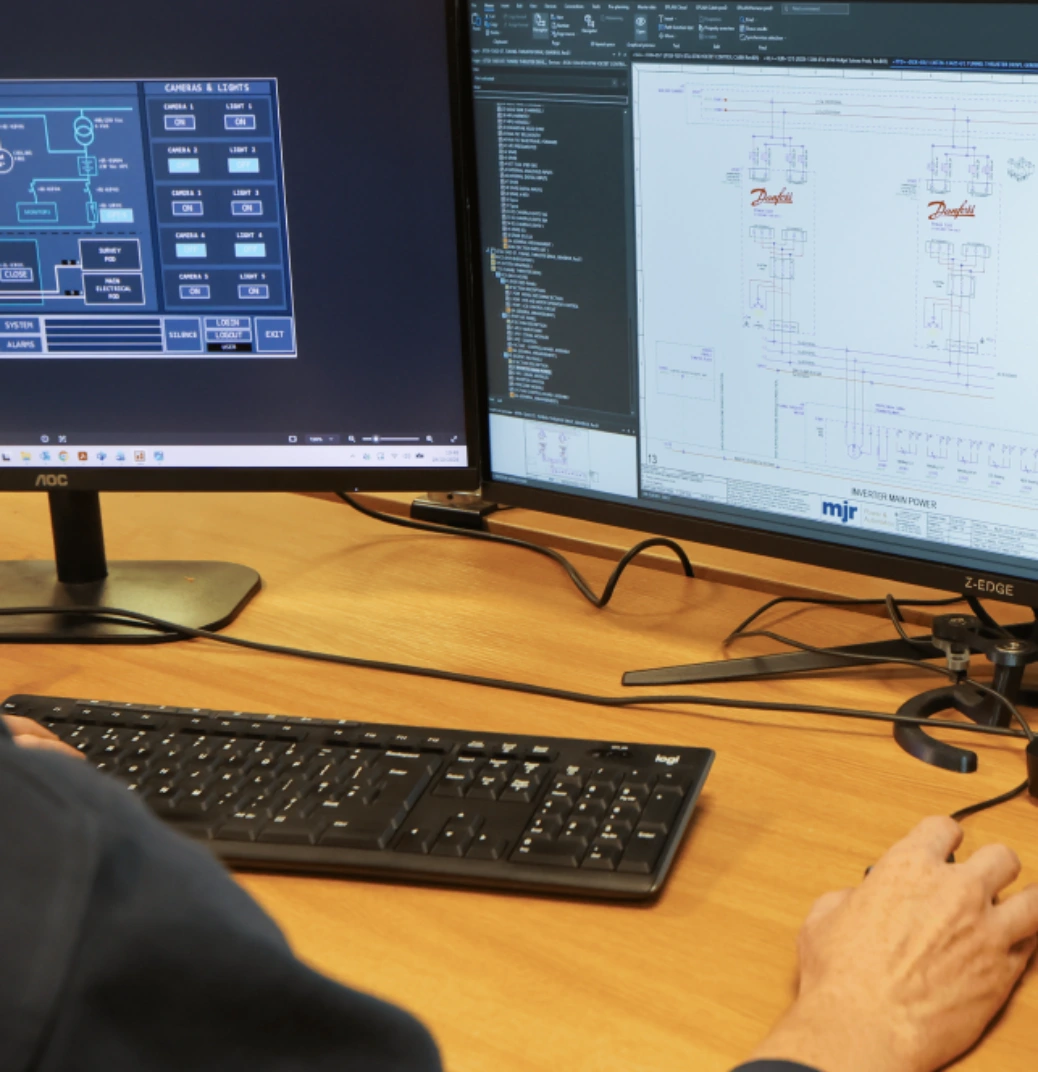
Marine electrical design, FEED studies, calculations and system engineering developed around vessel, offshore and project requirements.
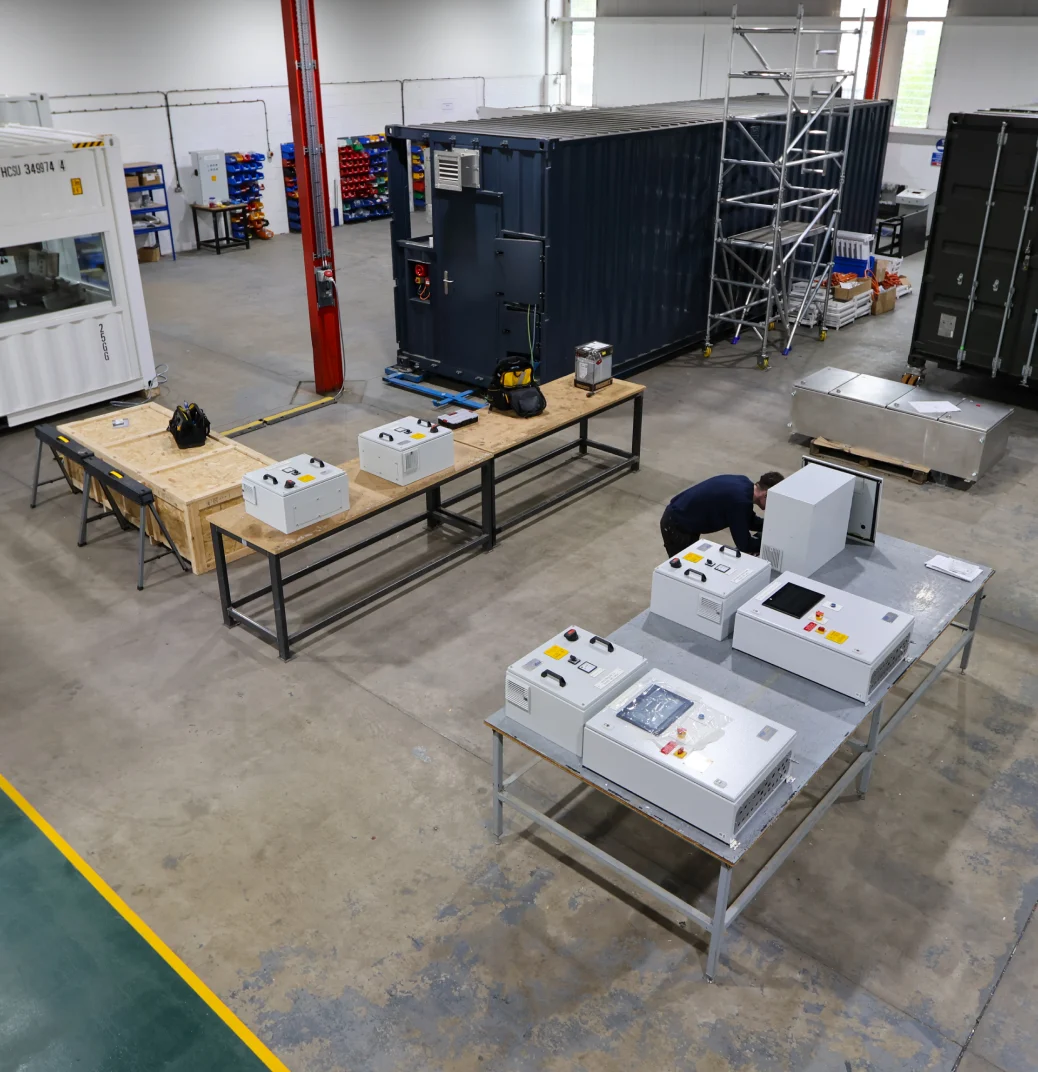
Integrated electrical power, switchboard, control and automation systems engineered, built and tested for demanding marine and offshore applications.
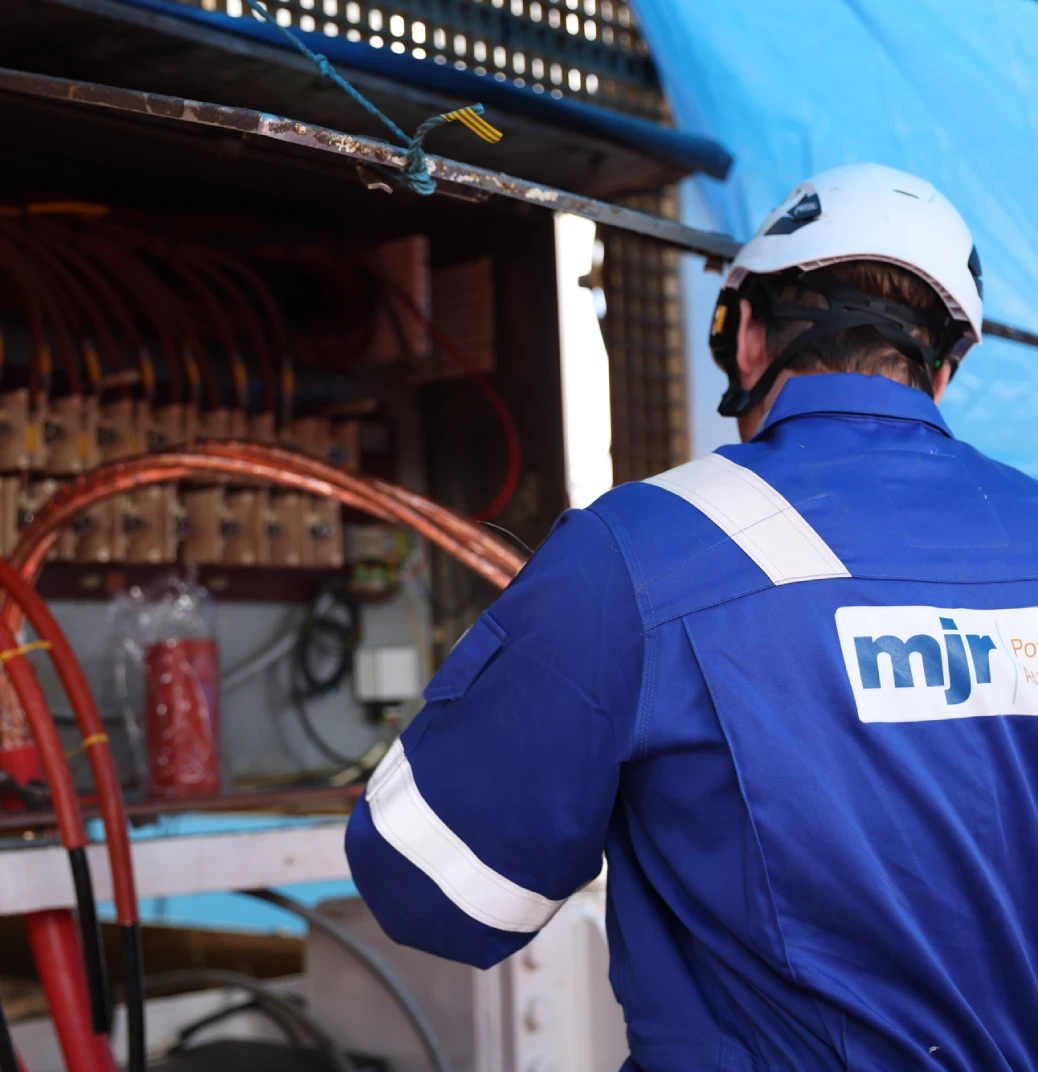
Marine electrical installation, onboard integration, vessel commissioning and functional testing through to technical handover.
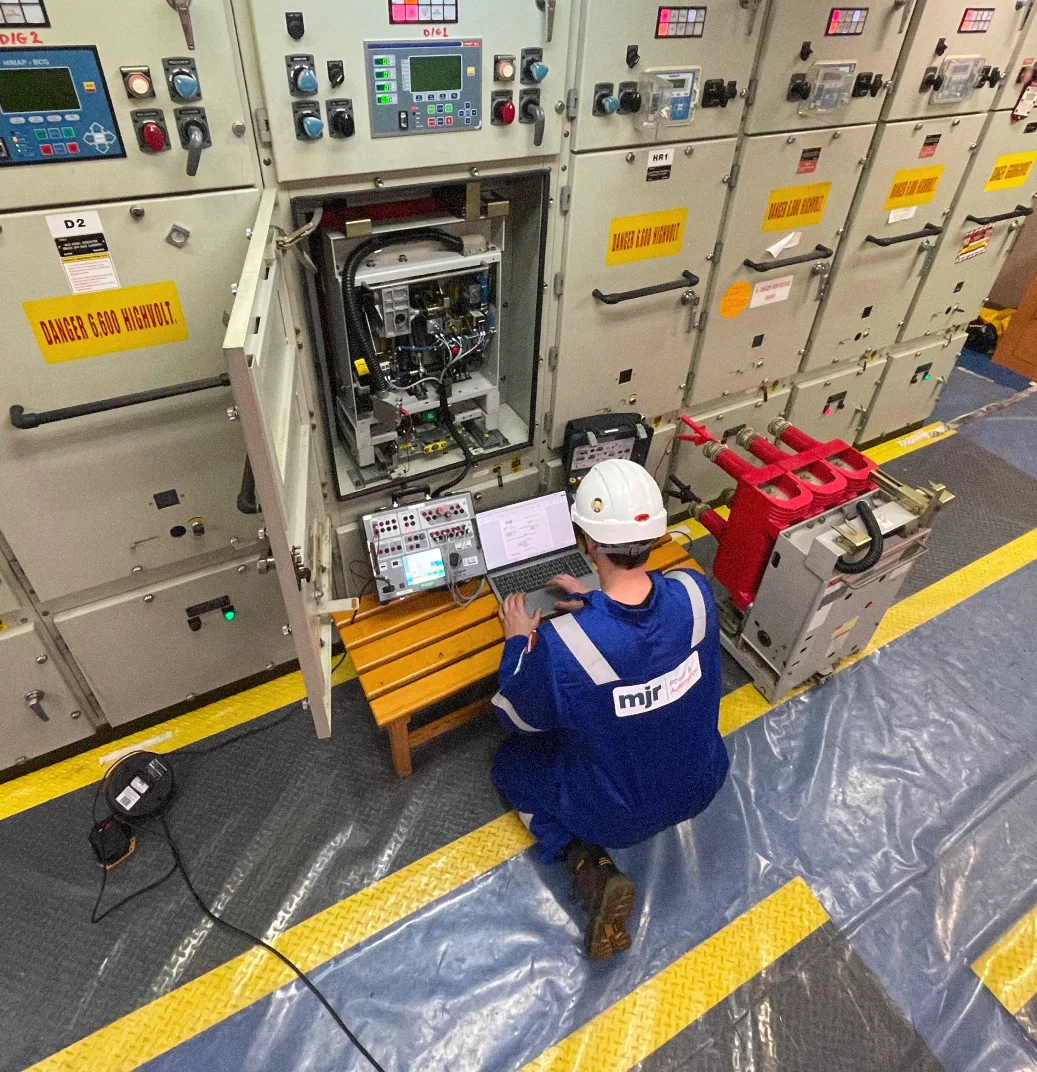
Marine electrical service, fault-finding, repair, testing, retrofit and lifecycle support for vessels and offshore assets.
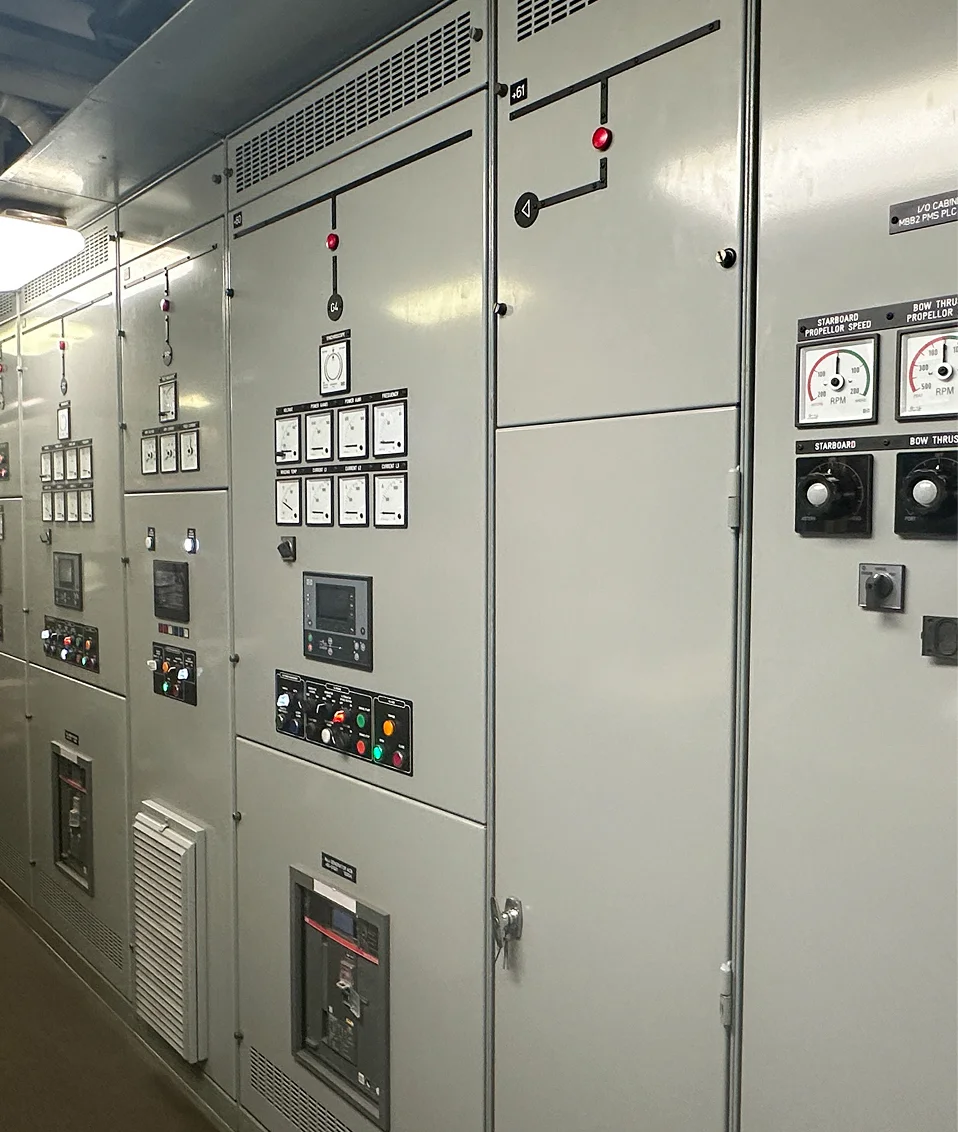
Marine power distribution systems covering generation, switchboards, power management systems, load sharing, protection and electrical distribution.
Integrated hybrid marine power systems combining generators, batteries, propulsion loads, automation and power management into a coordinated electrical architecture.
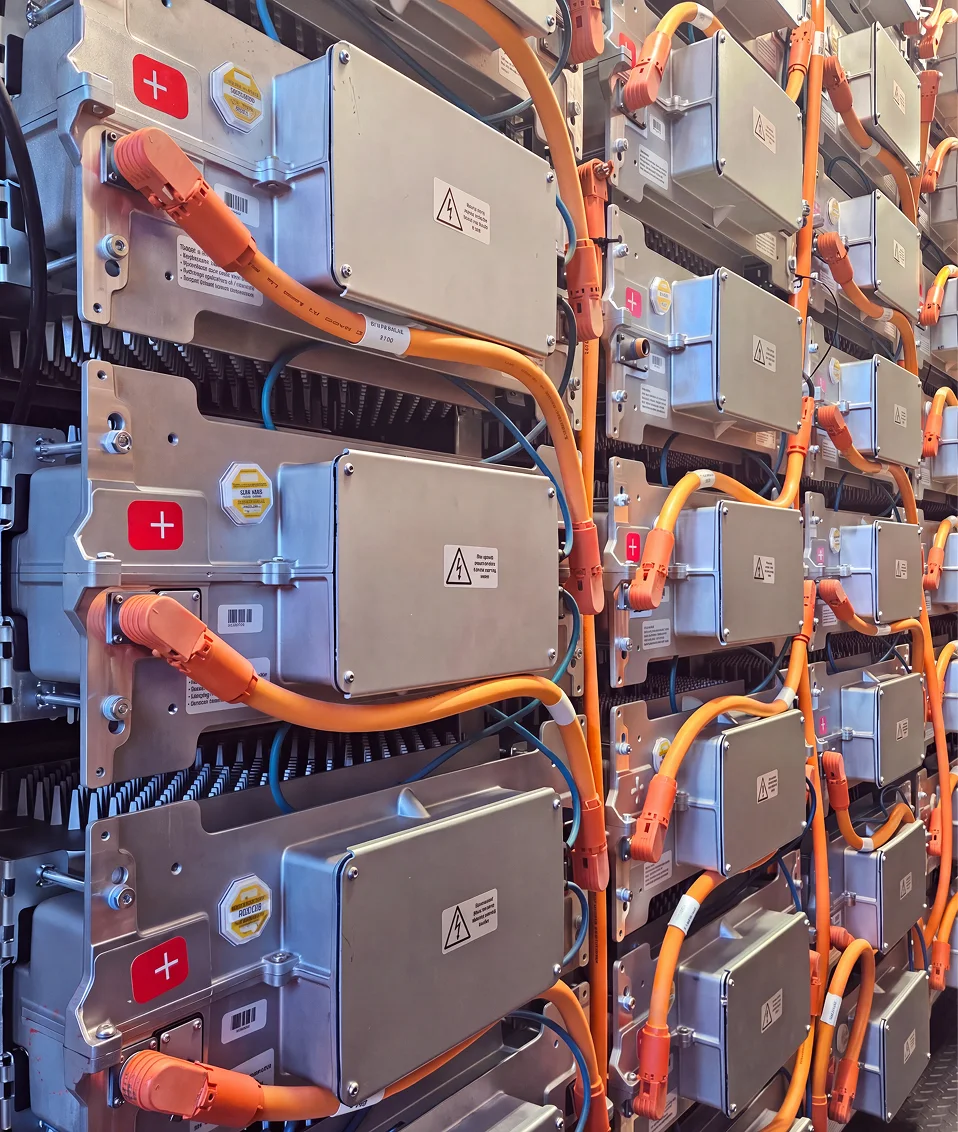
Marine energy storage systems including battery energy storage, BESS integration, supercapacitors, peak shaving, backup power and hybrid power support.
Sectors we are Powering
Follow MJR project updates, company news and technical insight covering marine electrical engineering, automation, shore power, offshore vessel charging and vessel electrification.
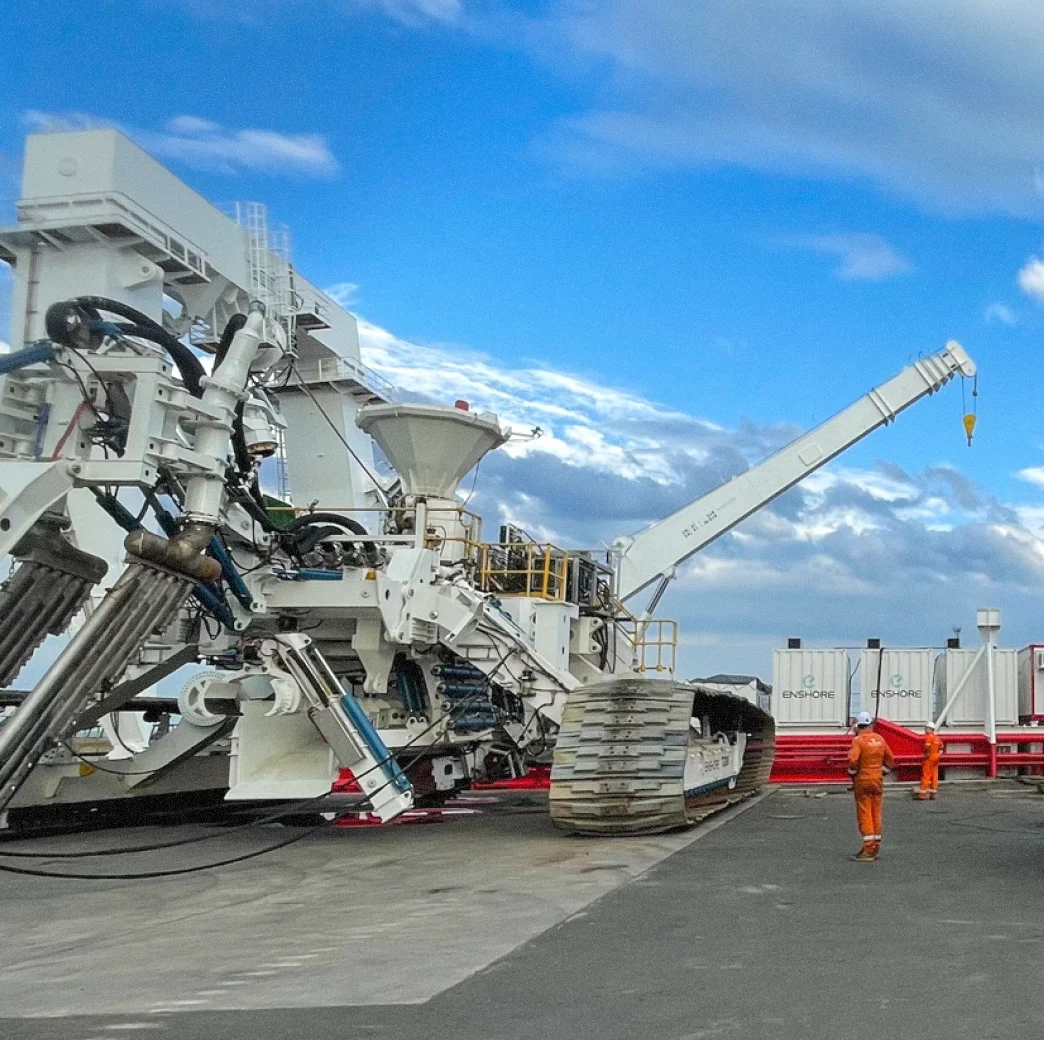
Show how MJR designs, installs, commissions and supports product systems.
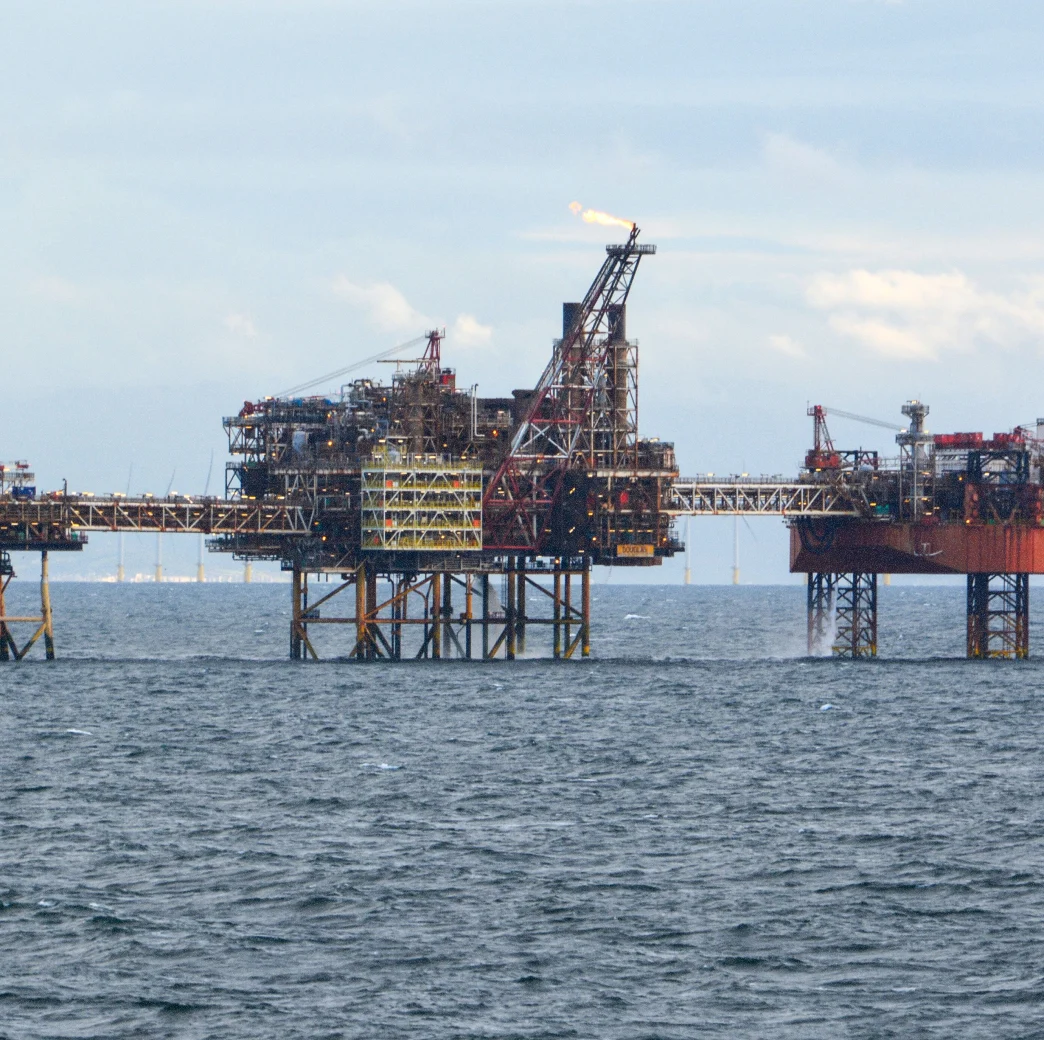
Show how MJR designs, installs, commissions and supports product systems.
Relevant Project Experience
Explore MJR projects involving vessel automation, monitoring, control and power management across newbuild, retrofit and upgrade programmes.
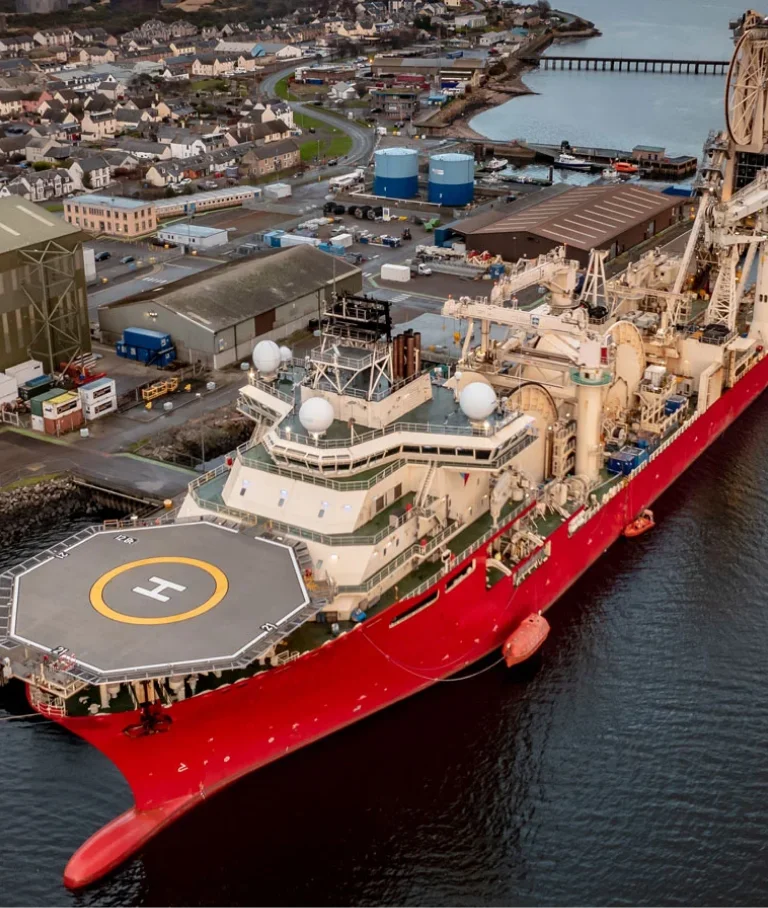
Supercapacitor storage retrofitted to pipelay tensioner and winch drive systems.
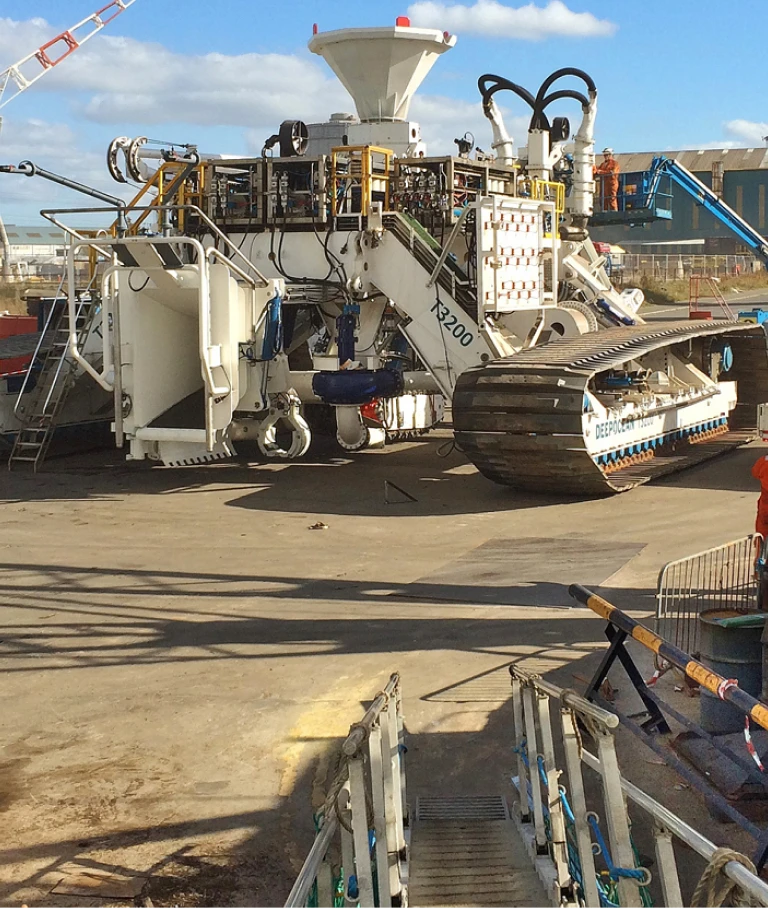
Power Systems Upgrade for Heavy Deck Equipment — Design & Project Management
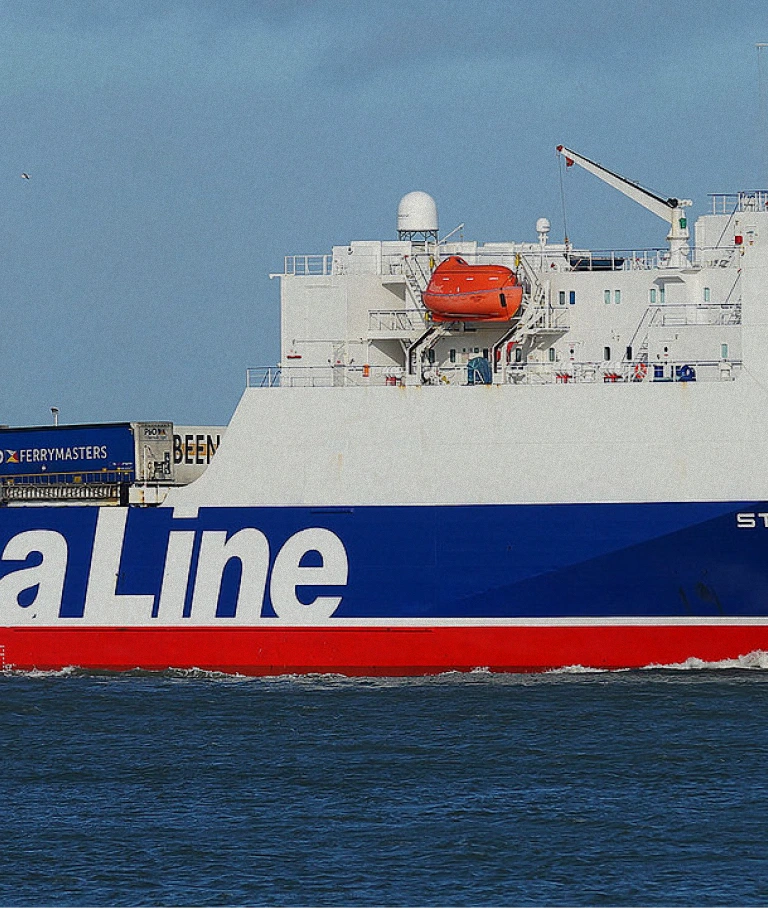
Ballast Control System Replacement — Installed In Service
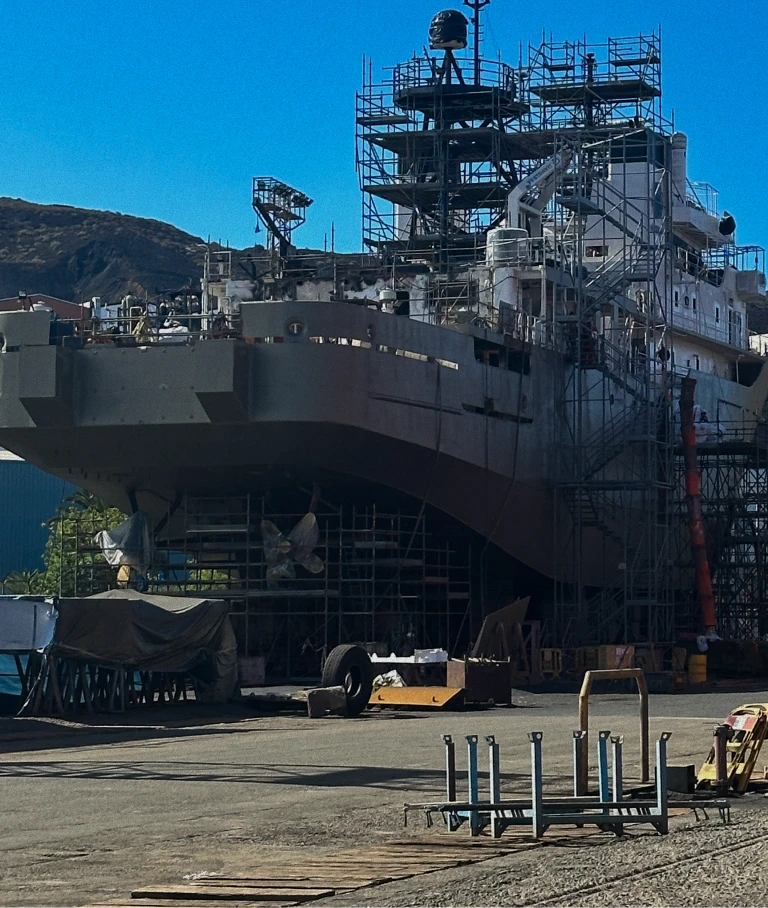
ABS-Approved Life Extension & Repowering — Power, Propulsion, Automation and Control
The Questions We Get Asked Most
Find answers to common questions about the project, including the systems involved, engineering approach, technical challenges and how the solution was delivered.