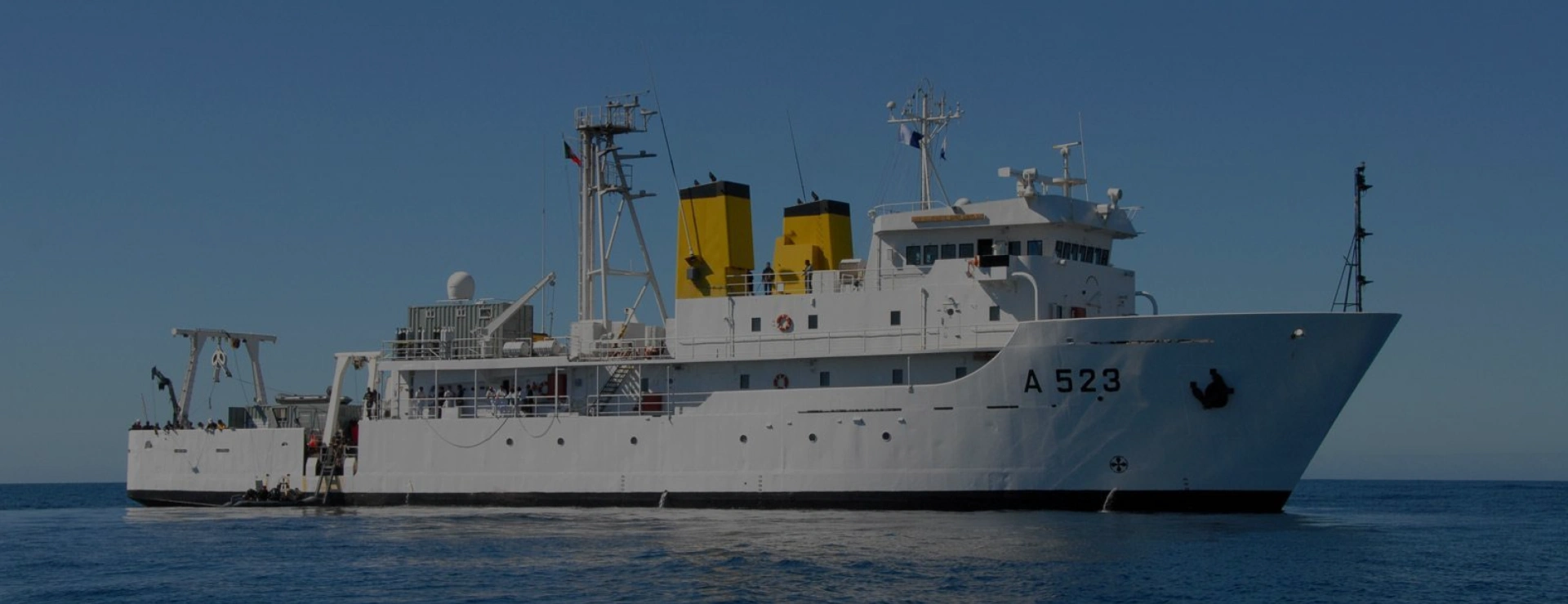
SV Corystes Propulsion System Upgrade
Obsolete DC propulsion drives replaced, existing switchboard cubicles retained.
Project Overview
Main Propulsion and Thruster Drive Upgrade for Corystes
A propulsion replacement contract won against global competitors on the strength of MJR Power & Automation's proven power generation expertise.
Corystes is a fisheries research vessel built in 1988 and operated by the Agri-Food and Biosciences Institute. Her DC diesel electric main and auxiliary propulsion system, originally supplied by Laurence Scott, had reached the point where spares and service were no longer available. That exposure translated directly into operational risk for a vessel whose survey programme depends on being able to sail, and in 2016, the decision was taken to replace the system.
Bidding against a strong international field, MJR Power & Automation won the contract on the strength of its track record in power generation and propulsion systems for vessels of this type. The scope was a full turnkey replacement of the DC variable speed drive and propulsion control package, delivered with class approval from Lloyd's Register of Shipping.
The programme ran to sixteen calendar weeks from contract award to successful completion of sea trials, including the Christmas period. Time on board was compressed to two weeks, covering complete removal of the old system, installation and commissioning of the replacement, and sea trials, by pre-building and fully testing the system against a purpose-built mock-up of the vessel's retained equipment in MJR Power & Automation's own facility first.
Project significance Propulsion is the system a vessel cannot sail without and replacing it on a ship that already exists means fitting new power electronics into switchboards and cubicles designed for equipment built thirty years earlier. Doing that in two weeks on board, right first time, with class surveyors present, is a function of how much of the risk was taken out before anyone stepped aboard.
The challenge
Obsolete beyond support
Spares and service for the original DC propulsion system were no longer available. At that point a single failure can immobilise the vessel with no route to a repair, and the operational risk grows with every sailing.
Sixteen calendar weeks, over Christmas.
The full programme, specification, detailed design, class approval, construction, software, assembly, factory testing, shipping, installation, commissioning, harbour trials and sea trials, had to be completed in sixteen calendar weeks from contract award, a period that included the Christmas shutdown.
Two weeks on board for everything.
Vessel availability limited the on-board phase to two weeks, from the team's arrival to successful sea trials. That covered stripping out the existing propulsion drive and control systems as well as installing, integrating and commissioning their replacement.
New electronics into thirty-year-old enclosures.
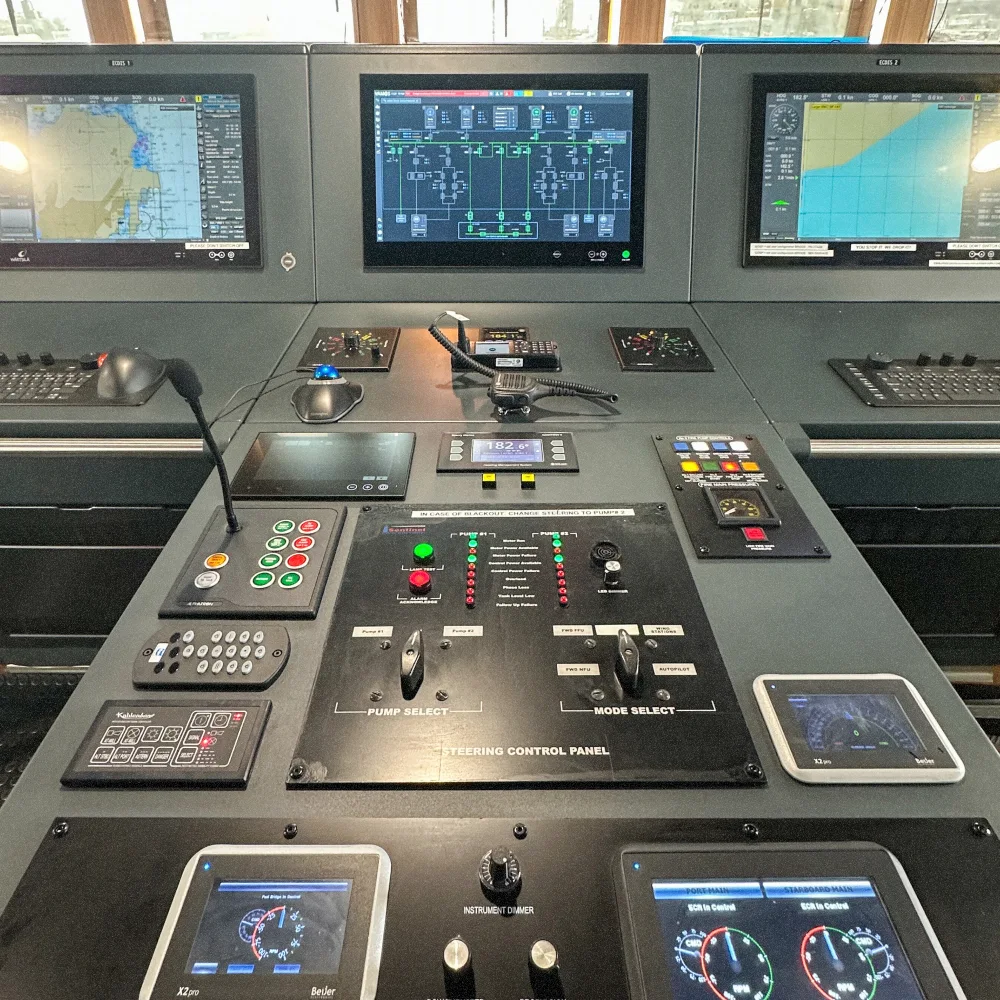
The replacement power electronics and hardware had to be integrated into the vessel's existing drive cubicle and switchboards, and the new control system had to interface with the existing propulsion control stations, which were being retained.
No margin for error.
With two weeks on board and class surveyors attending sea trials, there was no time to discover interface problems in situ. The system had to work the first time it was connected to the ship.
Class approval inside the programme.
Lloyd's Register design approval, factory acceptance testing with client and class, and harbour and sea trials with class all had to fit within the same sixteen weeks.
Scope of Work
Delivered within sixteen calendar weeks from contract award:
- Propulsion system specification and detailed design
- Control system specification and detailed design
- Class approval by Lloyd's Register of Shipping
- System construction, software design and complete assembly
- Hook up and factory acceptance testing with client and class in MJR's facilities prior to installation
- Disassembly, packing and shipping of the system to the vessel
- Decommissioning and stripping out of the existing propulsion drive and control systems
- Installation and integration of new power electronics and hardware into the existing drive cubicle and switchboards
- Installation and integration of a new redundant PLC based control system interfacing with the existing propulsion control stations
- Commissioning, harbour trials and sea trials with client and class
- Handover and training
Solutions Delivered
The System — Digital DC drives and redundant PLC control
The propulsion arrangement comprises two tandem 600 kW main propulsion motors, one 450 kW thruster motor and four remote control stations. Replacement hardware was supplied through ABB, using their DC drives and PLC platform, with a new redundant PLC based control system interfacing to the existing propulsion control stations retained on board.
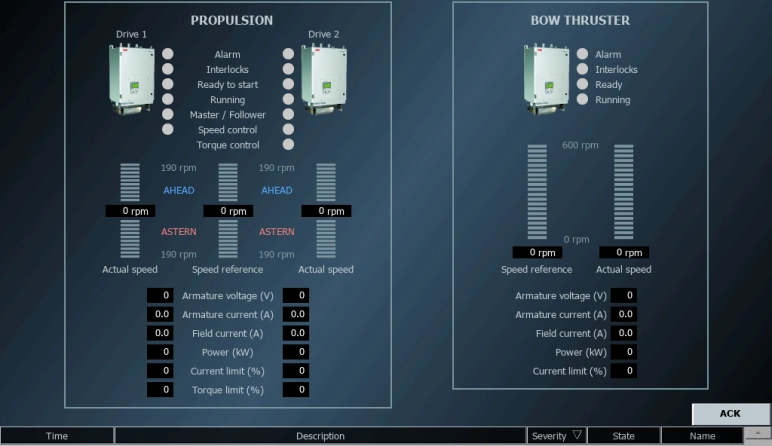
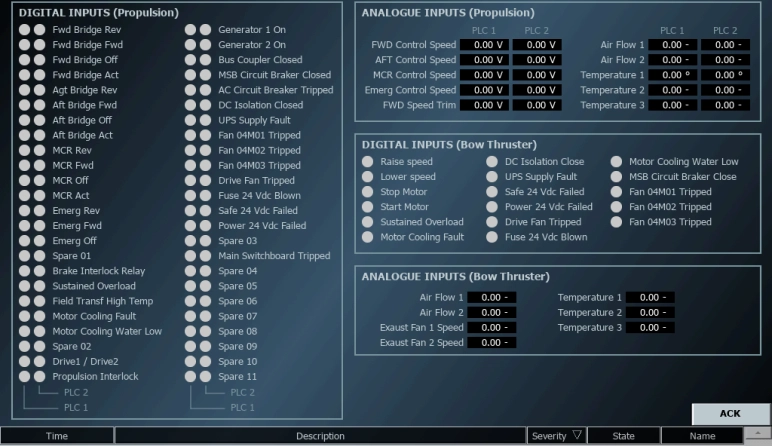
Replacing analogue drives with digital ones changed the vessel's behaviour as well as its supportability: motor dynamic performance improved substantially, and the operator gained a diagnostic interface in place of an arrangement that gave very little away about why something had stopped working.
The Method — Building a dummy ship in the workshop
The two-week installation window was made achievable by moving as much risk as possible into MJR's own facility beforehand. Four things were done:
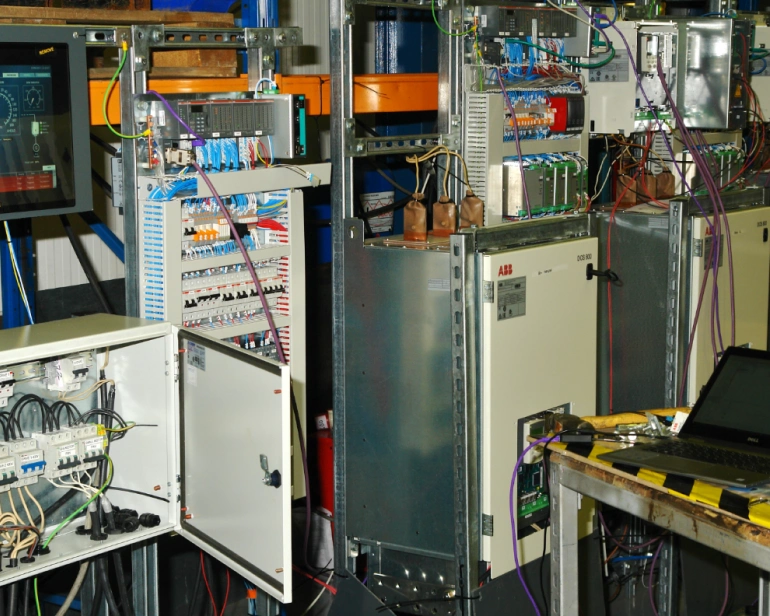
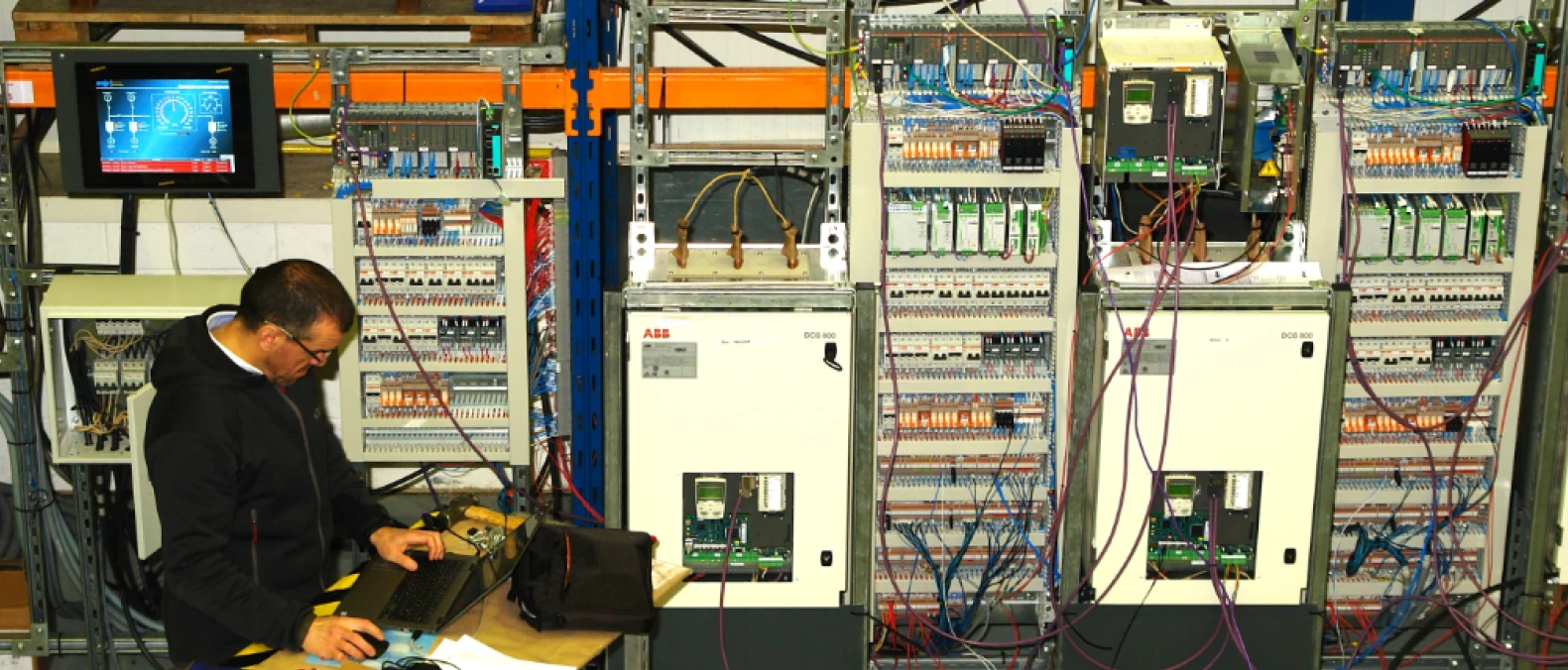
- The system was designed and pre-built into a series of modular replacement chassis plates, engineered as drop-in replacements for the existing equipment, with extensive use of 3D modelling to confirm fit before manufacture
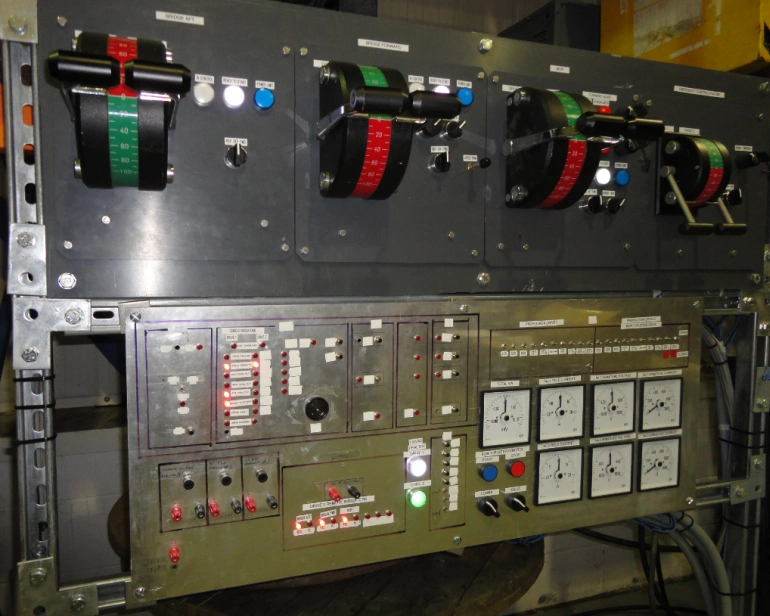
- The full system was constructed and hooked up in MJR's facility, alongside purpose-built 'dummy' propulsion control stations replicating the retained equipment and interfaces on the ship
- The complete system was then tested against that dummy ship interface using test motors, to prove right-first-time functionality before shipment
- Installation was carried out by MJR's in-house team, experienced in retrofitting complex systems to existing vessels
The effect is that the system arrived at the vessel already proven against a simulation of the vessel. Interface problems, the things that normally consume an installation window, had been found and fixed weeks earlier, in a workshop, with the parts and people to hand.
The Interface — Operator screens and diagnostics
Before installation the complete system was exhaustively tested in MJR Power & Automation's facilities over several days, covering operational, degraded and failure modes, in the presence of client representatives and class surveyors. Testing failure modes with the client and class watching, in a workshop rather than at sea, is what allowed the on-board phase to be as short as it was.
An intensive fast track installation period followed on board, resulting in successful sea trials and on-time delivery and handover. The project was completed to specification and to budget, with class approval from Lloyd's Register of Shipping.
Quote — Paul Cairns, Managing Director, MJR Power & Automation:
"Retrofitting and integrating essential marine systems on this scale and complexity with such aggressive timescales requires many years of experience and lessons learned, as there is simply no margin for error. The successful delivery of this project on time and to budget when others said it couldn't be done cements MJR's reputation, together with ABB as the partners of choice for demanding marine projects."
Delivery & Approval
On Time, Within Budget, and Followed by Further Fleet Contracts
The project was completed on time and within budget across all four vessels. MJR was subsequently awarded further marine power and automation upgrade contracts by CalMac Ferries across their fleet.
Quote — Ryan Reilly, Sales and Business Development Manager, MJR Power & Automation:
"With the project delivered on time and within budget, further demonstrating the professionalism and dedication of MJR's marine installation team in successfully delivering these scopes of works. This was further cemented by the award of further marine power and automation upgrade contracts by CalMac Ferries across their fleet."
Technical Summary
- Client CalMac Ferries
- Vessels Four — MV Caledonian Isles, MV Hebrides, MV Isle of Lewis, MV Clansman
- Sector Commercial Marine — passenger and vehicle ferries
- MJR scope Cable removal, assessment, supply, installation, termination and testing
- System served Rolls-Royce Helicon X pitch control system upgrade
- Total cable installed Over 15,000 metres
- Cable types Marine power, Cat5 ethernet, fibre optic
- Fibre Spliced, terminated and OTDR tested
- Containment New containment; old transits re-packed, new transits installed
- Cable routes Bridge, engine room, bow thruster spaces
- Locations Dry dock, Glasgow and Aberdeen
- Personnel 26 across four vessels
- Outcome Delivered on time and within budget; further fleet contracts awarded
Project Outcomes
Four dock windows met
Each vessel's scope was completed within its booked dry docking, so the pitch control programme did not extend any vessel's time off service.
The Helicon X upgrade was able to proceed.
New power, ethernet and fibre infrastructure was installed, tested and proven on all four vessels, allowing the pitch control upgrade to be brought into service on the routes MJR Power & Automation delivered.
Serviceable cable retained.
Testing existing cable before replacing it reduced the quantity of new cable required and the volume of removal work inside the dock window.
Fibre performance documented across every run.
OTDR records give each vessel a per-run performance baseline for future fault finding and maintenance.
Fire and watertight integrity maintained across four hulls.
Transit repacking and new transit installation kept each vessel's subdivision intact across every new penetration.
Gallery

Share your vessel, equipment and interface requirements with MJR.
VAMOS the marine automation platform for vessel control, alarms, monitoring, power management and operational visibility.
Marine electrical design, FEED studies, calculations and system engineering developed around vessel, offshore and project requirements.
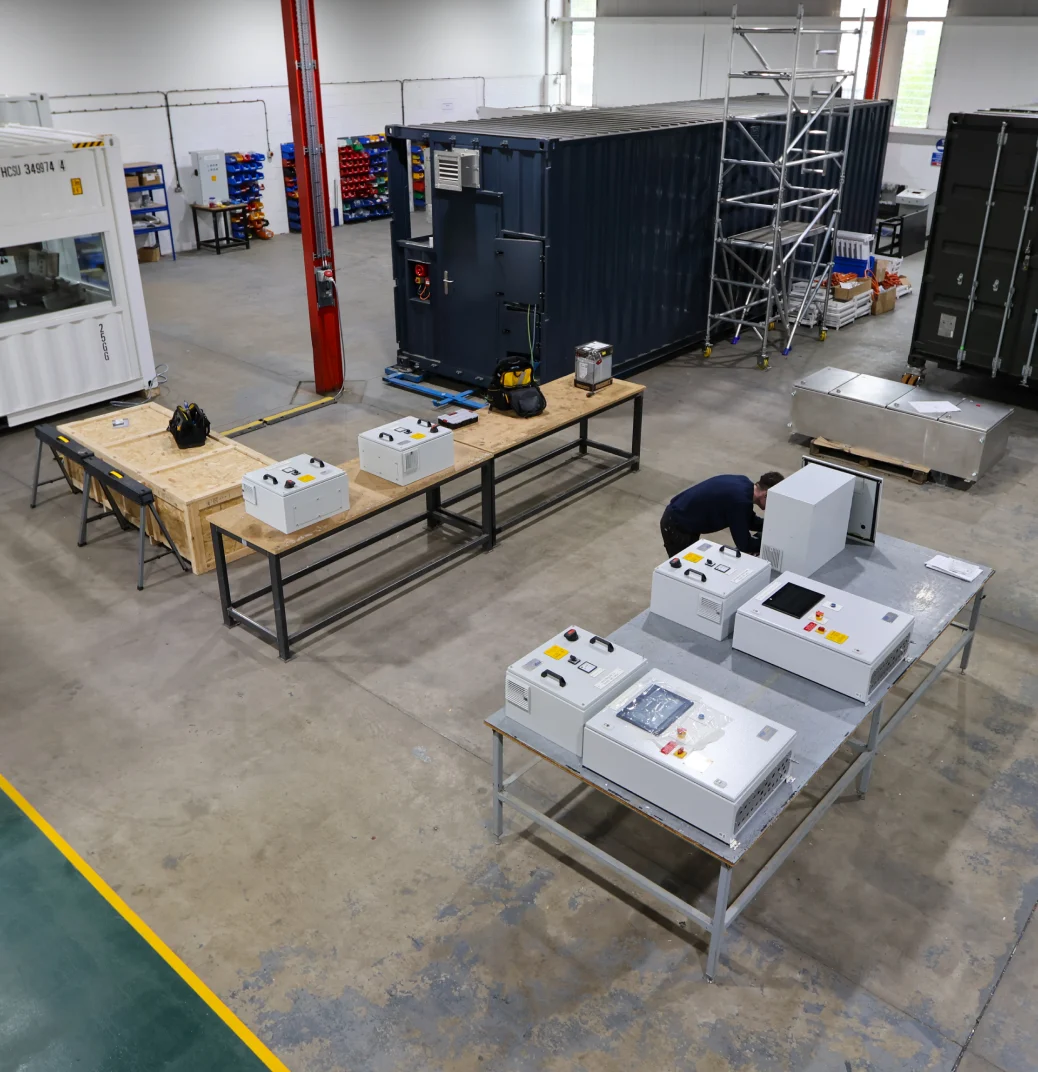
Integrated electrical power, switchboard, control and automation systems engineered, built and tested for demanding marine and offshore applications.
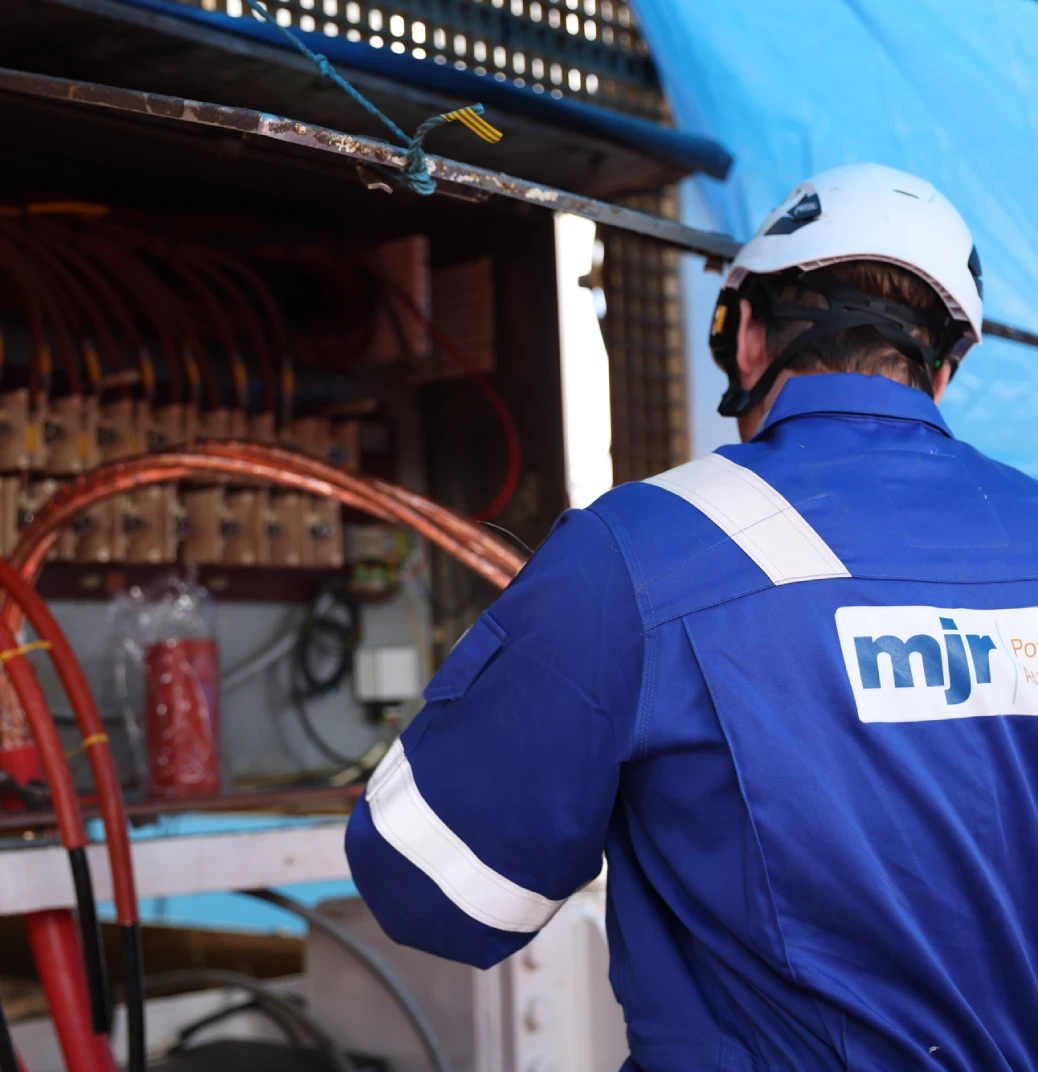
Marine electrical installation, onboard integration, vessel commissioning and functional testing through to technical handover.
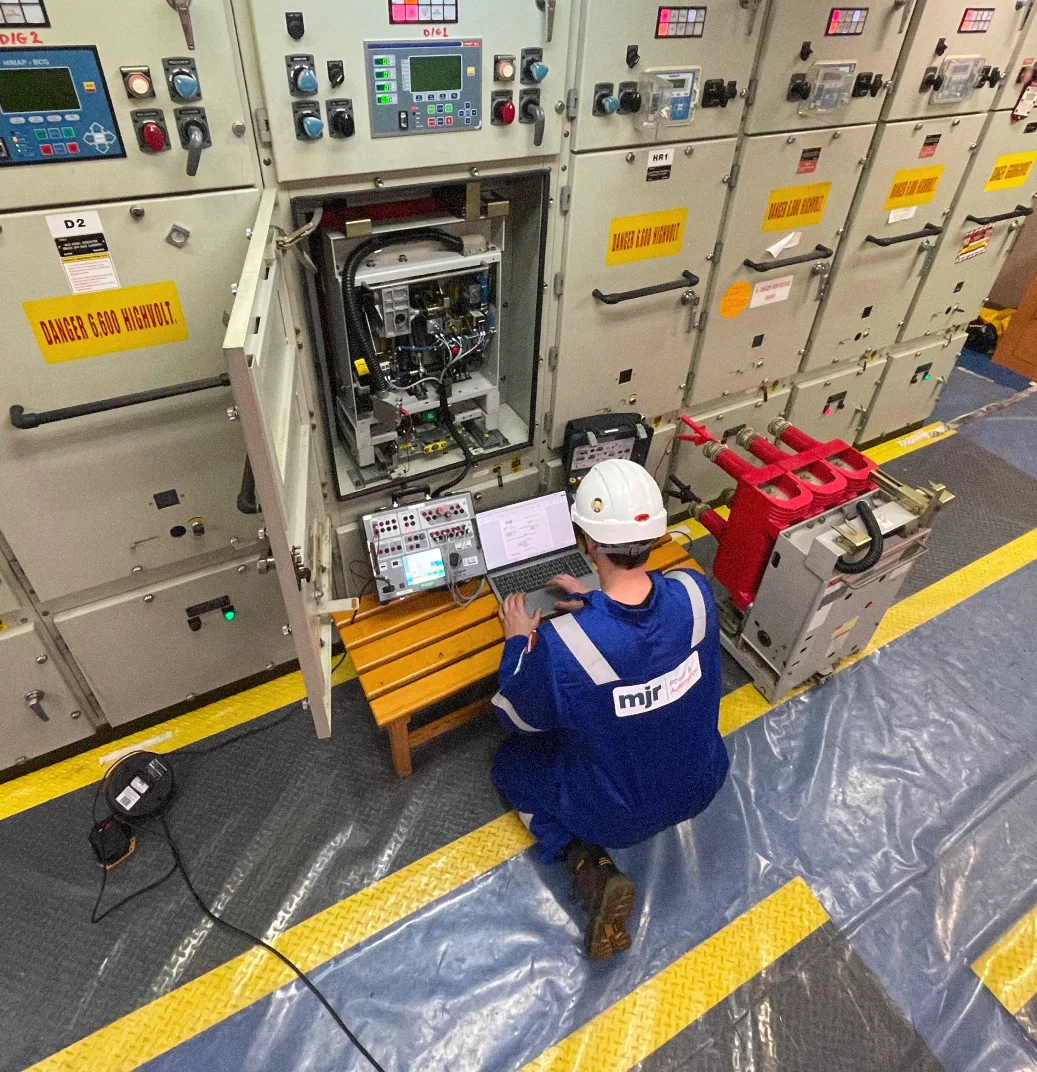
Marine electrical service, fault-finding, repair, testing, retrofit and lifecycle support for vessels and offshore assets.
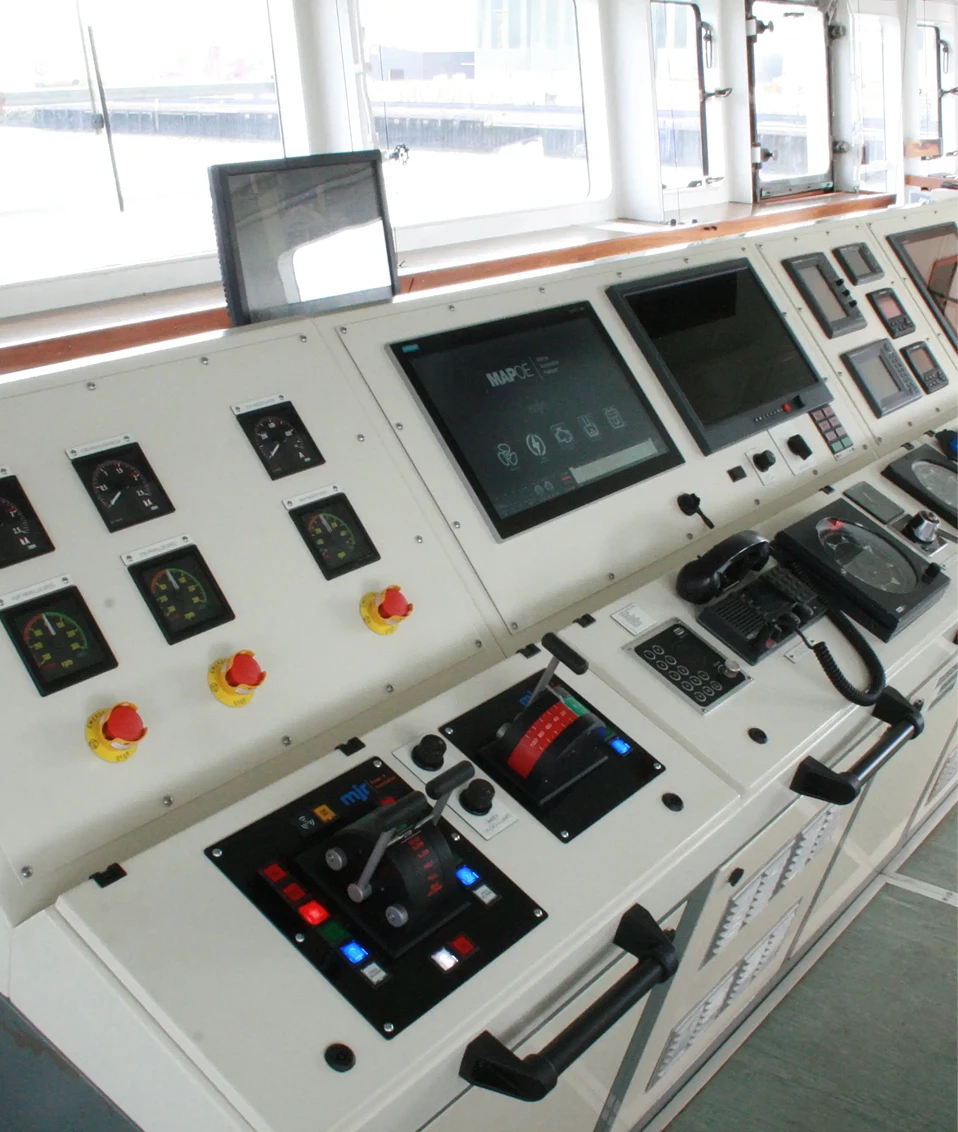
Integrated marine propulsion systems covering electric drives, propulsion control, drive integration, retrofit engineering and commissioning for newbuild and existing vessels.
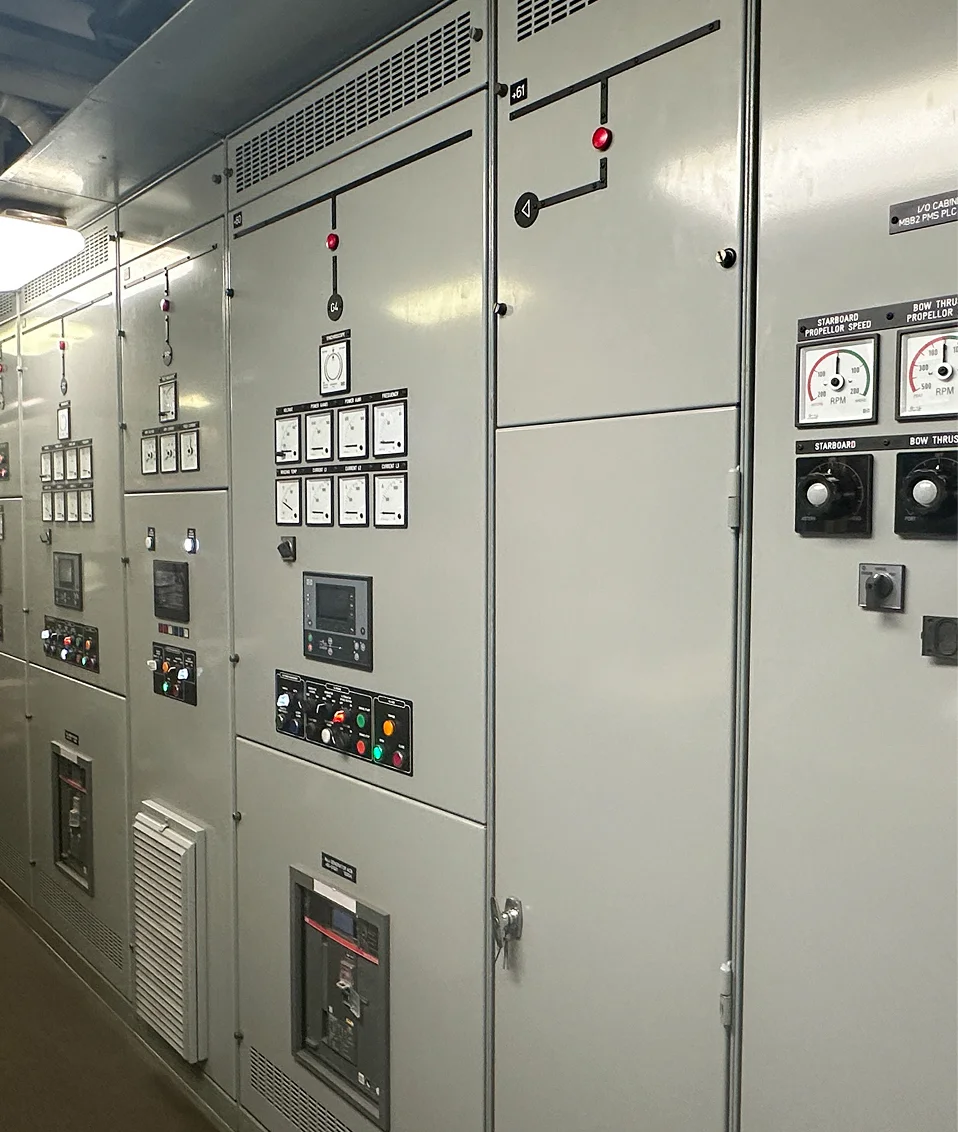
Marine power distribution systems covering generation, switchboards, power management systems, load sharing, protection and electrical distribution.
Sectors we are Powering
Follow MJR project updates, company news and technical insight covering marine electrical engineering, automation, shore power, offshore vessel charging and vessel electrification.
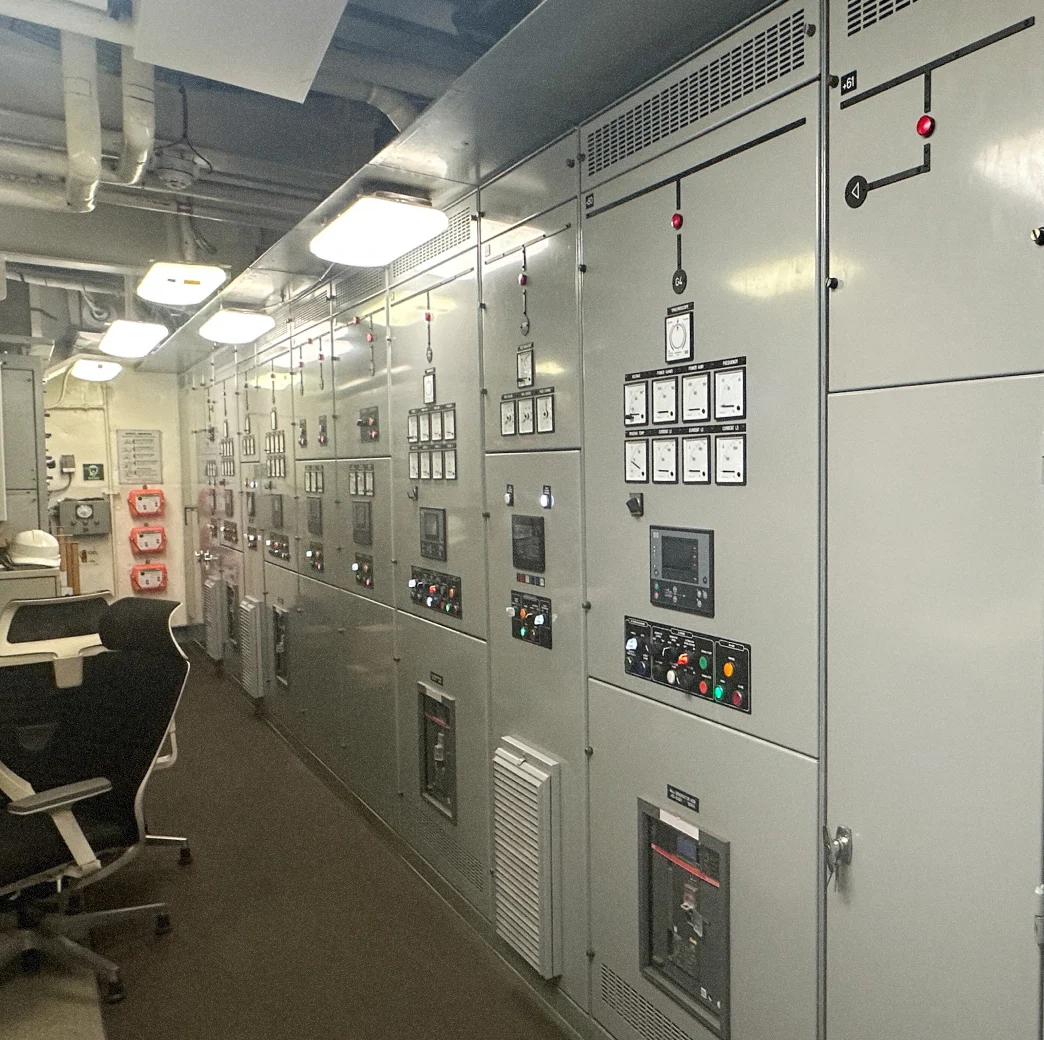
Show how MJR designs, installs, commissions and supports product systems.
Relevant Project Experience
Explore MJR projects involving vessel automation, monitoring, control and power management across newbuild, retrofit and upgrade programmes.
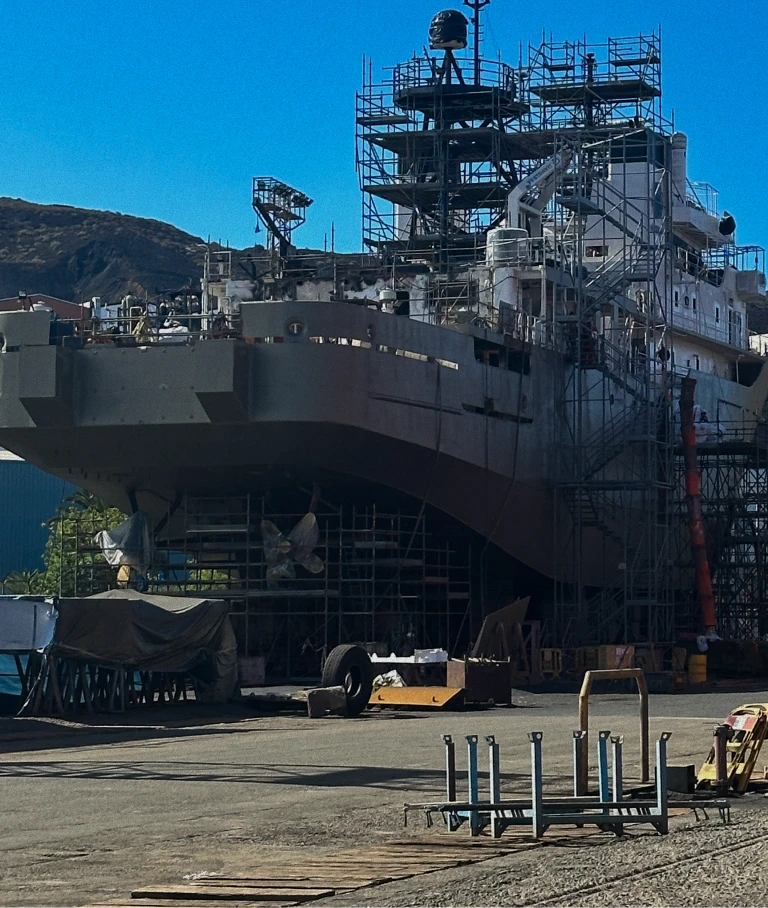
ABS-Approved Life Extension & Repowering — Power, Propulsion, Automation and Control

Dredger Life Extension — Power, Propulsion, Dredging & Automation
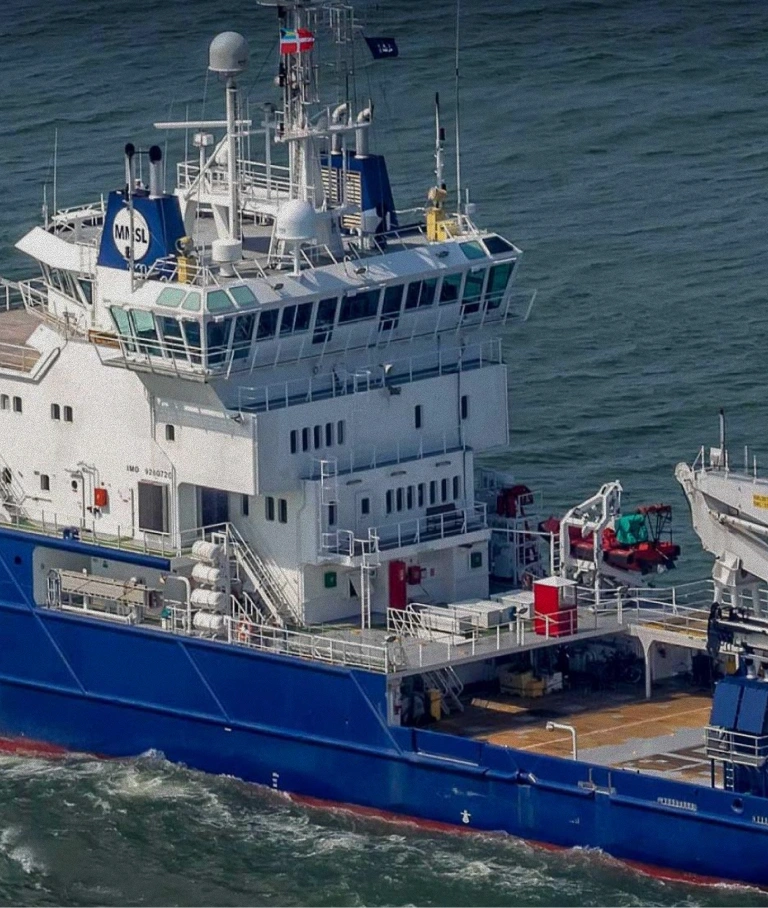
Propulsion Drive and Control System Retrofit — Without Rewiring the Ship
The Questions We Get Asked Most
Find answers to common questions about the project, including the systems involved, engineering approach, technical challenges and how the solution was delivered.